
A Culinary Journey Across China: Regional Flavors and Iconic Dishes You Must Try
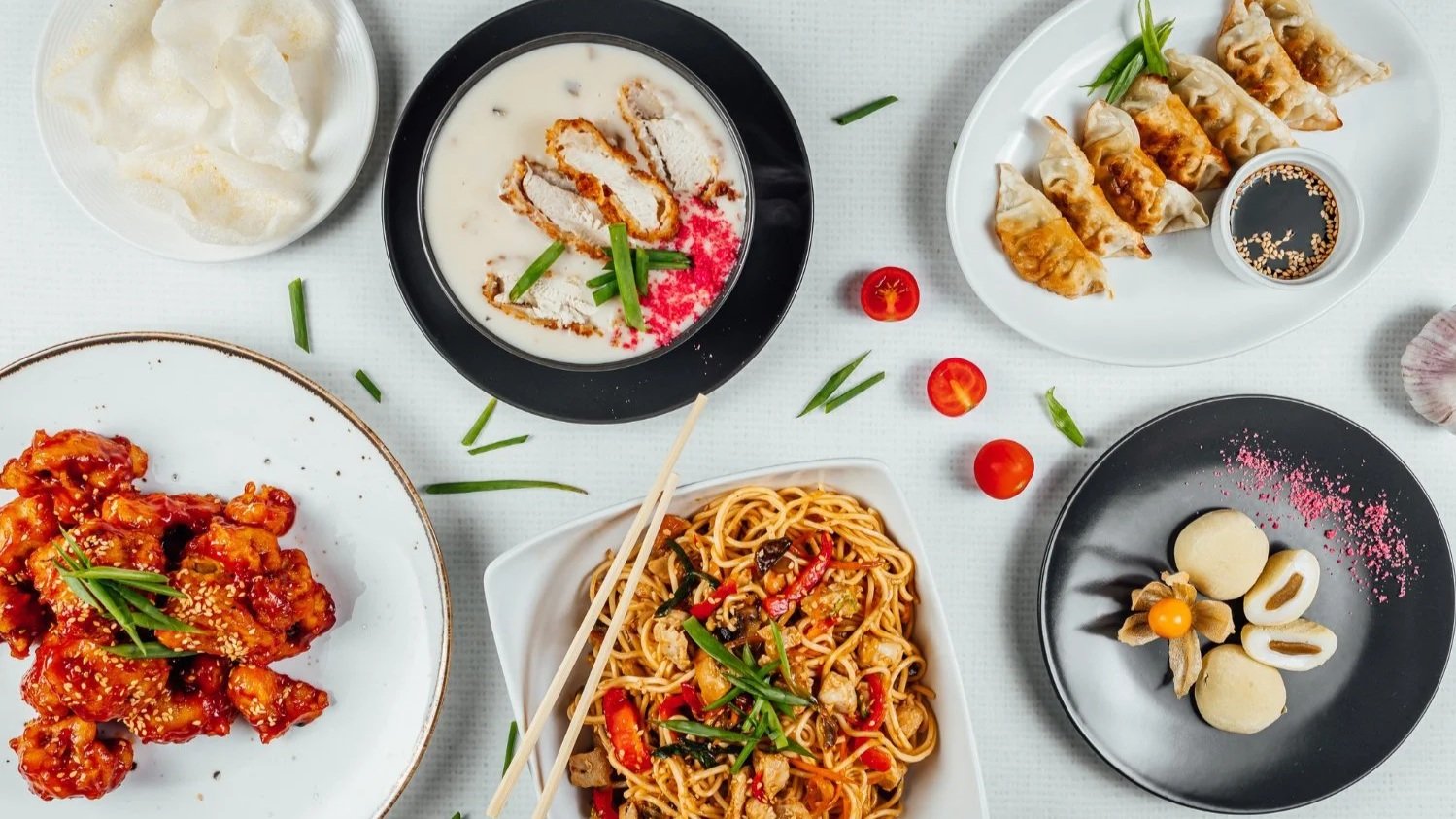
Imagine lantern-lit lanes, skewers over charcoal, and bubbling hot-pot pots simmering beside busy queues—China in 2026 is back as a sensory food playground. Whether you’re planning a first deep-dive or returning for another round of regional specialties, this practical guide helps you eat your way through eight great culinary traditions, navigate night markets, and plan with 2026 visa and holiday realities in mind.
Why 2026 is a great year to plan a culinary trip to China
China’s 2026 policy direction supports inbound culinary travel: visa facilitation and transit easing make short, multi-city food itineraries (Beijing → Shanghai → Chengdu → Guangzhou) more feasible for more visitors. At the same time, expect strong seasonal and holiday rhythms that affect availability and crowds—know the key dates before you book.
Night markets & street-food customs: what to expect and how to prepare
Night markets are as much about atmosphere as food—think sizzle, smoke, bubbling broth pots, live seafood tanks, and islanded queues under strings of lanterns. Here’s how to make them work for you:
Payments & ordering
Most stalls favor mobile payments (Alipay/WeChat Pay) in many cities. If you don’t have access, bring cash backup—small notes for quick transactions.
Ordering is often point-and-order: menus can be pictorial or display items in cases; expect preset portions and little time for special requests during peak service.
Food-safety comfort tips
Choose high-turnover stalls—busy lines usually mean fresher food.
Look for food that’s cooked to order and piping hot; avoid lukewarm items that have been sitting out in summer heat.
When in doubt, pick stalls with visible fresh ingredients (live tanks for seafood, fresh skewers being turned over charcoal).
Etiquette & practical tips
If you don’t speak Mandarin, use gestures, point to display plates, or use translation/photo apps.
Carry tissues/hand sanitizer—many stalls don’t have napkins.
Be prepared to stand, share tables, and eat quickly at very popular stalls; save sit-down restaurant time for specialty or ceremonial meals.
The Eight Great Regional Cuisines — a practical primer for 2026 travelers
China’s regional cuisines are vast. Below are the styles you’ll most frequently encounter on food-focused city routes, with practical notes where they matter most in 2026 travel planning.
Sichuan (Chengdu): famous for the mala profile—Sichuan peppercorn numbs, chilies heat. In 2026, hot pot remains a centerpiece: choose broths (yin-yang style is common), then add meats, offal, mushrooms and veg. Expect busy waits at famous houses and a custom dipping-sauce station.
Cantonese (Guangzhou): famed for dim sum and yum cha—tea first, then a social, relaxed parade of small plates (har gow, siu mai, cheung fun). Flavor logic centers on freshness and restrained seasoning.
Beijing (capital cuisine / Peking duck): the Peking duck tableside carving ritual, paper-thin pancakes, hoisin and scallions are a must-try. In 2026, book ahead and check whether the restaurant requires a whole-duck order.
Shanghai (Jiangnan-shade cuisine): small-plate and seafood-heavy night streets, xiaolongbao and shengjianbao are core snacks. Watch for hairy crab season in autumn—a premium, seasonal offering that drives prices up.
(Other regional traditions to seek out on longer trips): Shandong, Jiangsu, Zhejiang, Fujian, Hunan, Anhui—each offers distinct local techniques and ingredients; if you’re creating a multi-city route, aim to sample one signature style per stop.
City anchors and what to order in 2026
📍 Beijing — Peking duck
What to expect: tableside carving ceremony, crackly skin, and fruitwood aroma.
Practical tip: dine off-peak if possible; confirm reservation and whether only whole ducks are served (some restaurants require this).
How to eat it: follow the thin-pancake wrap method—Serious Eats has a reliable how-to for ordering and eating techniques.
📍 Shanghai — dumplings & late-night seafood alleys
What to expect: xiaolongbao, shengjianbao, and seafood-forward night-food alleys.
Practical tip: autumn hairy-crab menus are premium—book or expect higher prices during the season.
📍 Chengdu — mala hot pot and snack alleys
What to expect: a broad mala spectrum, choice of broths (including yin-yang split), then add meats, veg, and mushrooms; create a dipping-sauce mix at the condiment station.
Practical tip: famous branches can have long waits—go early or reserve when possible; prioritize freshness and watch for busy, high-turnover spots.
📍 Guangzhou — dim sum & morning tea (yum cha)
What to expect: morning tea ritual, tea selection first, then rolling small plates in a relaxed, social order.
Practical tip: arrive early for popular teahouses or ask your guide to reserve a table for classic houses.
Timing, booking, and sample planning tips for 2026
Avoid traveling during the biggest holiday peaks if you want fewer crowds and open, family-run stalls—especially Spring Festival (Feb 17, 2026) and National Day Golden Week (Oct 1–7).
For signature, sit-down meals (Peking duck temples, top hot-pot restaurants, hairy-crab set menus) book ahead—2026 inbound facilitation increases demand.
If you’re short on time, use expanded transit visa rules (240-hour transit where eligible) to string together a quick multi-city tasting loop.
Final practical checklist before you go
Check your passport against the 30-day visa-free country list and transit rules (valid through Dec 31, 2026) using official sources.
Set up mobile payment options if possible; otherwise bring cash in small denominations.
Pack basic meds for stomach upsets, hand sanitizer, and a few reusable napkins or tissues.
Learn a few food-related Mandarin phrases or download an offline translation app to speed ordering.
China in 2026 is a prime moment to design a food-first trip—whether you crave the numbing heat of Chengdu mala, the ceremonial precision of Peking duck, or the stacked variety of Shanghai and Guangzhou’s snack scenes. If planning feels overwhelming, that’s normal—regional rules, seasonal specialties, and holiday rhythms all shape the best itinerary. Ready to treat your palate to authentic regional Chinese flavors? Contact Go Beyond Travel for a personalized consultation to book private food tours, secure reservations at iconic restaurants, or arrange hands-on cooking masterclasses with local chefs.
#ChineseFood #PekingDuck #DimSum #Hotpot #FoodieTravel
https://www.visaforchina.cn/SGP3_EN/qianzhengyewu/jichuzhishi/changjianwenti/220323827614355469.html
https://www.china-briefing.com/news/china-visa-free-travel-policies-complete-guide/
https://kpmg.com/xx/en/our-insights/gms-flash-alert/2026/flash-alert-2026-092.html
https://www.chinahighlights.com/festivals/china-public-holiday-year.htm
📦 Key Takeaways
2026 travel facilitation (30-day visa-free windows for many nationals and expanded 240-hour transit) makes short, city-hopping culinary trips more feasible—always confirm your passport eligibility.
Night markets are immersive: expect loud vendor calls, sizzling grills, lantern light, and fast queues—plan for mobile payments but carry cash as a backup.
Prioritize high-turnover stalls and freshly cooked dishes for street-food safety; avoid lukewarm items sitting out in hot weather.
Book ahead for signature, sit-down institutions (Peking duck, famous hot pot branches, premium hairy crab menus), and avoid major public-holiday peaks if you want lower crowds.
Learn a few ordering basics: point-and-order, pre-set portions, minimal customization during busy service, and how to build a hot-pot order (broth first, then add-ins).
Contact Go Beyond Travel to convert this guide into a tailored food itinerary, private tours, or local cooking masterclasses.
