
A Tapestry of Time: Discovering India’s Spiritual and Royal Heritage in 2026
Original photo by Nina Luong
Have you ever dreamed of witnessing the world’s most vibrant festivals or walking through palaces that whisper secrets of a bygone era? Planning a journey to India is an exhilarating prospect, but we know it can also feel overwhelming with so many moving parts. In 2026, India is opening its doors wider than ever, blending ancient traditions with cutting-edge convenience. Whether you are drawn by the spiritual pulse of a thousand-year-old temple or the royal grandeur of a Mughal fort, your 2026 adventure promises to be a seamless blend of the historic and the modern. Let’s dive into what makes this upcoming season truly special for your travel plans.
The 2026 Festival Calendar: Colors and Lights
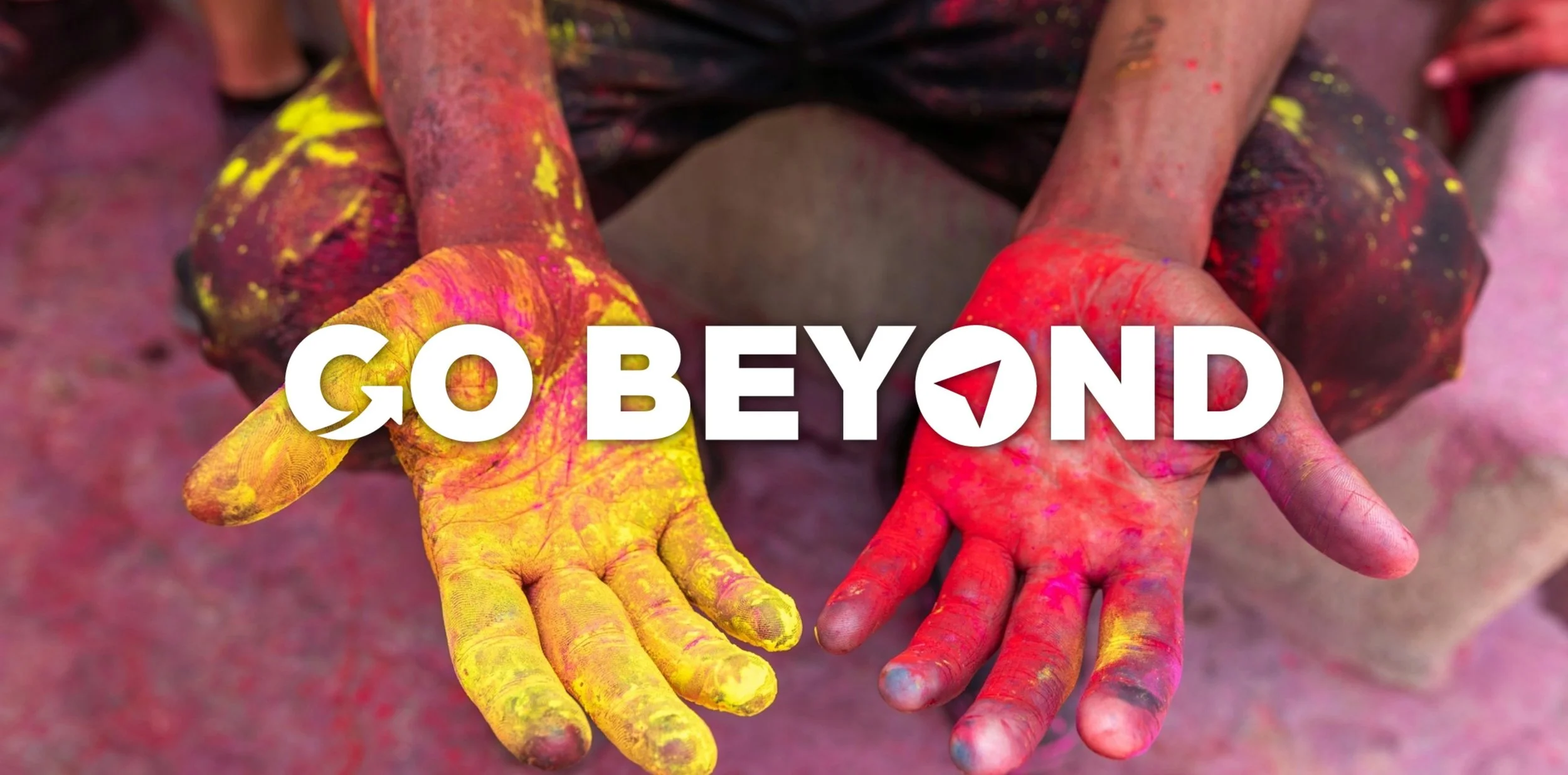
If you want to experience India at its most energetic, timing your visit around its major festivals is essential. In 2026, the Festival of Colors, Holi, will take place on March 3 and 4. This is the perfect time to witness the country transformed into a kaleidoscope of joy.
Later in the year, the Festival of Lights, Diwali, falls on November 8, 2026. Because this coincides with the peak travel month, the 'Golden Triangle' (Delhi, Agra, and Jaipur) will be in high demand. We recommend booking your heritage stays at least a year in advance to secure your spot in the heart of the celebrations.
Architectural Marvels Meet Modern Luxury
India’s heritage sites are becoming more accessible and comfortable for the 2026 season. If the ancient cave paintings of Ajanta and Ellora are on your bucket list, you’ll benefit from the upgraded airport at Chhatrapati Sambhajinagar (formerly Aurangabad) and new eco-friendly EV shuttle services designed to enhance the visitor experience.
For those seeking royal treatment, 2026 marks the full operational debut of several high-end properties. You can now look forward to staying at the Fairmont in Agra or the Waldorf Astoria in Jaipur, both of which offer a luxury gateway to the Mughal monuments. To manage crowds, major sites like Humayun’s Tomb and the Taj Mahal are introducing AI-driven digital guides and timed entry slots, ensuring your visit is as serene as possible.
A Stage for Classical Traditions
For culture enthusiasts, the Khajuraho Dance Festival is a non-negotiable addition to your itinerary. Scheduled for February 20–26, 2026, this event allows you to witness the grace of Kathak and Bharatanatyam dancers against the breathtaking backdrop of 10th-century temples. Additionally, 2026 marks the 40th anniversary of several regional music and dance festivals, including the Konark Dance Festival, promising even more spectacular lineups than usual.
Navigating 2026 Logistics: Visas and Budgets
Traveling to India is becoming more streamlined thanks to the 'Chalo India' campaign. Under this new initiative, Overseas Citizens of India (OCI) can nominate up to five foreign friends for a free e-tourist visa. Even if you aren't using a referral, the e-visa system has expanded to 51 designated ports, including new sea ports like Agatti in Lakshadweep.
A Note on Planning Your Budget: With a projected surge in high-net-worth travelers, luxury heritage stays and boutique tours are seeing a 15-20% price increase compared to previous years. This is particularly true for the November Diwali window. Planning early isn't just about availability—it’s about value.
India in 2026 is a land of profound stories, where every stone has a history and every festival is an invitation to belong. Experience the stories behind the stone. Contact our travel experts to include a guided historical tour in your trip, and explore our website for more cultural deep-dives! Contact Go Beyond Travel for a personalized consultation to start planning your 2026 heritage journey today.
#IndianHistory #CulturalHeritage #Diwali #UNESCO #Spirituality
Key Takeaways
Mark your calendars for Holi (March 3-4) and Diwali (November 8) in 2026.
Take advantage of the 'Chalo India' campaign for potential free e-tourist visas via OCI referrals.
Experience upgraded infrastructure at UNESCO sites like Ajanta and Ellora.
Plan for a 15-20% price increase in luxury heritage stays, especially during peak festival months.
Witness world-class classical dance at the Khajuraho Dance Festival in late February.
