
A Tapestry of Time: Understanding Taiwan’s Rich History and Cultural Heritage
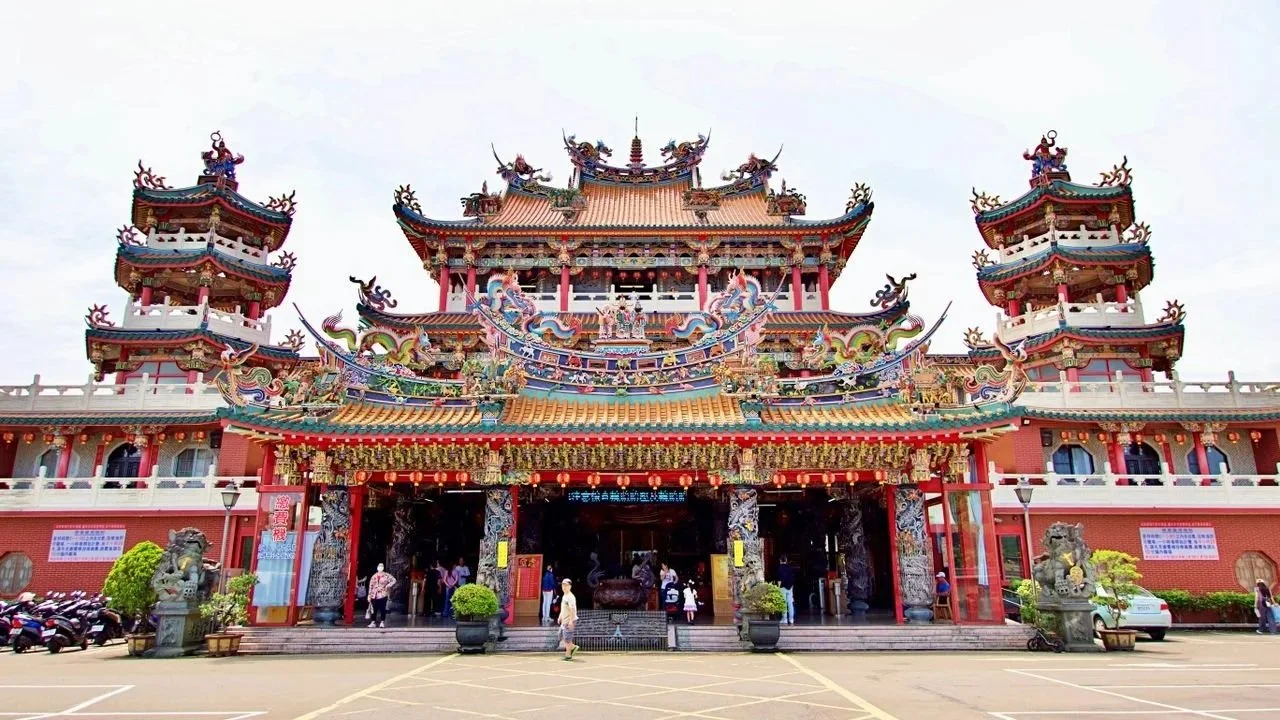
Photo by Boo Normi
You don't have to choose between museums and living traditions — Taiwan in 2026 weaves both into a single, unforgettable journey. Whether you're drawn to Indigenous harvest rituals, colonial port towns, or museum exhibitions that reframe centuries of exchange, this guide helps you turn curiosity into a confident itinerary.
Why Taiwan in 2026 feels like a living tapestry
Taiwan is rare: history isn't just preserved behind glass — it's practiced, performed and reinterpreted. In 2026 you can pair a museum morning with an afternoon in a harbor town where banyans reclaim a warehouse, then catch an evening festival light show. If that sounds overwhelming, you're not alone. Below are clear, practical ways to design a heritage-focused trip that fits your pace.
Heritage layers to center your trip
Indigenous cultures (living calendars)
Look for community-specific ceremonies and music festivals. The Amis Harvest Festival runs across different communities during July–August — dates vary by village, so confirm locally before you travel.
Note: some high-profile indigenous events (for example, the 2026 PASIWALI Festival) have schedules listed as TBD; plan with flexibility if that programming is important to you.
Maritime and colonial history
Tamsui (Fort San Domingo) and Tainan/Anping (Fort Zeelandia and the Anping Tree House) are anchor sites for visitors interested in Spain/Dutch VOC-era stories and the island's port-trade legacy.
Anping Tree House is a standout example of nature meeting history — banyan roots and maritime warehouses create a striking context for Tainan's harbor narrative.
Qing & Japanese-era urban palimpsests
Cities like Tainan and many neighborhood-scale cultural parks showcase Japanese-era civic architecture alongside adaptive reuse projects — great for walking tours and architecture-minded travelers.
2026 events worth planning around
Taiwan Lantern Festival — Chiayi County (Taibao City): March 3–15, 2026. Venues include the Southern Branch of the National Palace Museum area and Taizi Boulevard; HSR Chiayi Station access and free shuttle service make it particularly visitor-friendly.
Taiwan International Balloon Festival: July 4–Aug 20, 2026.
Yilan International Children’s Folklore & Folkgames Festival: July 4–Aug 16, 2026.
Taiwan East Coast Land Arts Festival & Moonlight Sea Concert: June 21–Sep 29, 2026.
Tip: festival dates make for busy hotels and transport. Book accommodations and key intercity links early if a festival is a must-see.
Museum-first planning (useful for culture-focused days)
The National Palace Museum (NPM) publishes a forward exhibition calendar — several timed shows run through 2026 (for example, exhibitions in January–April and exhibits scheduled for autumn and winter). Use NPM dates to structure your Taipei time so you don't miss headline exhibits.
Practical museum tip: combine a timed NPM visit with Jiufen or Pingxi day options on the same day if you're based in Taipei and comfortable with a long afternoon; otherwise split museum and small-town rituals across separate days to avoid rushing.
Practical travel considerations for 2026
Entry and visas
For U.S. travelers, visa-free stays up to 90 days remain the standard—confirm passport validity and onward/return ticket requirements before booking.
Note: the "Taiwan Talent Act 2026" addresses residence/work frameworks for longer stays and does not change typical tourist requirements; consult immigration specialists if you're planning an extended stay or working trip.
Best time to visit
For culture walking and milder weather, aim for spring or autumn shoulders—April and November are frequently recommended in 2026 guides.
Summer brings festival energy but also higher humidity and typhoon risk; plan with insurance and flexible bookings if traveling June–August.
Transport & bookings
Use Taiwan High Speed Rail (HSR) for quick city-to-city hops (Lantern Festival in Chiayi is HSR-accessible with festival shuttles).
Reserve festival-related hotels and any guided Indigenous or community visits early; many local cultural programs have limited capacity.
Sample heritage-focused mini-itineraries (3–7 days)
3-day highlights: Taipei (National Palace Museum + Jiufen tea ritual) → half-day visit to Tamsui (Fort San Domingo) for maritime history.
5-day deep-dive: Taipei (NPM) → Tamsui → Tainan (Anping Tree House + Fort Zeelandia) → optional day trip to a nearby Indigenous cultural center or coastal land-art event during summer.
Week-long option: Add train travel down the west coast and a night on the east coast to sync with the East Coast Land Arts Festival (June–Sep) or Balloon Festival dates in July–August.
Responsible & respectful travel notes
Indigenous cultural programs are living practices. Treat ceremonies with respect, arrive on time, ask permission before photographing, and buy local crafts directly from community vendors when possible.
Many heritage sites are conserved through local efforts — support them by buying tickets, guided tours, or donations where appropriate.
Packing & tech tips
Lightweight rain gear and a compact umbrella for summer/typhoon season; layers for spring/autumn evenings.
Download local transit apps, check HSR seat availability in advance, and save official festival pages and NPM exhibit pages to your phone for last-minute checks.
Taiwan in 2026 rewards close attention: festivals bloom in seasonal rhythms, museums stage rotating dialogues with the past, and heritage sites keep stories alive through everyday practice. If you want to dive deep into Taiwan's living history without the stress of piecing it together yourself, contact Go Beyond Travel for a personalized consultation. Our specialists will craft an itinerary that matches the exhibitions and community events you care about — and we’ll handle bookings, local guides, and practical details so you can focus on the experience. Want to design a heritage-focused tour? Reach out to our dedicated travel agents today, and explore our other cultural deep-dives on the blog to keep the inspiration flowing.
📦 Key Takeaways
Taiwan's cultural appeal in 2026 is a layered mix of Indigenous living traditions, maritime/colonial history, and Qing & Japanese-era architecture.
Major 2026 events to plan around: Taiwan Lantern Festival (Chiayi, March 3–15), Balloon Festival (July 4–Aug 20), Yilan Children’s Festival (July 4–Aug 16), East Coast Land Arts Festival (June 21–Sep 29).
Use the National Palace Museum's forward exhibition schedule to anchor museum days — several dated exhibitions run through 2026.
Indigenous festivals like the Amis Harvest Festival occur July–August but dates vary by community; verify local schedules close to travel.
Practical planning: U.S. passport holders generally have visa-free stays up to 90 days; best months for culture-focused visits are April and November to avoid summer heat and typhoon risk.
