
Ancestral Echoes: Exploring Mexico’s Deep History and Culture
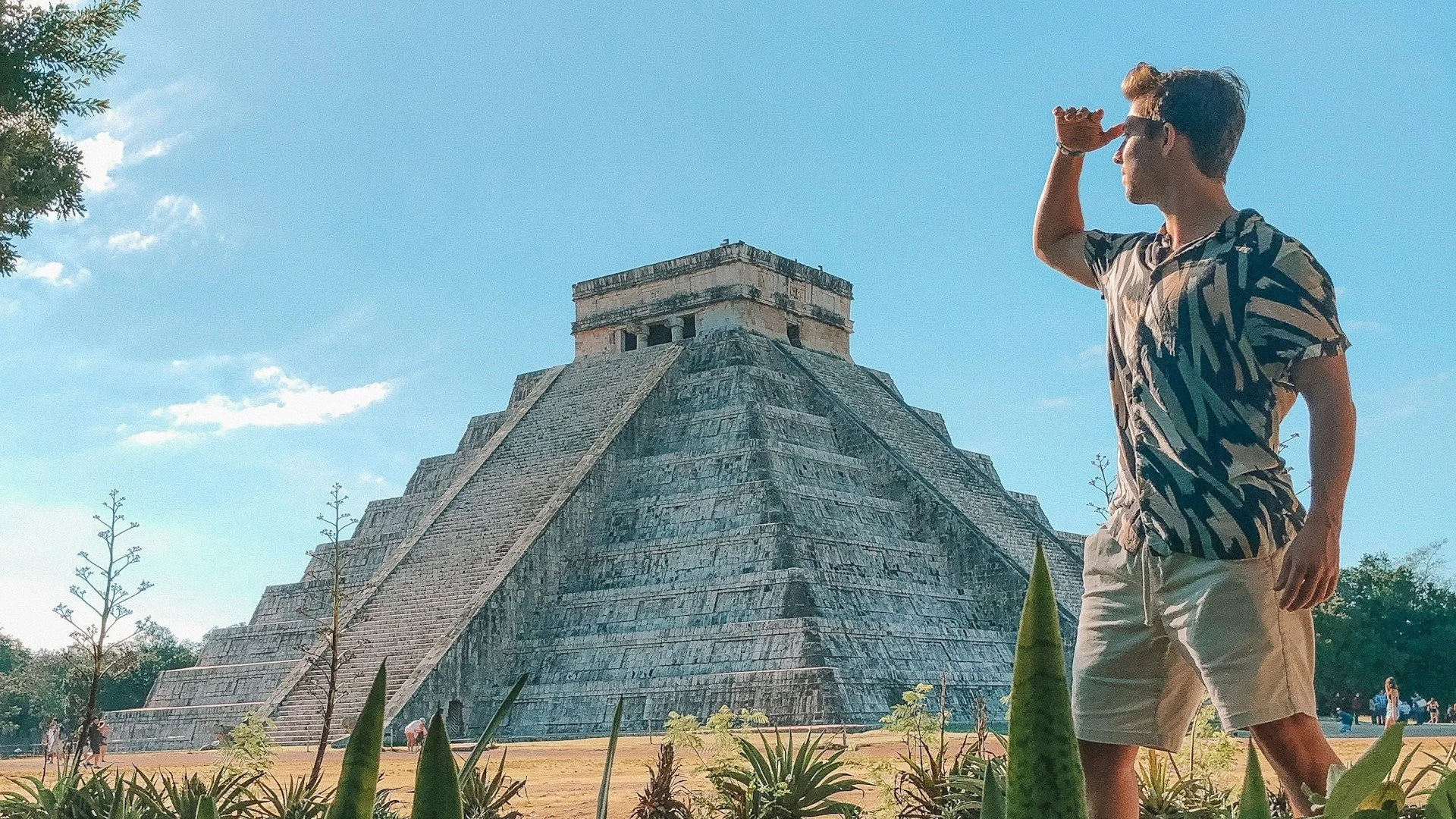
Photo by Austin Distel
Planning a trip to Mexico often feels like trying to map a dream—vibrant, layered, and occasionally overwhelming. Whether you are drawn by the rhythmic pulse of Mexico City or the silent majesty of jungle-clad ruins, 2026 is shaping up to be a landmark year for the country. From the full integration of the Tren Maya to the electric atmosphere of the FIFA World Cup, the 'Soul of Mexico' is more accessible than ever, yet it requires a thoughtful approach to navigate. In this guide, we’ll help you look beyond the typical tourist paths to discover the ancient echoes and modern marvels awaiting you in 2026.
The Ancient Heartbeat: From Templo Mayor to the Tren Maya
Your journey into Mexico’s history begins in the center of its modern capital. At Templo Mayor, the Aztec heart of Mexico City, 2026 visitors will find a site that continues to breathe. Recent excavations have revealed new ritual deposits that deepen our understanding of the dualities of Tlaloc (the rain god) and Huitzilopochtli (the war god). The adjacent museum's 2026 programming specifically highlights these dualities, offering you a rare glimpse into the Aztec worldview.
Moving toward the Yucatán, the landscape of travel has been fundamentally altered by the Tren Maya. By 2026, the entire 1,500km circuit will be fully operational. You can now transition seamlessly from the white sands of Cancún to the towering pyramids of Chichén Itzá and the deep-jungle ruins of Palenque.
🌟 Pro-Tip for the Tren Maya
While the rail system is a game-changer, keep in mind that some stations are located 20–30 minutes outside the actual archaeological sites. We recommend checking exact schedules and pre-arranging local transfers to ensure your transit is as smooth as the ride itself.
Colonial Highlands and the Art of the Soul

To truly understand the 'soul' of Mexico, you must head to the highlands. The Bajío region—comprising Guanajuato, San Miguel de Allende, and Querétaro—offers a stunning 'Old World' contrast to the coastal ruins. Here, baroque architecture and cobblestone streets tell the story of colonial heritage.
In Oaxaca, the focus remains on the intersection of craft and identity. Look for Tenango embroidery, characterized by its dense, vibrant patterns that are often mistaken for Batik, and the iconic Alebrijes. These brightly painted wooden sculptures aren't just souvenirs; they are the physical manifestation of Oaxacan folklore.
The Living Museum of Muralism

No cultural exploration is complete without the murals of Diego Rivera. In 2026, the Museo Anahuacalli will host special exhibitions showcasing Rivera’s private collection of pre-Hispanic artifacts, illustrating the direct link between ancient indigenous art and modern muralism. Don't miss the SEP building in Mexico City, which houses over 200 of his works, including the seminal Dream of a Sunday Afternoon in Alameda Central.
Navigating the 2026 Travel Landscape
2026 is not a typical travel year for Mexico. You need to be aware of two major factors that will influence your logistics:
⚽ FIFA World Cup 2026 (June 11 – July 19): Mexico City (Estadio Azteca), Guadalajara, and Monterrey will be hosting matches. If you plan to visit during these dates, expect high prices and limited hotel availability. The opening match at Estadio Azteca will be a historic event, drawing global crowds.
🛂 Digitalization & Visas: The traditional paper 'Tourist Card' (FMM) is largely a thing of the past at major airports. You will now receive a digital passport stamp. For those looking to stay longer, Mexico remains a haven for digital nomads, though the 'Temporary Resident Visa' now requires a monthly income of approximately $2,600 USD.
Festivals to Remember

If your heart is set on Dia de los Muertos, mark your calendar for October 31 – November 2, 2026. Since the dates fall on a Sunday and Monday, the peak energy for parades in Mexico City and cemetery vigils in Michoacán or Oaxaca will occur during the preceding weekend. It is a profound, UNESCO-recognized experience that requires booking at least 10–12 months in advance.
Mexico in 2026 is a land of incredible transformation, where high-speed rail meets ancient ritual and world-class sporting events sit alongside quiet colonial courtyards. While the logistics of such a dynamic year can be daunting, the rewards for the curious traveler are boundless. Want to step back in time? Contact Go Beyond Travel for a personalized consultation today and let us craft your perfect Mexican odyssey.
#MexicanHistory #MayaRuins #AztecCulture #Traditions #UNESCOSites
📦 Key Takeaways
The Tren Maya will be fully operational in 2026, connecting the Yucatán Peninsula like never before.
Mexico will co-host the FIFA World Cup from June 11 to July 19, 2026, impacting travel in major cities.
Dia de los Muertos 2026 falls on a Sunday/Monday, making the preceding weekend the peak for celebrations.
Digitalization of entry processes (FMM) is now standard at major airports like CDMX and Cancún.
