
Art, Architecture, and Art Nouveau: Discovering Belgium’s Rich Heritage
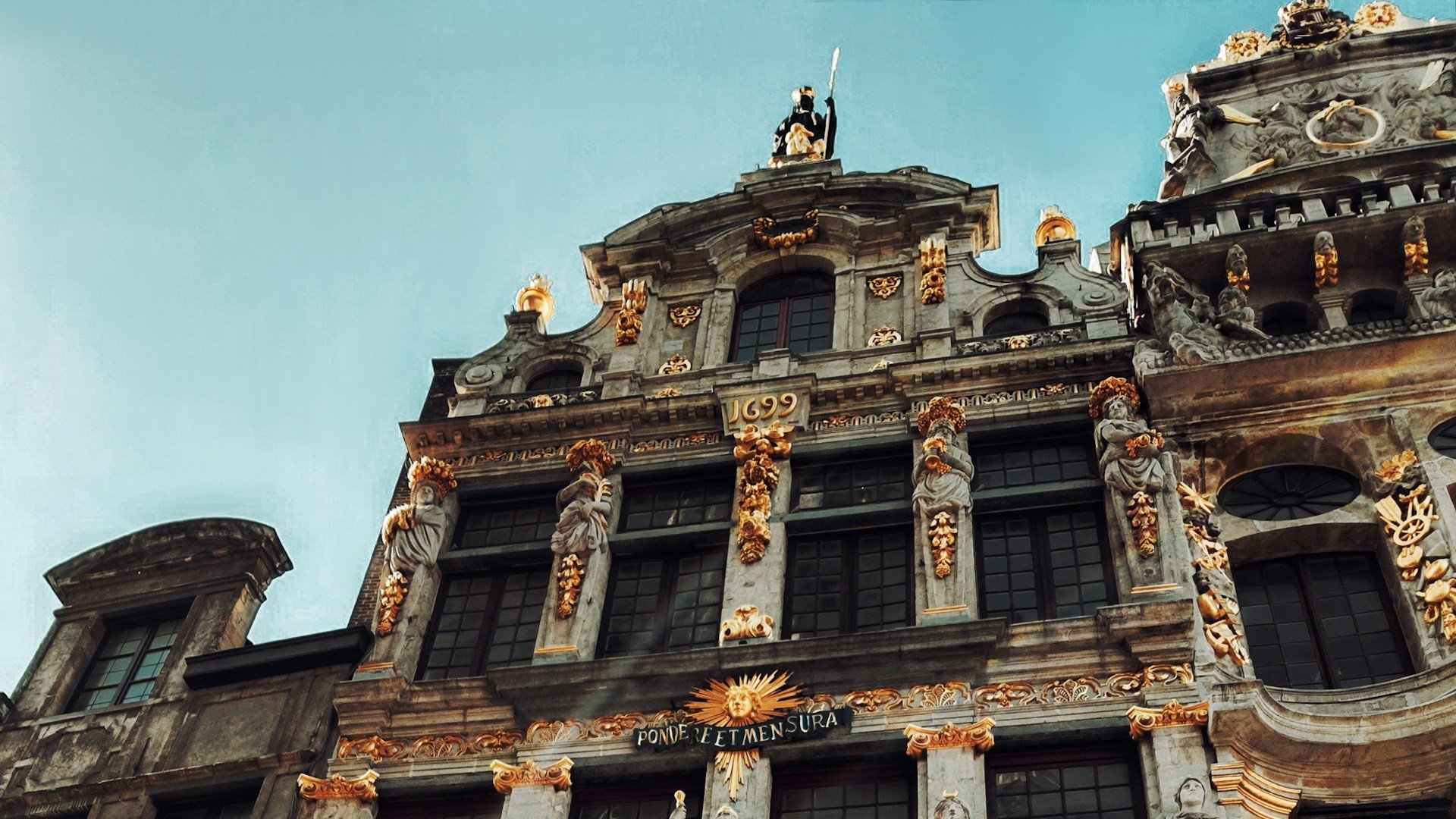
Photo by flickch
If you love architecture, layered history, and festivals that still feel alive, 2026 is a landmark year to visit Belgium. From Victor Horta's restored Art Nouveau masterpieces to guildhouse-lined squares, medieval castles with cheeky audio tours, and processions that keep centuries-old traditions breathing—this guide helps you turn inspiration into an effortless, culturally rich itinerary.
Why 2026 is a can’t-miss year for heritage travel in Belgium
You need one good reason to pick 2026: the Horta Museum's exterior restoration is scheduled to complete this year, and Brussels' BANAD Festival runs 14–29 March 2026 across three weekends, letting you see interiors usually closed to the public. Those two facts alone make 2026 a particularly rewarding year for architecture-minded travelers.
But beyond the headlines, Belgium in 2026 is alive with layers: medieval guild wealth, living folklore, comics as contemporary culture, and remembrance rituals that still move visitors.
Brussels: Victor Horta, Art Nouveau, and civic spectacle
Horta Museum and BANAD Festival
The Horta Museum (Maison & Atelier Horta) is central to any Art Nouveau itinerary. Restoration work focused on façade and bas-relief elements is due to finish in 2026, so you'll be visiting at a timely moment for newly refreshed details.
BANAD Festival (Brussels Art Nouveau & Art Deco) runs 14–29 March 2026. It provides rare access to private interiors and decorative details—book early since spots for interior visits fill fast.
Practical tips for Brussels:
Go early in the day to the Horta Museum and nearby BANAD venues to avoid afternoon crowds.
Combine BANAD interior visits with a walking loop around Ixelles/Sablon neighborhoods to see Horta details in situ.
Grand-Place and guildhouse stories
Brussels' Grand-Place remains one of Europe's most powerful displays of merchant-guild prestige. Use the ornate guildhalls to talk about how trade shaped civic identity and baroque urban design.
Ghent and Flanders: medieval power, riverfront trade, and celebration
Gravensteen — a medieval anchor
The Castle of the Counts (Gravensteen) in Ghent is visitor-ready for 2026 with updated ticketing and a memorable, humorous audio tour that adds personality to medieval stonework. Reserve timed tickets when festivals are active.
Graslei and Korenlei — merchant frontages
Ghent's riverside guild houses at Graslei and Korenlei remain an exceptionally legible 'crossroads of trade.' They are perfect for short, interpretive walks that connect facades to commerce and daily life in medieval Flanders.
Ghent Festivities (Gentse Feesten)
Ghent Festivities run 17–26 July 2026. This ten-day city-wide celebration transforms Ghent into a stage of music, street theater, and local rituals. Expect crowds and book accommodation early.
Comics, creativity, and the '9th Art'
The Belgian Comic Strip Centre sits in a Victor Horta-designed building, making it a neat cross-over stop for architecture and modern popular culture. The Centre continues rotating exhibitions and will note 2026-specific changes such as archive relocations or temporary access limits—check ahead before you go.
Why it matters for you:
Comics are living culture in Belgium. Exhibitions, pop-up talks, and themed walking routes often accompany museum programming, so you'll find fresh, contemporary angles even if you're already familiar with Tintin and friends.
Flanders Fields and remembrance
The region's remembrance landscape remains active in 2026, anchored by recurring rituals such as the Last Post at the Menin Gate in Ypres. VISITFLANDERS frames these places as sites of respectful reflection—plan visits for sunrise or sunset moments and allow time for interpretation.
Living folklore and festival planning
Ommegang in Brussels is set for Wednesday 1 July and Friday 3 July 2026; extended festivities at Sablon run 1–4 July. It offers grand processions and living reenactment—an excellent example of heritage actively performed.
Note timing conflicts and crowding: Tomorrowland runs 17–19 and 24–26 July 2026, overlapping Ghent Festivities. If you travel in July, book transport and lodging well in advance and expect a July premium for rates and train reservations.
Practical 2026 travel essentials (documentation, tickets, booking)
From 10 April 2026 the EU Entry/Exit System (EES) updates apply and Belgium requires an online arrival declaration via the My Address in Belgium platform within three days of arrival for short stays (up to 90/180). Follow the official guidance and keep your confirmation handy.
ETIAS is still expected in 2026 but treat it as 'projected' until EU channels confirm exact timing—monitor official announcements.
Book festival access (BANAD, Ommegang, Ghent Festivities) and museum timed-entry tickets early. If you want interior access during BANAD, secure reservations as soon as booking opens.
Expect July price and crowd surges where Tomorrowland overlaps with other cultural events; consider shifting urban sightseeing to weekdays or the festival-free weekends.
Quick sample 3-day cultural itinerary (compact and practical)
Day 1 — Brussels
Morning: Horta Museum and Horta-designed comic museum exterior.
Afternoon: Grand-Place and guildhouse walk; evening at a local brasserie near Sablon.
Day 2 — Brussels to Ghent
Morning: BANAD interiors (if visiting in March) or an Art Nouveau walking tour.
Afternoon: Train to Ghent; riverside walk at Graslei/Korenlei.
Evening: Nighttime canal views and local dining.
Day 3 — Ghent
Morning: Gravensteen with the humorous audio tour.
Afternoon: Museums or a relaxed festival visit if you’re there for Gentse Feesten.
Accessibility, etiquette, and respectful visiting
When visiting remembrance sites such as Flanders Fields and the Menin Gate, follow local guidance: dress respectfully, keep noise to a minimum around memorial rituals, and allow time for ceremonies like the Last Post.
For living folklore (Ommegang, Gentse Feesten), follow crowd-safety advice, respect performers, and check schedules ahead to avoid long waits.
Final planning checklist before you book
Confirm Horta Museum availability post-restoration and reserve BANAD interior tours early.
Make arrival declaration on My Address in Belgium within three days of entry (effective 10 April 2026).
Monitor ETIAS announcements and your airline for entry updates.
Book hotels and trains early in July to avoid Tomorrowland and Ghent Festivities surges.
Check Comic Strip Centre programming notes for temporary access changes due to archive work.
If planning feels overwhelming, that’s normal—there are many moving parts in a culturally rich trip. Use a planner to lock tickets and dates, and consider a guided option if you want deeper context without the hassle of piecing everything together yourself.
Belgium in 2026 rewards travelers who care about craft, context, and the thrill of discovery. From the newly refreshed Horta Museum to festival weekends that let you step inside living traditions, this year brings timely reasons to visit. If you want to step back in time and explore architectural masterpieces with a certified historian, reach out to our dedicated travel agents to lock in premium cultural itineraries. Contact Go Beyond Travel for a personalized consultation, and while you map out your trip, explore our other heritage deep-dives on the blog to fuel your wanderlust.
📦 Key Takeaways
Horta Museum restoration is due to complete in 2026—perfect timing for Art Nouveau fans.
BANAD Festival (14–29 March 2026) opens normally-closed Art Nouveau and Art Deco interiors across Brussels.
Book around major festivals: Ommegang (1 & 3 July 2026; Sablon 1–4 July) and Ghent Festivities (17–26 July 2026).
Tomorrowland (17–19 & 24–26 July 2026) affects July crowds and prices—plan early if visiting in July.
From 10 April 2026 travelers from the U.S. must follow the EU Entry/Exit System guidance and submit an online arrival declaration via My Address in Belgium within three days of arrival.
The Comic Strip Centre links Horta architecture to Belgium's living comics culture; expect rotating programming and temporary access notices in 2026.
Flanders' remembrance landscape remains active—Last Post at the Menin Gate and curated sites offer respectful, reflective visits.
