
Beyond Bali: 5 Must-Visit Destinations in Indonesia for your 2026 Adventure
Original photo by Jeremy Bishop
Imagine standing on the edge of a prehistoric world where dragons roam, or watching thousands of lanterns drift into the starlit sky above an ancient stone temple. Indonesia has always been a land of magic, but as we look toward 2026, the archipelago is evolving. While Bali remains a beloved gateway, the true soul of Indonesia lies in its diverse islands, hidden calderas, and vibrant marine sanctuaries. We know that planning a trip across 17,000 islands can feel overwhelming, especially with new regulations on the horizon. That’s why we’ve curated this guide to help you navigate the changing landscape of Indonesian travel with confidence and inspiration.
Planning Your 2026 Indonesian Escape
Before you pack your bags, there are a few practical updates for the 2026 season. The good news? Traveling to Indonesia is becoming more affordable, with airfare to Jakarta and Denpasar projected to ease by 10% compared to previous years.
However, Indonesia is shifting toward a "High-Value, Low-Impact" tourism model. This means you'll encounter more visitor caps and mandatory guided experiences designed to preserve the country’s natural and cultural heritage. You will still need your e-VOA (Electronic Visa on Arrival), and if you are visiting Bali, the IDR 150,000 ($10 USD) Tourism Levy remains mandatory for all foreign arrivals.
1. Ubud & Central Bali: The Cultural Heart
Ubud remains the spiritual center of Bali, but timing your visit is crucial in 2026.
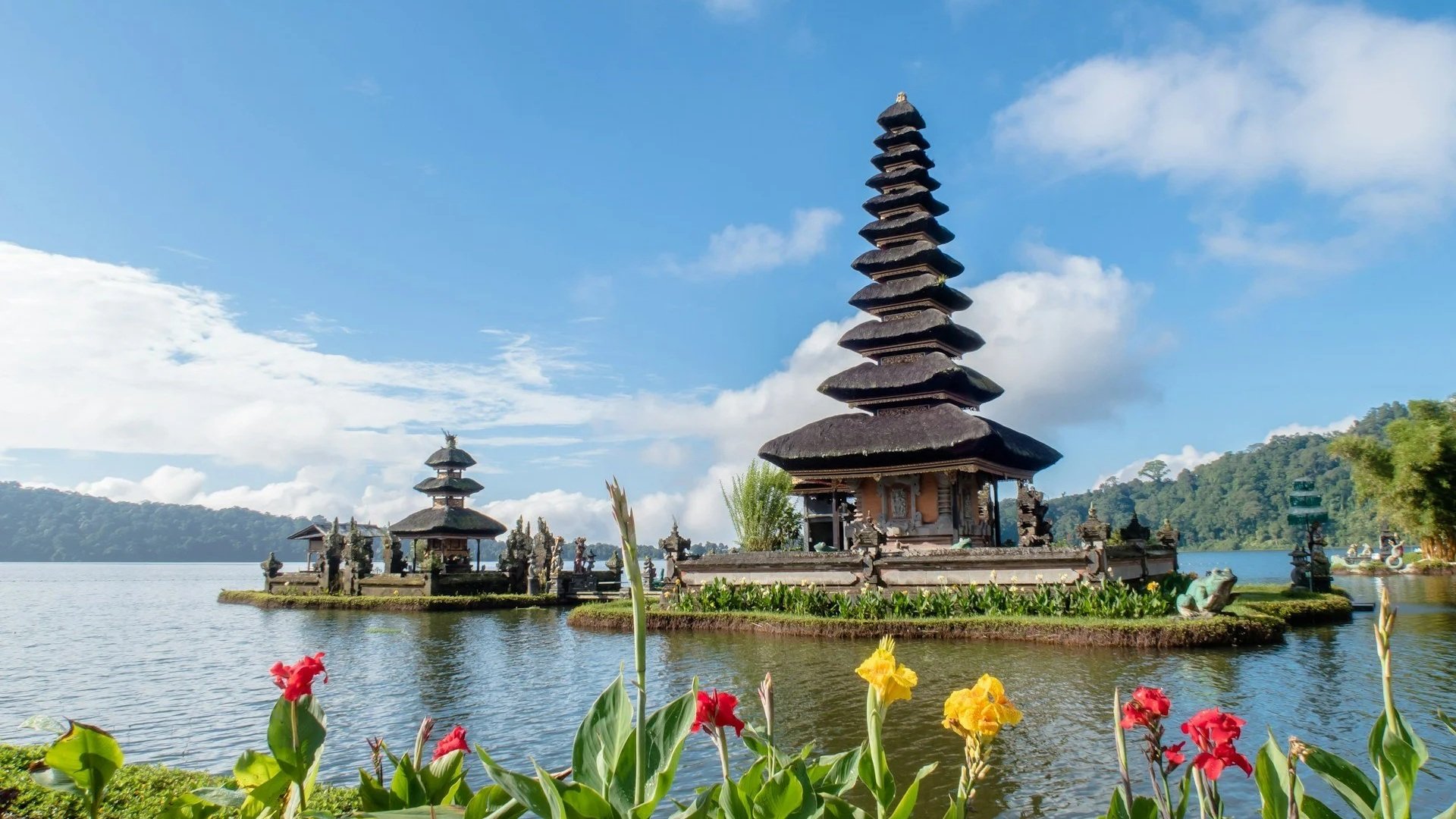
Photo by Sebastian Pena Lambarri
The Date to Know: March 19, 2026, is Nyepi, the Balinese Day of Silence. The entire island shuts down—no lights, no travel, and even the airport closes.
The Experience: If you are in Ubud during this time, you will experience a profound, meditative stillness. Just be aware that Idul Fitri (March 21–22) follows immediately after, which will lead to a surge in domestic travel and limited public transport. Plan to stay put and soak in the culture.
2. Borobudur & Central Java: Spiritual Grandeur
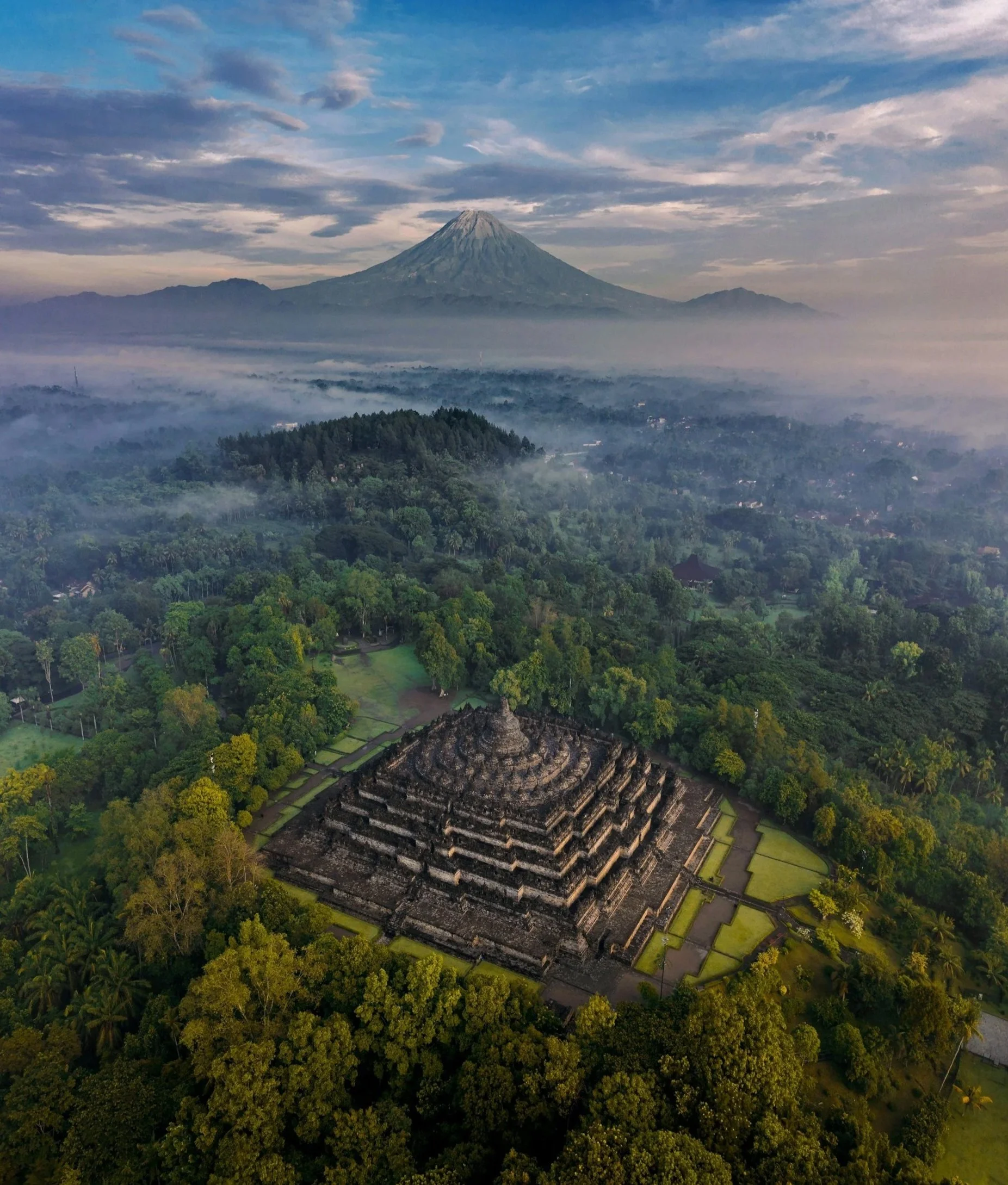
Photo by alea Film
Borobudur is more than a monument; it’s a journey through Buddhist cosmology. By 2026, the conservation efforts established in recent years will be the gold standard.
The Climb: If you want to climb the temple structure, you must secure a "Sub-Structure" ticket. These are limited to 1,200 people per day and include mandatory "Upanat" sandals and a local guide.
Pro Tip: Visit during Waisak (May 31 – June 1, 2026). This is the most significant spiritual event in Java, culminating in a breathtaking lantern release at the temple.
3. Komodo National Park: The Dragon’s Realm
This is perhaps the biggest change for the 2026 season. To protect the fragile ecosystem, the Indonesian Ministry of Environment and Forestry is implementing a strict 1,000-visitor daily cap starting in April 2026.
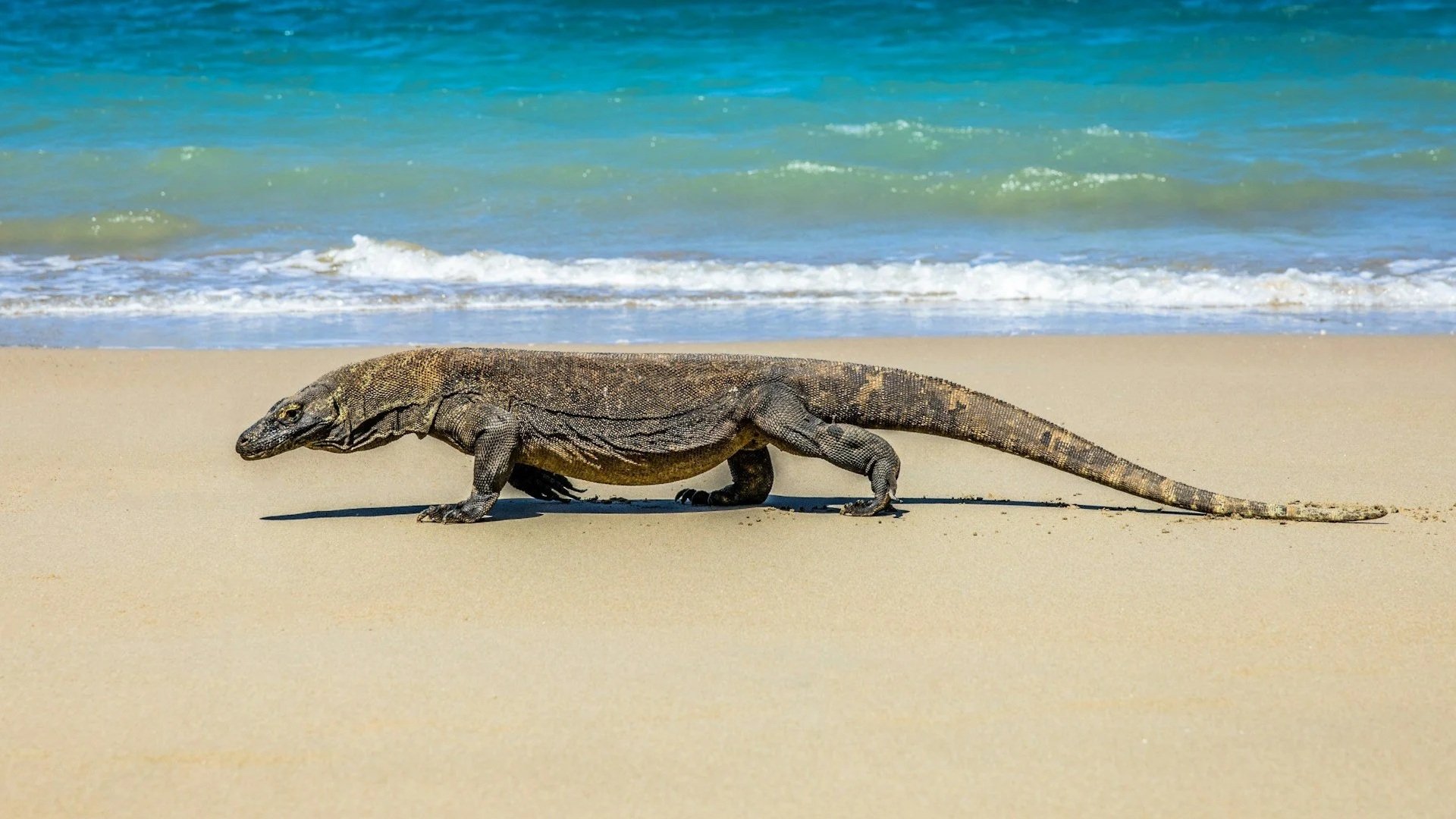
Photo by Mitch Hodiono
Book Ahead: You can no longer show up and hope for a spot. You must book your "Komodo Permits" months in advance via the official digital system.
Best Time to Visit: April to October offers the best weather and underwater visibility for those looking to dive with manta rays.
4. Mount Bromo: A Volcanic Sunrise
Standing in the Sea of Sand as the sun rises over Mount Bromo is a bucket-list staple. In 2026, expect a cleaner, more sustainable experience as "Zero Waste" enforcement becomes stricter at the caldera.
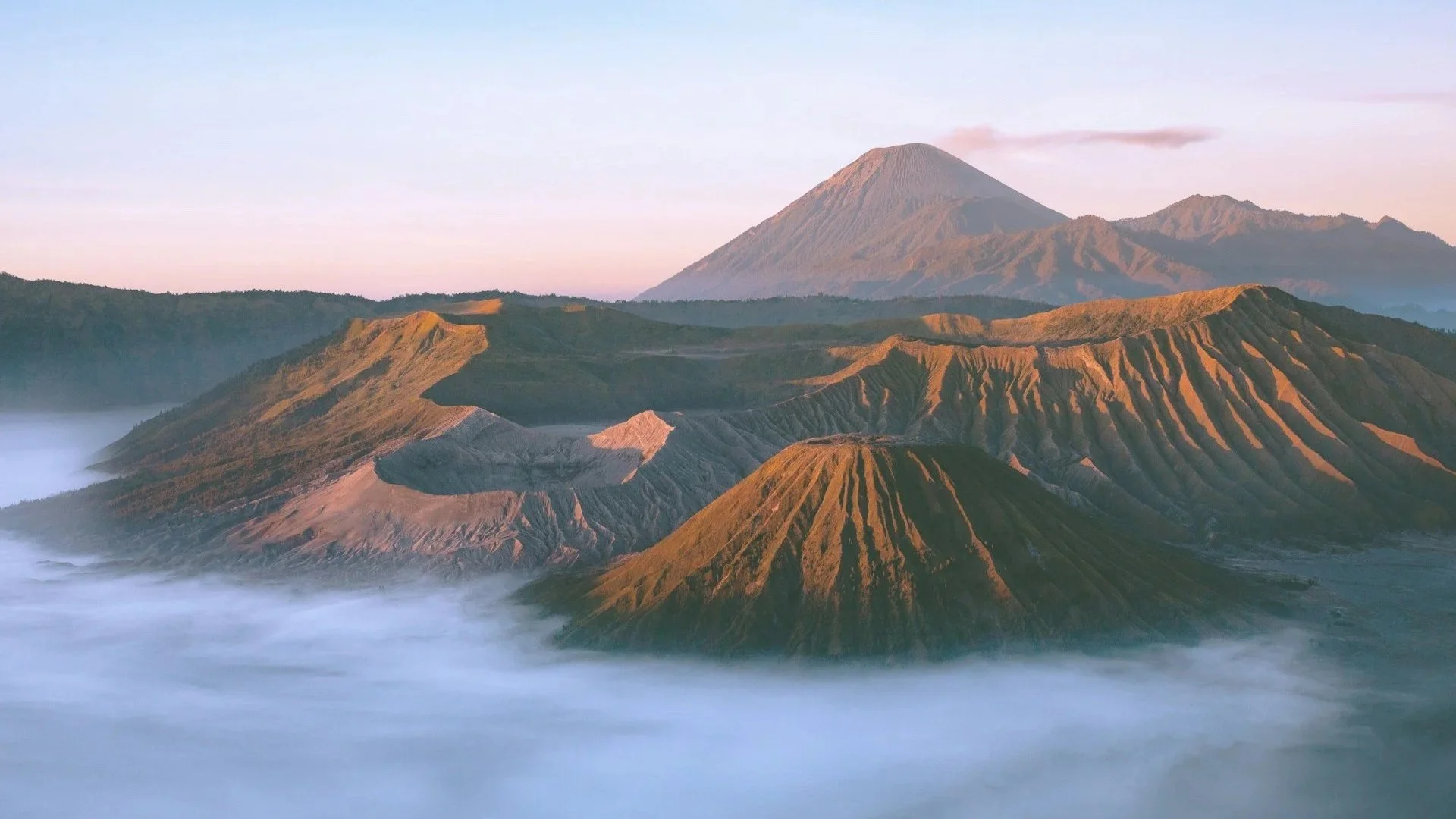
Photo by Thomas Ciszewski
The Journey: While there are ongoing discussions regarding a cable car, the iconic motorized jeep tours remain the primary way to reach the sunrise viewpoints.
When to Go: The dry season from May to September ensures the clearest views of the smoking crater.
5. Raja Ampat: The Last Paradise
For those seeking the ultimate off-the-beaten-path experience, Raja Ampat remains the world's epicenter of marine biodiversity.
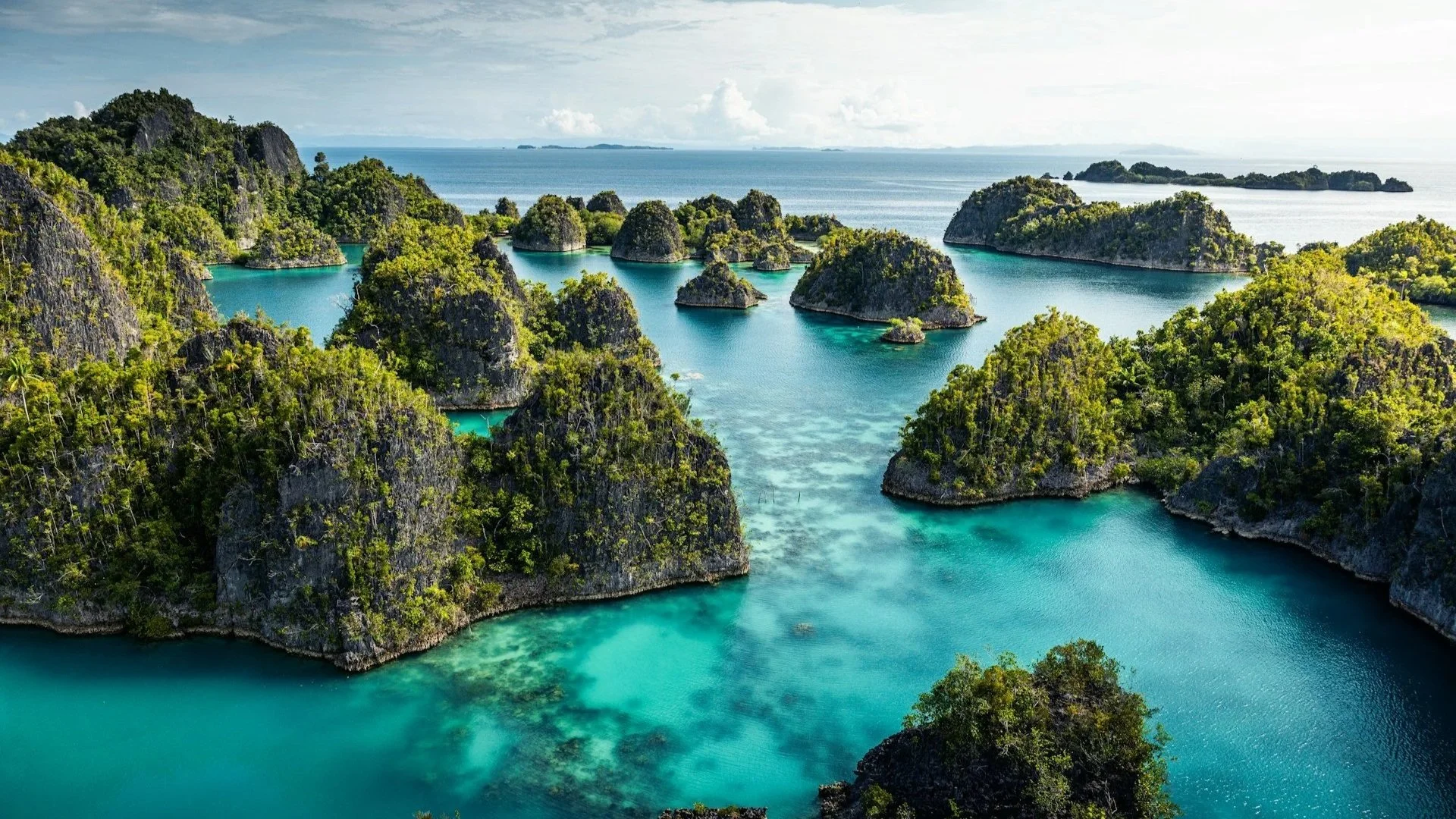
Photo by Simon Spring
The Trend: 2026 will see an increase in luxury expedition cruises focusing on "Blue Carbon" tourism. These trips don't just show you the reefs; they focus on the conservation of seagrass and mangroves.
The Season: Visit between October and April for the calmest seas, perfect for exploring the limestone karsts by boat.
Indonesia in 2026 offers a unique blend of ancient tradition and forward-thinking sustainability. While the new visitor caps and travel dates require a bit more foresight, the reward is a deeper, more intentional connection with one of the most beautiful places on Earth.
Dreaming of an island-hopping adventure? Explore our other regional guides for more inspiration, and contact Go Beyond Travel for a personalized consultation to build a custom Indonesian itinerary that fits your bucket list!
#Indonesia #Bali #KomodoIsland #RajaAmpat #Borobudur #TravelGuide
📦 Key Takeaways
International airfares to Indonesia are projected to drop by approximately 10% in 2026.
A strict 1,000-visitor daily cap begins at Komodo National Park in April 2026.
March 2026 features a rare overlap of Nyepi (Day of Silence) and Idul Fitri, requiring careful logistical planning.
New 'High-Value, Low-Impact' tourism rules mean mandatory guides and visitor limits at major sites like Borobudur.
