
Beyond the Beaten Path: Portugal’s 5 Most Iconic Destinations for 2026
Original photo by Hongbin
Portugal has long been Europe’s best-kept secret, but in 2026, it is stepping into the spotlight as the ultimate destination for travelers seeking a blend of historic grandeur and modern innovation. From the mist-covered palaces of Sintra to a world-first underwater art gallery in the Algarve, Portugal is no longer just a place to visit—it’s a place to experience deeply. If you're looking for a destination that honors its past while embracing a sustainable future, your 2026 journey starts right here.
Lisbon: The City of Seven Historic Hills
Lisbon remains the heartbeat of Portugal, but in 2026, the focus has shifted from the crowded centers to the revitalized creative hubs of Marvila and Xabregas. While the iconic yellow trams still rattle through the Alfama, travelers are now heading to the city’s east side for contemporary art galleries and craft breweries housed in old industrial warehouses.
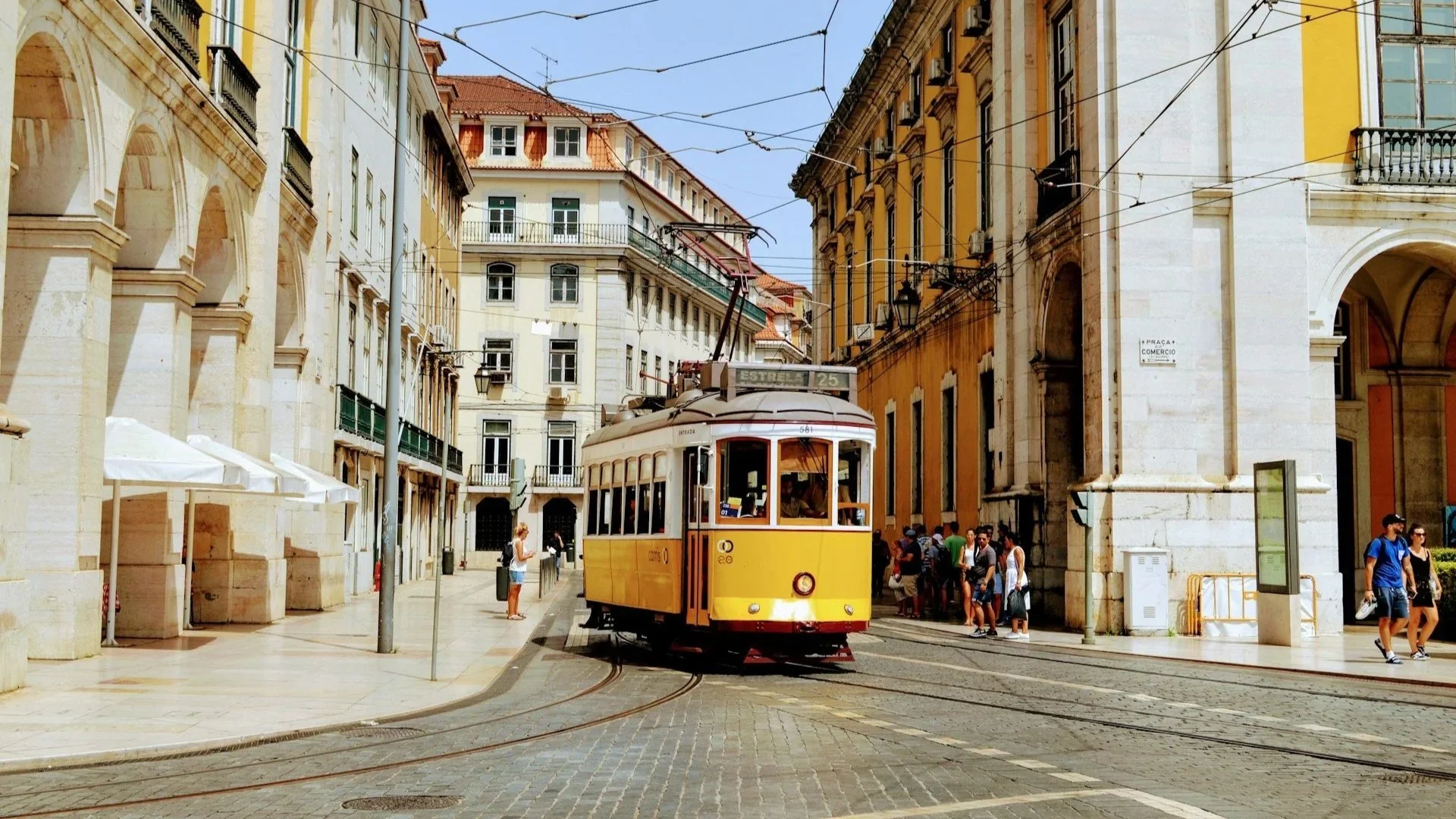
Photo by Aayush Gupta
2026 Tip: Use the newly integrated "Lisbon Pass" for seamless access to both the historic Santa Justa Lift and the burgeoning modern art scene.
Don't Miss: Sunset at the Miradouro da Senhora do Monte for the most panoramic view of the castle and the Tagus River.
Porto: Riverside Soul and the World of Wine
Porto’s allure lies in its granite architecture and its "soul" found along the Ribeira. For 2026, the Vila Nova de Gaia side of the river has fully matured into a global wine destination. The "World of Wine" (WOW) district offers immersive museums that explain why the Douro Valley is the oldest demarcated wine region in the world.
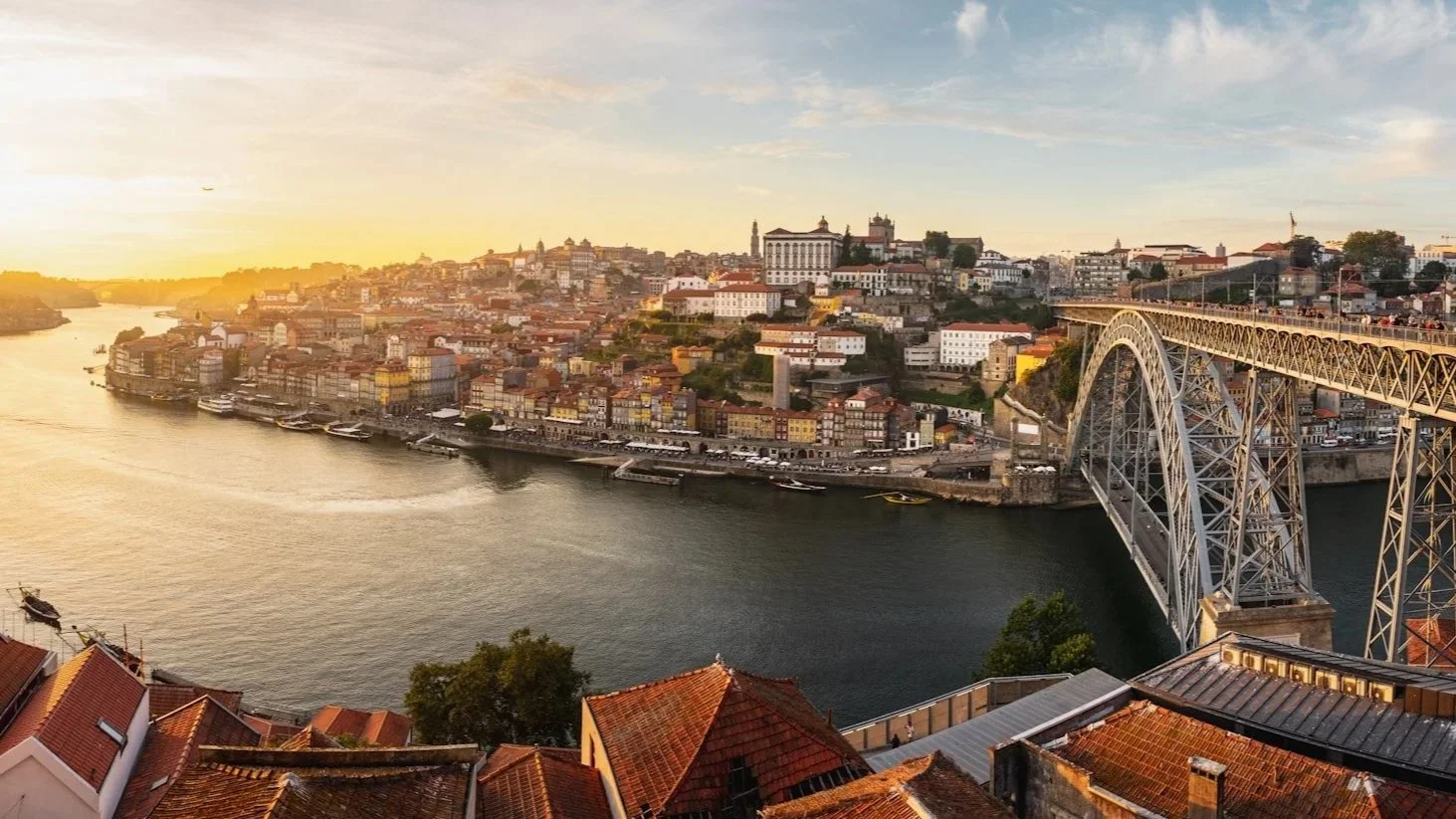
Photo by Daniel Seßler
2026 Tip: Porto is seeing a surge in "Workation" facilities. If you are a digital nomad, the new riverfront co-working spaces offer the best office views in Europe.
Sintra: A Fairytale Reality
Just a short train ride from Lisbon, Sintra feels like a page from a storybook. The Pena Palace and Quinta da Regaleira are iconic, but for 2026, the focus is on "Quiet Sintra." This involves exploring the lesser-known Monastery of the Capuchos—a cork-lined sanctuary that offers a stark, beautiful contrast to the flamboyant palaces nearby.
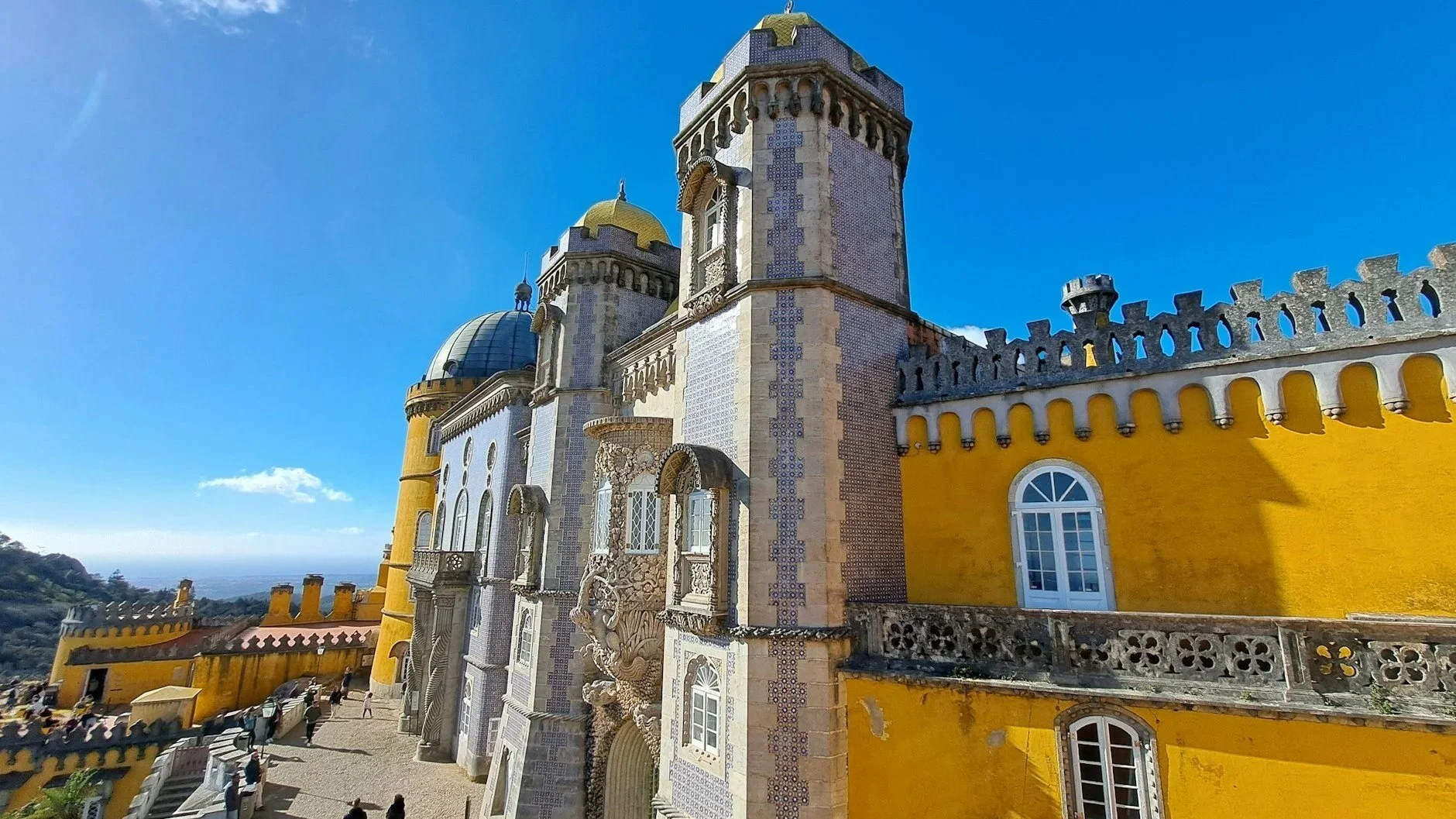
Photo of The Pena Palace by Sergio Guardiola Herrador
Practical Note: Timed-entry tickets for 2026 are strictly enforced. We recommend booking your slot at least 3 months in advance to ensure you don't miss the colorful towers of Pena.
The Algarve: Cliffside Beaches and the Vhils Underwater Reef
The Algarve is famous for its golden limestone cliffs and turquoise waters, but 2026 introduces a groundbreaking cultural attraction: the EDP Art Reef by Vhils. Located off the coast of Albufeira, this underwater sculptural gallery features 13 massive installations created from decommissioned power plant parts.
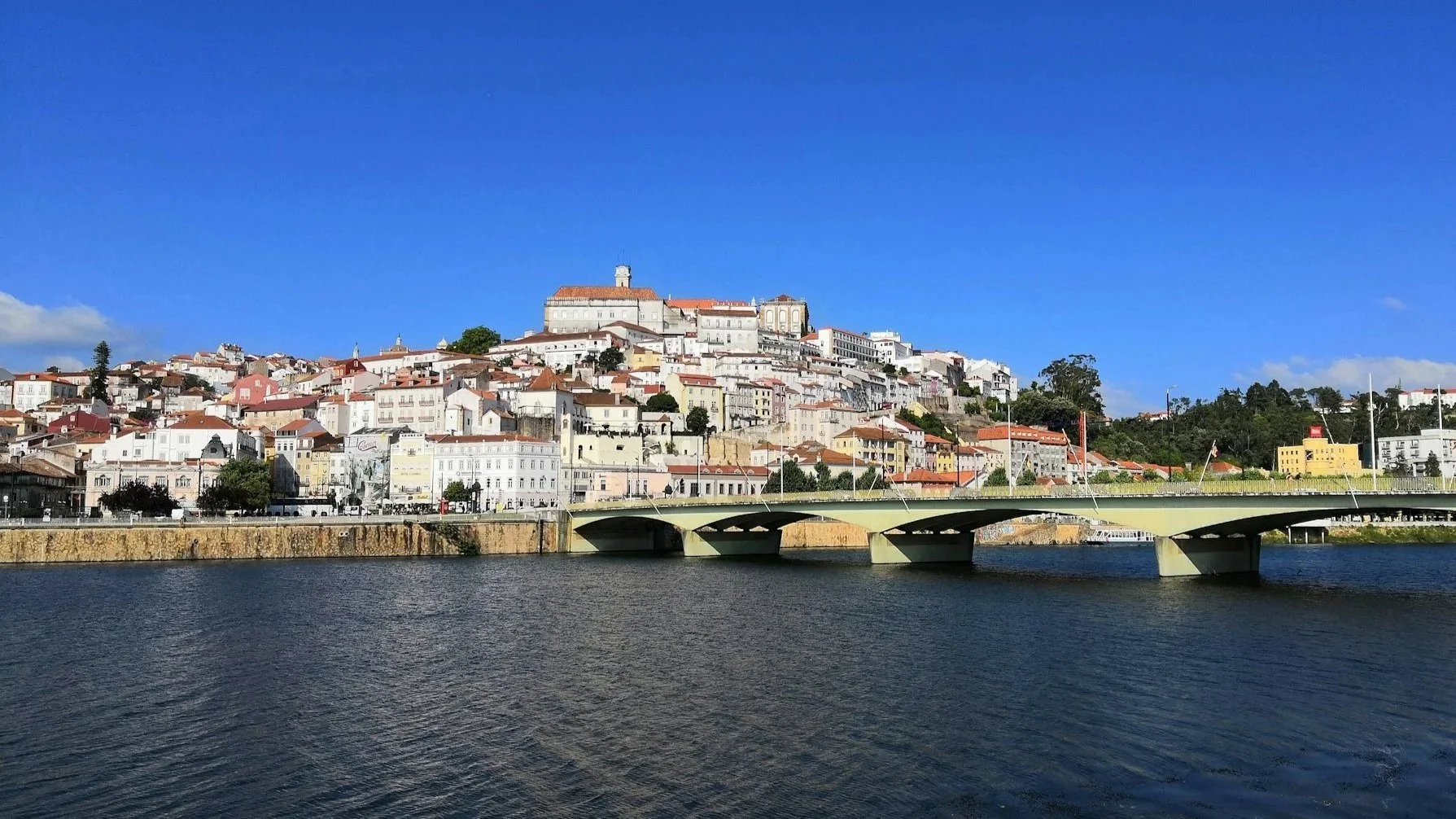
Photo by Antonio Sessa
For Divers: This is a world-first sustainable reef where art and marine biology collide.
For Beachgoers: Head to Praia da Marinha early in the morning to experience one of the world's most beautiful beaches before the midday sun (and crowds) arrive.
The Alentejo: The "New Tuscany" for Slow Travel
If you want to escape the hustle, the Alentejo is your sanctuary. Often called the "New Tuscany," this region is defined by rolling plains of cork oaks, sprawling vineyards, and a pace of life that prioritizes the "now." 2026 sees a rise in Agrotourism, where you can stay on working farms and participate in the olive harvest or wine pressing.
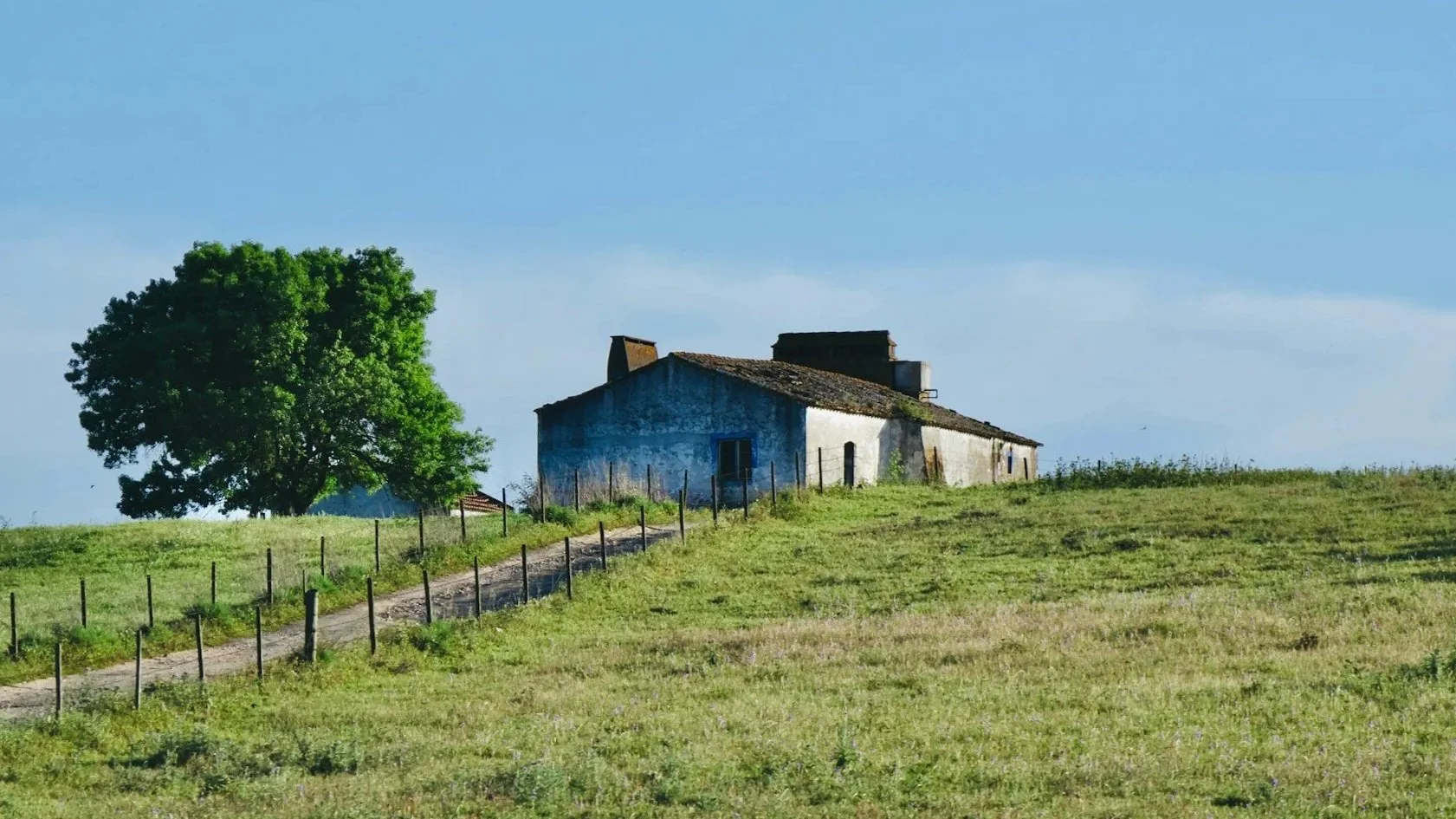
Photo by Joao
Highlight: Visit Évora, a UNESCO World Heritage city, to see the Roman Temple and the eerie yet fascinating Chapel of Bones.
Slow Travel Tip: Rent an electric car; the Alentejo’s flat roads and new 2026 charging infrastructure make it the perfect region for a sustainable road trip.
2026 Travel Requirements: The ETIAS Update
For travelers visiting from outside the EU (including the US, UK, and Canada), remember that the ETIAS (European Travel Information and Authorisation System) is mandatory in 2026. Ensure you apply online at least a few weeks before your flight to avoid any boarding delays.
Portugal in 2026 is a masterclass in balancing its rich heritage with forward-thinking sustainability and art. Whether you're diving into Vhils' underwater world or sipping a full-bodied red in the Alentejo, this country offers a depth of experience that few other destinations can match. Which of these regions is on your 2026 bucket list? Let us know in the comments!
Ready to turn these dreams into a reality? Planning a trip to Portugal requires attention to detail—from timed palace entries to exclusive vineyard tours. Contact Go Beyond Travel today, and let our experts craft your perfect 2026 Portuguese itinerary!
#Lisbon #Porto #Algarve #HiddenGems #PortugalGuide #BeachDestinations
📦 Key Takeaways
EDP Art Reef (Algarve): A premier 2026 destination by artist Vhils, blending scuba diving with contemporary art.
Alentejo Region: Emerged as the "New Tuscany," focusing on high-end agrotourism and a slower lifestyle.
ETIAS Requirements: Non-EU travelers must now complete ETIAS documentation for entry starting in 2026.
Sintra Palaces: Timed-entry tickets are now mandatory; it is best to book 3–6 months ahead.
Marvila District: Known as "New Lisbon," this area offers a modern cultural scene away from the main tourist crowds.
