
Beyond the Maple Leaf: Understanding the Tapestry of Canadian Identity
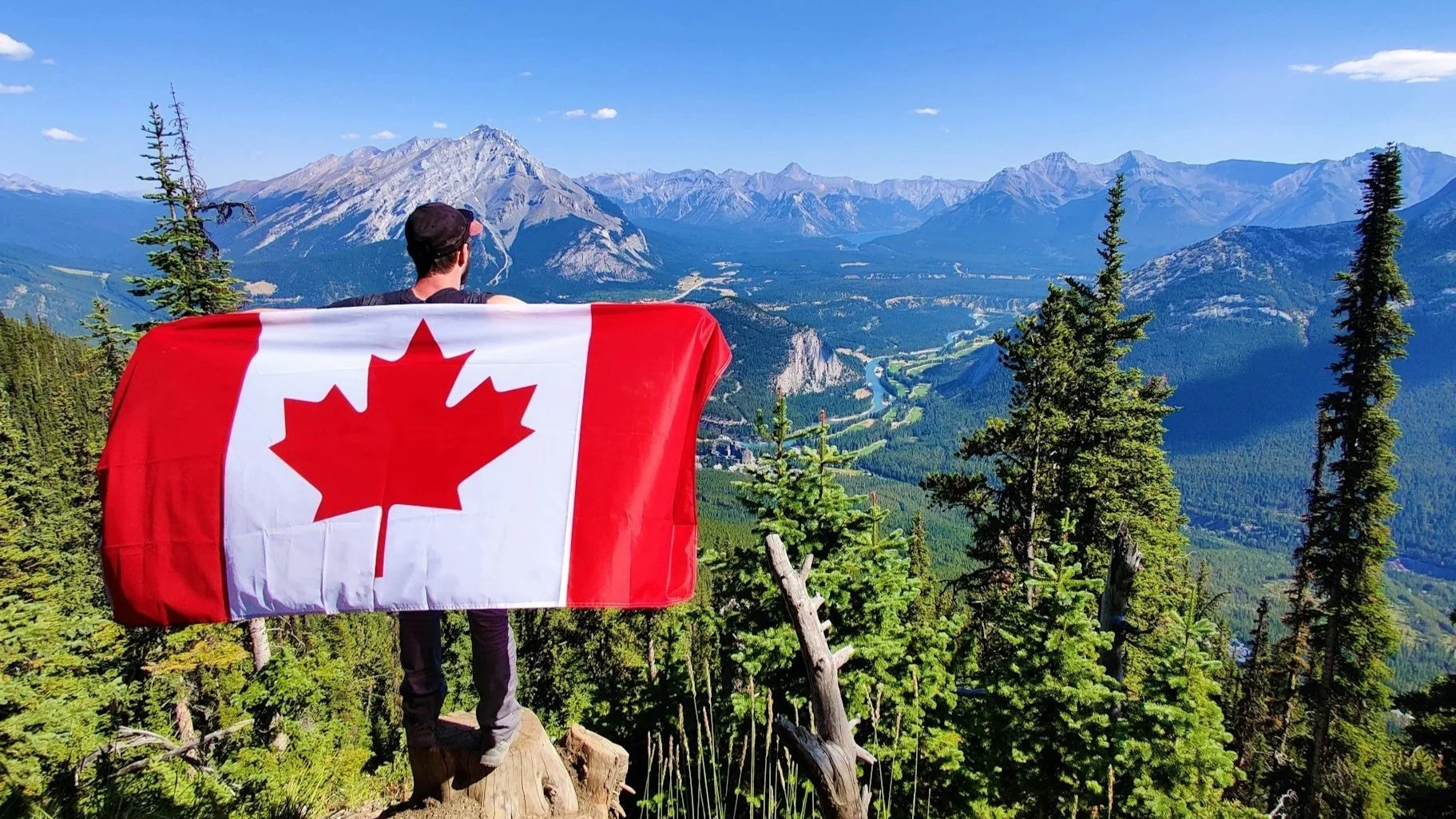
Photo by Maxime Doré
Canada is often simplified to its postcard-perfect landscapes—towering Rockies, turquoise lakes, and the iconic maple leaf. But as we look toward the 2026 travel season, the true allure of the Great White North lies in its complex, multi-layered identity. In 2026, Canada will step onto the global stage as a co-host of the FIFA World Cup, yet away from the roar of the stadiums, a deeper story is being told. It is a story of Indigenous resurgence, bilingual duality, and a multicultural mosaic that is constantly redefining what it means to be Canadian. Join us as we go beyond the surface to explore the cultural heartbeat of this vast and welcoming nation.
The Roots: A Living Indigenous Heritage
To understand Canada in 2026 is to look far beyond its 1867 confederation. The cultural heartbeat of the nation begins with the First Nations, Inuit, and Métis peoples, whose connection to the land spans millennia. In 2026, travel is increasingly focused on "Truth and Reconciliation," with visitors seeking authentic, Indigenous-led experiences.
* Photo by Naz Israyelyan
Northern Quebec & Newfoundland: These regions are seeing a surge in 2026 bookings, offering deep dives into Inuit culture and the rugged traditions of the Atlantic coast.
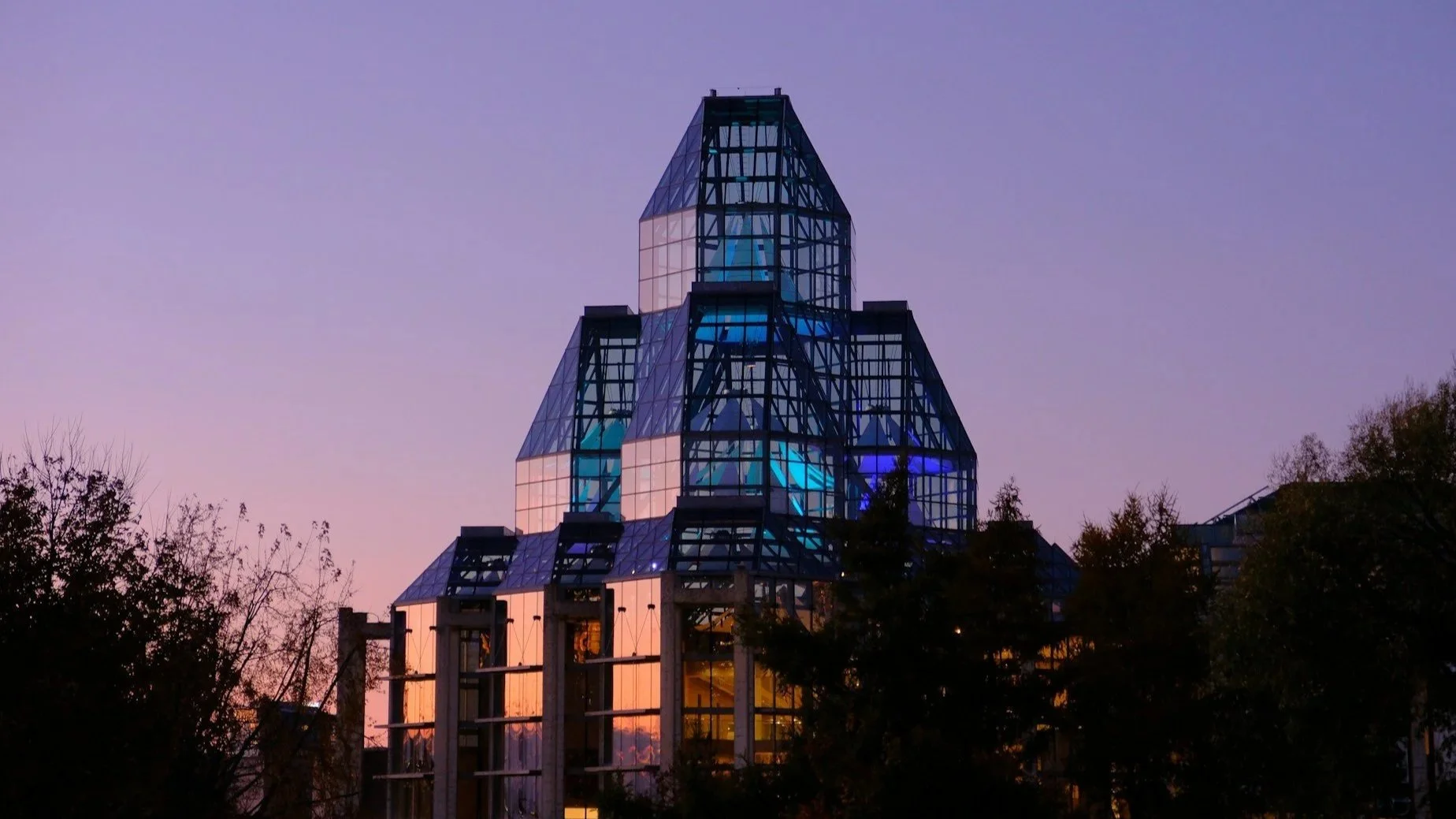
*The National Gallery of Canada: Plan a visit to Ottawa between June and September 2026 for the Qillaniq exhibition, a powerful showcase of Indigenous artistry.
The Duality: A Bilingual Soul
The "tapestry" of Canada is woven with the vibrant threads of its French and English duality. Nowhere is this more palpable than in Quebec. In 2026, the province continues to be a bastion of art, gastronomy, and joie de vivre.
* Photo by Rich Martello
Montreal Jazz Festival (June 25 – July 4, 2026): This iconic event remains the best way to experience the city's cosmopolitan flair.
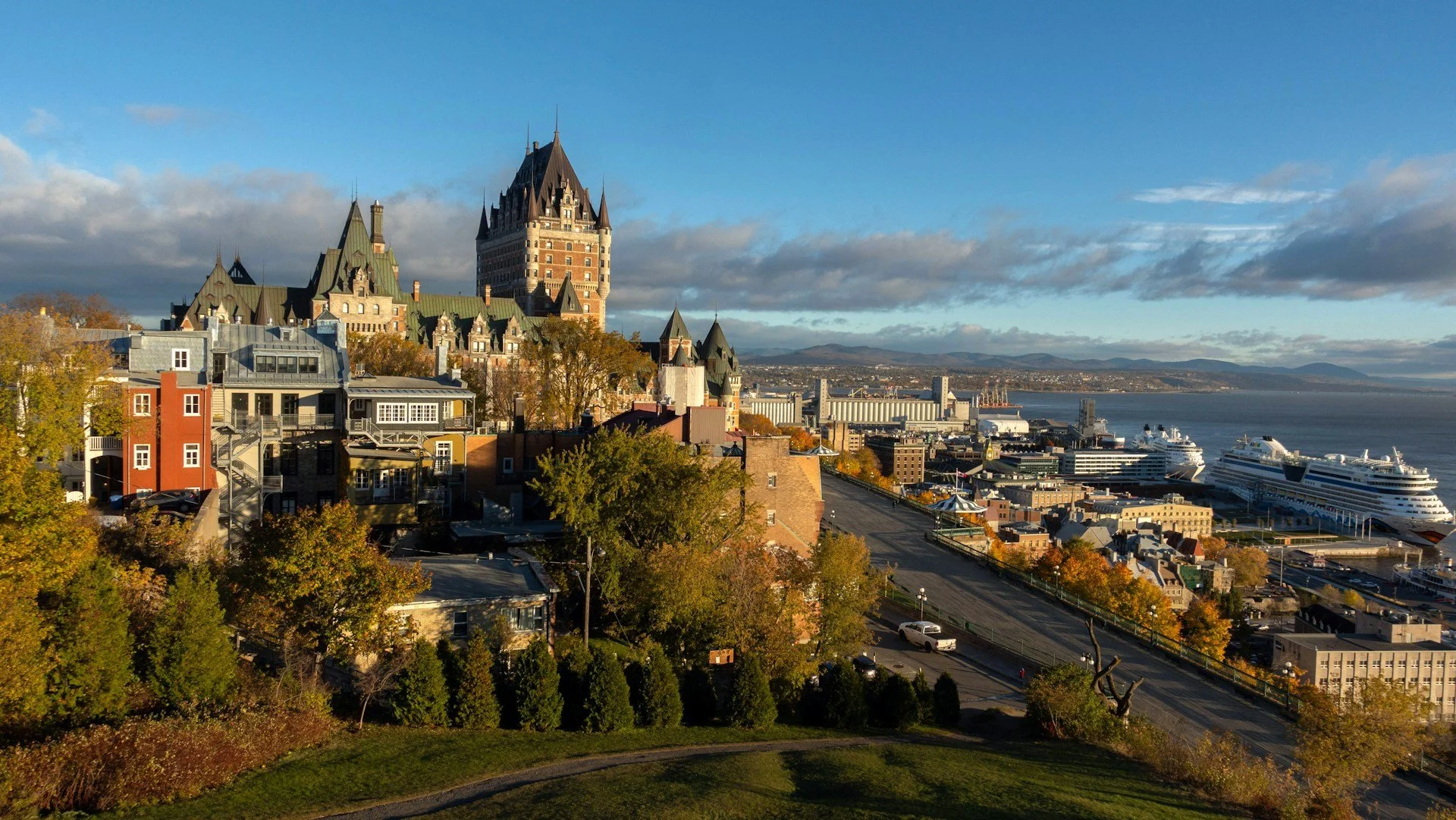
Old Quebec City: Walking through the cobblestone streets of Petit-Champlain feels like stepping into a living history book, where the French language and European-style traditions remain fiercely preserved and proudly shared.
2026: The World Stage and Modern Identity

Photo by My Profit Tutor
2026 marks a transformative year as Canada co-hosts the FIFA World Cup. Matches in Toronto and Vancouver will act as a magnifying glass on Canada's modern identity—a multicultural mosaic that prides itself on inclusion and global connection.
While the stadiums roar, the "daily life" of Canadians reflects this diversity through food and art. From the bustling night markets of Richmond, B.C., to the vibrant Caribbean festivals in Toronto, the modern Canadian identity is one that celebrates where you came from as much as where you are.
Practical Tips for Your 2026 Cultural Journey
✅ Book Early for World Cup Cities: If you plan to visit Toronto or Vancouver in June or July 2026, secure accommodations at least 12 months in advance due to unprecedented demand and minimum-stay requirements.
✅ Embrace the "Slow Travel" Trend: Instead of rushing between provinces, spend a week in a single region like the Maritimes or the Rockies to truly engage with local customs.
✅ Check Entry Requirements: Ensure your eTA (Electronic Travel Authorization) is valid for 2026, especially as processing times may vary during major international events.
✅ Follow the Festivals: Time your visit with the Calgary Stampede (July 3–12, 2026) to witness the "Greatest Outdoor Show on Earth" and its deep roots in Western and Indigenous traditions.
Canada is not just a destination; it's a profound dialogue between the past and the future. From the ancient wisdom of Indigenous elders to the electric energy of the 2026 World Cup, the Canadian identity is a rich, evolving tapestry that invites you to be more than just a spectator. Are you ready to explore the cultural heartbeat of the Great White North? At Go Beyond Travel, we specialize in crafting journeys that go deeper into the soul of a destination. Intrigued by the land's history? Check out our other blog posts on the topic of global cultures and contact us today to start planning your 2026 Canadian adventure!
#IndigenousHistory #FrancophoneCulture #Hockey #Multiculturalism #NationalIdentity
📦 Key Takeaways
Indigenous-Led Tourism: Focus on Indigenous-owned experiences to find the most authentic connection to the land and local heritage.
Major Cultural Events: Plan your trip around international sporting events and iconic music festivals to witness the country’s vibrant multicultural identity.
Emerging Destinations: Look beyond the traditional hubs to discover rising cultural hotspots like Newfoundland and Northern Quebec.
Linguistic Duality: Embrace the mix of English and French influences to truly understand the unique character of Quebec and the Maritimes.
