
Chasing the Midnight Sun: 5 Epic Norwegian Regions to Visit in 2026
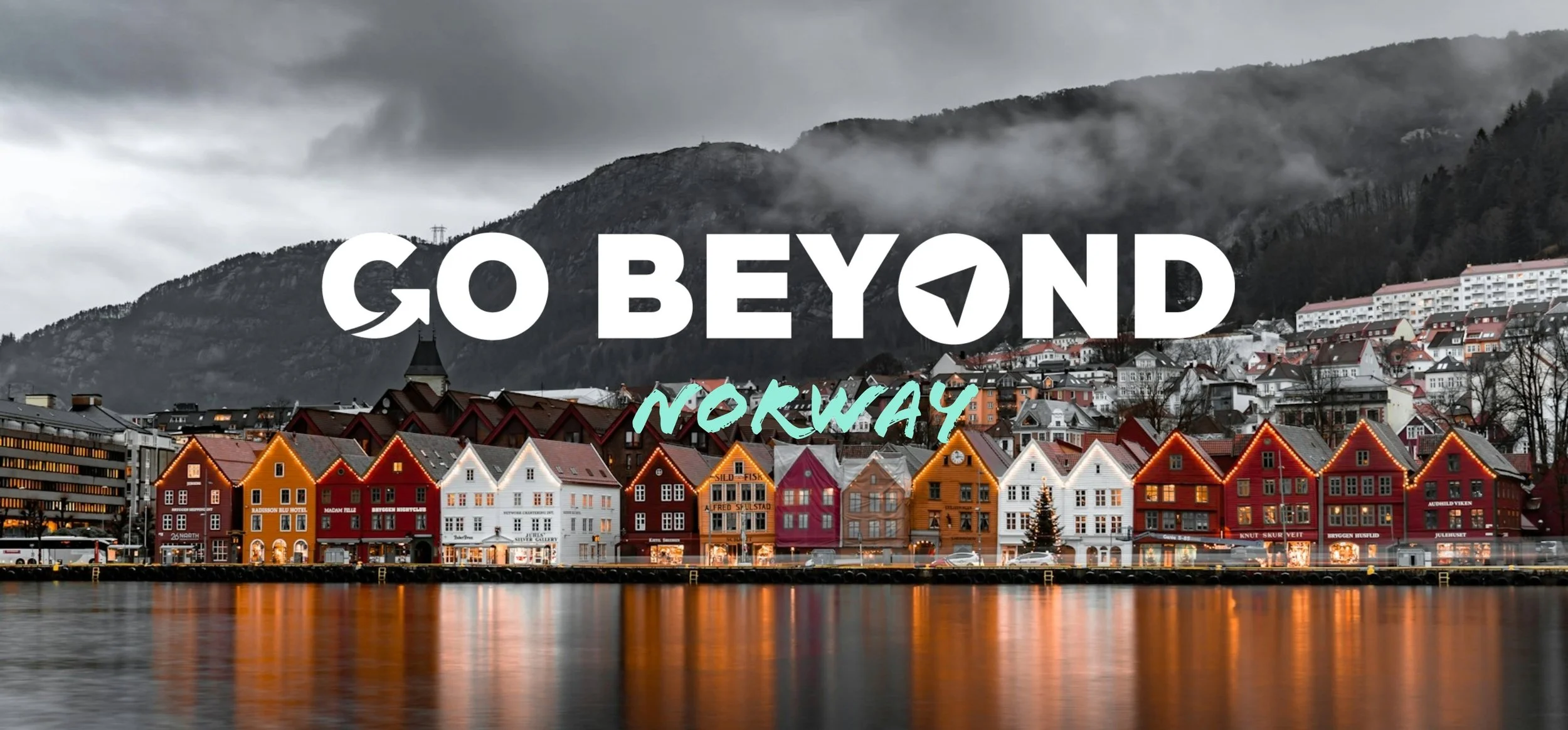
Original photo by Michael Fousert
Imagine standing on a windswept headland as the sun refuses to set, or drifting through a UNESCO fjord on a near-silent zero-emission vessel. Norway in 2026 is about scale — vast coastal mountains, glacier-carved fjords and Arctic horizons — but it’s also about smarter, lower-impact ways to experience them. If planning feels overwhelming, this guide breaks the country into five unforgettable regions, practical planning steps for 2026, and low-friction transport options so you can focus on the views, not the logistics.
Why 2026 is special for Norway
Sustainability milestone: from 1 January 2026, passenger vessels under 10,000 GT operating in Norway’s World Heritage fjords (including Geirangerfjord and Nærøyfjord) must meet zero-emission requirements. Expect different vessel types, adjusted schedules, and increased shore-power use — a win for pristine landscapes and quieter fjord cruising.
Border & entry updates: non-EU travelers are already registered in the EES at Schengen external borders (biometrics). ETIAS (pre-travel authorization for visa-exempt nationals) is scheduled to roll out in 2026; check timing close to departure and allow extra time at border controls during the transition.
Peak aurora demand: Visit Norway notes aurora activity peaking 2024–2026, meaning Tromsø and Lofoten will be in particularly high demand for winter travellers chasing the Northern Lights.
Transport options: rail + fjord cruise combinations (Flåm Railway + UNESCO-fjord connections) and Hurtigruten-style coastal voyages remain the easiest low-impact ways to connect Bergen–Lofoten–Tromsø–North Cape–Kirkenes.
The five regions (and how to plan them in 2026)
1) Lofoten — Midnight sun, dramatic peaks, and Arctic charm
Why go: Iconic coastal mountains, fishing-village scenery and prime midnight-sun viewing in summer; strong aurora potential in winter. Planning notes for 2026:
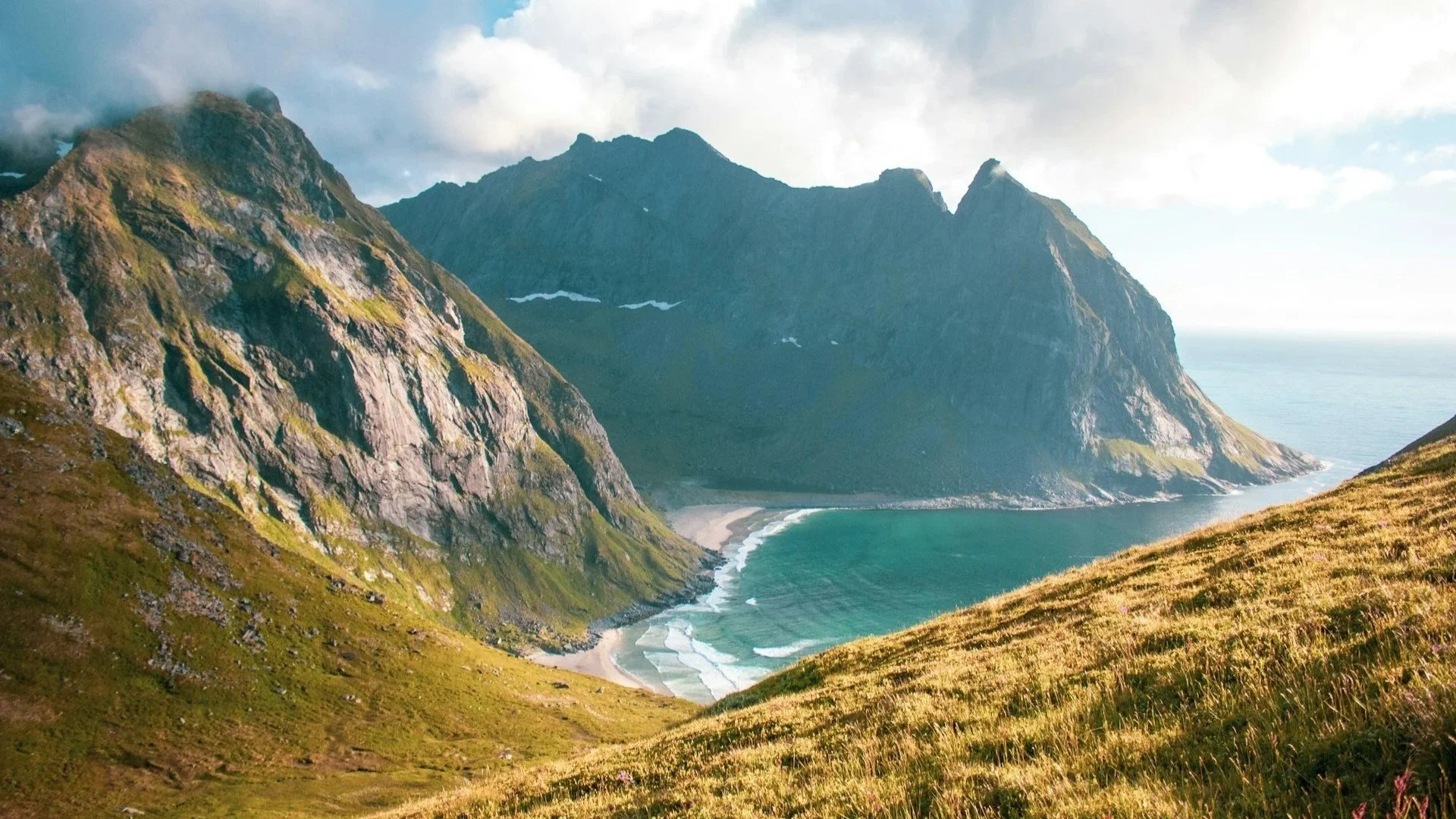
Photo by grace sungura
Summer is magical but crowded; accommodation and rental cars in Lofoten sell out early. If you want bright nights without the crowds, prioritize late spring or early autumn shoulder windows.
Winter visits tap into the 2024–2026 aurora peak — book aurora tours and lodgings well in advance. Best for: photographers, hikers, and anyone chasing midnight sun or winter auroras.
2) Geirangerfjord & the World Heritage fjords — Scale, waterfalls and new low-emission cruising
Why go: Glacier-carved cliffs, thundering waterfalls and one of Norway’s most famous fjord panoramas. 2026 specifics:
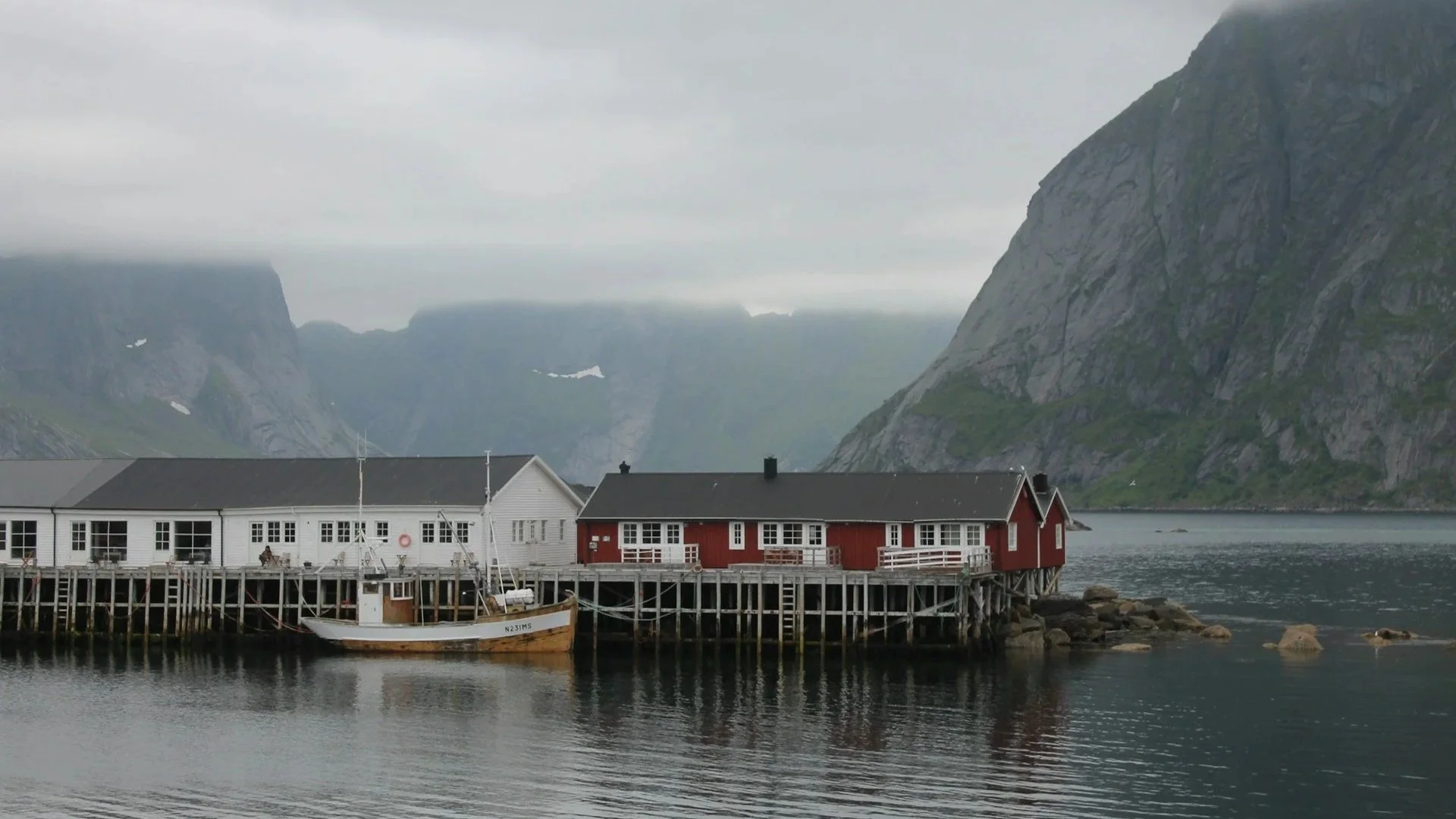
Photo by chi m
Zero-emission operating rules start 1 Jan 2026 for smaller passenger vessels in World Heritage fjords. Cruise timetables, vessel types, and shore-side connections may change as operators comply.
Consider rail + fjord combos (e.g., Flåm Railway connections) as an alternative to driving; they pair naturally with UNESCO fjord cruising. Best for: scenic fjord cruises, waterfall viewpoints, and travellers who want a quieter, cleaner fjord experience.
3) Tromsø & Arctic Norway — Aurora, polar nights and winter activity hubs
Why go: Tromsø is the practical base for aurora chases, dog sledding, snowshoeing and other Arctic experiences. 2026 specifics:
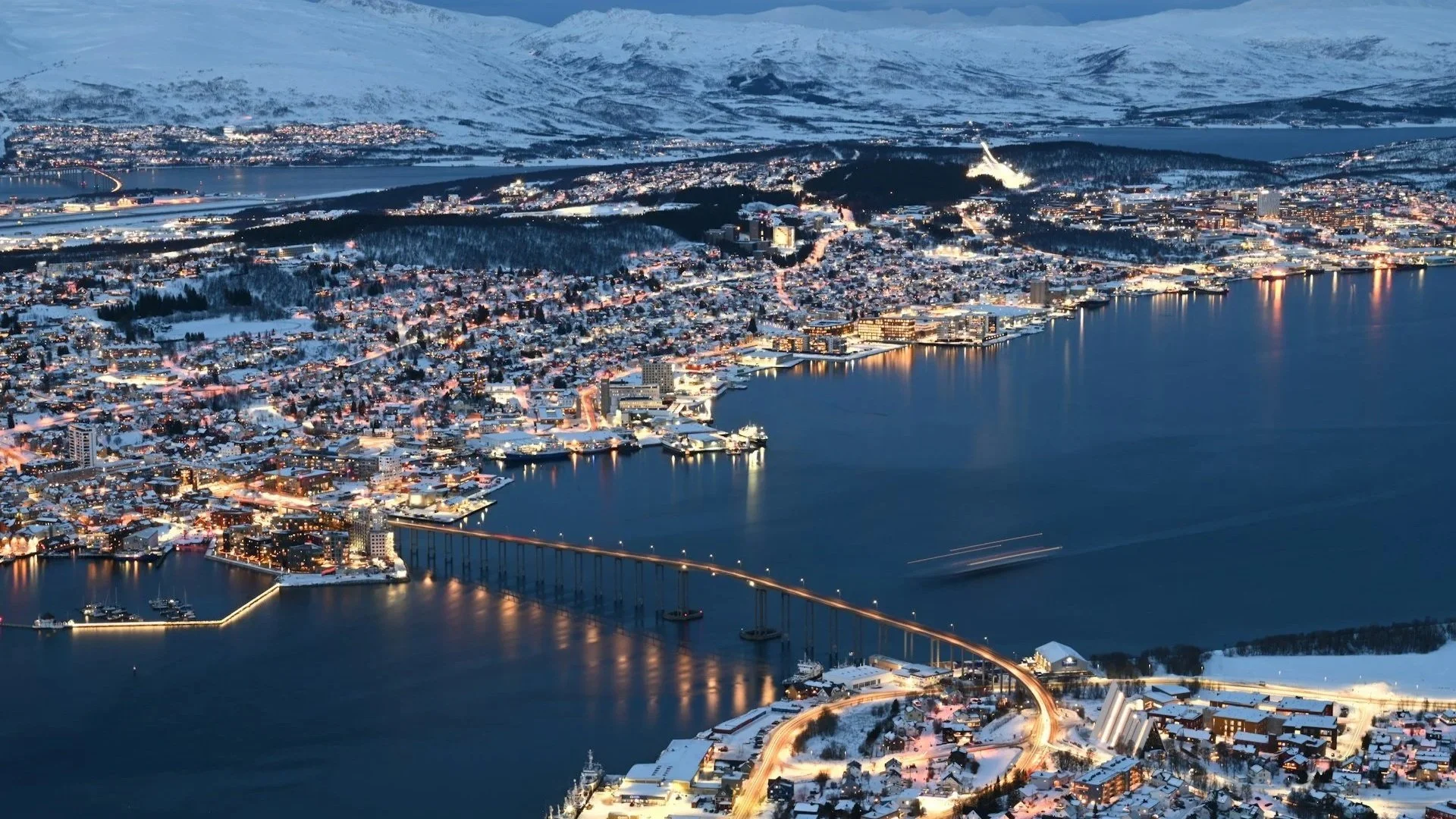
Photo by QQ Z
Aurora demand remains elevated during the solar maximum window — expect busy tour schedules and earlier sellouts.
Coastal voyages and expanded Hurtigruten-style routes connect Tromsø to Lofoten, the North Cape and Kirkenes, allowing you to build an “epic scale” Arctic route without self-driving. Best for: aurora hunters, winter-activity seekers, and those who want a strong town base with Arctic access.
4) Bergen — The cultural gateway to the fjords
Why go: A compact, walkable city with Hanseatic charm and direct links to fjord rail and cruise corridors. Bergen also hosts major 2026 festivals:
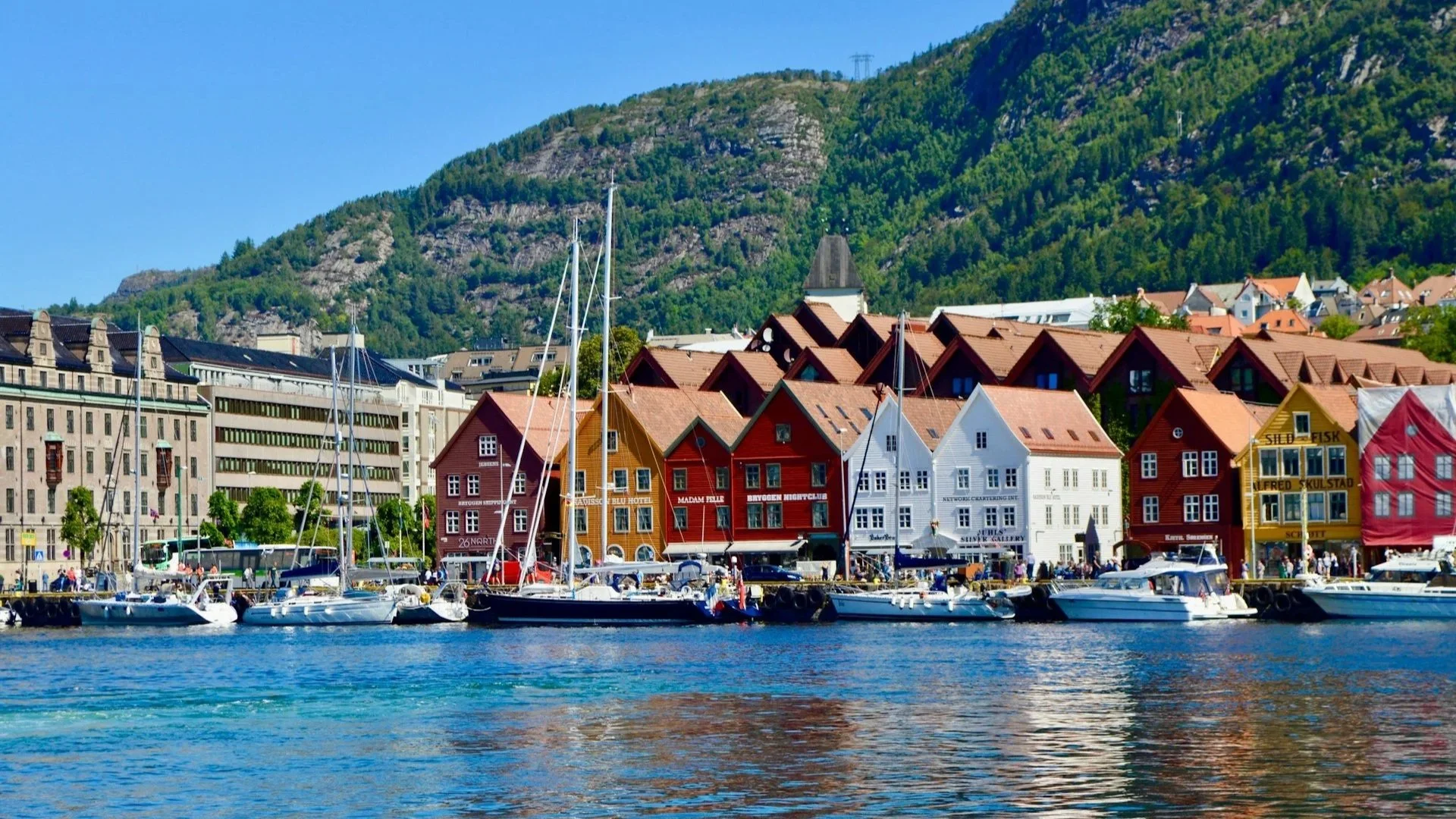
Photo by Agent J
Bergen International Festival: 27 May – 10 June 2026
Bergenfest: 9–12 June 2026
BIFF (Bergen International Film Festival): 13–21 Oct 2026 Planning notes:
Use Bergen as your launchpad for Flåm Railway and fjord-cruise itineraries. Festival weeks draw extra demand — book early if you plan to combine culture and nature.
5) Oslo — City culture, national celebrations and transport connections
Why go: Museum-rich, culinary-forward and well connected to national rail and flights. Notable 2026 events include:
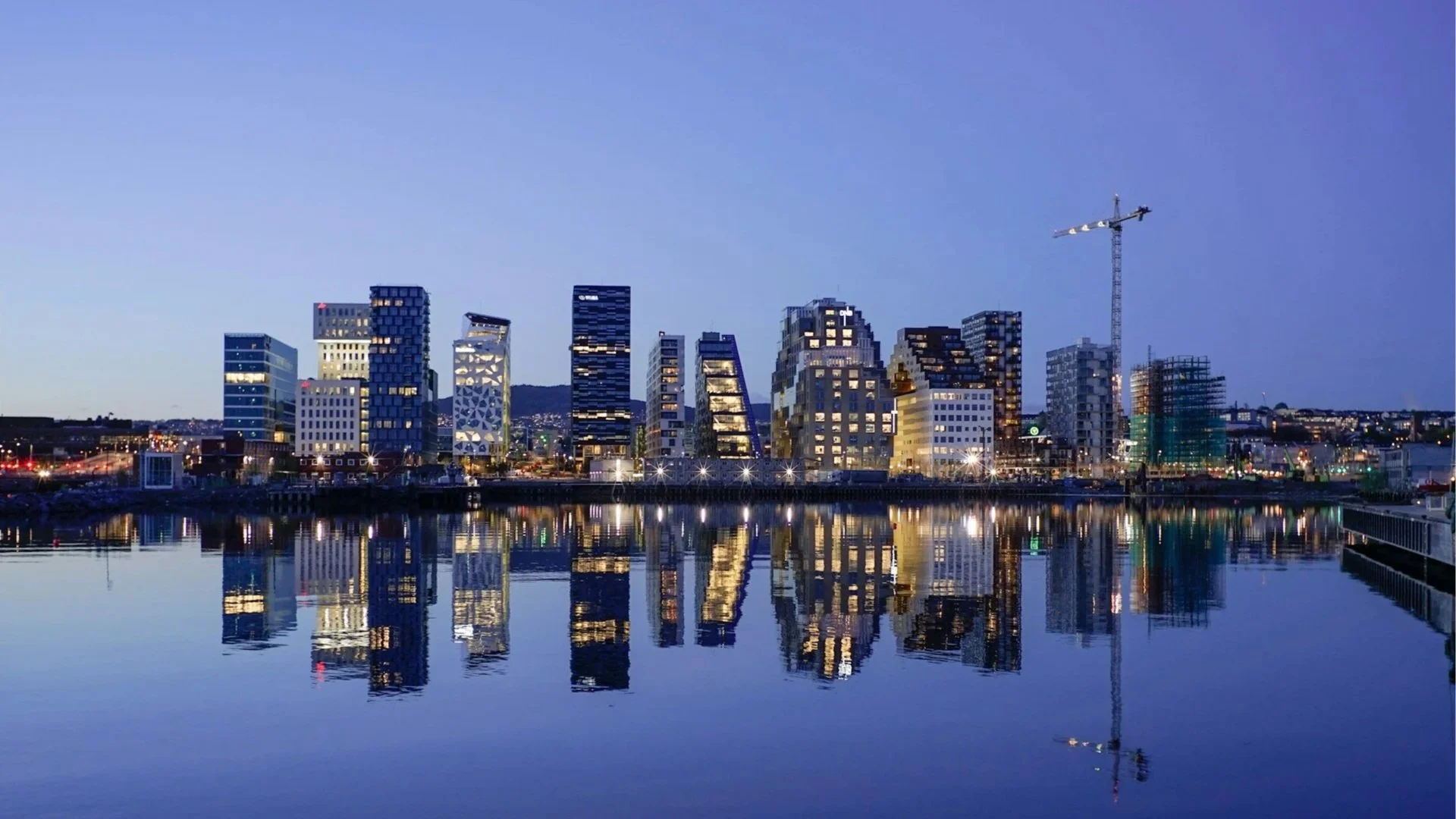
Photo by Christoffer Engström
Oslo Constitution Day: 17 May 2026 (nationwide; biggest celebrations in Oslo)
Inferno Metal Festival: 2–5 Apr 2026 Planning notes:
Combine a short Oslo break at the start or end of your trip to decompress and soak up urban culture before heading into the wild.
Low-impact travel corridors & sample 10–14 day ideas for 2026
Rail + fjord classic: Oslo → Bergen (Bergensbanen) → Flåm Railway → UNESCO fjord cruise/Geiranger day trip. Best for photographers and slow-travelers.
Coastal voyage loop: Bergen → Lofoten → Tromsø → North Cape (Hurtigruten/HX-style itineraries). Great if you want epic scale without self-driving.
Lofoten + Tromsø highlight: Fly to Lofoten for midnight sun or shoulder-season hiking, then ferry/flight/coastal-ship to Tromsø for Arctic activities and aurora chasing.
🔑 Practical itinerary tips:
Book core transport and accommodation as early as possible, especially for Lofoten and Geiranger/Flåm in summer 2026.
Prioritise shoulder seasons (late spring, early autumn) for better rates, fewer crowds and still superb light.
Use coastal voyages or packaged Hurtigruten-style journeys if you prefer one-booking simplicity and fewer logistics.
Money, timing and booking checklist for 2026
💰 Budget expectations: Norway remains expensive; summer peak and micro-destinations (Lofoten, Geiranger/Flåm) are most price-sensitive. Treat third-party cost breakdowns as directional; lock in early for best rates.
✈️ Entry & border checklist: verify EES and ETIAS status for your nationality close to departure. Build extra time for border processing in 2026 during the ETIAS/EES transition.
🚢 Sustainability & vessel notes: expect some cruise schedules and shore-call logistics to shift as operators update fleets to meet zero-emission rules in World Heritage fjords.
Practical packing & travel tips
🛄 Layers and waterproof outerwear year-round; weather is variable even in summer.
🛄 Plug-in adapters and a portable battery — chargers and shore-power access are increasingly used for new low-emission vessels and electric transport links.
🛄 Trip insurance that covers schedule changes (useful if cruise itineraries adjust during 2026 compliance transitions).
Final planning reassurance
You don’t have to do it all at once. Build an epic-scale route that uses Norway’s low-impact corridors and focused regional stays — fewer transfers, more time outdoors. Book early for 2026, check EES/ETIAS requirements before you fly, and consider coastal voyages or rail + fjord combos to simplify logistics while shrinking your carbon footprint.
Norway in 2026 lets you chase both the midnight sun and the northern lights while travelling in ways that protect the views that brought you here. Prioritize low-impact corridors, book high-demand regions early, and keep an eye on EES/ETIAS timing and the new zero-emission rules for World Heritage fjords. Ready to stand on the edge of a fjord? Contact our travel agents to map out your Norwegian odyssey, and check out our other blogs for more Nordic inspiration!
https://www.visitnorway.com/plan-your-trip/entry-and-exit-system/
https://travel-europe.europa.eu/en/etias/about-etias/news-corner/revised-timeline-ees-and-etias
https://www.visitnorway.com/things-to-do/whats-on/festivals/
https://www.visitnorway.com/things-to-do/nature-attractions/northern-lights/best-time-to-see/
📦 Key Takeaways
2026 is a pivotal year: zero-emission rules apply in World Heritage fjords from Jan 1, and EES/ETIAS changes affect border procedures—check requirements before you travel.
Build epic itineraries around low-impact corridors: rail + fjord cruises and coastal voyages (Hurtigruten-style) reduce driving and planning stress.
Northern Lights demand stays elevated through 2026 (solar maximum window). Tromsø and Lofoten remain prime winter anchors.
Lofoten and Geiranger/Flåm see heavy summer pressure—book accommodation and rental cars early or choose shoulder seasons for better value.
For truly stress-free travel, use coastal voyages or packaged journeys across the Nordics to link Oslo–Bergen–Lofoten–Tromsø–North Cape without self-driving every mile.
