
Cities, Crags, and Cataclysms: 5 Must-Visit Regions in Argentina
Original photo by Hans-Jürgen Weinhardt
You want an Argentina trip that balances tango-soaked city nights with glacier-blue wilderness — and you need to plan smart for 2026. This guide pinpoints five unmissable regions, the best seasons to visit them, and the logistics that will make or break your trip (think park fees, limited ice-trek capacity, and seasonal border closures).
Why Argentina in 2026?
Argentina combines big-city culture, dramatic mountain crags, and geological spectacles few countries can match. For 2026, demand and pricing trends favor early planning: WTTC projects ~4.9% growth for Argentina's Travel & Tourism sector, and Amex GBT forecasts a +5.6% rise in Buenos Aires hotel rates. Meanwhile, updated travel advisories (U.S. and Canada, May 2026) emphasize normal precautions and seasonal logistics you should check before you leave.
1) Buenos Aires — The City of Neighborhoods (Barrios & Tango)
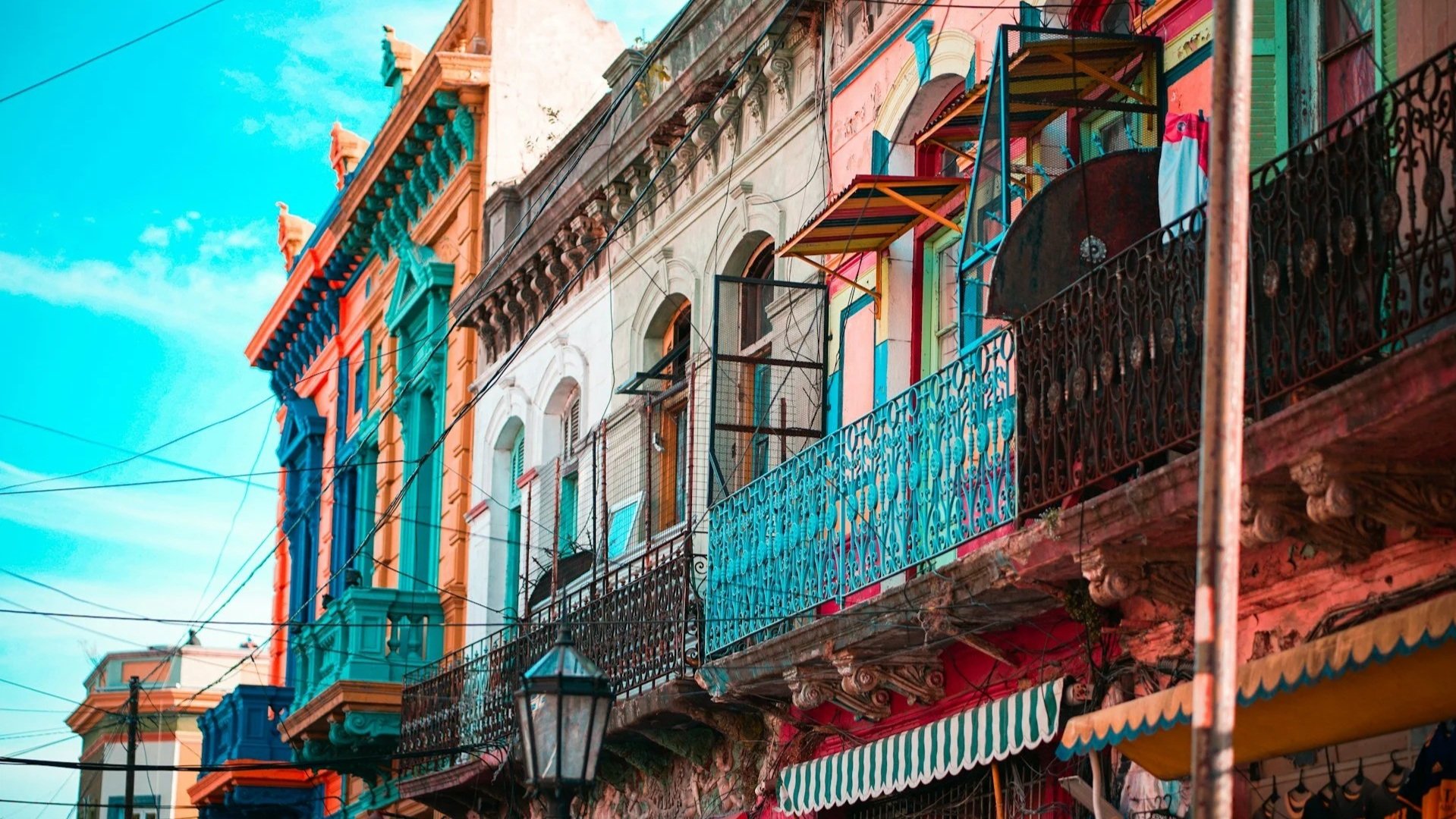
Photo by Barbara Zandoval
When to go
Best walking weather: spring (Sep–Nov) and fall (Mar–May) for comfortable temps and fewer extremes.
Why you'll love it
Walkable neighborhoods, world-class dining and nightlife, and architecture that rewards aimless wandering.
Practical tips
Expect slightly higher hotel rates in 2026; factor Amex GBT’s +5.6% forecast into your budget and consider shoulder-season stays.
Use Buenos Aires as your international hub and buffer a travel day before heading to remote regions.
2) Los Glaciares National Park — El Chaltén & Perito Moreno (Glaciers and Treks)
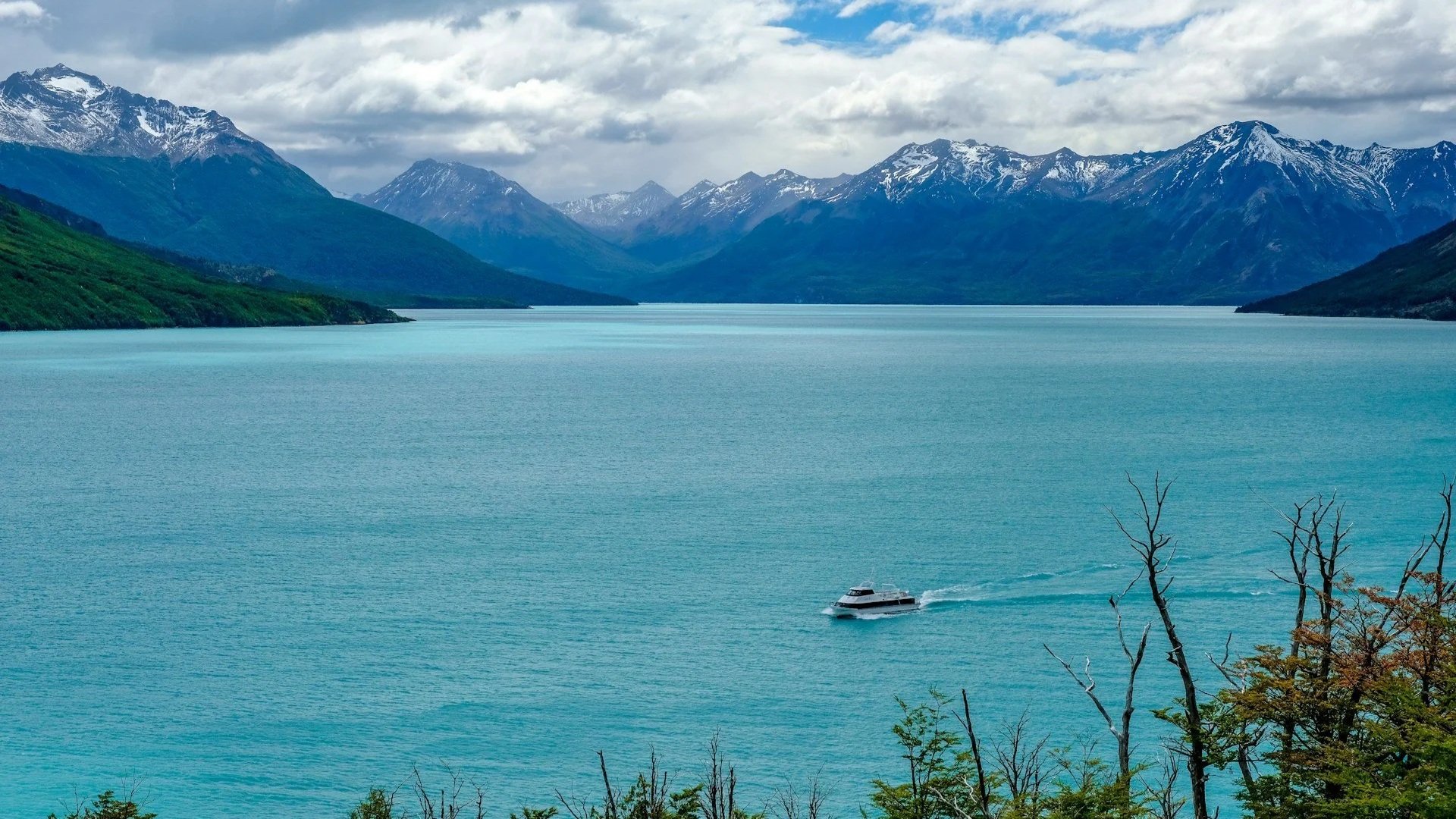
Photo by Hans-Jürgen Weinhardt
When to go
Prime window: Oct–Apr. Peak crowds arrive Dec–Feb.
What’s new in 2026
Paid access is enforced: plan for trail/park access fees (roughly ARS 45,000 day ticket; ARS 90,000 3-day flex pass) and note that some multi-day passes are online-only. Buy passes ahead when possible and confirm the purchase method (online vs at-the-gate) and payment reliability.
Perito Moreno ice trekking
Operated by concessionaire Hielo y Aventura; ice-trek excursions are capacity-limited and often require advance booking/deposits in peak months. Confirm the 2026 operating calendar and reserve early.
Practical tips
Build park fees into your trip budget and itinerary. If you plan multiple days of trekking, the 3-day flex pass may be more convenient but can require online purchase.
3) Iguazú Falls — Subtropical Powerhouse
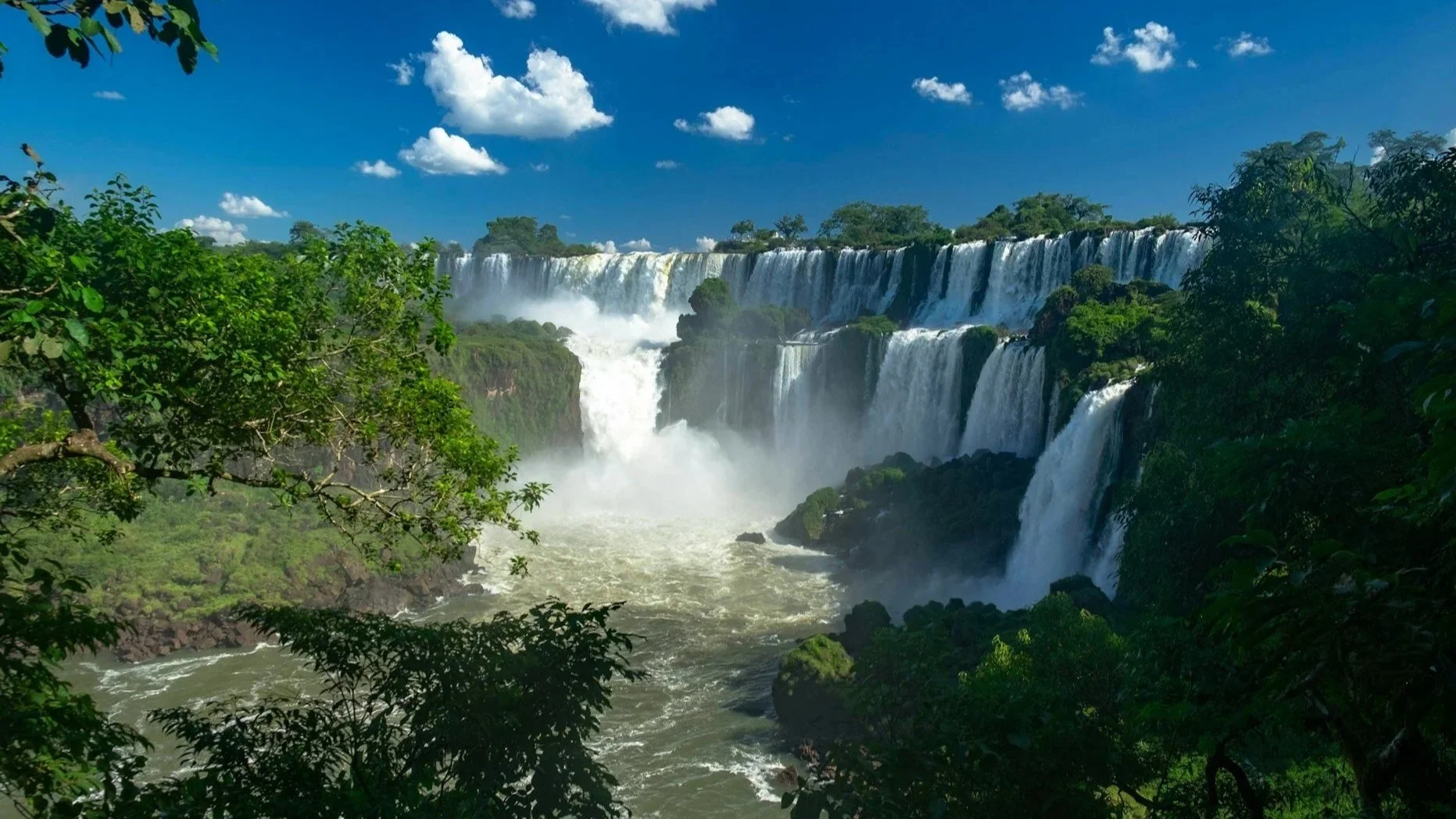
Photo by Derek Oyen
When to go
Year-round destination; expect heat and humidity in the austral summer (Dec–Feb). Water flow increases after heavy rains.
Why you'll love it
One of the planet's great waterfall systems — dramatic boardwalks, boat rides, and jungle wildlife.
Practical tips
Plan for humidity and pack breathable layers. Book core park-adjacent lodging in advance during holiday peaks.
4) Salta & the NW Andes — High-Desert (Puna) Landscapes
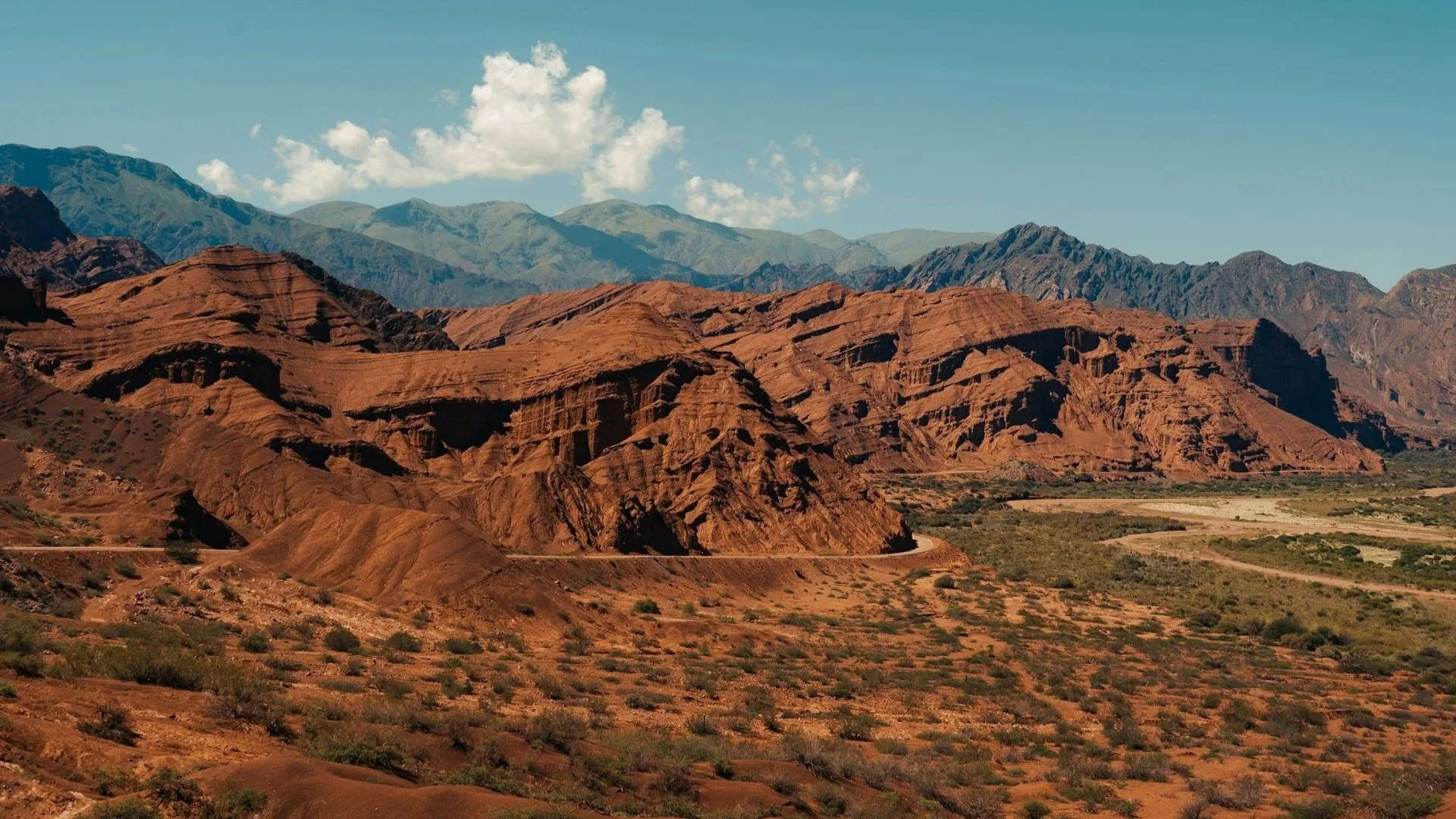
Photo by Nicolás Flor
When to go
Clear, dry conditions are most common in the austral winter (Jun–Sep), but nights at altitude can be cold.
Why you'll love it
Colorful, high-desert vistas, colonial towns, and routes that link Argentina to Chile and Bolivia — spectacular overland drives if borders are open.
Practical tips
The Government of Canada (May 26, 2026) warns of possible seasonal border-post closures with Chile/Bolivia (Jun–Sep). If your Salta plan depends on crossing borders, verify official border status close to departure and build flexible routing options.
5) Patagonia (Broader Region) — Timing, Crowds & Booking Priorities
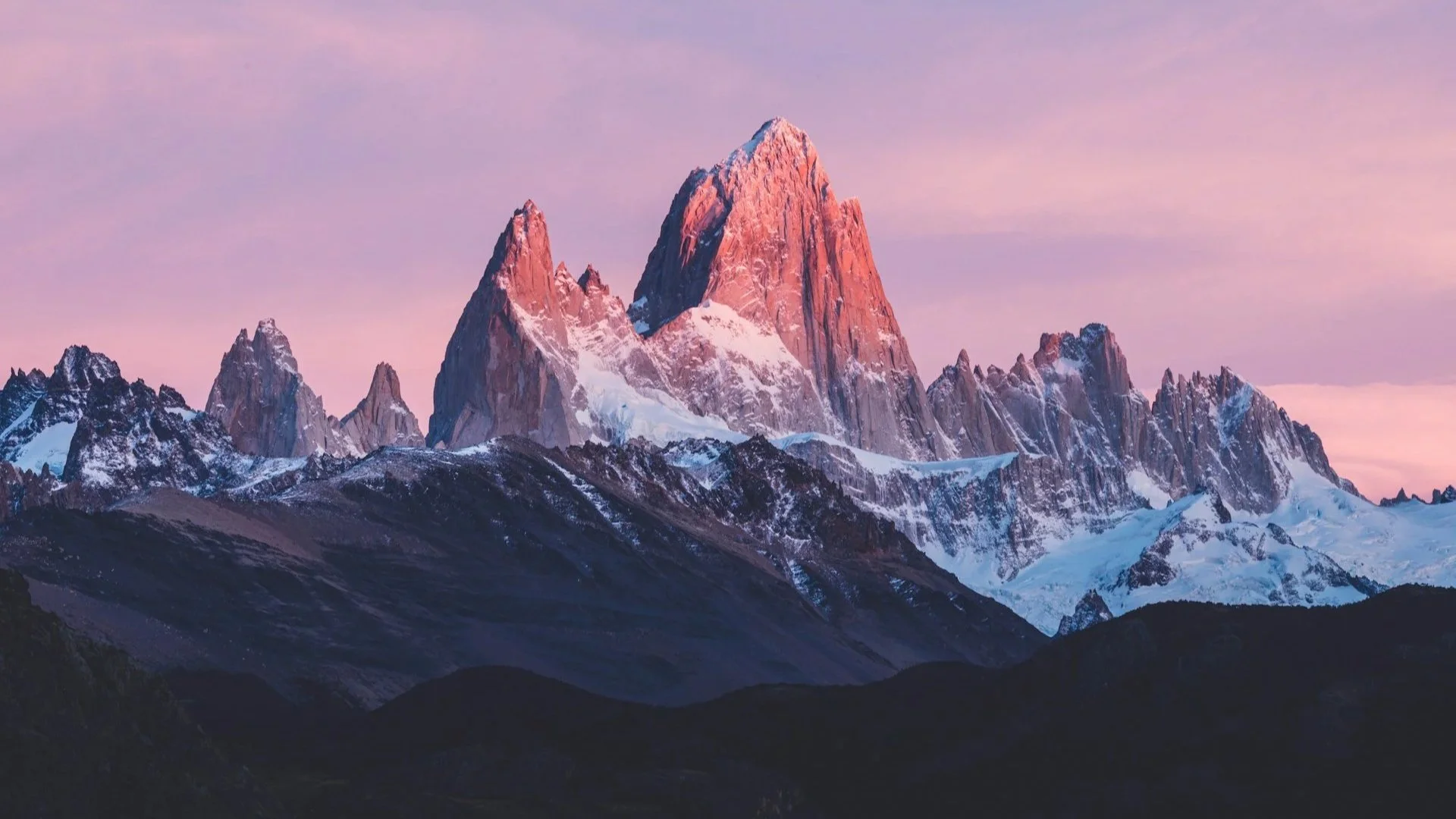
Photo by Andrew Svk
When to go
Oct–Apr for broadly favorable conditions; Dec–Feb are busiest.
Booking priorities for 2026
Reserve core Patagonia lodging and activities early: tourism growth and limited-capacity excursions (like Perito Moreno ice treks) make early bookings prudent.
Factor park access fees and online-only pass rules for Los Glaciares into your planning.
Practical tips
If your schedule is tight, prioritize non-refundable deposits for must-do activities and flexible arrangements for lower-priority days.
Planning & Safety Checklist (Actionable Steps for 2026)
✅ Book Los Glaciares park passes in advance when possible; expect roughly ARS 45,000 (day) or ARS 90,000 (3-day flex) — confirm current rates and online purchase links.
✅ Reserve Perito Moreno ice-trekking with Hielo y Aventura early for peak months and check deposit policies.
✅ Budget for Buenos Aires hotel rate increases (+5.6% forecast for 2026) and consider shoulder seasons.
✅ Check U.S. Department of State (May 20, 2026) and Government of Canada (May 26, 2026) advisories: Argentina is Level 1, but monitor specific local cautions (e.g., Rosario) and seasonal border closures.
✅ Confirm payment methods for online passes and have backup payment options when traveling in remote regions.
✅ Prioritize core bookings (park passes, glacier treks, Iguazú lodgings) and leave flexibility elsewhere.
The smart traveler’s mantra for Argentina 2026
Plan early, budget for new realities (park fees and hotel inflation), and build flexible plans around seasonal borders and capacity-limited experiences. With those pieces in place, you’ll turn logistics into the ticket to unforgettable moments — from tango evenings to glacier rims.
You don’t have to navigate Argentina’s seasons, park fees, and seasonal borders alone. Ready to stand at the end of the world? Contact Go Beyond Travel for a personalized consultation and let our agents build a custom 2026 Argentine itinerary that balances your must-dos with smart timing and logistics.
#ArgentinaTravel #Patagonia #BuenosAires #IguazuFalls #VisitArgentina #TravelPlanning
📦 Key Takeaways
Argentina is a multi-season destination: timing your trip depends on region (spring/fall best for Buenos Aires; Oct–Apr ideal for El Chaltén/Perito Moreno; Jun–Sep driest for Salta high-desert).
Los Glaciares National Park now charges access fees — expect roughly ARS 45,000 for a day ticket and ARS 90,000 for a 3-day flex pass; some passes are online-only.
Perito Moreno ice-trekking is concessioned to Hielo y Aventura and has capacity limits — book ahead (peak season Dec–Feb).
Budget for higher Buenos Aires hotel rates in 2026 — Amex GBT forecasts +5.6% — and consider shoulder-season travel to save money and avoid crowds.
Travel advisories: U.S. (May 20, 2026) lists Argentina at Level 1 (Exercise Normal Precautions) but flags health notices and higher caution for Rosario; Canada (May 26, 2026) warns of possible Andes border post closures Jun–Sep.
Argentina’s tourism momentum remains strong — WTTC forecasts ~4.9% Travel & Tourism sector growth in 2026 — so book core Patagonia/Falls stays earlier.
Practical checklist: buy park passes in advance, confirm online payment reliability, reserve ice-trek spots and peak-season accommodations, and verify overland border status if your route crosses into Chile or Bolivia.
