
From Dynasties to K-Pop: Your Ultimate Guide to South Korea’s 2026 Heritage Revolution
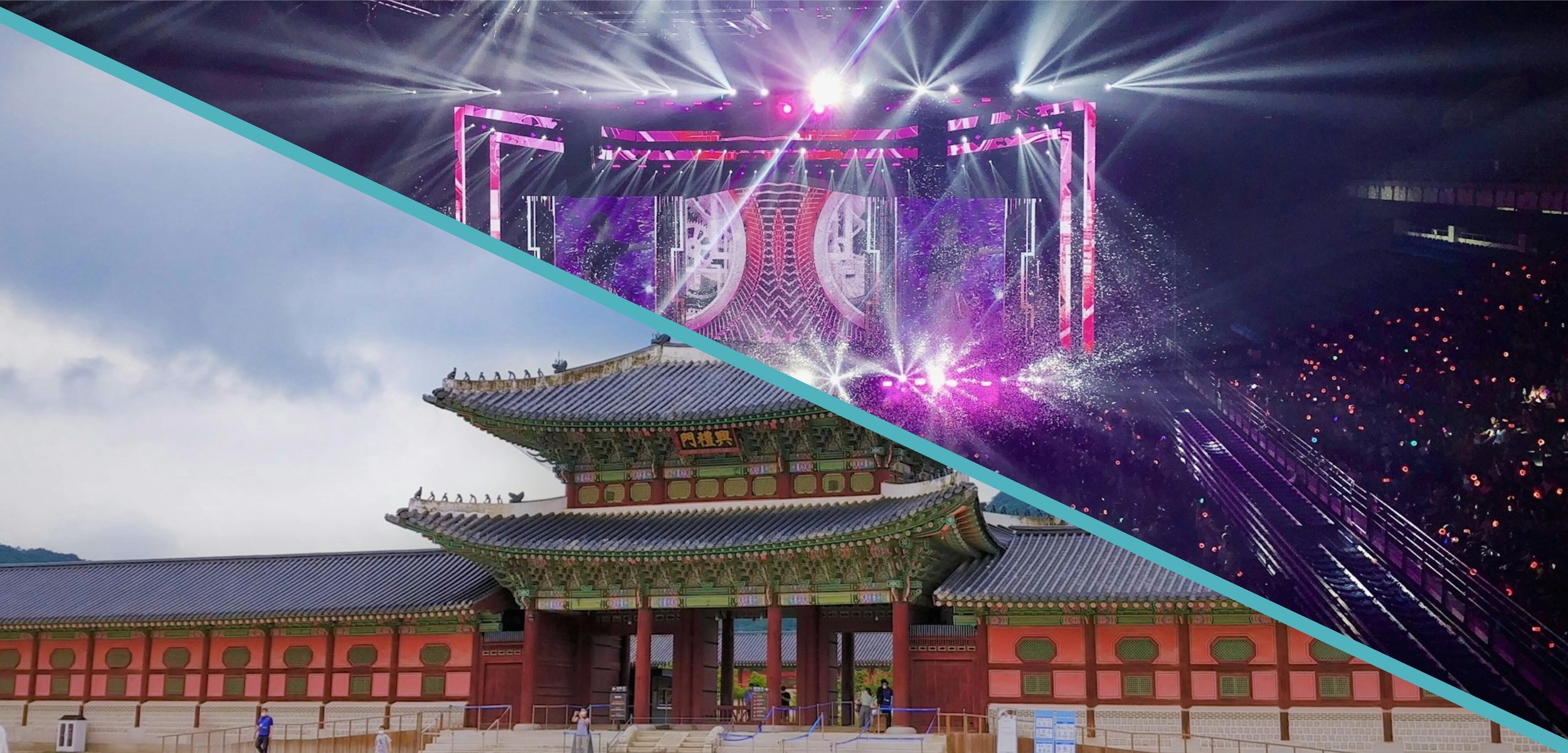
Photos by (lower- left) MINSUN KIM and (upper- right) Chris Tan
Picture yourself in Seoul, where the high-energy beats of K-pop dissolve into the timeless, meditative chants of a 600-year-old Buddhist ceremony. In 2026, South Korea transcends its screen-deep reputation, revealing itself as a vibrant masterpiece where dynastic history and digital innovation coexist. This year offers a rare opportunity to explore "K-Heritage"—the deep historical roots that nourish the global Hallyu phenomenon. While international logistics can often feel daunting, 2026 brings simplified entry requirements and landmark cultural events, making your arrival in the Land of the Morning Calm smoother than ever.
The K-Heritage Renaissance: More Than Just a Trend
By 2026, the global obsession with South Korea is shifting. While K-pop and K-dramas remain massive, the South Korean government is highlighting the 'K-Heritage' that started it all. You will see the ancient legacies of the Silla and Joseon dynasties positioned as the creative engine behind modern entertainment.
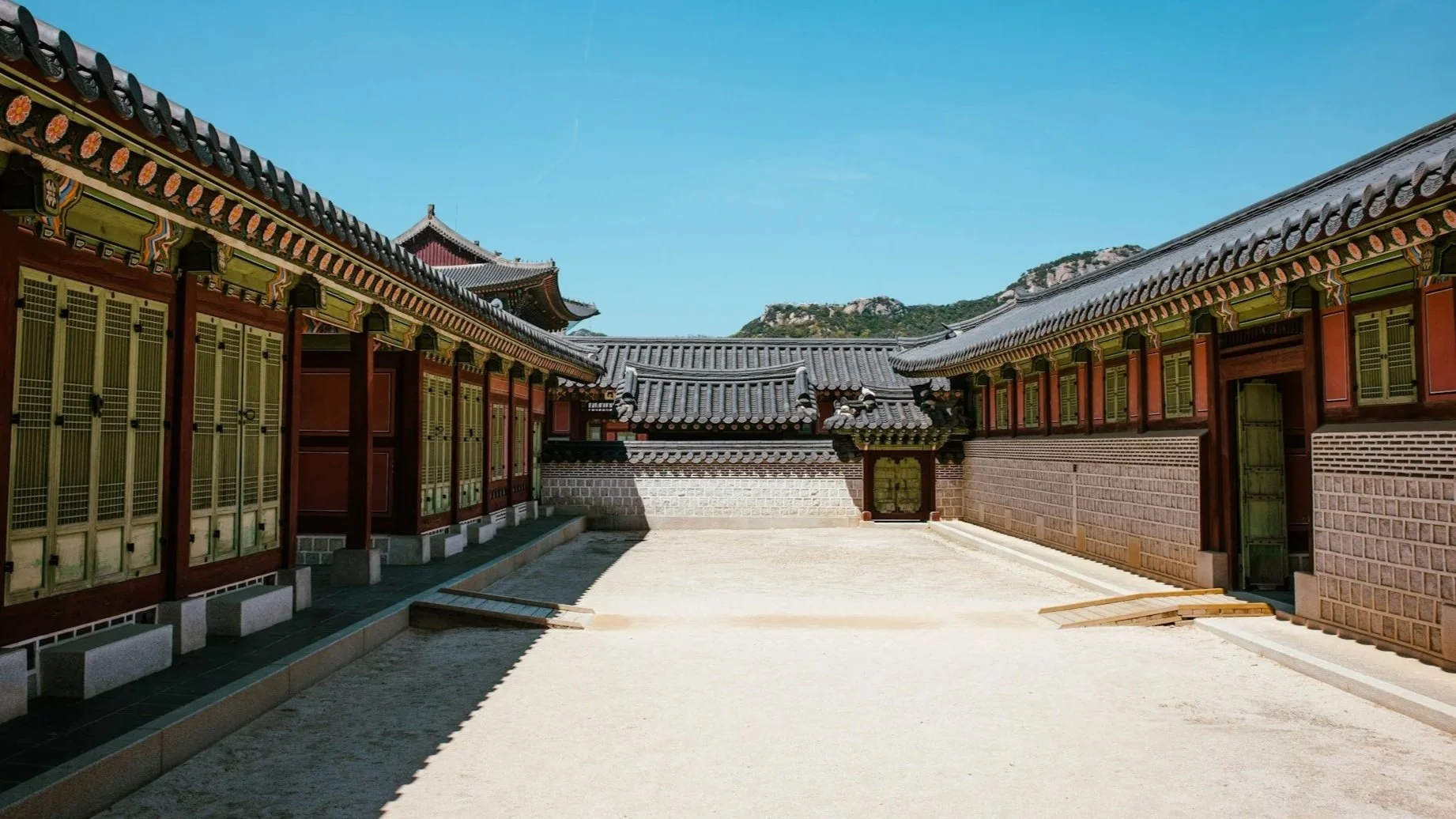
Photo by yeojin yun
A highlight of this movement is the ongoing Gyeongbokgung Restoration. In 2026, you can walk through newly recreated halls and pavilions that haven’t been seen by the public in over a century. For a truly magical experience, keep an eye out for the Starlight Tours running from March to November 2026. These nighttime palace walks are the hottest ticket in town; they typically sell out within minutes, so you’ll want to book your spot at least 30 to 60 days in advance.
Seamless Travel: The 2026 Logistics Update

Planning your logistics is significantly easier this year. The K-ETA (Korea Electronic Travel Authorization) exemption has been extended until December 31, 2026, for travelers from 67 countries, including the U.S., UK, and Canada. This means less paperwork and a saved fee of ₩10,000 for you.
If you are visiting early in the year, the Korea Grand Sale (running through February 22, 2026) is your best friend. Expect significant discounts on flights and beauty products. Pro tip: Wear a traditional Hanbok to gain free admission to historic palaces—a perfect way to save while capturing that iconic travel photo.
Wellness and 'Slow Travel' Retreats

2026 is the year of 'emotional wellness.' Travelers are moving away from frantic sightseeing and toward deep, spiritual immersion. Temple stays have evolved into multi-day 'Slow Travel' retreats. You can now spend several days at a mountain temple focusing on mental health and practicing Sunmudo, a traditional Zen martial art. It’s the ultimate way to disconnect from the digital world and reconnect with yourself.
⭐ For more info on Slow Travel check out our blog about the rising appeal of slow travel vacations.
Beyond Seoul: Busan and Regional Gems

While Seoul is a must-see, 2026 encourages you to look further. From July 19–29, 2026, Busan will host the World Heritage Committee, putting a global spotlight on the historic treasures of the south. This is the perfect time to explore the Silla-era wonders of Gyeongju or the coastal beauty of Busan.
To help you explore these regional hubs, look for the 'Play Trucks'—mobile cultural centers that will be visiting cities like Jeonju and Daejeon throughout early 2026. These trucks offer localized K-culture events and interactive experiences that bring the history of each region to life right before your eyes.
Navigating the New Normal: Sustainability
With South Korea’s popularity at an all-time high, 2026 will see more 'active management' of tourist flows. To ensure these historic sites are preserved for the future, expect visitor caps or mandatory reservation requirements at popular spots. This makes early planning more important than ever to ensure you don't miss out on the sites on your bucket list.
South Korea in 2026 is a vibrant blend of tradition and innovation, offering everything from high-tech shopping to ancient spiritual retreats. Navigating these new trends and booking the perfect palace tour can be complex, but you don't have to do it alone. Want to dive deeper into Korean heritage? Read our blog on the hidden gems of Korea, or contact one of our travel specialists at Go Beyond Travel to book a private historical tour with an expert guide for a personalized consultation.
#KoreanHistory #Temples #Palaces #Hallyu #Traditions #UNESCOSites
📦 Key Takeaways
K-ETA paperwork and fees are officially waived for 67 countries through December 31, 2026.
Busan will take center stage in July 2026 as it hosts the 48th World Heritage Committee session.
Wellness travel is evolving into 'Slow Travel' retreats, focusing on mental health and traditional martial arts.
Sustainable travel management means reservation requirements for major sites like Gyeongbokgung are becoming the norm.
The Korea Grand Sale offers massive discounts on flights and beauty products through February 22, 2026.
