
Navigating Argentina: Smart Packing and Logistics Hacks
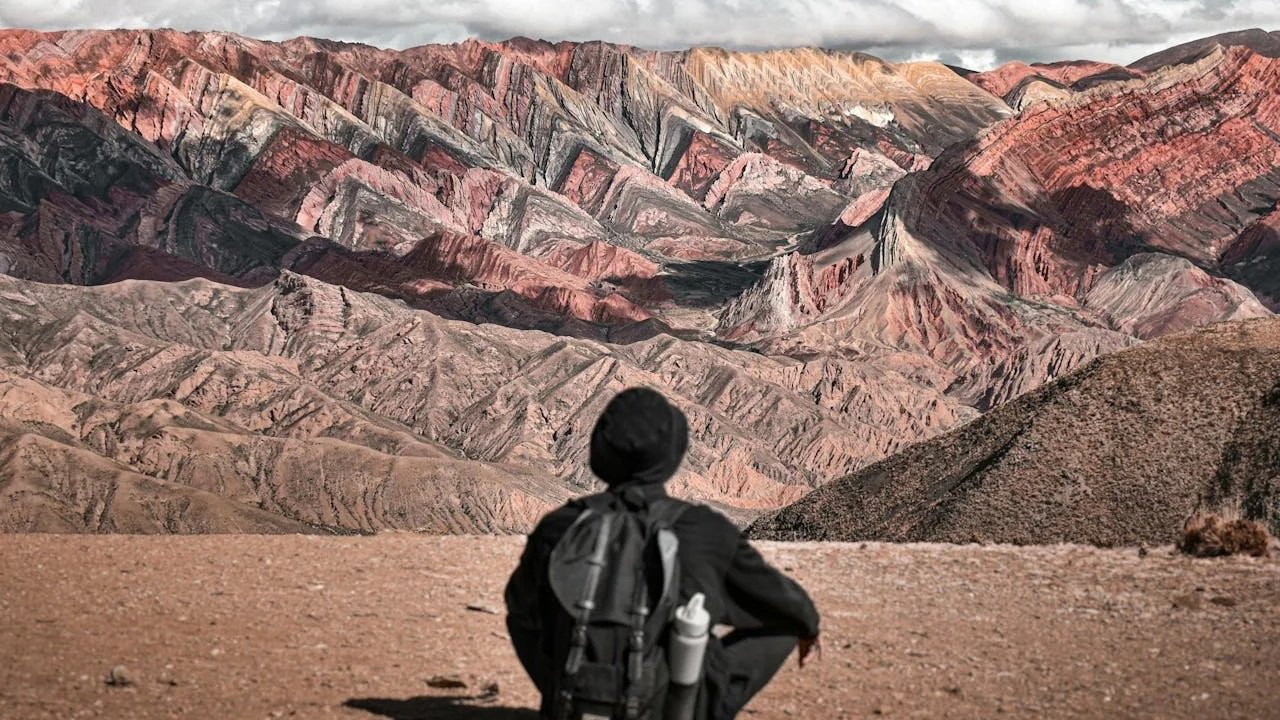
Photo by Lucas Leonel Suárez
Argentina is enormous—and that scale is the single biggest planning factor for any multi-region trip. If you want to see Buenos Aires, Iguazú, Mendoza and Patagonia on one itinerary, you’ll spend more time deciding how to move between places than which hotels to sleep in. This guide gives you clear, practical logistics and packing hacks for 2026 so you can maximize time, minimize stress, and keep more money in your travel budget.
Plan your transport like a time-savings strategist

Fly long distances: Argentina’s size means domestic air travel is the default if you want to visit multiple regions on a single trip (e.g., Buenos Aires ⇄ Iguazú / Salta / Bariloche / El Calafate / Ushuaia).
Know your airports: many domestic routes concentrate at Aeroparque (AEP), not Ezeiza (EZE). If you mix AEP and EZE on the same day, add generous connection buffers—transfers and traffic in Buenos Aires can take much longer than you expect.
Compare options: domestic flight “passes” remain a cost-control tool for long-distance routing, but low-cost carriers (JetSMART, Flybondi) can undercut passes on individual sectors. Always factor in checked-bag fees, carry-on policies and seat selection charges when comparing all-in prices.
Money: digital-first—cash-ready

Digital wallets are mainstream: in 2026 Mercado Pago’s QR ecosystem is deeply embedded in city commerce. Expect to pay small shops, restaurants and many services via QR or digital wallet rails.
Carry cash anyway: keep small-denomination Argentine pesos for tips, street vendors and situations with connectivity or card-terminal issues.
Rates and convenience: the MEP/tourist-card exchange rate is often close to (and sometimes better than) informal cash exchange. That means you can prioritize safety and convenience—use cards/digital wallets for everyday spending and keep a cash envelope for incidental tips and micro purchases.
Packing: one trip, multiple climates

🍃 Patagonia (south)
Think wind and changeable weather: windproof + waterproof outer layers are non-negotiable. Layering is crucial—temperatures can swing quickly and wind makes nominal temperatures feel colder.
Footwear and accessories: pack sturdy, water-resistant shoes and quick-dry base layers.
☀️ Northwest (Salta/Jujuy/high-altitude desert)
Daytime heat + intense sun: lightweight, breathable layers and strong sun protection (hat, sunglasses, SPF) are essential.
Nights can drop: bring a packable warm layer even if the daytime feels hot—altitude and desert evenings cool down fast.
Seasonal highlights to time your trip

Mendoza Vendimia 2026: the National Grape Harvest Festival runs around March 1–14, 2026 with the Acto Central on March 7 (and repeated on March 8). Expect heavy accommodation and internal-flight demand—book early if you plan to attend.
Whale watching (Patagonia Atlantic coast): season runs broadly June–mid-December with peak Southern Right Whale sightings in September–October. Operators are already flagging 2026 booking urgency—lock in dates early for the best viewing windows.
Safety & entry basics (2026 updates)

Entry rules: U.S. citizens do not need a tourist visa for stays up to 90 days; passports must be valid at entry. Dual-national rules can apply—check your specific status before you travel.
Advisory update (May 20, 2026): the U.S. Department of State lists Argentina at Level 1 (Exercise Normal Precautions) overall, but flags Rosario as Level 2 (Exercise Increased Caution) for crime and adds a health-risk indicator noting hantavirus reports in the Andes. Check the State Department pages before you go and incorporate city-specific safety measures into your plans.
Practical pre-trip checklist
✅ Choose airports early (AEP vs EZE) and build buffers for same-day transfers.
✅ Compare flight-pass pricing vs JetSMART/Flybondi fares—add baggage and seat fees into final comparisons.
✅ Set up Mercado Pago or be prepared to pay via QR where accepted; bring small cash for tips and street purchases.
✅ Pack layering system: waterproof outer layer + insulating mid-layers + sun-protective, breathable items for the north.
✅ If visiting Mendoza in early March 2026 or whale-watching in Sept–Oct, reserve flights and hotels well in advance.
Quick hacks to save money and stress
Use domestic flight passes for multi-stop itineraries but run a side-by-side with low-cost carrier fares (including fees) to find the best total value.
Rely on digital payments for safety and convenience; keep a small emergency cash stash so you never get stuck during connectivity or POS outages.
When packing for Patagonia, lean into layers rather than bulky single items—lighter luggage saves on domestic flight bag fees and makes transfers easier.
Argentina is breathtaking—and manageable with the right logistics. Prioritize flying between distant regions, choose airports with care, lock in Vendimia or whale-season plans early for 2026, and combine digital payments with a small cash reserve for real-world flexibility. If planning this feels overwhelming, we can take the complexity off your plate. Skip the transit headaches. Message our team at Go Beyond Travel for a seamless, expertly coordinated booking experience and a personalized consultation tailored to your 2026 Argentina plans.
#ArgentinaTips #TravelLogistics #SmartTravel #PackingHacks #SouthAmericaPlanning
📦 Key Takeaways
For multi-region trips, flying is usually the best time-value choice—plan airport choices and connection buffers carefully (Aeroparque AEP vs Ezeiza EZE).
Compare domestic flight passes with low-cost carriers (JetSMART, Flybondi) and always factor in baggage and seat fees.
Digital wallets—especially Mercado Pago QR—are widely used in 2026, but carry small cash for tips and vendors.
MEP/tourist-card rates can be close to informal cash exchange—prioritize convenience and safety.
Pack for multi-climates: windproof/waterproof layers for Patagonia; breathable sun protection and a packable warm layer for the northwest.
Book ahead for big events: Mendoza Vendimia (Acto Central March 7, 2026) compresses hotels and flights.
Whale season (Puerto Madryn/Península Valdés) runs June–mid-December; peak sightings Sept–Oct—book early for 2026.
U.S. citizens: no tourist visa required for stays up to 90 days; check the May 20, 2026 U.S. State Dept. advisory for city-specific notes.
