
Temples and Traditions: Exploring Indonesia’s Living History
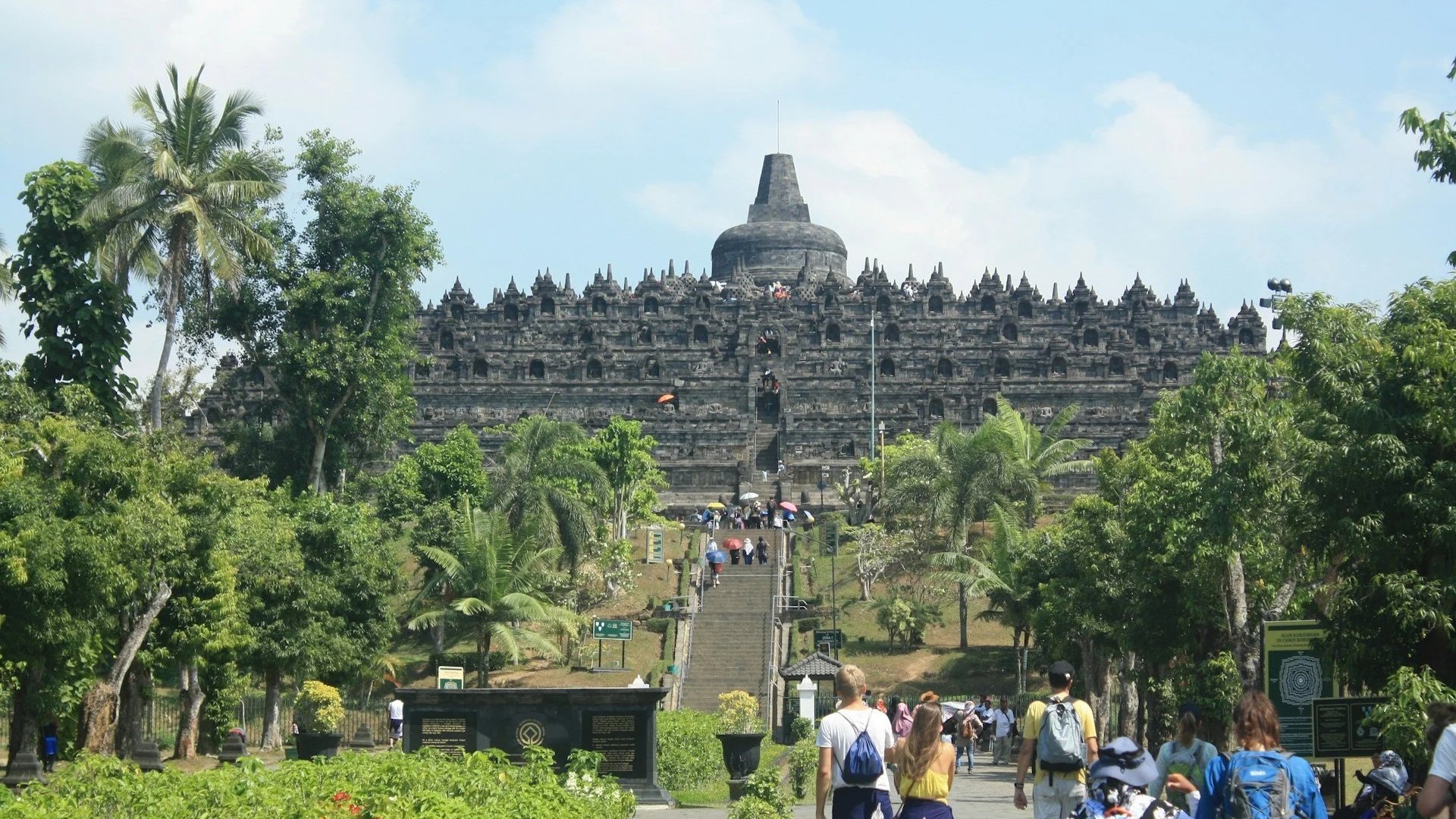
Photo by Maneesh Shahani
From the dawn mist clearing over the world’s largest Buddhist temple on the Kedu Plain to the rhythmic sunset chants atop a Balinese cliffside, Indonesia offers a sensory journey like no other. Indonesia is not just a destination; it is a living tapestry of ancient philosophy and community spirit. As we look toward 2026, the archipelago is shifting its focus toward 'Tourism 5.0'—a movement prioritizing deep, high-quality cultural immersion over mass tourism. Whether you are a 'Glowmad' seeking wellness or a history enthusiast, planning your 2026 journey requires a blend of inspiration and precise timing. We know that navigating international festivals and new entry regulations can feel overwhelming, but this guide will help you step back in time while staying ahead of the curve.
The Golden Age: Borobudur and Prambanan
Your cultural journey begins in Central Java, the heart of Indonesia’s 'Golden Age.' Here, the Mataram style of architecture seamlessly blends Indian religious influences with indigenous Javanese aesthetics.
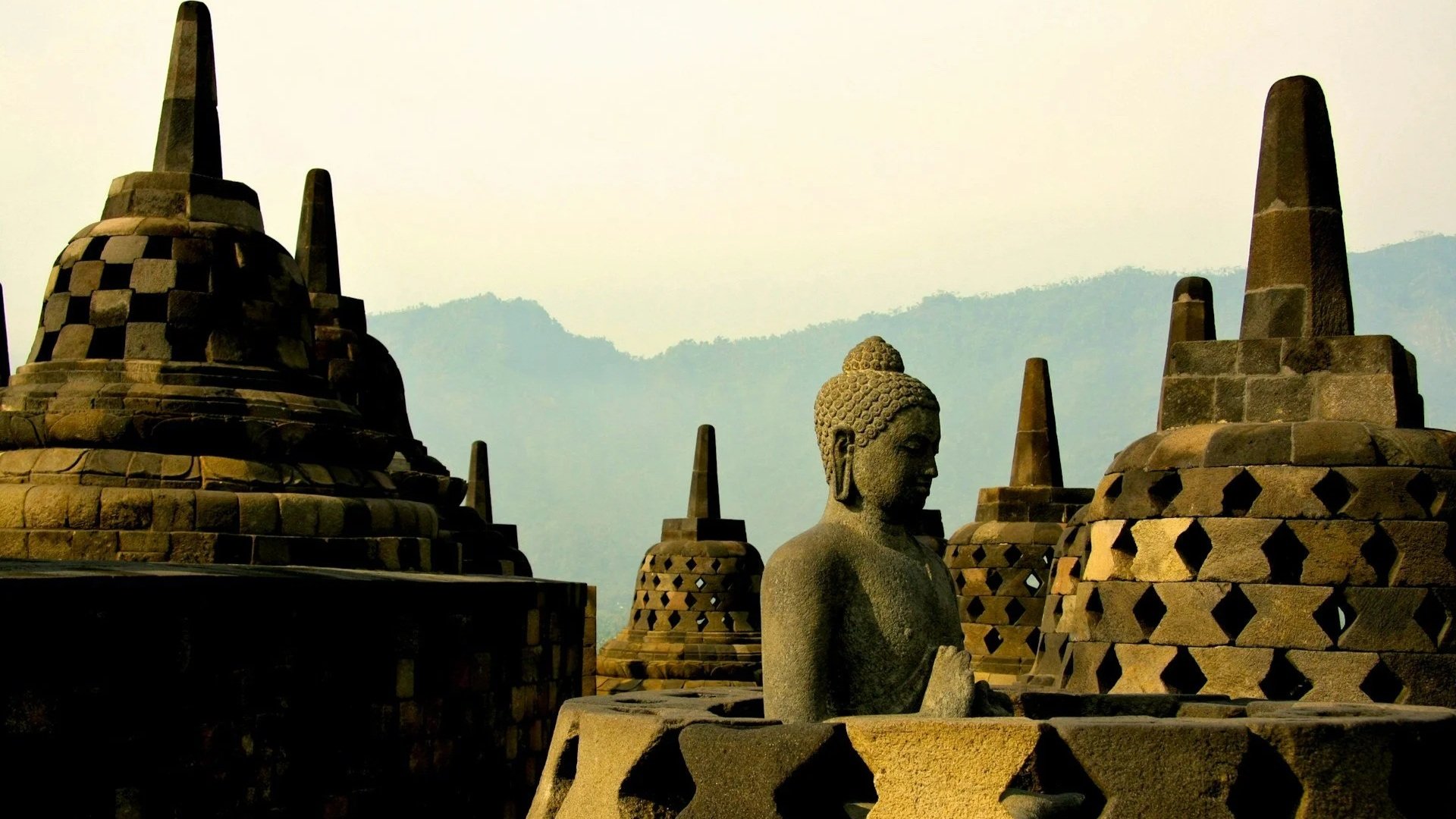
*Photo by Mario La Pergola
*Borobudur: As the world’s largest Buddhist temple, Borobudur is a site of profound pilgrimage. For 2026, strict visitor quotas remain in place. To protect the ancient stone, you must book 'Climb Up' tickets in advance and wear mandatory Upanat woven sandals. You won't just be wandering; you'll be accompanied by a certified storyteller guide who brings the stone reliefs to life.
Prambanan: Not far away, the towering spires of Prambanan showcase the height of Hindu artistry in Indonesia. Together, these sites offer a glimpse into a sophisticated era of spiritual and architectural mastery.
The Art of Slow Travel: Batik and Community
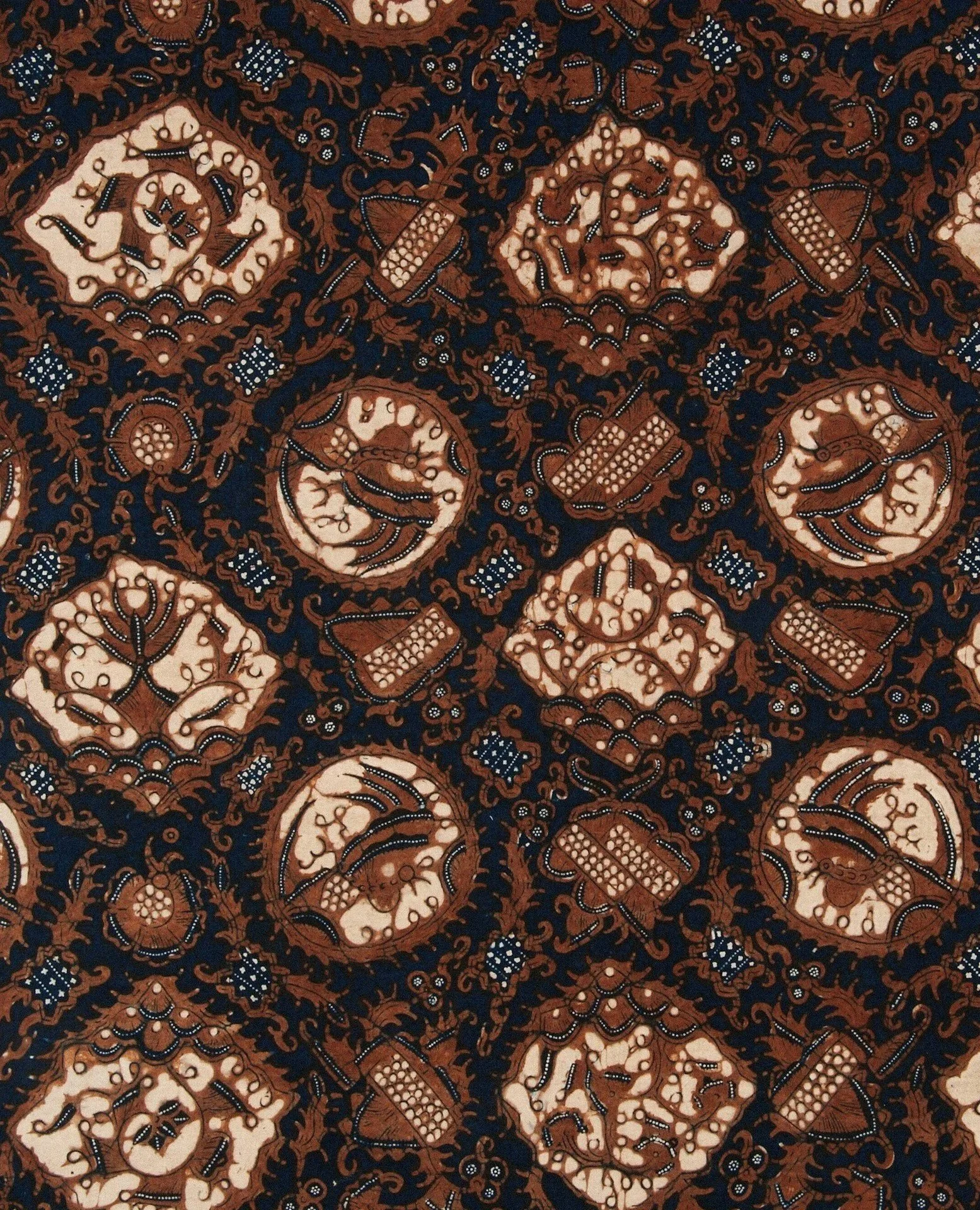
Photo by Europeana
In 2026, the trend is 'slow travel.' Instead of rushing through landmarks, you are encouraged to engage with the soul of the islands through Batik textiles. Recognized by UNESCO, Batik patterns like Parang or Sido Mukti are visual languages representing philosophy and social status.
In the traditional hubs of Solo and Yogyakarta, you can join workshops to learn this delicate wax-resist dyeing process. This connects to the defining Indonesian ethos of Gotong Royong (Mutual Cooperation). This spirit of community is the backbone of the Desa Wisata (Tourism Village) movement. You can participate in village life—from rice planting to canal cleaning—ensuring your travel spend directly supports local sustainability.
2026 Calendar Alert: The Great Silent Convergence
If you are planning a trip in early 2026, mark your calendar for March. This month features a rare and intense 'mega-peak' travel window:
Nyepi (March 19, 2026): Bali’s Day of Silence. For 24 hours, the entire island shuts down. No lights, no flights, and no travel. It is a breathtaking time for reflection, but you must be prepared to stay within your resort.
Eid al-Fitr (March 20-21, 2026): Immediately following Nyepi, the Islamic world celebrates the end of Ramadan.
Because these two massive events converge, expect flight and hotel prices to be at their highest. We recommend booking your March 2026 heritage tours at least 8–10 months in advance to secure your spot.
Essential 2026 Travel Logistics
To ensure your trip is as seamless as a Kecak Fire Dance performance at Uluwatu, keep these practical updates in mind:
🛄 Bali Tourist Levy: The $13 (IDR 150,000) entry tax is mandatory. Save time by paying via the 'Love Bali' portal before you land.
🛄 Mountain Restrictions: New regulations for 2026 have formalized restrictions on climbing sacred peaks like Mt. Agung to preserve their cultural sanctity. Always check with a local guide before planning a trek.
🛄 Pricing Forecast: While the economy is stable, expect a 5–8% increase in luxury cultural immersion packages as demand for private, expert-led tours grows.
🛄 Visa Entry: Ensure you use the Official Indonesia eVisa Portal for all entry requirements.
Indonesia in 2026 offers a rare opportunity to witness a nation balancing rapid modernization with a fierce dedication to its roots. From the silence of Nyepi to the intricate patterns of a hand-drawn Batik, the archipelago invites you to go beyond the surface. Intrigued by the heritage of the islands? Read our deep-dive blog on Javanese history, or message our travel experts to book an exclusive cultural experience with local artisans and historians. Contact Go Beyond Travel today for a personalized consultation and start planning your 2026 masterpiece.
#IndonesianCulture #UNESCO #Temples #Batik #TraditionalDance #Heritage
📦 Key Takeaways
March 2026 features a rare 'Great Silent Convergence' of Nyepi and Eid al-Fitr, impacting travel logistics.
Borobudur access remains strictly regulated with mandatory 'Upanat' sandals and storyteller guides.
Bali has implemented a $13 tourist levy and new restrictions on sacred mountain climbing.
Community-based tourism (Desa Wisata) and Batik workshops in Solo and Yogyakarta are top trends for 2026.
