
The 3-Generation Getaway: Making Multigenerational Travel Work for Everyone
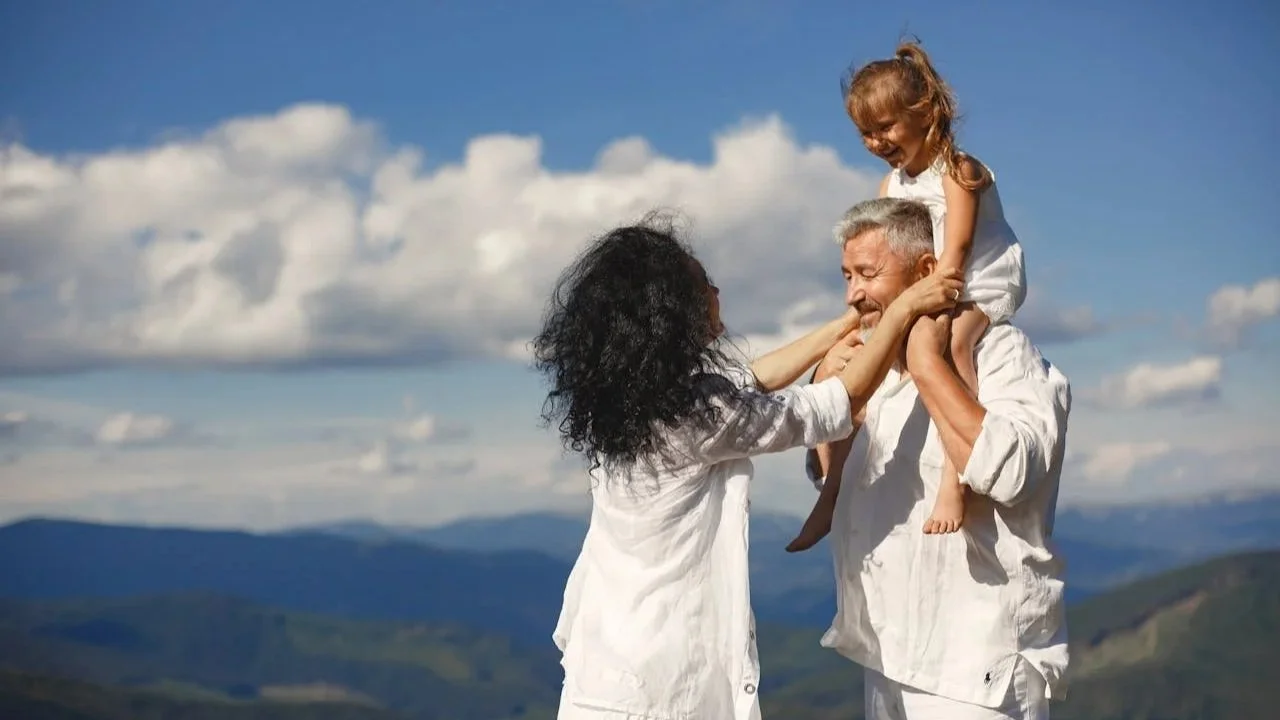
Photo by Gustavo Fring
Imagine three generations learning to make pasta together in a sunlit Tuscan kitchen, then wandering separate but nearby streets—grandparents with a café, kids with gelato—reconvening for dinner. That’s the promise of multigenerational travel in 2026: togetherness without one-size-fits-all schedules. If planning a trip with grandparents, parents, and kids feels overwhelming, this guide gives you practical, future-focused steps so everyone has a meaningful, relaxed holiday.
Why multigenerational travel is the story of 2026
Hilton’s 2026 Trends Report finds almost half of team members (48%) are seeing more families traveling with three or more generations in 2026. Families are designing trips around flexibility and togetherness rather than rigid, one-size-fits-all schedules. That shift affects where you go, where you stay, and what you do together.
What makes a destination “readable” for three generations
A readable destination gives everyone options without fracturing the group. Look for:
Intuitive transport (short trains, simple transfers)
Dense pockets of short-duration “wins” (a piazza, temple, market stall, or park)
Easy split-day logistics so one person can nap or relax while others explore
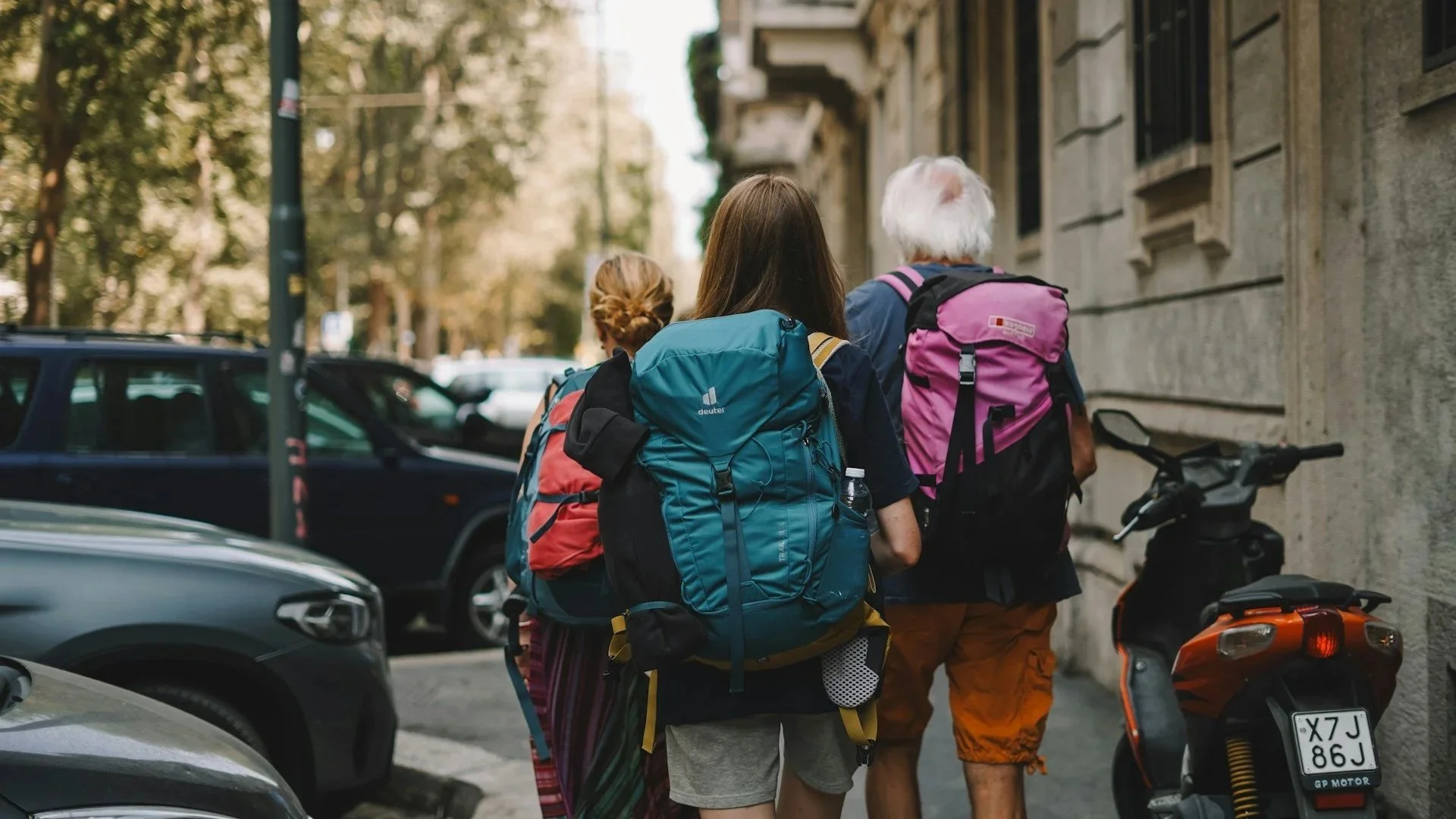
Photo by Lala Azizli
Why Italy and Japan stand out:
📍 Italy: compact historic centers, café/bench culture, and natural day-trip structures (for example Florence ↔ Chianti or Rome ↔ Tivoli) let different ages choose their own intensity while staying close.
📍 Japan: world-class rail, exceptionally safe environments, and neighborhoods that support “choose your own intensity” (grandparents can browse depachika or parks while kids visit arcades or museums).
Tip: Anchor at least one day around a cultural high point to satisfy grandparents and create shared memories—e.g., Venice Biennale (9 May–22 Nov 2026) gives a multigenerational art anchor for Italy trips.
Why villas are the multigen “operating system” (and how they reduce friction)
Parents.com highlights exactly why villas beat hotels for multigen groups: shared common space plus private bedrooms, a kitchen, and laundry. Zicasso data cited in that feature shows multigenerational groups choose villas over hotels at roughly a 4-to-1 ratio.
🗝️ Operational benefits for your group:
One home base reduces decision fatigue and transport complexity
Kitchens let you handle dietary needs, prepare children’s snacks, and accommodate early dinners
Outdoor spaces and private pools are built-in entertainment for kids and downtime for grandparents
Adults can socialize after kids sleep without being trapped in a dark hotel room
⭐ Practical villa tip: pick a villa that’s walkable to a market or village for easy morning coffee runs and short, manageable outings.
Apprenticeships: skills-based bonding beyond sightseeing
The new multigen market loves interactive, learn-together experiences—think in-villa pasta-making in Tuscany or pottery workshops in Japan’s craft towns. These “apprenticeship” experiences do three things:
Create a tangible take-home skill and memory
Offer flexible pacing (half-day classes, relaxed prep, shared meals)
Appeal across ages—grandparents pass on stories while kids love hands-on activity
Concrete 2026 example: a pottery-focused Japan tour (workshops in Mashiko, Arita, etc.) is being offered 23 Nov–3 Dec 2026—proof that skills-driven itineraries are being productized for late 2026 travel.
Planning checklist & practical tips for 2026
📆 Book earlier, lean into shoulder seasons
UNWTO’s January 2026 barometer forecasts ~3–4% international tourism growth in 2026. Demand will remain strong—book villas and key experiences early, and consider shoulder-season travel to reduce costs and crowds.
🧳Monitor border tech and entry rules
Schengen: ETIAS is expected to advance in late 2026 with transitional periods extending into 2027. If you’re traveling to Europe late in 2026, monitor ETIAS announcements and plan for digital/biometric steps.
Japan: Use Visit Japan Web (VJW) for faster airport processing; pre-authorization systems like the proposed JESTA-style process are discussed publicly but are not expected to be mandatory in 2026.
🌤️ Design the day for flexible togetherness
Mornings: staggered activities (a short walk for grandparents, a kid-friendly museum for children)
Early afternoon: quiet downtime at your villa (nap, read, laundry) while smaller groups take outings
Evenings: one shared meal—home-cooked in the villa or a nearby family-friendly restaurant
👩🍳 Choose apprenticeship experiences wisely
For Italy: market-to-table or in-villa cooking classes work well; shopping at a nearby market can be its own gentle outing.
For Japan: consider short-form workshops (pottery, indigo-dyeing) that don’t require long transfers and that offer take-home items.
🛏️ Logistics and accessibility
Prioritize ground-floor bedrooms or villas with accessible bathrooms if grandparents have mobility needs.
Work with local providers who understand multigenerational pacing—many operators now tailor half-day classes or split groups so everyone participates at their own comfort level.
Sample day in a villa hub (what this looks like)
08:30: Coffee run and bakery stop for grandparents and a child duo
10:00: Family cooking class in the villa (you split into two groups: hands-on kids, gentle tasting/observing for those who prefer)
13:00: Lunch together; grandparents rest while kids play in garden
15:00: Short village walk or scenic drive for grandparents and parents; optional playground or museum stop for kids
19:00: Homemade dinner, storytelling, and an old family album—apprenticeship learning becomes family tradition
This pacing keeps options open and reduces the ‘all-or-nothing’ pressure of a busy itinerary.
Creating multigenerational memories in 2026 is about smart choices—pick readable destinations, make a villa your hub, and build apprenticed experiences that everyone can enjoy at their pace. Be proactive about booking and watch border-tech updates (ETIAS for Schengen; Visit Japan Web for Japanese gateways). If the logistics feel overwhelming, you don’t have to do it alone. Message our Go Beyond Travel team to find a villa that fits the whole family and to design apprenticeship experiences tailored to your group. Contact Go Beyond Travel for a personalized consultation.
📦 Key Takeaways
Multigenerational travel is surging in 2026—expect more three-plus generation trips and skip‑gen (grandparents + grandkids) plans.
‘Readable’ destinations like Italy and Japan work best because they offer intuitive transport, lots of short ‘wins,’ and easy split-day logistics.
Villas are the multigen ‘operating system’: shared common space + private rooms + kitchens + outdoor space make group life smoother.
Skills-based ‘apprenticeship’ experiences (cooking, pottery) create deeper bonding and can be built into villa or regional itineraries.
2026 logistics to watch: Venice Biennale runs 9 May–22 Nov 2026; ETIAS is trending for late‑2026 rollouts—monitor timing; use Visit Japan Web for faster airport processing.
Market context: UNWTO expects ~3–4% international tourism growth in 2026—book earlier and use shoulder seasons to save and avoid last-minute stress.
