
The Art of Autumn Travel: Practical Tips for Smooth Fall Road Trips and Flights
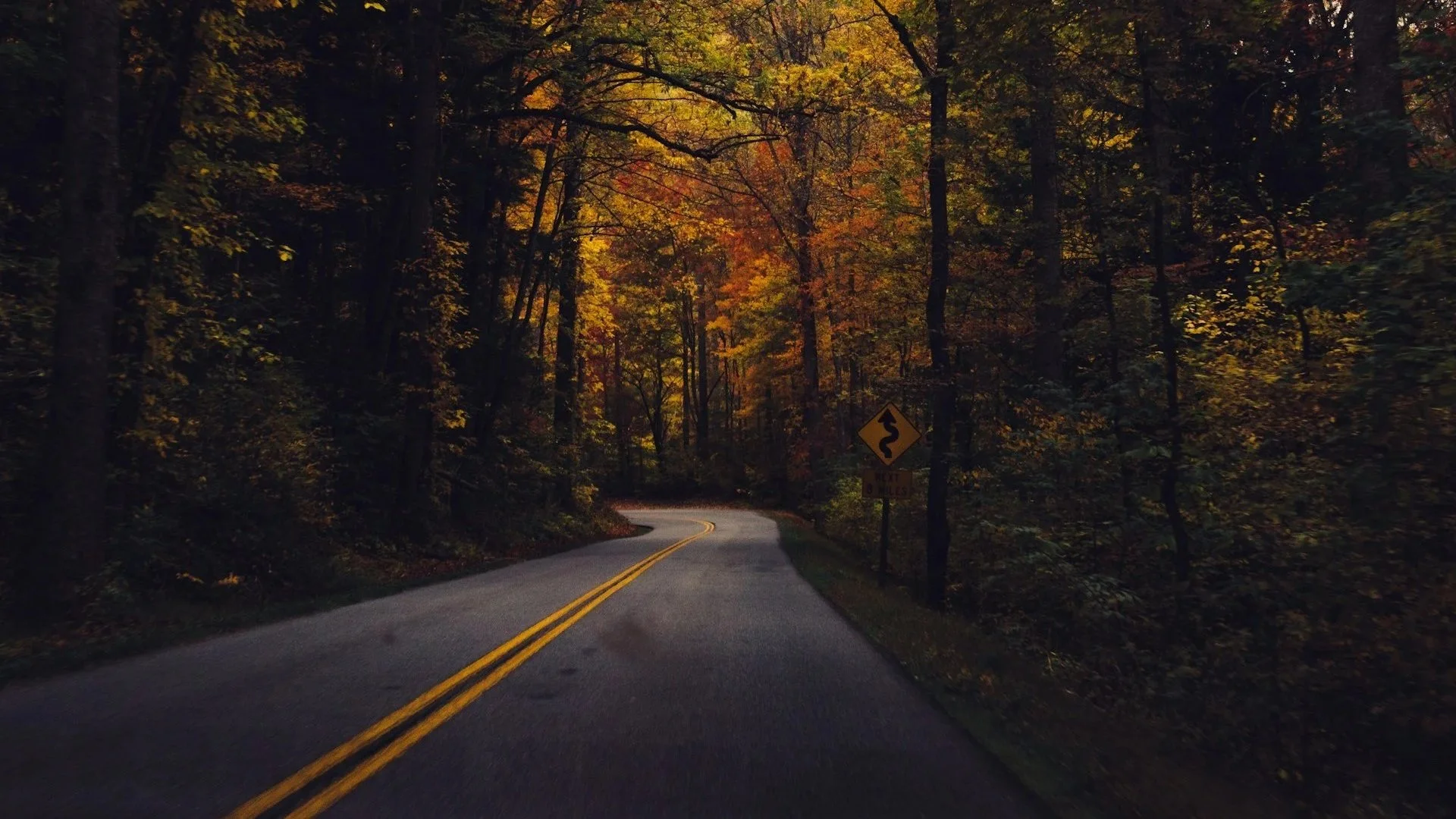
Photo by Jordan Whitt
Fall travel can be the most rewarding — and the trickiest — season to plan. In 2026, shoulder-season savings, dramatic foliage, and quieter routes are waiting, but cooler mornings, slick leaf-covered roads, and shifting microclimates demand a practical plan. If the idea of packing, booking, and driving into the unknown feels overwhelming, this guide gives you clear, actionable steps so you can focus on the views, not the logistics.
Pack Smart: Layering for Fluctuating Fall Temperatures
The best packing rule for autumn: fewer bulky "warm" items, more modular pieces. Rely on a system: a moisture-wicking base layer, an insulating mid-layer, and a weatherproof shell. This stack covers warm afternoons, cool mornings, windy overlooks, and damp evenings without overpacking.
Base layer choices:
Synthetics — fastest-drying and excellent at moisture transport (good for high-activity days).
Merino wool — superior odor control and useful insulation even when damp (handy for multi-day trips with limited laundry).
Mid-layer: lightweight fleece or packable down/synthetic jacket.
Shell: breathable, weatherproof jacket (wind + rain protection).
Practical tip: pack modular pieces you can add/remove quickly when you cross sun/shade lines or change elevation.
Road-Trip Safety: Plan for the Three Big Seasonal Hazards
Autumn driving brings specific risks. Build them into your plan:
1) Wet leaves and hidden hazards
Wet leaves can be as slick as ice and may conceal potholes or faded lane paint. Slow down on leaf-covered scenic roads and increase following distance.
2) Deer collision risk (Oct–Dec)
Deer movement rises in fall with migration and mating patterns. The shorter daylight hours mean more driving in low light — drive cautiously at dawn, dusk, and night.
3) Sudden weather shifts
Fog, frost, and unexpected rain can appear quickly in shoulder season. Always include buffer time in your schedule and identify “plan B” roads (lower-elevation alternates or main highways) in advance.
Safety checklist for drivers:
Reduce speed on leaf-covered roads.
Increase following distance.
Scan shoulders and wooded edges (especially at dawn/dusk).
Map alternate routes and allow extra travel time for slowdowns.
(These fall-driving hazards are highlighted in guidance from AAA and road-safety groups.)
Shoulder-Season Airfare Strategy for Fall 2026
Fall 2026 represents a classic shoulder-season opportunity: post–Labor Day through October often yields good value before holiday demand spikes. Use a disciplined approach:
Timing rules of thumb:
Domestic: monitor fares and target roughly 1–2 months before your trip (route-dependent).
International: expect to monitor and book several months out; start watching earlier and set alerts.
Set price alerts early (Google Flights, airline sites, and price-tracking tools).
Avoid paying a “first dibs” premium by tracking price movement and purchasing when fares drop inside typical windows.
Practical booking tip: balance patience with readiness. Track fares, but be prepared to buy when prices dip into your target range — Fall 2026 mid-September through October is frequently a strong window for shoulder-season savings, according to travel-analysis coverage.
Mountain Microclimates: Pack and Plan for Rapid Changes
When your route goes valley-to-peak, expect big temperature swings over short distances. Sun exposure, wind, and elevation can turn a mild valley morning into a blustery peak afternoon.
Treat mountain segments like a different season: have wind- and rain-proof layers immediately accessible.
If you’re driving mountain roads, add extra buffer time; fog or frost can dramatically slow progress.
Consider leaving bulky gear in the car but within reach so you can adapt without unpacking.
Quick Pre-Trip Checklist (Practical Logistics)
Set airfare price alerts and monitor through the recommended Fall 2026 window.
Build an alternate-route plan for every major driving segment (lower-elevation alternates, highways).
Pack modular clothing: base + mid + shell; prioritize merino or synthetic base layers.
Load emergency kit for the car: flashlight, blanket, basic tools, water, and a charged phone/power bank.
Check NOAA/CPC Fall 2026 seasonal outlooks for regional temperature/precipitation trends, but remember mountain microclimates can differ significantly.
Tools & Sources to Use
NOAA/CPC seasonal outlooks for Fall 2026 probability maps and broad regional guidance.
AAA and road-safety resources for fall driving hazards and deer-risk awareness.
Reputable airfare guidance (monitoring and typical 2026 booking windows) and live tools like Google Flights or airline sites when deciding when to buy.
(Links to these authoritative resources are listed below for your planning convenience.)
Autumn 2026 offers quieter roads, vivid landscapes, and smart savings — if you plan with the season’s quirks in mind. Pack modular layers, plan for three seasonal road hazards (wet leaves, deer in Oct–Dec, sudden weather shifts), and use a disciplined airfare-alert strategy to capture shoulder-season value. If the details still feel overwhelming, let us help. Planning a seamless autumn road trip or overseas flight takes the right strategy. Drop us a line to connect with a travel specialist who can handle your car rentals, scenic rail passes, and hotel bookings. Have a favorite fall packing hack? Leave a comment below, or explore our site for more expert seasonal travel tips!
#FallTravelTips #PackingLight #AutumnRoadTrip #TravelSmart #ShoulderSeasonTips
📦 Key Takeaways
Layering (moisture-wicking base + insulating mid + weatherproof shell) is the most space-efficient way to handle fluctuating fall temps.
For Fall 2026 deals, mid-September through October is a strong shoulder-season booking window — set alerts but avoid 'first-dibs' premiums.
On scenic fall roads, plan for three seasonal hazards: slick wet leaves, increased deer activity (Oct–Dec), and sudden weather shifts.
Treat mountain travel as a different 'season' from the valley: pack wind/rain protection even if lodging forecasts look mild.
Use buffer time and alternate lower-elevation or main-highway routes in your road-trip plans to stay flexible and safe.
