
The "Boutique Isolation" Trend: Why Travelers are Choosing Private Islands Over Megaresorts
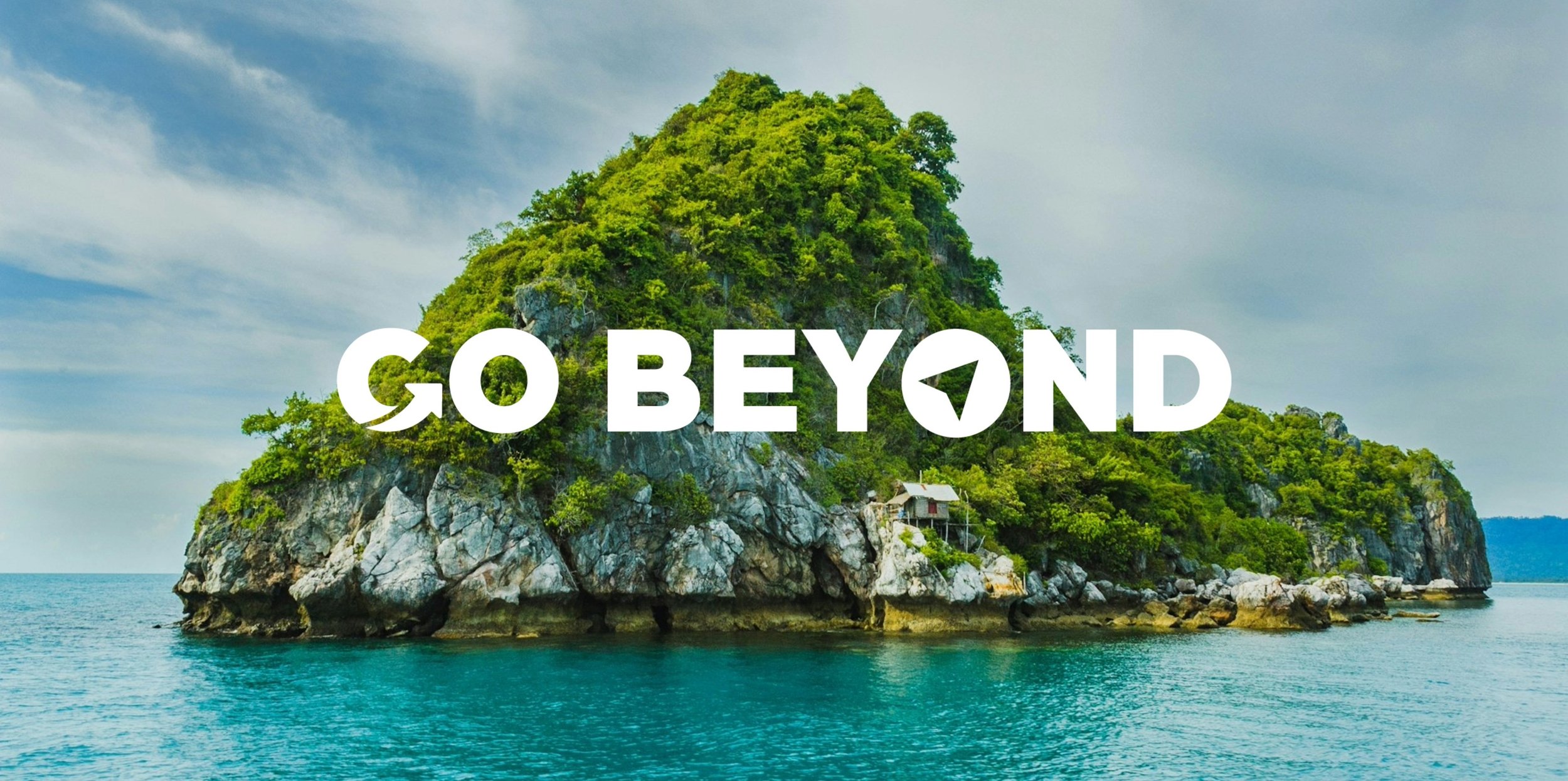
Original photo by Tom Winckels
Tired of shoulder-to-shoulder beaches and crowded infinity pools? In 2026, luxury travelers are trading scale for space — seeking hyper-private villas, island buyouts, and low-impact eco-lodges that prioritize solitude, service, and meaningful conservation. If you want a quieter, greener kind of luxury, this is the year to plan for boutique isolation.
What is “Boutique Isolation”?
Boutique Isolation is a 2026 travel approach that trades mass-market amenities for privacy, purposeful design, and low guest counts. It includes private-island buyouts, intimate villa clusters, and eco-lodges that can meaningfully reduce crowding while offering high-touch, highly personalized service.
Why this matters for your 2026 trip
Overtourism fatigue + climate anxiety are reshaping what luxury means: more space, fewer people, and experiences that feel responsible.
Industry signals for 2026 back this up: Virtuoso advisors expect continued strong demand (67% foresee a slight-to-significant increase in travel) and many (55%) predict higher spend per trip — travelers are willing to pay for solitude and meaning.
Expedia Group (TAAP) frames sustainability as a modern status marker: eco-certifications and responsible design are increasingly important when you choose where to stay.
2026 openings and supply to watch
If you’re planning boutique-island or private-villa travel in 2026, keep these pipeline examples on your radar (openings are subject to change):
📍 The Botany, St. Thomas, U.S. Virgin Islands — projected Summer 2026; 23 villas in a private/gated setting, positioned for seclusion and buyouts.
📍 Four Seasons Resort & Residences Dominican Republic at Tropicalia — projected Early 2026; marketed with sustainable-luxury cues and nature-forward experiences (including sea turtle conservation).
Smaller properties like these naturally support higher staff-to-guest ratios and curated, low-impact guest programming.
How to plan your low-impact private-island escape in 2026

✅ Booking checklist (what to ask your advisor and property)
Can the property accommodate exclusive-use buyouts or a private villa buyout, and what is the typical minimum stay?
What is the staff-to-guest ratio and how are experiences personalized (private guides, dedicated chef, bespoke excursions)?
Which sustainability credentials, conservation partnerships, or marine-protection fees support local projects?
Do the on-site operators require or recommend mineral/reef-safe sunscreen and low-impact snorkeling/diving protocols?
How do arrival logistics look (recommended flight routings, local transfers, buffer times for missed connections)?
🤿 On-the-ground behavior and experiences
Expect reef-safe norms: many operators are enforcing mineral-sunscreen rules in marine-sensitive areas even where local law is less strict.
Choose operators who offer conservation participation (turtle tagging, reef monitoring, citizen science excursions) — small properties can often deliver authentic, small-group programs.
Look for transparent marine park fees or conservation surcharges that fund patrols and local enforcement — that fee can be a high-impact use of your travel dollars.
Travel logistics that matter in 2026
Schengen EES (Entry/Exit System) rollout and new biometric processing can affect arrival queues during adoption phases — allow extra time when routing through Europe.
ETIAS is expected to roll out in late 2026 for many travelers visiting Schengen countries; missing pre-travel steps can jeopardize tight island-hop connections, so plan approvals well ahead of departure.
For remote island itineraries, build cushion time between international arrivals and your final local connection. Private transfers and charter options reduce stress but require early booking.
Timing, events & conservation hooks for 2026
World Environment Day — June 5, 2026
World Ocean Day — June 8, 2026
World Oceans Week (The Explorers Club) — June 1–5, 2026
UN Tourism / PATA Forum on Tourism Trends and Outlook — Oct 19–21, 2026 (industry confirmation of 2026 trends)
Tie your boutique escape to these moments for meaningful programming, volunteer opportunities, or conservation partnerships that amplify impact.
Practical packing & prep notes for 2026
Bring mineral-based (reef-safe) sunscreen and biodegradable toiletries; many properties will enforce reef-safe rules in sensitive marine destinations.
Pack versatile clothing for private dinners and conservation excursions — small properties often blend barefoot luxury with fieldwork-ready gear.
Download and confirm any pre-travel entry authorizations early (ETIAS, Visas) to avoid disrupting remote transfers.
Budget & value: why smaller can be worth it
Boutique isolation is not always the cheapest option, but value is multifaceted in 2026: price buys privacy, reduced crowds, higher staff attentiveness, and conservation-backed experiences. With many advisors forecasting increased per-trip spend, you can expect to pay a premium — but often with a higher perceived return on experience quality.
A quick checklist before you book
✔️ Confirm exclusive-use options and minimums.
✔️ Ask for a sample daily itinerary to verify personal touches and conservation activities.
✔️ Verify reef-safe rules and ask how guest fees support local protection.
✔️ Build buffer time for new entry systems (EES/ETIAS) and tight connections.
Boutique Isolation is more than a trend — it’s a recalibration of luxury toward space, service, and purpose. In 2026, choosing a small island property, private-villa buyout, or eco-lodge can give you genuinely restorative travel while supporting conservation and local communities. Ready to ditch the massive crowds and design a private, low-impact escape tailored to your needs? Contact Go Beyond Travel for a personalized consultation — we’ll match you with the right boutique property, handle logistics (including entry requirements), and design conservation-forward experiences that matter.
#TravelTrends #BoutiqueTravel #PrivateIsland #EcoTourism #LuxuryEscape
📦 Key Takeaways
“Boutique Isolation” is a leading 2026 luxury trend: travelers value space, privacy, and slower itineraries.
Sustainability and conservation are mainstream decision factors — think reef-safe behavior and conservation experiences built into stays.
Smaller properties and private-villa models deliver higher staff-to-guest ratios and truly personalized service.
Watch key 2026 openings like The Botany (St. Thomas, Summer 2026) and Four Seasons Tropicalia (Early 2026) for privacy-forward options.
Plan logistics early: new entry systems (Schengen EES, ETIAS rollout) and connection buffers can make or break remote itineraries.
Tie trips to conservation calendar hooks (World Environment Day / World Ocean Day) to add meaning and impact to your escape.
