
The Frankincense Trail: Uncovering Oman’s Ancient Maritime Soul
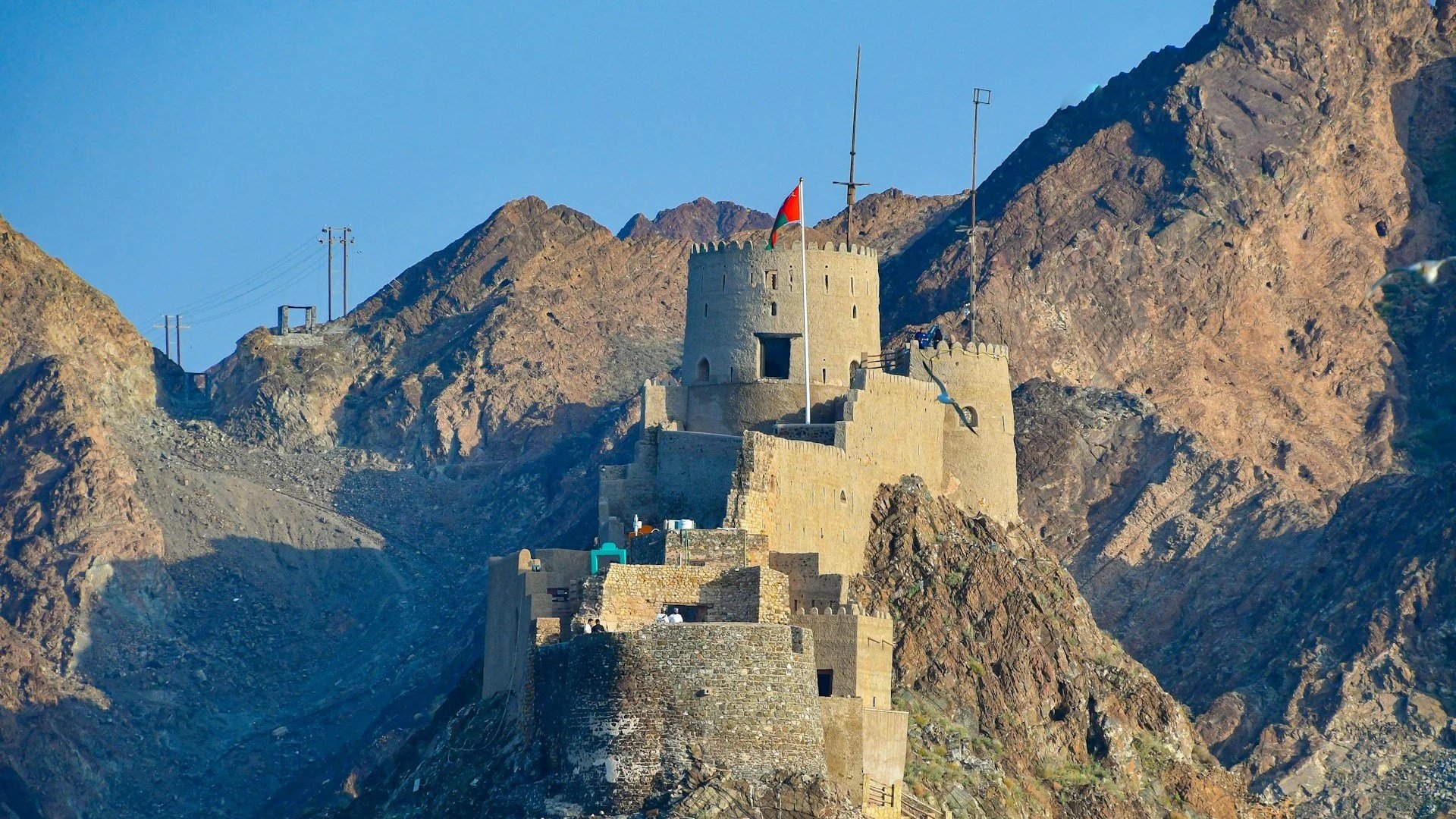
Photo by SnapSaga
Follow the scent of incense and the wake of ancient dhows to a landscape where maritime power, desert caravan routes and warm hospitality meet. If you want to experience Oman’s seafaring soul in 2026 — from the green khareef of Dhofar to the dhow yards of Sur and the stone walls of Bahla — this practical guide helps you plan a safe, meaningful heritage trip that connects you to living traditions.
Why Oman’s coast still feels like an empire of the sea
Across the Indian Ocean, Oman’s ports and coastal towns — notably Sur on the Gulf of Oman and the ports of Dhofar — sat at the crossroads linking Arabia to East Africa, Persia and South Asia. That maritime network made frankincense one of antiquity’s luxury trades, shipped out of fortified ports and caravan oases that together form the story travelers can follow today.
Walk the Frankincense Trail (Dhofar / Salalah)
UNESCO’s “Land of Frankincense” is a compact, walkable trail of sites that narrate production, trade and arrival by sea:
Wadi Dawkah — the living landscape of Boswellia (frankincense) trees and the harvesting grounds where you can learn how resin is collected.
Shisr/Wubar — a caravan station and oasis, the kind of stopover that linked inland routes to the coast.
Khor Rori / Sumhuram — a fortified port and entrepôt showing how frankincense reached ships and markets.
Al Baleed (near Salalah) — the historic port city where urban life and maritime commerce met.
Visiting these four components gives you a full arc: tree to caravan to port to city. In 2026, this trail is especially meaningful because living traditions tied to the region are receiving renewed international attention.
Forts, water and town life: why forts are Omani
Oman’s landscape is dotted with forts and fortified towns — a signature of how communities defended and managed vital resources. Bahla Fort (a UNESCO World Heritage site) is a prime example: its walls, towers and integration with the falaj irrigation system show why forts were inseparable from water control, agricultural sustainability and trade-route security. When you visit a fort, look for the falaj channels and imagine how water, people and commerce shaped daily life.
Sur: shipyards, dhows and living craftsmanship
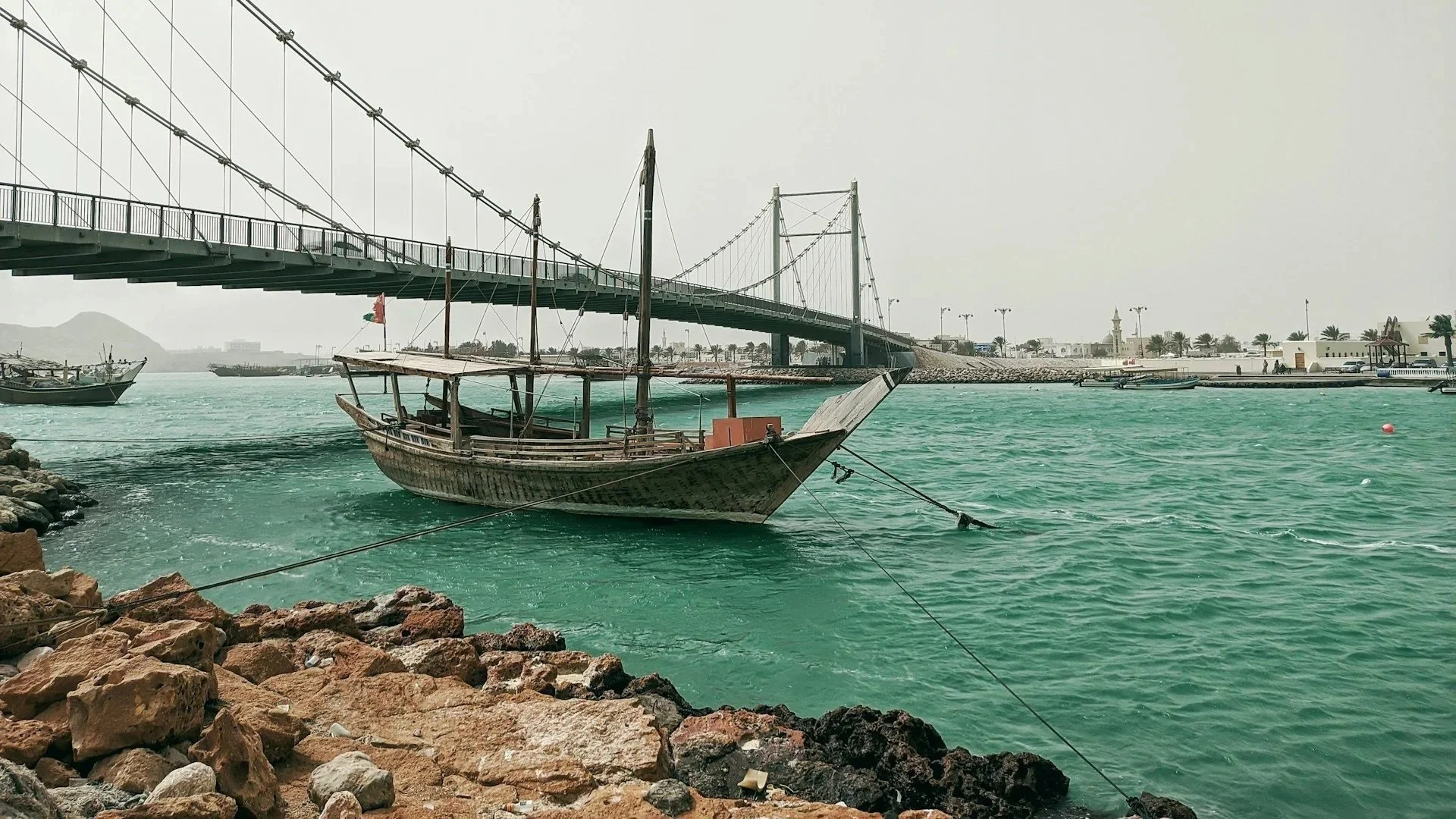
Photo by Jithin Daniel James
Sur continues to be internationally recognized as one of the last places where traditional wooden dhows are hand-built. The craft is living but under pressure — visiting the boatyards gives you a chance to watch skilled carpenters work with wood, ropes and sails, and to support an endangered maritime tradition by choosing local, community-led experiences.
Hospitality as heritage: majlis, coffee and 2026 recognitions
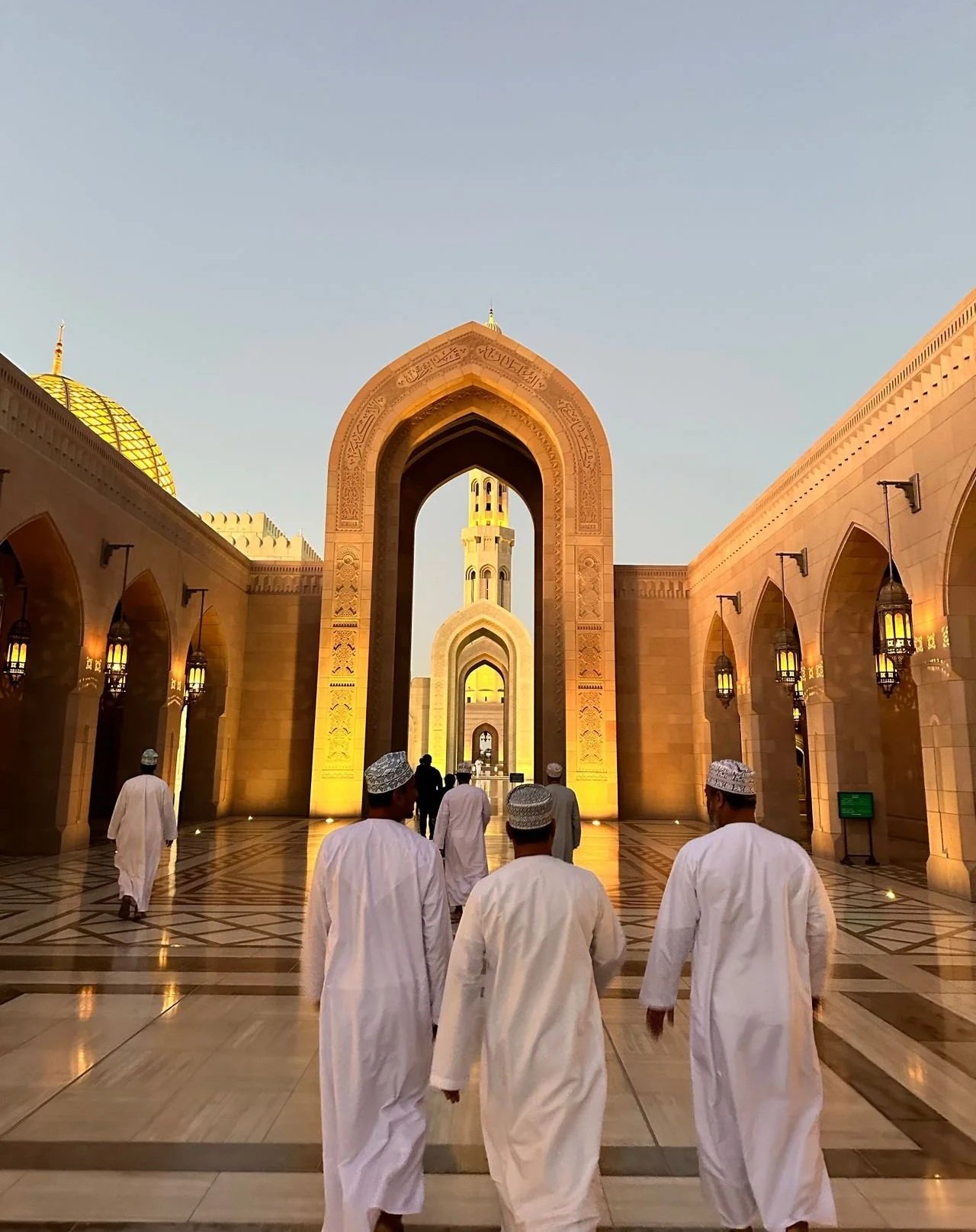
Photo by Tawheed A.
Omani hospitality is more than a travel perk — it’s cultural infrastructure. The majlis (a social space for receiving guests and exchanging news) is listed by UNESCO as intangible heritage and remains central to social life. In 2026 Oman also sees fresh entries on UNESCO’s Representative List, including the oud instrument, plant-fiber crafts (Al Saafiyat), Al-Razha and the harees dish. These recognitions underline that music, craft and cuisine are living practices you can encounter on the ground — from a shared cup of Arabic coffee to musical performances and traditional foods.
Practical planning for the 2026 season
Khareef (Salalah/Dhofar green season): typically late June–mid-September. The landscape turns lush and cooler — perfect for those drawn to Dhofar’s monsoon-driven transformation. Exact 2026 dates are often listed as TBA; treat the late June–mid-September window as guidance and confirm locally before you travel.
Muscat events: some sources list Muscat Festival / Muscat Nights as Jan 1–31, 2026 — this is not independently verified in government calendars and should be checked with official event listings.
How to make your visit meaningful and responsible
Hire a local heritage guide to interpret frankincense production, fort architecture and dhow-building — this supports local knowledge keepers.
Respect majlis etiquette: accept hospitality graciously, follow host cues, and understand that these spaces are active social institutions, not staged performances.
Support crafts and food traditions recognized in 2026 (music, plant-fiber weaving, harees) by attending community workshops and licensed craft centers rather than buying mass-produced souvenirs.
When visiting natural sites (Wadi Dawkah) stick to designated paths and follow conservation rules to protect Boswellia groves.
Sample itinerary sketch (5–7 days)
Day 1–2: Salalah — Al Baleed museum area, local markets, Khareef drives if in season.
Day 3: Wadi Dawkah and a frankincense harvesting demonstration.
Day 4: Khor Rori / Sumhuram and the caravan landscapes around Shisr/Wubar.
Day 5–6: Fly to Muscat region, explore forts (including a stop at a major fort like Bahla if overland), and travel on to Sur to see dhow yards.
Day 7: Depart or extend with coastal cruises or a guided cultural exchange in a majlis.
Planning note: adjust this sketch by season, your pace, and current travel advisories; always book guided experiences in advance for the best access and impact.
Oman in 2026 offers a rare mix: living maritime craft, a mapped frankincense trail that connects tree to port, and hospitality practices earning new international recognition. Whether you’re drawn to the green khareef of Dhofar, the stone fortifications and falaj systems inland, or the last great dhow yards of Sur, a carefully planned trip can connect you to these continuing traditions while supporting the communities who keep them alive. Walk in the footsteps of ancient merchants — contact our travel experts to add a heritage guide to your itinerary, and explore our website for more cultural deep-dives. Contact Go Beyond Travel for a personalized consultation.
#OmaniHistory #FrankincenseTrail #SurDhows #UNESCOHeritage #CulturalTravel
📦 Key Takeaways
The UNESCO “Land of Frankincense” in Dhofar maps a trail of production, ports and caravan stations: Wadi Dawkah, Shisr/Wubar, Khor Rori/Sumhuram and Al Baleed.
Oman’s forts (exemplified by Bahla Fort) are integrated with water systems and trade routes — they’re as much about community survival as defense.
Sur remains one of the last places where wooden dhows are built as a living craft, offering an authentic shipbuilding experience.
Omani hospitality is a living practice (majlis, Arabic coffee, food traditions) receiving fresh UNESCO recognition in 2026; plan to meet local hosts respectfully.
For 2026 travel planning you must check the U.S. State Department advisory (Level 3: Reconsider Travel, updated Mar/Apr 2026) and follow local guidance.
