
The Heart of the Nation: Exploring the Heritage and Traditions of Portugal

Original photo by Jeet Sandhu
As we look toward the 2026 travel season, Portugal stands as a beacon for those seeking more than just a vacation. It is a destination where history isn't tucked away in dusty books but is lived daily on every tiled street corner and felt in every haunting Fado melody. If you are yearning for a journey that connects you to the 'Heart of the Nation,' 2026 is the perfect year to explore the deep-rooted traditions and maritime legacies of this coastal gem. From the golden stone of Manueline cathedrals to the blue-and-white whispers of the Azulejos, let's dive into the heritage that makes Portugal truly unique.
The Visual Poetry of Azulejos
Walking through the streets of Lisbon or Porto in 2026 is like walking through an open-air art gallery. The Azulejos—Portugal’s iconic hand-painted ceramic tiles—are more than just decoration; they are a ceramic chronicle of the nation's history.

Photo by Angèle Kamp
In 2026, we recommend moving beyond the typical tourist spots. While the São Bento Railway Station in Porto remains a masterpiece with its 20,000 tiles, consider visiting the National Tile Museum (Museu Nacional do Azulejo) in Lisbon. Here, you can witness the evolution of this craft from its Moorish roots to contemporary designs. For a truly immersive 2026 experience, book a tile-painting workshop in the Alfama district. Not only will you learn the delicate technique, but you’ll also take home a piece of Portuguese soul that you created yourself.
Fado: The Sound of the Portuguese Soul

As the sun sets over the Tagus River, head into the narrow, winding alleys of Alfama. This is the birthplace of Fado, the hauntingly beautiful music defined by the concept of saudade—a deep, melancholic longing.
For the 2026 season, "Fado Vadio" (amateur Fado) remains the most authentic way to experience this tradition. Small taverns like A Baiuca or Tasca do Chico offer an intimate setting where locals and professionals alike pour their hearts out.
⭐ Pro Tip: In 2026, authentic Fado houses are smaller and fill up quickly. Always book your table at least two weeks in advance, especially if traveling during the peak months of May through September.
Manueline Architecture: A Legacy of the Great Navigators
To understand Portugal's identity, you must look at the stone. The Manueline style is a uniquely Portuguese architectural language that emerged during the Age of Discovery. It is characterized by intricate carvings of maritime elements: ropes, coral, armillary spheres, and sea creatures.
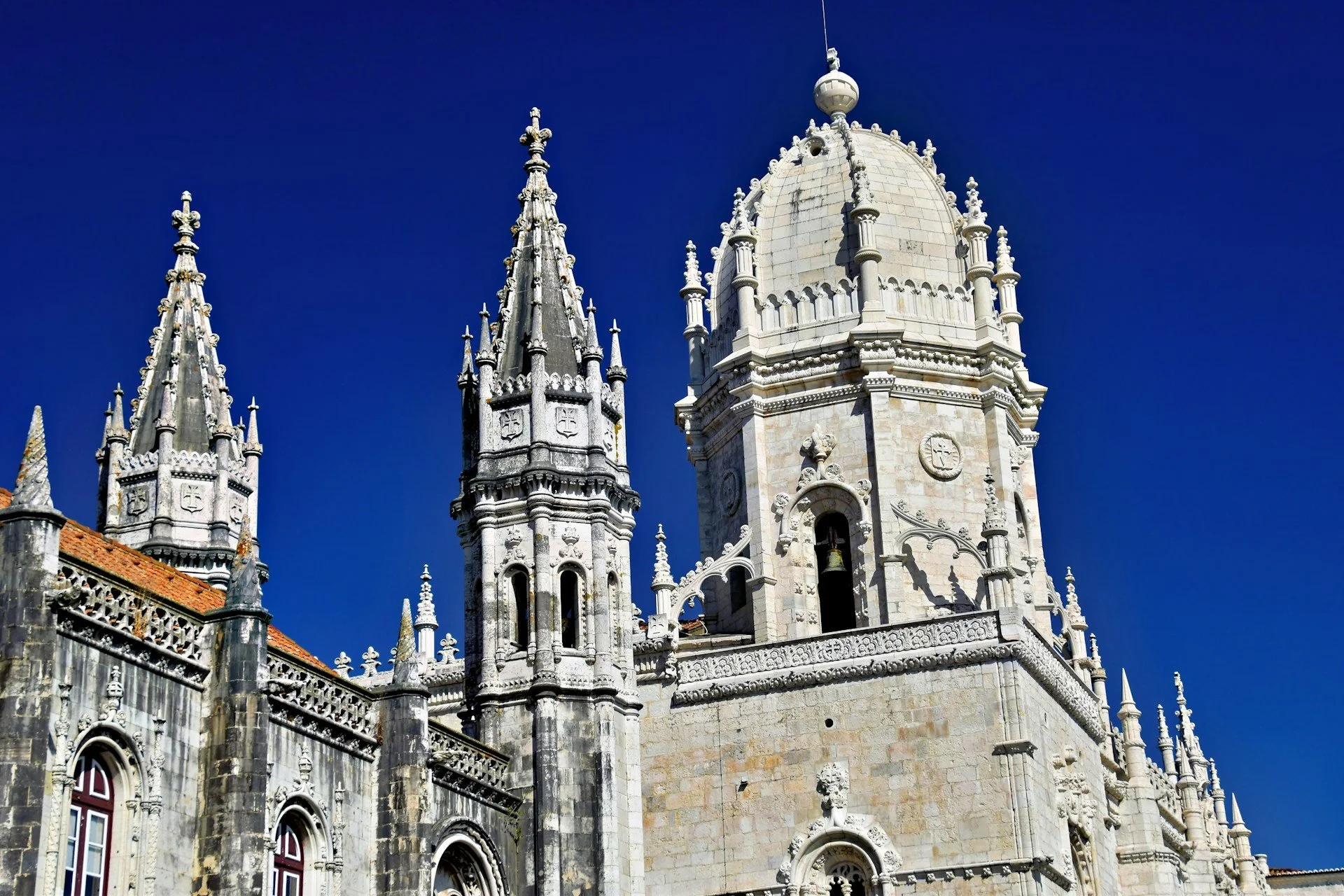
Photo by Jeffrey Eisen
Visit the Jerónimos Monastery and the Belém Tower to see this "Great Age" frozen in time. These monuments are not just beautiful structures; they are symbols of a time when Portuguese explorers like Vasco da Gama and Ferdinand Magellan reshaped the world's trade routes. Their voyages connected Europe to Africa, Asia, and the Americas, making Portugal the first truly global empire.

Essential 2026 Travel Planning
Planning a trip to Portugal in 2026 requires a bit of foresight. Here is what you need to know:
ETIAS Requirement: Starting in late 2026, travelers from visa-exempt countries (including the US and Canada) will need to apply for an ETIAS authorization before arrival. Ensure your passport is valid for at least six months beyond your stay.
Sustainable Travel: Portugal is leaning heavily into "Slow Travel" for 2026. Instead of rushing between cities, spend more time in one region—like the Alentejo or the Douro Valley—to truly connect with the local heritage.
Best Time to Visit: To avoid the 2026 summer crowds while enjoying perfect weather, aim for the "shoulder seasons" of late April to June or September to October.
Exploring the heritage of Portugal is a journey through time, art, and emotion. From the intricate carvings of the Age of Discovery to the soulful notes of a Fado guitar, every corner of this nation tells a story of resilience and beauty. As we look forward to the 2026 travel season, there has never been a better time to experience these traditions firsthand. Want to dive deeper into world history? Check out our other blog posts on the topic of global culture! Ready to start planning your 2026 adventure? Contact Go Beyond Travel today to create your perfect Portuguese itinerary!
#Fado #MaritimeHistory #Azulejos #CulturalTravel #Traditions #EuropeanHistory
📦 Key Takeaways
Fado Performances: Secure your dinner show reservations in Alfama at least two weeks early to guarantee a spot for the busy 2026 season.
Jerónimos Monastery: Arrive early in the morning to avoid large 2026 tour groups and view the intricate Manueline architecture in peace.
ETIAS Application: For visits in late 2026, ensure you have applied for and received your mandatory ETIAS travel authorization.
Cultural Workshops: Join a tile-painting class for a unique, hands-on experience with traditional Portuguese azulejo art.
Slow Travel Trend: Embrace the "Slow Travel" movement to discover authentic local heritage tucked away from the main tourist crowds.
