
The Land of Castles and Song: Discovering Wales’ Living Heritage and Language
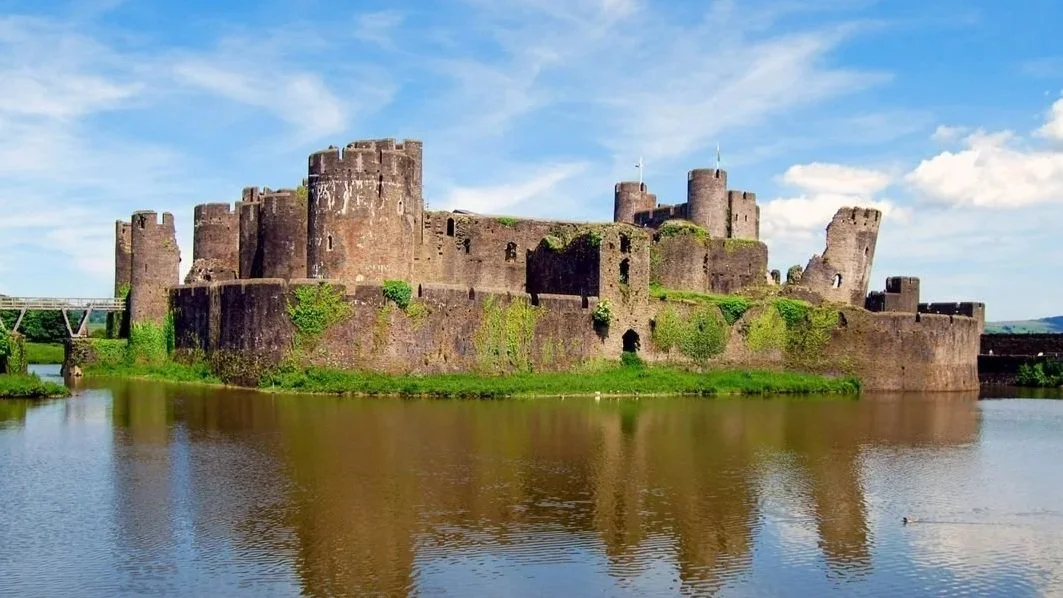
Photo by Mike Norris
Imagine walking a battlement where kings once surveyed the sea, then hearing a chorus of Welsh voices rise in song down the lane — that is Wales in 2026: a place where medieval stone and living language meet. If planning feels overwhelming, this practical guide helps you lock in dates, avoid crowds, and experience Wales’ castles, Cymraeg and festival life with confidence.
Why 2026 is a special year to visit Wales
Wales is not a museum piece — it’s a living culture. In 2026 you can time your trip to festivals that celebrate language, music and community, while walking UNESCO-listed castles that still host living-history events. Two festival highlights anchor the season and provide authentic, time-sensitive reasons to plan now.
Festival anchors to plan around
National Eisteddfod Genedlaethol 2026: 1–8 August 2026 in North Pembrokeshire (Llantwd/Llandudoch area near Cardigan). The 2026 edition explicitly links to the 850th anniversary of the first recorded Eisteddfod in 1176 — a powerful cultural hook if you want to witness Welsh-language literature, music and poetry at scale.
Eisteddfod yr Urdd 2026: 23–29 May 2026 on Ynys Môn (Anglesey) at the Anglesey Agricultural Showground near Gwalchmai. In 2026 the Urdd event expands to seven days for the first time, making it particularly attractive for families and youth-focused cultural immersion.
Both festivals are living heritage: more than performances, they are community practice. If you want to experience Cymraeg used day-to-day, these weeks are prime.
Castles: the architecture and the programming
Cadw, the Welsh Government’s historic environment service, manages headline fortress sites and programs year-round events — guided tours, living-history demonstrations, medieval storytelling and themed days are regularly scheduled and filterable by place and time. Cadw’s site pages (for example Caernarfon) already list summer 2026 pricing and operational notices, so check them as you plan.
A must-see cluster for first-time visitors is the UNESCO World Heritage Site grouping "Castles and Town Walls of King Edward in Gwynedd": Conwy, Caernarfon, Harlech, Beaumaris and the town walls at Conwy and Caernarfon. UNESCO describes these as among the finest examples of late-13th/early-14th-century military architecture in Europe — perfect for dramatic photos and immersive guided tours.
The living language: Cymraeg in everyday life
Cymraeg is visible and growing. The Welsh Government’s Cymraeg 2050 strategy aims for one million Welsh speakers by 2050 and to double the share of people who speak Welsh daily (baseline ~10% in 2013–15). That means bilingual signage, announcements and programming are not decorative — they are part of daily life. Embrace it:
Learn a few phrases before you go — locals appreciate the effort.
Attend Eisteddfod events to hear Welsh-language music, literature and performance in context.
Use local guides (many are bilingual) to decode place names and cultural references.
Practical planning — entry, timing and bookings for 2026
We know travel planning can feel stressful. Here are clear, actionable steps to reduce friction:
Before you book
Check ETA requirements: UK Electronic Travel Authorisation (ETA) enforcement begins 25 February 2026 for many travellers who previously entered visa-free. Secure your ETA before boarding.
Review Cadw pages for the specific castles you want to visit (many list summer 2026 notices and event calendars).
Timing and availability
Expect pressure points in 2026: late May (Urdd week on Anglesey) and early August (National Eisteddfod in Pembrokeshire). Book accommodation and transport early in those regions.
For quieter castle-hopping and city culture, prioritize shoulder seasons (spring and early autumn) when crowds and prices are lower.
Booking tips
Reserve guided tours and specialist heritage guides early — Cadw programming can sell out on festival-adjacent dates.
If you travel during festival weeks, allow extra time for local transport delays and book flexible travel where possible.
Sample short itineraries (inspired, not exhaustive)
4-day cultural sampler: Base in Caernarfon — tour Caernarfon Castle (Cadw), day trip to Conwy and Beaumaris, evening at a local music session where Welsh is spoken.
Family festival week: Plan for 23–29 May to attend Eisteddfod yr Urdd on Anglesey — pair with gentle coastline days and child-friendly castle visits.
Heritage deep-dive (7–10 days): Time around early August to combine National Eisteddfod attendance in Pembrokeshire with a castle circuit through Harlech, Caernarfon and Conwy, booking Cadw living-history events along the way.
Empathy and flexibility
Travel seasons are busier as demand rebounds (VisitBritain forecasts 45.5 million inbound visits and £35.7bn spend in 2026). It’s normal to feel anxious about availability or entry rules. Plan early, keep documents ready (ETA), and build a flexible core itinerary that lets you swap days if a Cadw event or festival performance becomes available at short notice.
Wales in 2026 offers a rare mix: UNESCO-listed medieval fortresses, a breathing Celtic language and festivals that are both historic and contemporary. Whether you want the thunder of living-history at a castle, the intimacy of a Welsh-language poetry reading, or a family week at the expanded Urdd Eisteddfod, the calendar and heritage infrastructure are set — now is the time to lock in travel, guides and tickets. Want to step into medieval history and experience living Celtic heritage firsthand? Reach out to our dedicated travel agents to secure specialized heritage guides for your trip. Contact Go Beyond Travel for a personalized consultation.
#WelshHistory #CastlesOfWales #Cymraeg #UNESCOHeritage #CulturalTravel
📦 Key Takeaways
National Eisteddfod Genedlaethol 2026 runs 1–8 August in North Pembrokeshire (linked to the 850th anniversary of the 1176 Cardigan Eisteddfod).
Eisteddfod yr Urdd 2026 takes place 23–29 May on Ynys Môn (Anglesey) and expands to seven days — ideal for families.
UK ETA (Electronic Travel Authorisation) is enforced from 25 February 2026 for many short-stay travellers — secure your ETA before you travel.
Cadw manages major castles and offers year-round living-history events; check Cadw pages and event-finder for summer 2026 programming and pricing.
The UNESCO Edward I castles cluster (Conwy, Caernarfon, Harlech, Beaumaris + town walls) are premier medieval sites — UNESCO calls them among Europe’s finest late-13th/early-14th-century military architecture.
With VisitBritain forecasting higher inbound demand in 2026, book accommodation and transport early for late May and early August; choose spring or early autumn for quieter castle-hopping.
