
The Rise of "Heritage Tourism": Finding Your Roots in 2026

Original photo by Chris Weiher
Have you ever wondered about the exact spot where your great-grandparents stood before they set off for a new life? Or perhaps you’ve felt a pull toward a culture you’ve only ever experienced through family stories and fading photographs. In 2026, travel is becoming deeply personal. The search for identity is moving beyond DNA test kits and into the physical world, fueling a global movement known as Heritage Tourism. Whether you are looking to walk the cobblestone streets of an ancestral Italian village or participate in a naming ceremony in West Africa, 2026 offers unprecedented tools and events to help you bridge the gap between your past and your present. At Go Beyond Travel, we know that planning a journey into your family history can feel overwhelming, but the stars are aligning to make this your most meaningful year of discovery yet.
The Digital Revolution: AI and Your Ancestry
One of the biggest hurdles to heritage travel has always been the research. How do you find a specific house in a village when the records are written in 18th-century cursive? By 2026, technology is removing those barriers.
✨ Gen-AI Genealogy: New generative AI tools are now standard in genealogy apps, capable of instantly translating and transcribing centuries-old handwriting. These tools can create personalized "Ancestry Maps" that guide you to the exact coordinates of your family’s history.
🤖 Massive Digitization: The U.S. National Archives (NARA) is on track to digitize 500 million pages of records by September 2026. This means you can do the heavy lifting of your research from your living room before you even book your flight.
2026 Global Milestones: A Year of Return
2026 isn't just another year on the calendar; it is a year of massive historical significance that is sparking "return trips" across the globe.
USA 250 (The Semiquincentennial)
July 4, 2026, marks the 250th anniversary of the United States. While cities like Philadelphia and Boston will be hubs of celebration, this milestone is also inspiring Americans to look backward to their pre-revolutionary roots in Europe and Africa, seeking out the stories of those who made the journey to the New World.
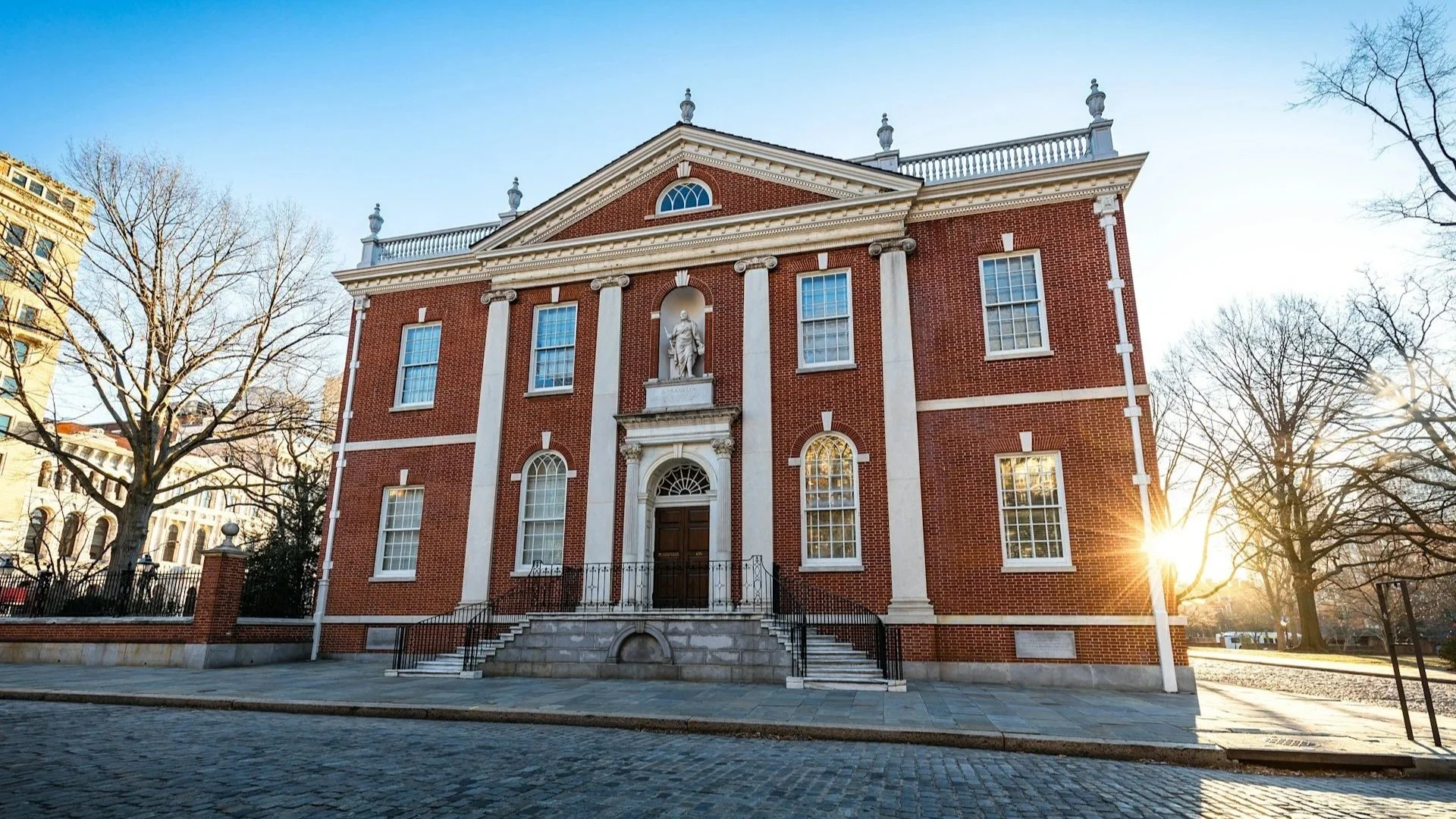
Photo by Dan Mall
Ghana’s "Beyond the Return"
In August 2026, Ghana will host high-profile "Rites of Return" and "Brotherhood Journeys." These curated lineage-linked tours are specifically designed for the African Diaspora, offering emotional naming ceremonies and deep connections to ancestral heritage along the coast.

Photo by Emmanuel Yeboah Okine
Italy’s "Italea" Project
Italy is rolling out the red carpet for the 80 million people of Italian descent living abroad. Through the Italea project, you can access "Ancestry Passports" that provide archival assistance and special access to your specific ancestral comune (village), making it easier to find living relatives or long-lost family plots.

Photo by Chris Weiher
The "Secondary City" Advantage
If you’re worried about the rising costs of travel, there is good news. Data shows that travelers are increasingly bypassing expensive capitals like London and Rome for secondary cities and rural homelands. In 2026, staying in ancestral regions like Norfolk, Calabria, or Cape Coast is 20-30% more affordable than staying in major hubs.
Not only is this easier on your wallet, but it’s better for the world. For every dollar you spend on a local heritage tour or a family-run guesthouse, up to $2.00 is injected directly into the local economy. Your journey of self-discovery becomes a powerful way to support the communities that shaped your family tree.
Navigating the Logistics of 2026
While the world is opening up, there are a few technical updates you need to know for your 2026 planning:
🌍 Europe’s New Systems: By April 2026, the EU Entry/Exit System (EES) will replace manual passport stamps with biometric scans. Additionally, by Q4 2026, travelers from the USA, UK, and Canada will need an ETIAS authorization to enter 30 European countries.
🌍 India’s Accessibility: India has expanded its e-Tourist Visa to 166 countries, making it significantly easier to explore Tier-2 cities and ancestral regions outside of the major metropolitan areas.
Your heritage is more than just a list of names on a census record—it is a living story that you are a part of. Whether you are drawn by the grand celebrations of USA 250 or the quiet whispers of a rural Italian village, 2026 is the year to finally see those places for yourself. Ready to discover your own story? Contact Go Beyond Travel today for a personalized consultation, and let our experts help you map out a journey that connects you to your roots.
#HeritageTourism #RootsTravel #TravelTrends2026 #Ancestry #SlowTravel
📦 Key Takeaways
Heritage tourism is projected to become a $600B+ global industry by 2026.
AI-driven genealogy and mass digitization of records are making ancestral research easier than ever.
Secondary cities and rural villages are 20-30% more affordable than major capitals in 2026.
Major global events like USA 250 and Ghana’s ‘Beyond the Return’ provide unique cultural entry points.
New travel requirements, including Europe’s ETIAS and EES, will be fully operational by late 2026.
