
Thousands of Years in the Making: Discovering China’s Deep Heritage and Traditions
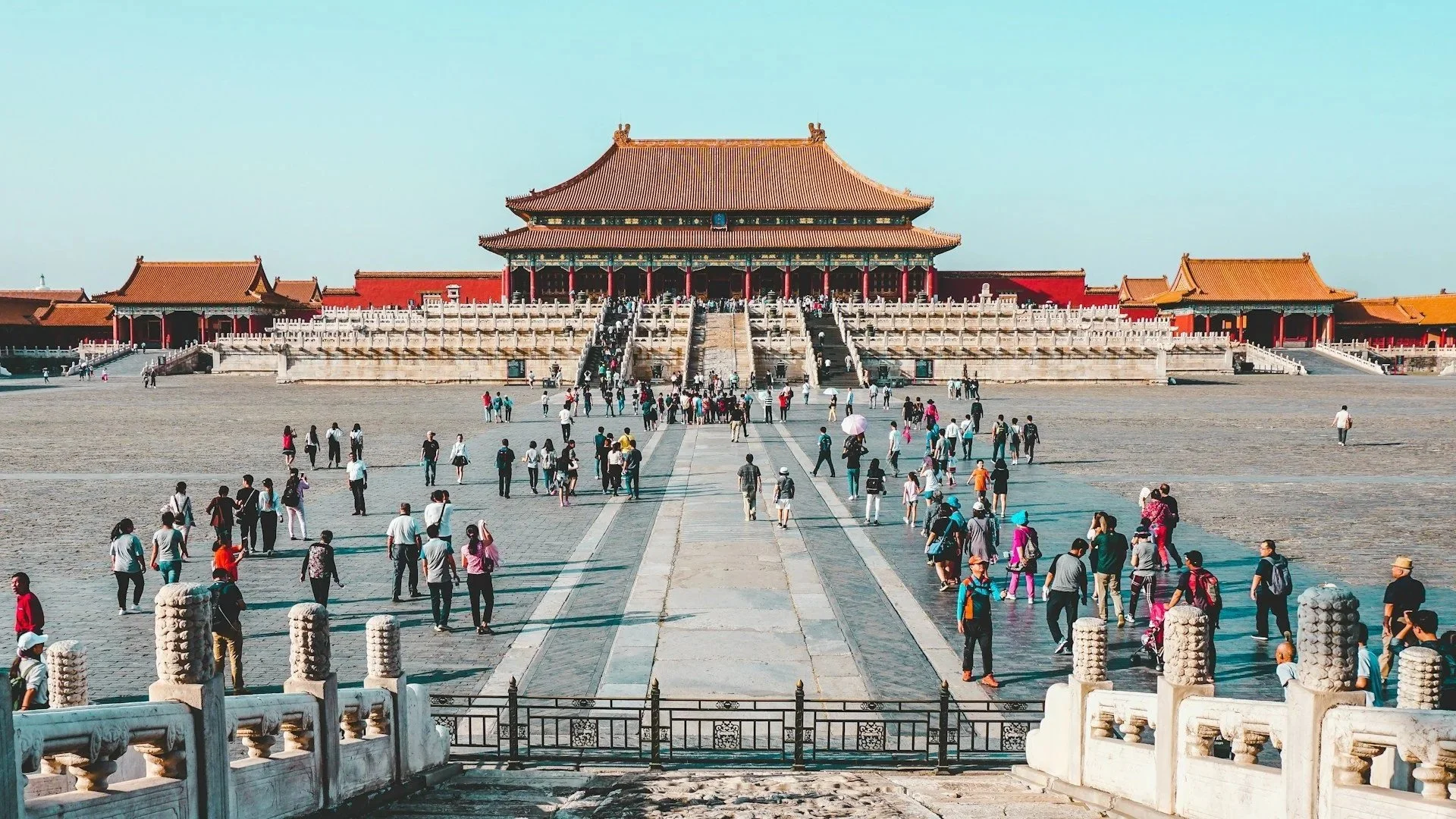
Photo by Ling Tang
Step into layers of history that were literally built to last. If you’re planning a cultural journey to China in 2026, you’ll find world-class UNESCO sites, everyday living traditions, and new travel conveniences—plus a few logistical puzzles to solve. You don’t have to navigate them alone: this guide gives clear, practical steps to help you experience China’s deep heritage with confidence and meaning.
Why 2026 is a smart year to plan a China heritage trip
China’s inbound tourism is gaining momentum in 2026, helped by visa facilitation and easier payment options—an encouraging signal for travelers who want to see the country’s cultural highlights. That said, new conveniences come with renewed demand, so planning ahead will save you time and stress. If you feel overwhelmed by the details, start simple: pick one or two UNESCO icons you’ve always wanted to see and build a short, focused itinerary around them.
Must-see UNESCO "icon" sites (and what they reveal)
📍 Forbidden City (Beijing)
Why go: The Forbidden City is the clearest expression of Ming–Qing imperial power and classical Chinese palatial planning. Walking its courtyards puts you inside the rituals of court life and official architecture.
Tip: Reserve timed tickets well in advance—entry slots fill quickly, especially around Chinese public holidays.
📍 Mausoleum of the First Qin Emperor / Terracotta Army (Xi’an)
Why go: These enormous funerary sculptures articulate Qin statecraft, the idea of imperial unification, and early Chinese beliefs about the afterlife.
Tip: Combine the museum visit with Xi’an’s city walls and local food markets for context and variety.
📍 Wudang Mountains (Hubei)
Why go: A Daoist sacred landscape with temple complexes and a deep association with internal martial arts traditions (often encountered in popular culture as Tai Chi). The site blends spirituality, architecture, and natural beauty.
Tip: If you practice Tai Chi or want a focused cultural exchange, look for experiences led by recognized local practitioners.
📍 Mount Emei + Leshan Giant Buddha (Sichuan)
Why go: One of China’s sacred Buddhist mountains combined with the colossal Leshan Buddha creates a powerful spiritual and landscape heritage day—or multi-day—experience.
Tip: Weather and altitude can affect access; check local notices when you finalize dates.
Living cultural traditions you can actually join
Gongfu tea culture: Look for tastings and tea-house experiences that explain Fujian/Guangdong styles. These are increasingly offered in larger cities.
Tai Chi in public parks: Early mornings in Beijing, Shanghai, Xi’an, and Chengdu offer visible, welcoming practice sessions—great for observational visits or beginner group lessons.
Calligraphy: Museums and workshops commonly pair calligraphy with seal carving or ink painting—perfect for a hands-on cultural souvenir.
Chinese opera: Catch Beijing (Peking) Opera in Beijing or Sichuan Opera in Chengdu to experience intangible heritage through music, costume, and storytelling.
Practical 2026 planning tips (visas, holidays, crowds)
Visa and entry: Policy trackers and official advisories indicate expanded visa-free entry measures running through Dec 31, 2026 for eligible nationalities. Canada and the UK are cited in 2026 updates as eligible for visa-free stays up to 30 days—always confirm with your government’s travel advisory and the latest Chinese entry rules before you book.
Public holiday calendar (plan around these high-demand windows):
Spring Festival / Chinese New Year: Feb 17, 2026 (travel demand peaks before/after)
Qingming: Apr 4–6, 2026
Labor Day Golden Week: May 1–5, 2026
Dragon Boat Festival: Jun 19–21, 2026
Mid-Autumn Festival: Sep 25–27, 2026
National Day Golden Week: Oct 1–7, 2026
Booking actions: Reserve Forbidden City and Xi’an museum entries, intercity high-speed rail tickets, and popular guided tours well ahead of holiday windows. For the best onsite experience, choose shoulder weeks outside Golden Week and the Spring Festival rush.
Safety and advisories: For up-to-date guidance on visas, safety, and local rules, always consult your national travel advisory page for China (for example, the Government of Canada travel advice) as part of trip prep.
Suggested itinerary patterns (short, focused options)
Classic 6–9 day loop: Beijing (Forbidden City, Temple of Heaven, Hutong walk) → High-speed train or short flight to Xi’an (Terracotta Army, city walls, Muslim Quarter) → Optional extension to a sacred mountain (Wudang or Mount Emei) depending on your interests.
Deep culture focus (10+ days): Add Chengdu for Sichuan opera and tea culture, or Fujian/Guangdong for dedicated gongfu tea experiences and coastal heritage.
Slow cultural exploration: Choose one region (e.g., Sichuan or Hubei) and use local certified guides and historians to unpack religious landscapes, temple rituals, and living arts over several relaxed days.
Tips to enrich your visit
Hire certified local historians or specialized cultural guides for deeper context—this turns landmarks into living stories rather than photo stops.
Schedule early-morning visits to parks to see Tai Chi and daily life, and late-afternoon timed entries for monuments when light and crowds are often better.
Combine museum-based learning (e.g., calligraphy exhibits) with hands-on workshops so you leave with both knowledge and a personal keepsake.
Final planning note
Inbound travel demand is expected to grow in 2026, but visa facilitation and better traveler services make planning easier than recent years. Use official advisories and the 2026 holiday calendar as planning anchors, and prioritize a few meaningful experiences rather than trying to see everything in one trip.
China’s heritage is vast, layered, and extraordinarily rewarding if you plan with purpose. By pairing UNESCO icons like the Forbidden City and the Terracotta Army with living traditions—gongfu tea, Tai Chi, calligraphy, and regional opera—you’ll come away with stories, not just photos. If the logistics feel daunting (timed tickets, holiday crowds, visa rules), we’re here to help. Want to step back in time and uncover imperial history with certified local historians? Contact Go Beyond Travel for a personalized consultation to design a specialized cultural tour tailored to your interests and travel dates.
#ChineseCulture #ForbiddenCity #TerracottaWarriors #HeritageTravel #HistoryBuff
📦 Key Takeaways
Anchor a first-time China trip around the classic Beijing + Xi’an + sacred mountain/temple extension pattern.
Prioritize major UNESCO icons—Forbidden City, Terracotta Army, Wudang, Mount Emei & Leshan—for the strongest cultural narratives.
Expect heavy domestic travel during Spring Festival (Feb 17, 2026) and National Day Golden Week (Oct 1–7, 2026); book tickets and timed-site entries early.
Visa-free entry measures are expanded through Dec 31, 2026 for eligible nationalities—confirm your passport’s eligibility before you travel.
Balance iconic sites with living traditions (gongfu tea, Tai Chi, calligraphy, regional opera) for a richer cultural experience.
