
A Culinary Capital: Discovering the Bold Flavors of Peru
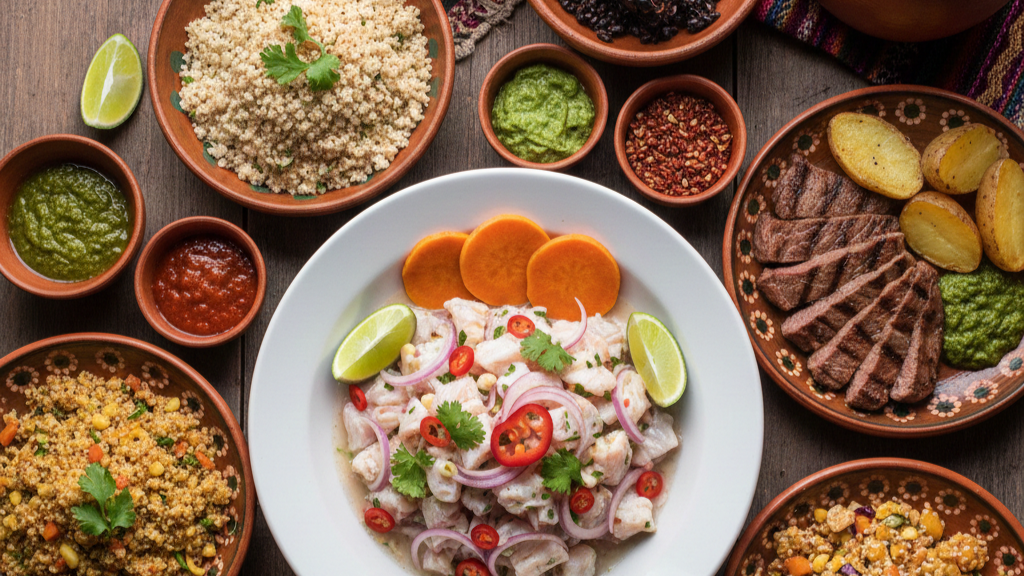
In the heart of Barranco, the scent of fresh lime and cilantro fills the air—your first taste of a world-renowned culinary treasure is just a bite away. Peru isn't just a destination; it's a sensory revolution. For 2026, the "Culinary Capital of the World" is leveling up with a massive infrastructure overhaul and a renewed focus on regenerative traditions. Whether you are a dedicated foodie or a curious traveler, Peru’s 2026 season offers you a seat at a table where ancient history and modern innovation meet.
The 2026 Landscape: Seamless Travel and Heritage Flavors
Your journey begins at the "New LIM." By 2026, the Jorge Chávez International Airport expansion will be fully operational, offering you a terminal three times the size of the original. You’ll enjoy biometrically-enabled border control and a streamlined transit process—no more physical "Tarjeta Andina de Migración" forms to worry about!
Once you step into the city, you'll find a country celebrating its recent global recognition. As of late 2023, the practices associated with preparing Ceviche were added to the UNESCO Intangible Cultural Heritage list. In 2026, this recognition will be the heartbeat of the culinary scene, with chefs across the country showcasing the cultural depth behind every bowl of marinated fish.
Beyond the Plate: Regenerative and Sustainable Dining
In 2026, your meal tells a story of the land. The trend of "regenerative culinary tourism" is taking center stage, moving beyond simple farm-to-table concepts. In the Sacred Valley, you can immerse yourself in ancestral farming tours to see how superfoods like Quinoa, Kiwicha, and Amaranth are being preserved for future generations.
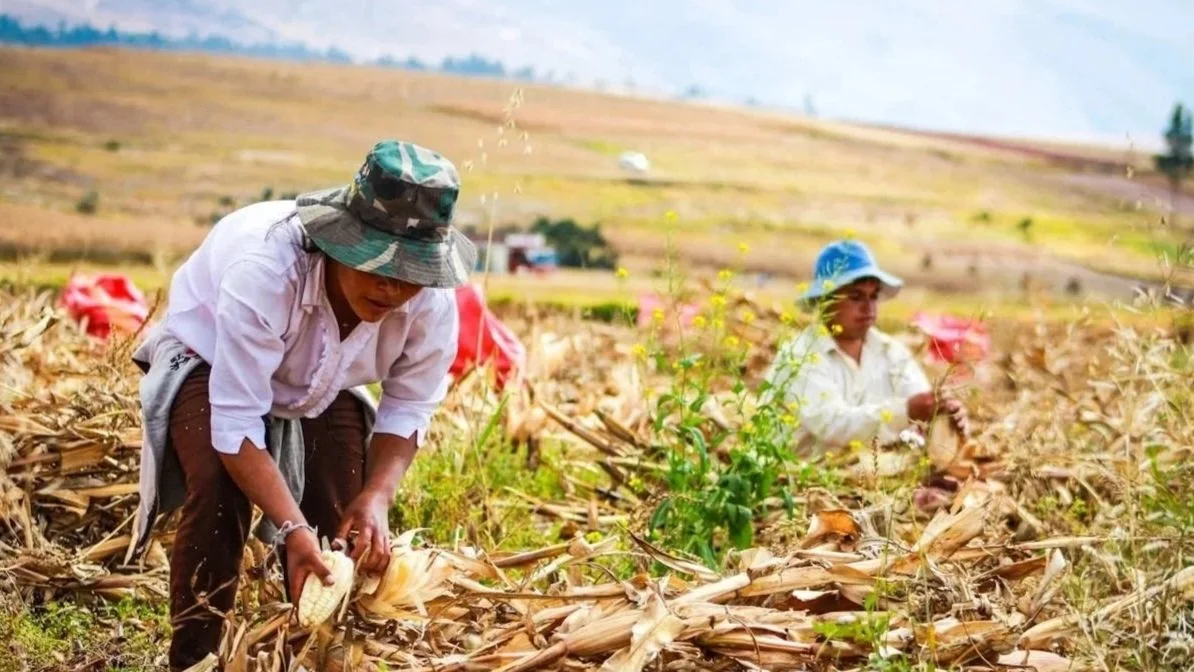
Photo by ALDO NESTARES
Looking for a sustainable protein? Alpaca steak is being positioned as the "heritage protein" of the future. It is leaner than beef and has a significantly lower environmental footprint, making it a centerpiece of modern highland dining that you can feel good about enjoying.
Where to Eat: From Fine Dining to Picanterías
Peru offers a spectrum of flavors for every budget. While Miraflores remains popular, you should head to the creative hub of Barranco to find the latest reinventions of Lomo Saltado and Tiradito in its trendy "Micro-Districts."
2026 Pricing Forecast:
💰 Fine Dining: Expect to pay $150–$250 USD per person for world-class tasting menus at legends like Central or Maido.
💵 Mid-Range: A standard "Menú del Día" (fixed lunch) in quality local spots will range from $10–$20 USD.
🪙 Picanterías: For an authentic highland experience in Arequipa or Cusco, these traditional eateries offer hearty, high-value meals for $15–$30 USD.
Mark Your Calendar: 2026’s Must-Attend Food Events
📅 Pisco Sour Day (February 7, 2026): Join the nationwide toast with major celebrations in Lima and Ica.
📅 Inti Raymi (June 24, 2026): Experience Cusco’s premier cultural and culinary festival during the winter solstice.
📅 Mistura Food Festival (Tentative Sept 2026): After a long hiatus, the largest food festival in Latin America is projected to return in a "bigger, bolder" format.
Planning Your Trip: Timing and Budget
For the best weather in the highlands and the chance to catch the Mistura festival, aim for the Dry Season (May–September). However, if you want to save 20-30% on luxury culinary tours, the Shoulder Seasons (April & October) offer the perfect balance of lower pricing and pleasant weather for the Sacred Valley harvest.
Is your palate ready for a Peruvian adventure? From UNESCO-recognized ceviche to the high-altitude flavors of the Andes, 2026 is the year to taste the future of travel. Check out our list of the top-rated restaurants in Lima, and reach out to our travel specialists to book a gourmet food tour or a local cooking class! Contact Go Beyond Travel today for your personalized consultation.
#PeruvianFood #LimaEats #Ceviche #Gastronomy #CulinaryTravel
📦 Key Takeaways
Ceviche is now officially recognized as a UNESCO Intangible Cultural Heritage icon.
The 'New LIM' airport expansion will be fully operational, offering a seamless, biometric entry experience for 2026 travelers.
Regenerative tourism is the new standard, focusing on Andean superfoods and sustainable proteins like Alpaca.
The legendary Mistura Food Festival is projected to make a grand return in September 2026.
