
A Foodie’s Guide to the Netherlands: From Stroopwafels to Bitterballen
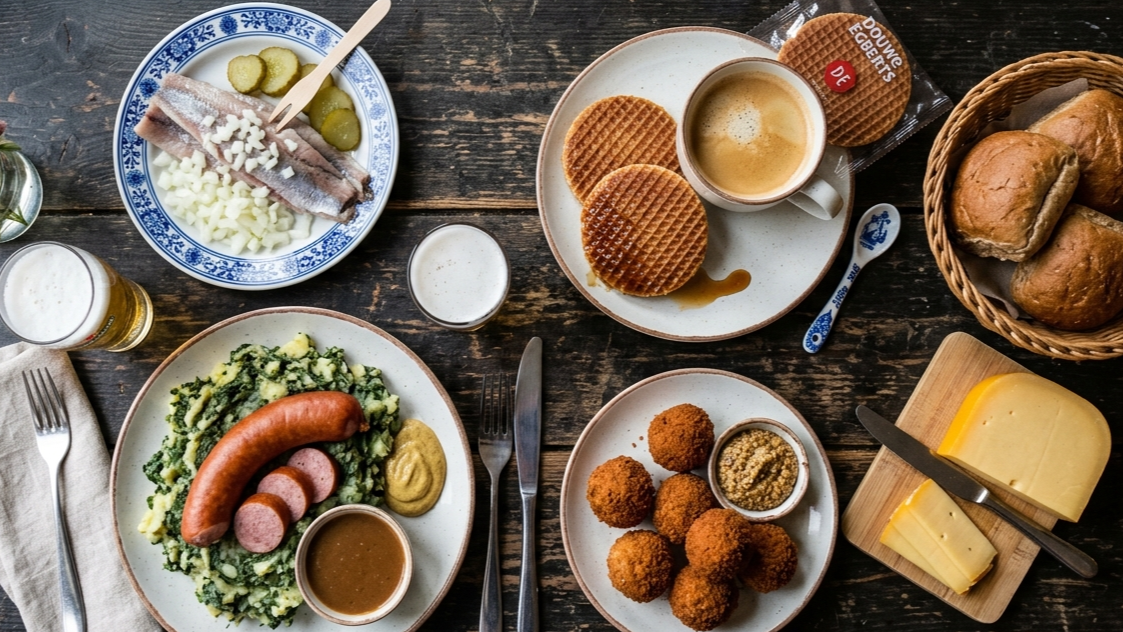
Ready to taste the Netherlands beyond the postcards? From piping-hot stroopwafels pulled straight off the press to cozy brown cafés serving bitterballen, Dutch food is equal parts comfort and culture. Planning can feel overwhelming—seasonal releases, market calendars, and new EU entry rules all change the logistics—but with a little timing and local know-how you can build a 2026 trip that hits every delicious highlight.
Why Dutch food is worth planning around
Dutch cuisine shines when you combine street food spontaneity with relaxed, social dining. In 2026, the biggest wins are timing and context: many of the most memorable food moments are seasonal or event-driven, so plan when possible—and leave room to discover.
Street-food essentials (easy bites, unforgettable moments)
Stroopwafels: hot, caramel-y, and everywhere
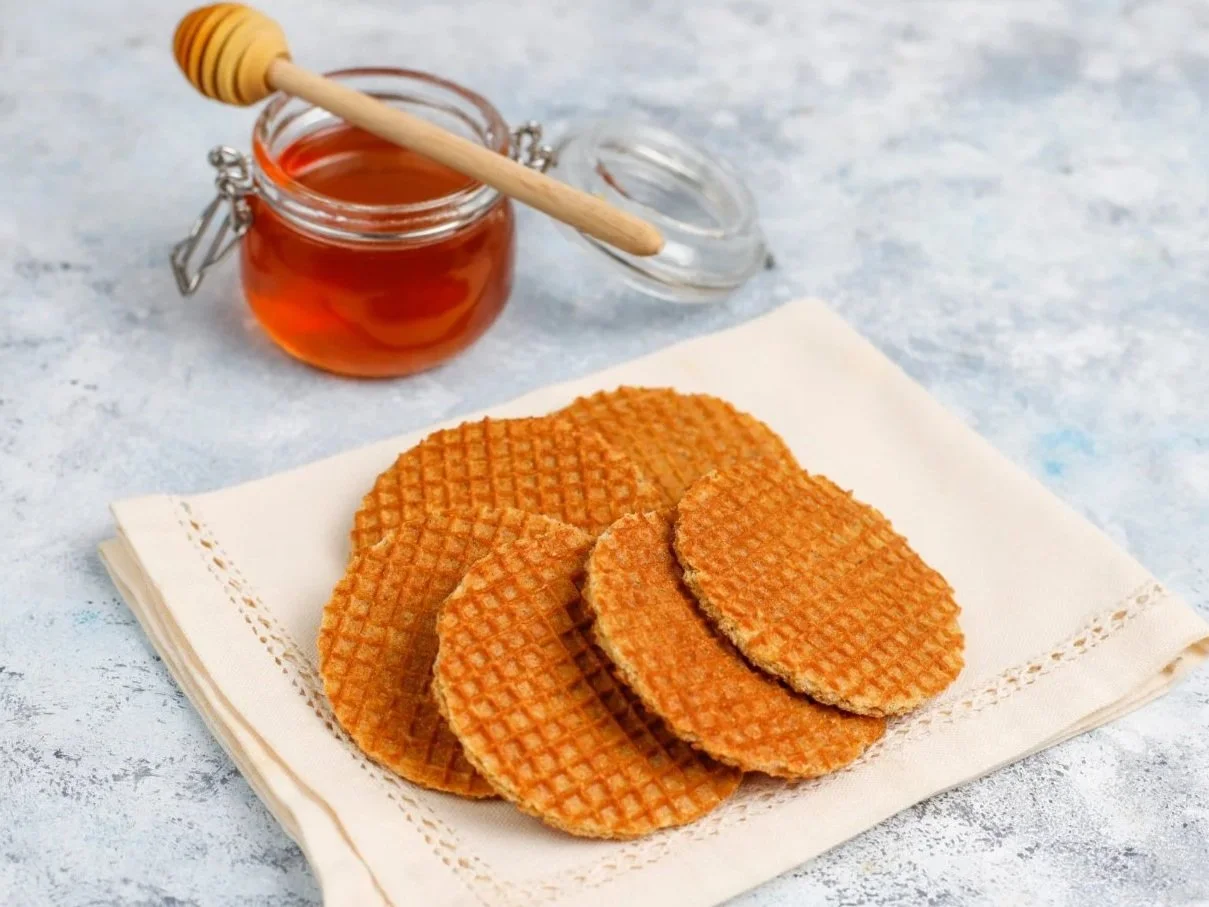
Photo by azerbaijan_stockers
Seek out “hot-from-the-press” stroopwafels at markets and street stalls in Amsterdam and day-trip towns like Gouda. You’ll notice these are best enjoyed fresh and warm—don’t rush past them.
Hollandse Nieuwe (raw herring): a seasonal highlight
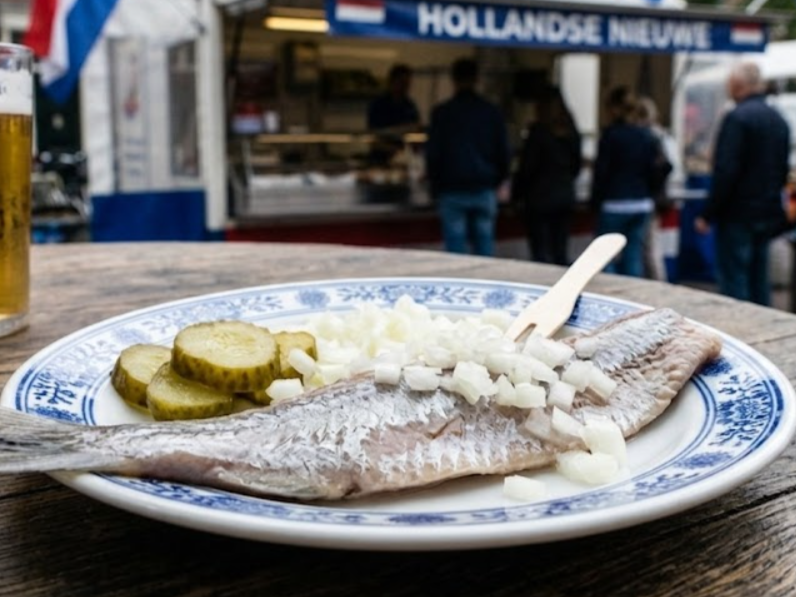
Herring is strongly seasonal and celebrated around the Hollandse Nieuwe release (generally late spring to summer). For 2026, treat this as a time-your-visit experience: confirm the exact launch nearer the season through official industry channels before you finalize dates.
If you’re curious but nervous, watch locals for how they eat it (often held by the tail or with a small bun) and pair it with a typical local bite.
Brown cafés: local culture over a drink or two
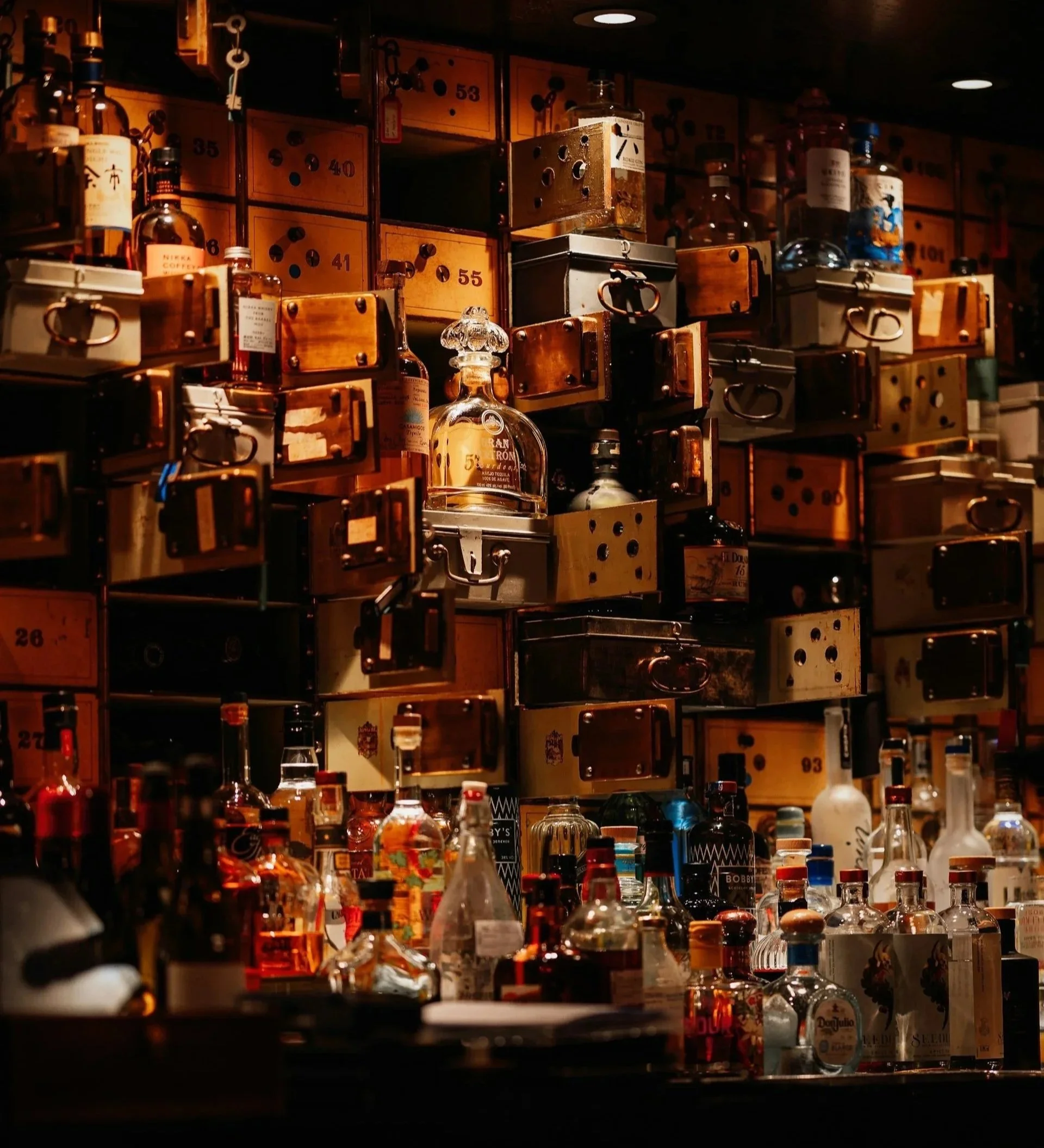
Photo by Peyman Shojaei
Brown cafés (bruine kroegen) are more than bars—they’re cozy, traditional interiors where locals mingle. Plan for early-evening visits as a pre-dinner ritual.
Order local beer, share small plates like bitterballen, and soak up the atmosphere. These venues are ideal for relaxed socializing rather than formal dining.
Tip for 2026: favor small-plate sharing—this fits contemporary travel habits and lets you taste more.
Indische cuisine and the rijsttafel: Dutch colonial culinary legacy
🍛 Indische (Indonesian-Dutch) food remains a cornerstone of the Netherlands’ food identity. The rijsttafel (rice table) is a standout: many small dishes presented together, perfect for groups and for sampling a range of flavors.
📍 Cities to prioritize: Amsterdam, Rotterdam, and The Hague are strong bases for excellent rijsttafel experiences.
Cheese markets and day trips: iconic but seasonal
🧀 Famous cheese markets like Gouda and Edam draw visitors for good reason—but their markets run on limited seasonal calendars (typically spring/summer). In 2026, many local calendars and market dates may be published late.
⭐ Practical tip: verify exact 2026 dates on official market or tourism pages before purchasing train tickets or locking in tours to avoid disappointment.
Quick planning checklist (before you go)
✔️ Confirm Hollandse Nieuwe release timing for 2026 if herring is a priority.
✔️ Check Gouda/Edam market calendars on official pages and align your day-trip plans.
✔️ Reserve a rijsttafel if you want a guaranteed sit-down experience—these are popular for groups.
✔️ Plan at least one early-evening brown-café visit to experience local nightlife culture.
✔️ Review EES and ETIAS guidance and complete any required pre-travel steps.
Sample half-day foodie loop (Amsterdam-friendly)
🌅 Morning: wander a local market and try a hot stroopwafel.
☀️ Early evening: swing by a brown café for local beer and bitterballen as a pre-dinner ritual.
🌙 Dinner: book a rijsttafel to sample Indische flavors and share a spread with friends.
(Adjust the order depending on seasonal events—if Hollandse Nieuwe is on your list, schedule that day for herring-focused browsing.)
Dutch food travel in 2026 rewards timing and curiosity: plan around seasonal moments like Hollandse Nieuwe and cheese-market calendars, savor street-food highlights hot off the press, and don’t miss the cultural ritual of brown cafés and a rijsttafel. If planning all of this feels like a lot, we understand—travel logistics and seasonality can be confusing. Contact Go Beyond Travel for a personalized consultation and let our agents design a culinary itinerary that times markets, menus, and travel requirements perfectly for your 2026 trip.
#DutchFood #Stroopwafels #CheeseMarkets #Dining #NetherlandsTravel #CulinaryTravel
📦 Key Takeaways
Streetside staples—hot stroopwafels and seasonal Hollandse Nieuwe herring—are must-try moments; time your visit for late spring–summer for herring.
Brown cafés (bruine kroegen) offer a cultural evening experience—think pre-dinner drinks, local beer, and shareable snacks like bitterballen.
Indische (Indonesian-Dutch) rijsttafel remains a signature, uniquely Dutch dining format—ideal for a group centerpiece in Amsterdam, Rotterdam, or The Hague.
Cheese-market day trips (Gouda, Edam) are hugely popular but seasonal—verify exact 2026 market dates before booking transport or tours.
New EU systems (EES and ETIAS) may affect 2026 arrivals—check official EU travel pages as part of your final pre-trip checklist.
