
A Foodie’s Guide to Wales: Traditional Flavors and Coastal Delicacies
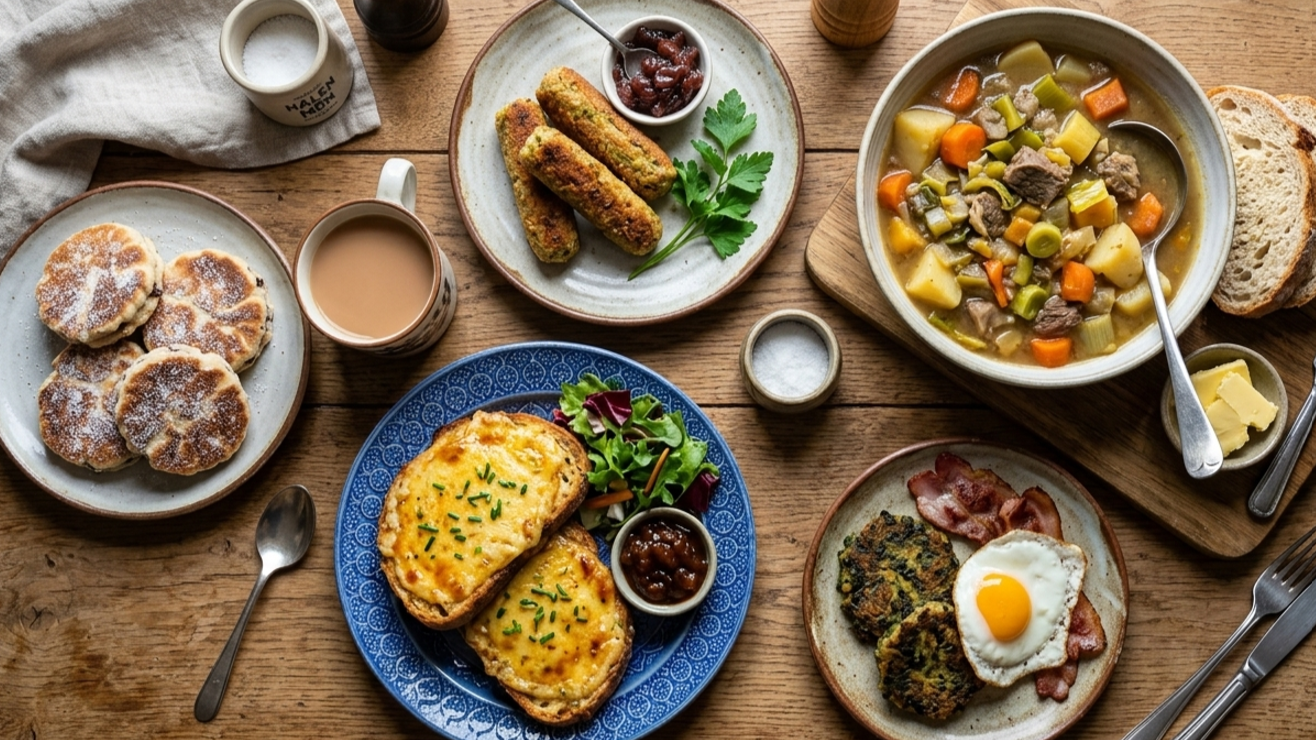
Wales tastes like salt air, rugged pasture and slow-roasted lamb. If you’re planning a 2026 trip focused on authentic, place-driven food, this guide pulls together what to eat, when to go, and how to build a sustainable, season-aware itinerary — without getting overwhelmed. Read on for festival timing, Michelin-backed restaurants committed to regenerative sourcing, the latest travel rules you must know for 2026, and practical alternatives if local fisheries are limited.
Why Wales is a foodie destination in 2026
Wales offers a clear food story: landscape and seascape shape flavour. From salt-marsh reared lamb to coastal shellfish, protected status labels (PDO/PGI) give you a short-hand for provenance and quality. That terroir-driven narrative is exactly what modern travellers crave — sustainable, place-based meals and experiences that connect you to where your food comes from.
What’s new for 2026 (must-know updates)
🛂 UK Electronic Travel Authorisation (ETA): From 25 February 2026 eligible visa-exempt travellers must secure a UK ETA before travelling. This applies across the UK, including Wales — add it to your planning checklist.
🪣 Conwy mussel fishery closure: Conwy Bay and estuary mussel beds are temporarily closed to mussel fishing from 1 Sep 2025 until 31 Aug 2026. That affects availability through much of 2026, so read the section below on smart substitutions.
Plan your trip around 2026 food festivals
Timing your visit for a festival weekend is a simple way to experience Welsh producers, demos and regional specialties. Highlights for 2026:
Cardiff Food & Drink Festival (Cardiff Bay): 3–5 July 2026 — great for sampling producers and street food vibes.
Abergavenny Food Festival: 19–20 September 2026 — a headline foodie weekend for demos and artisan buying.
Mold Food and Drink Festival: 19–20 September 2026 — a North Wales option the same weekend as Abergavenny.
Narberth Food Festival: 26–27 September 2026 — perfect for a Pembrokeshire coastal food trail. Additional autumn events include Brecon Beacons Food Festival (3 Oct 2026) and Fishguard Bay Food Festival (10 Oct 2026); check Visit Wales’ 2026 festival listings when you lock dates.
Before you go — quick planning checklist
✔️ Get your UK ETA (required from 25 Feb 2026 for eligible travellers).
✔️ Book festival weekend accommodation and restaurants early — demand in 2026 is expected to be strong and cost pressures mean prime rooms fill fast.
✔️ Pack for changeable weather: coastal lunches and hilltop suppers alike benefit from layering.
Where to eat: from coastal shacks to Michelin Green Star tables
Wales in 2026 serves both casual sea-to-plate spots and high-end, sustainability-led dining. The MICHELIN Guide’s 2026 Green Star list highlights Welsh kitchens making real strides in regenerative sourcing and low-waste cooking — ANNWN (Narberth), CHAPTERS (Hay-on-Wye), and The Whitebrook are standout examples. Use these as anchor experiences and fill the rest of your trip with local inns, fish shacks, and farmers’ markets.
🍽️ What to look for on menus:
Gower Salt Marsh Lamb (PDO) — intensely savory and linked to specific grazing conditions.
Local shellfish harvested from Menai Strait, Cardigan Bay and Pembrokeshire (seasonality varies) — seek vendors who can speak to tide- and site-specific flavours.
Hand-harvested sea salt and foraged botanicals — common touches in contemporary Welsh menus.
Seasonality & sea-to-plate experiences
Seasonality is central to Welsh flavour. Seafood Trail Wales and local producers emphasise how water temperature, currents and estuary conditions shape texture and taste. Plan to:
Join a guided shellfish walk or foraging retreat (popular in spring and autumn).
Book a farm stay or agritourism visit to see salt-marsh lamb production or artisan cheesemaking.
Time coastal visits for the best shellfish windows — but always confirm local harvesting status before making plans.
Conwy mussels are limited in 2026 — alternatives and honest wording
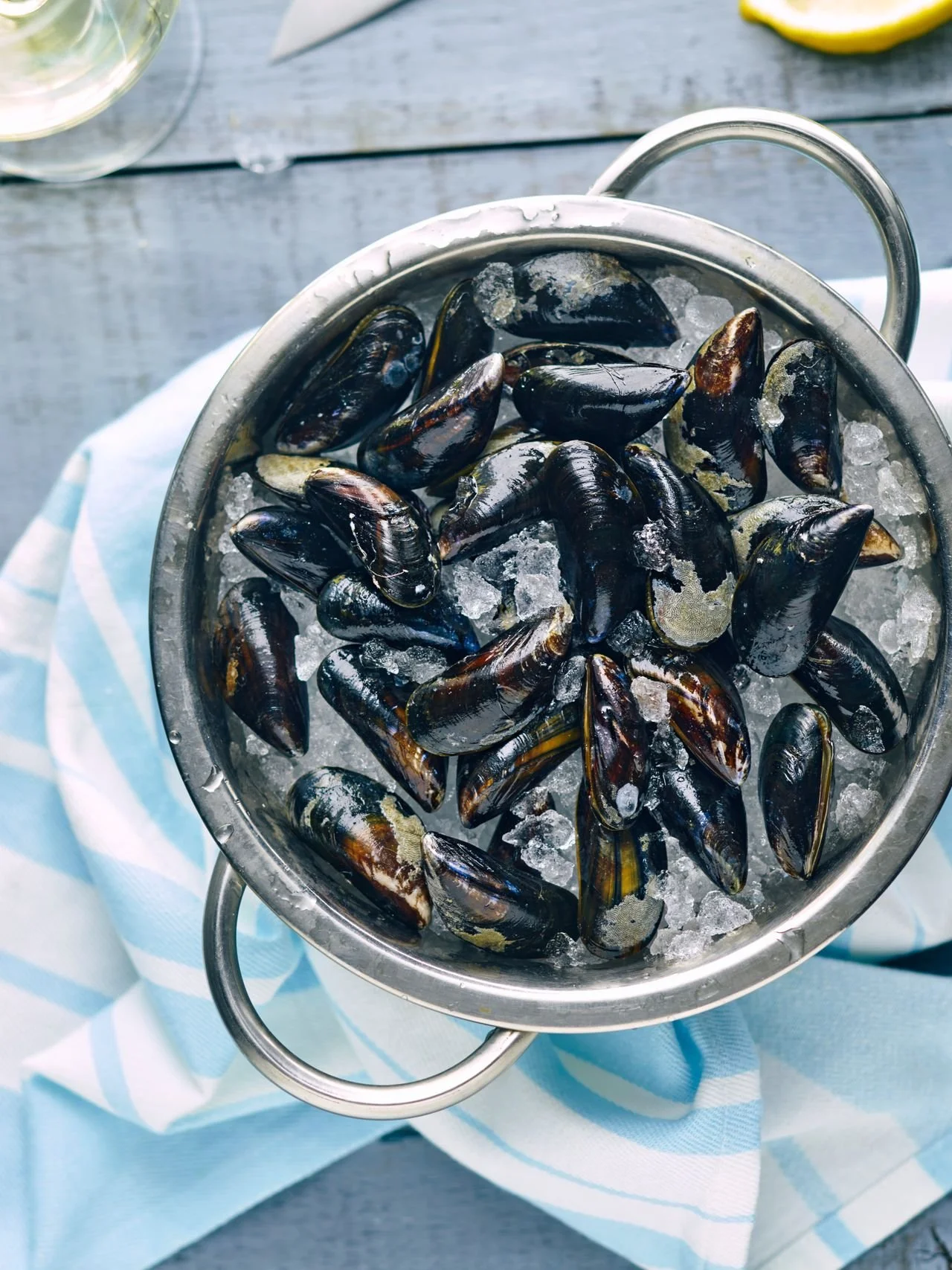
Photo by Electra Studio
Because Conwy Bay mussel beds are closed through 31 Aug 2026, many menus and markets will lean on other Welsh shellfish. If you arrive hoping specifically for Conwy mussels, ask chefs what’s on offer; alternative options include:
Menai Strait cockles and mussels (regional speciality noted for distinct flavours).
Cardigan Bay and Pembrokeshire scallops, mussels and crab from local fishers.
Shellfish platters featuring a mix of regional catch — often the best way to taste differences.
When reading listings or speaking to staff, you might see phrasing like “when available” — plan with flexibility and treat any rare Conwy mussel encounter as a special find.
Sample mini-itineraries (3–5 day ideas)
Cardiff & Coast (3 days): festival weekend in July → Cardiff Bay stalls and a day trip to Gower for salt-marsh lamb and coastal shacks.
North Wales Shellfish & Mountains (4 days): base in Bangor/Conwy area for Menai Strait shellfish tastings, a market in Mold (19–20 Sept if your timing aligns), and a hilltop gastropub dinner.
Pembrokeshire & Narberth (4–5 days): Narberth Food Festival (26–27 Sept 2026) anchors a coastal seafood route — combine with a Michelin Green Star dinner at ANNWN nearby.
Budgeting & booking tips for 2026
Expect 2026 inbound travel growth; book festival hotels and Michelin tables early.
If cost is a concern, mix one splurge meal with market lunches and pub suppers — many pubs now feature exemplary local ingredients.
Look for farm stays or self-catered cottages during festival weekends to balance expense and local immersion.
Feel overwhelmed? Keep it simple
Start with one region — North Wales for shellfish and mountain fare, or West Wales for coastal scallops and salt-marsh lamb — then pick one festival or one Michelin Green Star meal as your anchor. From there, add a producers’ market, a foraging walk, and a seaside lunch. Small choices stack into a richly local food trip.
Wales in 2026 is an ideal destination for food-minded travellers who want dishes that tell a story — of salt marshes, estuaries and careful farming. Keep seasonality and local regulations in mind (notably the Conwy mussel closure through 31 Aug 2026 and the UK ETA requirement from 25 Feb 2026), book festival weekends and key restaurants early, and balance Michelin-level dining with market lunches and coastal huts for the fullest experience. Ready to sample the finest artisanal flavors of Wales? Contact Go Beyond Travel for a personalized consultation and let us design a custom food tour or culinary retreat tailored to your tastes. Before you finalise plans, browse our lifestyle and packing tip blogs to make sure you're ready for your trip!
#WelshFood #FoodieTravel #WelshRarebit #BaraBrith #TasteOfWales
📦 Key Takeaways
Wales’ culinary identity is rooted in terroir — PDO products like Conwy Mussels and Gower Salt Marsh Lamb anchor many menus.
Plan around 2026 food festivals (Cardiff 3–5 July; Abergavenny 19–20 Sept; Narberth 26–27 Sept) to catch producers and demos.
From 25 Feb 2026, eligible visa-exempt travellers need a UK ETA before arrival — don’t leave this to the last minute.
Conwy mussel beds are closed 1 Sep 2025–31 Aug 2026; seek alternative local shellfish and regional specialties.
Look for Michelin Green Star restaurants in Wales (ANNWN, CHAPTERS, The Whitebrook) for sustainability-focused fine dining.
Book accommodation and festival weekend dining early: 2026 inbound tourism growth plus cost pressures mean demand will be high.
