
A Taste of Albania: Traditional Dishes, Coastal Seafood, and Mountain Comfort Food
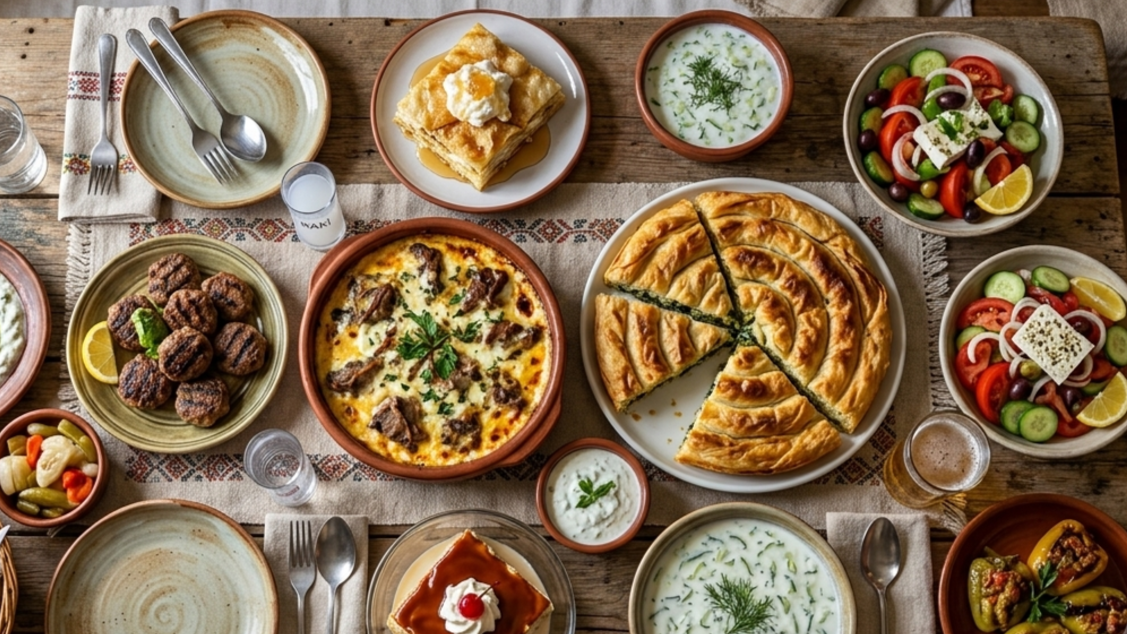
You don’t need to be a trained chef to fall in love with Albania — just bring an appetite and a sense of curiosity. In 2026, Albania’s food scene is a magnetic mix of Ottoman-rooted classics, fresh Mediterranean seafood and a booming agrotourism movement that lets you eat where food is grown. This guide will help you plan a food-first trip that balances bucket-list tastes with realistic timing, budgets, and local experiences.
Why Albania, and why 2026?
Albania’s culinary identity sits at the crossroads of the Balkans and the Mediterranean. Imagine flaky byrek from neighborhood bakeries, a comforting oven-baked tavë kosi from Elbasan, and simple seaside grills that let the fish and olive oil speak for themselves. In 2026 the country’s tourism momentum continues — which is great if you want more food experiences, but it also means you should plan smartly to avoid peak-season crowds.
Must-try dishes (and where to find them)
🥘 Tavë kosi (Tavë Elbasani)
What it is: A national favorite—baked lamb (or chicken) and rice topped with a baked yogurt-and-egg mixture (often enriched with butter/flour).
Where: Look for it in traditional restaurants and family tables in central towns; Elbasan is closely associated with the dish.
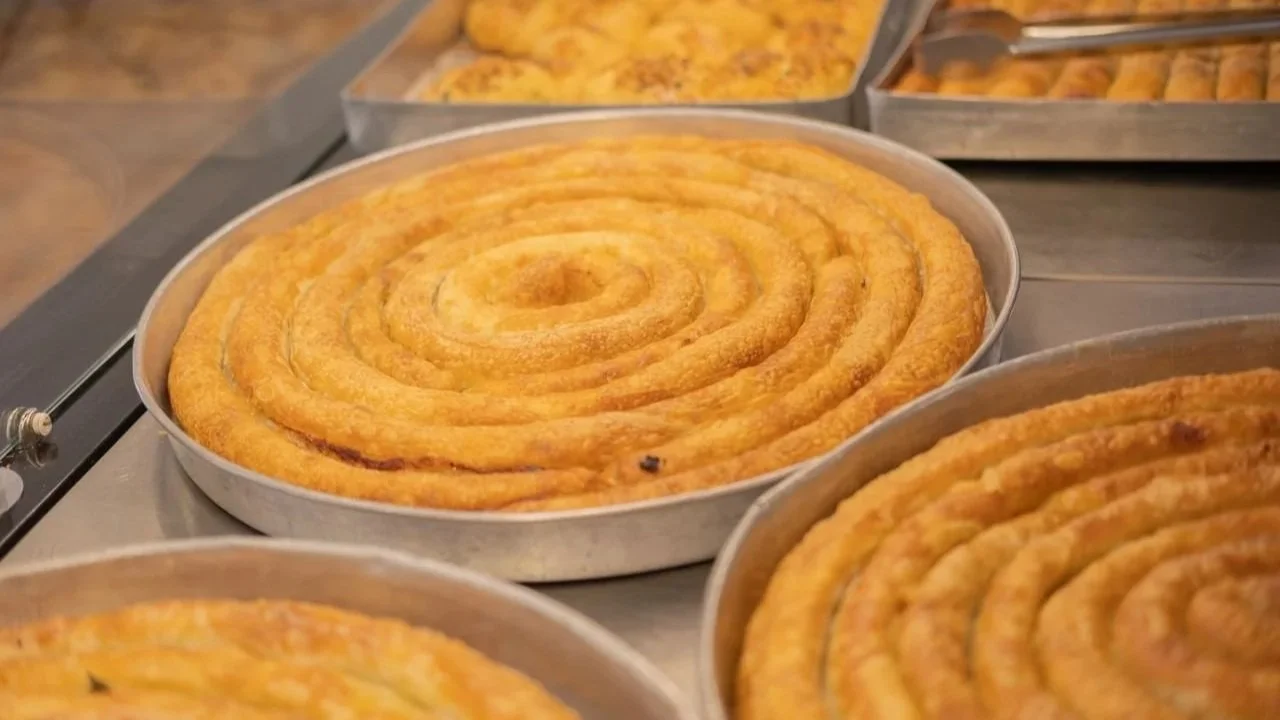
Photo by Doğan Alpaslan Demir
🫓 Byrek
What it is: Layered phyllo pie available across Albania with common fillings like cheese, spinach/greens or meat; southern regional styles (e.g., lakror) offer tasty local twists.
Where: Street bakeries, markets and morning cafés — a perfect grab-and-go bite.
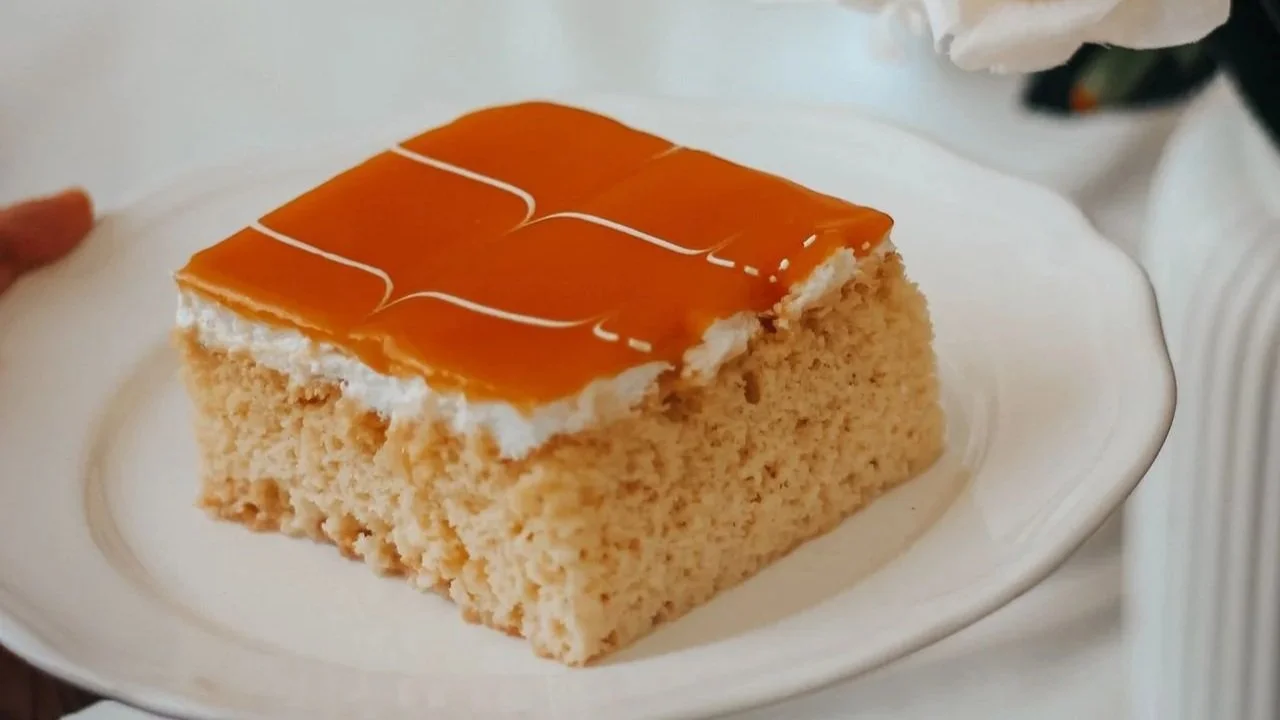
Photo by Sara mazin
🍮 Trileçe
What it is: A Balkan favorite inspired by tres leches — a syrupy, milky dessert you’ll find in cafés and pastry shops.
Where: Cafés across Tirana and coastal towns; it’s especially popular in café culture circuits.
🦞 Coastal seafood
What to expect: Simple grilled fish and seafood dressed with olive oil, lemon and local herbs. The Ionian and Adriatic coasts prioritize freshness and minimal fuss.
Where: Coastal villages and restaurants along the Riviera between May–June and September–October for best value and comfort.
Regional contrasts to plan around
Northern/mountain areas: Expect heartier, meat-based dishes, warming stews, rich dairy products and filling breads and pies.
Southern/coastal areas: Olive oil, vegetables, herbs and grilled seafood dominate. Simpler preparations highlight fresh coastal ingredients.
Agroturizëm: Eat where it’s grown
Agrotourism is one of Albania’s standout travel experiences in 2026. With hundreds of family-run agritourism enterprises (industry reports cite 270+), you can stay on a farm, watch cheese-making, join olive-press or pick seasonal produce.
Typical format: Set meals prepared from the farm’s produce (vegetables, lamb, dairy, preserves) often paired with house wine or raki.
Typical pricing signals: Expect around €30–50 per person/night including breakfast and dinner at many properties (varies by region and accommodation level).
Example property type: Flagship agroturizëm offerings combine on-site dining with guided tastings and walks through orchards or vineyards.
When to go for a food-first itinerary (2026 guidance)
Best balance of produce, weather and crowd levels: May–June and September–October (shoulder seasons). Markets are full, coastal restaurants are accessible, and you’ll avoid the worst of July–August heat and demand.
Peak season notes: July–August brings the hottest weather and the busiest Riviera crowds — expect higher lodging and restaurant demand.
Harvest activities: Grape and olive harvests typically peak Sep–Oct in many regions (Berat, Përmet, Shkodër areas often run related tastings and activities). Treat festival dates as tentative unless confirmed locally.
Practical tips for planning and booking
Book early for 2026: With tourism growth continuing, popular coastal stays and cooking classes can fill quickly. Reserve agroturizëm stays and any specialized cooking experiences well in advance.
Ask about menus and dietary needs: Many farm set meals are seasonal and fixed—if you have allergies or dietary restrictions, confirm ahead of arrival.
Combine city and countryside: Sample café culture and modern desserts in Tirana, then spend nights at an agroturizëm for hands-on food experiences and home-cooked meals.
Budgeting: Use the €30–50 per person/night agrotourism range as a planning baseline, but expect variation depending on property level and included activities.
Sample 5-day food-first route (idea)
Day 1: Arrive in Tirana — café pastries, trileçe and an evening dinner of local meze.
Day 2: Market morning + transfer to Elbasan for tavë kosi; explore local bakeries for byrek.
Day 3: Head south toward the Riviera — seaside grill of fish and fresh salad.
Day 4: Stay at an agroturizëm — participate in cheese- or olive-making, enjoy a farm set meal and house wine.
Day 5: Return via a wine region with optional grape-harvest tasting in Sep–Oct (confirm dates locally).
Health, etiquette and insider notes
Be open: Albanian hospitality is warm and often unhurried — say yes to home-cooked invitations when possible.
Markets are seasonal: The best produce shows up in spring and autumn; shoulder seasons give you both freshness and fewer crowds.
Confirm event dates: While many websites list harvest activities for 2026, always double-check with local organizers or your accommodation before finalizing plans.
Albania in 2026 is a compact culinary playground where Ottoman classics meet Mediterranean simplicity and where agroturizëm gives you the rare chance to literally eat where food is made. Whether you’re chasing tavë kosi in Elbasan, sampling flaky byrek from a market stall, or staying on a family-run farm for hands-on meals, a food-first trip to Albania is rewarding—and easier to manage if you plan for shoulder seasons and book ahead. If you’re eager to sample authentic Balkan flavors and world-class coastal seafood, contact Go Beyond Travel for a personalized consultation.
#AlbanianFood #TaveKosi #Byrek #BalkanCuisine #FoodieTravel
📦 Key Takeaways
Tavë kosi (Tavë Elbasani), byrek and trileçe are must-try Albanian dishes that capture the country’s Ottoman and Mediterranean influences.
Northern Albania favors meat-forward, hearty mountain fare; the southern coast emphasizes olive oil, grilled seafood and fresh produce.
Agroturizëm is a major draw in 2026 — 270+ farm stays offer set meals from on-site produce; expect rough pricing of €30–50 per person/night including breakfast and dinner.
Best times for a food-focused trip in 2026: shoulder seasons (May–June and September–October) for markets, harvest activities and fewer crowds.
Tourism demand remains strong in 2026; book popular Riviera, UNESCO towns and Tirana options early to avoid peak-season shortages.
Harvest season (Sep–Oct) often features grape harvest activities and tastings in wine regions, but always confirm exact dates locally.
