
Castles, Bunkers, and Ancient Ruins: Uncovering Albania’s Fascinating History
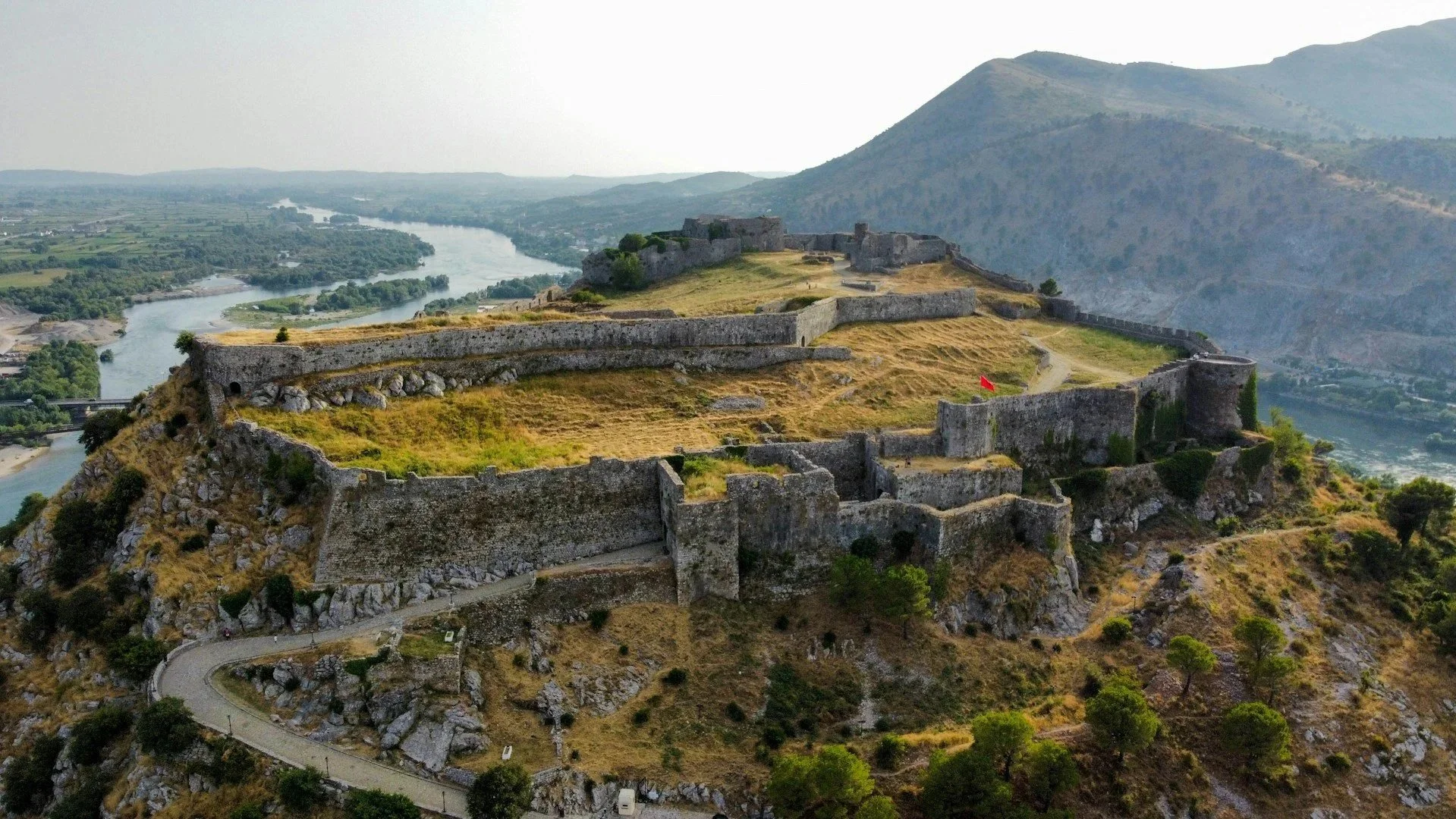
Photo by Fabian Kühne
Imagine walking a compact Mediterranean timeline in a single day, then switching to a Cold War bunker museum that explains why concrete domes dot the countryside. If you're craving value-driven culture, Albania in 2026 offers layered heritage—from UNESCO antiquity to 20th-century memory sites—plus festivals that give you a lively modern beat. This guide helps you turn that spark of curiosity into a practical, inspiring plan.
Why Albania in 2026?
You may be drawn by archaeology, Cold War history, or simply the chance to experience Europe on a friendlier budget. In 2026, travel demand shows visitors intentionally combining UNESCO sites (Butrint, Berat, Gjirokastër) with memory-site visits that unpack Albania’s recent past—bunkers, secret police history, and interpretive museums.
Butrint: a compact Mediterranean timeline
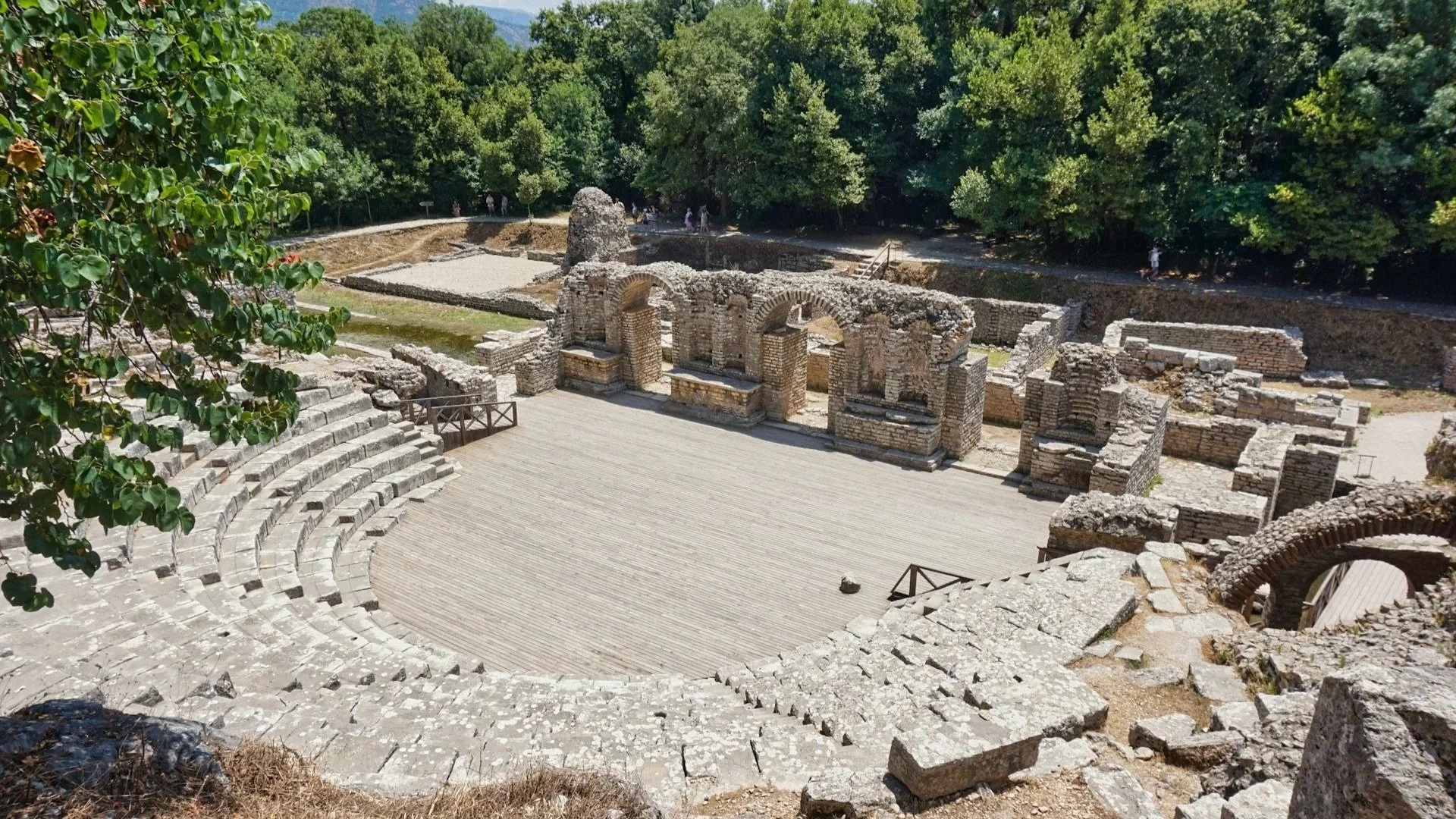
Photo by Marie Volkert
What it is: Butrint is a UNESCO World Heritage site where Greek, Roman, Byzantine and later medieval/Venetian layers remain visible in a walkable landscape.
Why it works for you: It’s a single-site day that delivers centuries of context—perfect if you want dense, comparative history without long transfers.
Practical note: 2026-oriented sources list adult entry around ~1,000 ALL and seasonal hours; treat this as indicative and verify on official Butrint/park channels before booking.
Reference: UNESCO (Butrint)
Bunkers and Bunk’Art: understanding Hoxha’s legacy
The story: Under Enver Hoxha, Albania built an iconic network of concrete bunkers—commonly quoted estimates reach up to ~750,000 (presented as an estimate rather than precise documentation). This bunkerization is central to understanding Albania’s Cold War isolationism and psychological landscape.
Museums you can visit: Bunk’Art 1 (large bunker complex on Tirana’s outskirts) and Bunk’Art 2 (central Tirana) are curated, accessible experiences that have become mainstream attractions rather than niche stops.
Tickets & tips: Many 2026 travel guides cite around 500 ALL per Bunk’Art site, and combo tickets are sometimes available (seasonal). Always double-check official pages for current pricing and opening hours.
References: BBC Future; Dark-Tourism (Bunk’Art 1 & 2)
Besa: the cultural thread of honor
Quick cultural framing: ‘Besa’—often translated as a code of honor or promise-keeping—remains a meaningful cultural value and lenses for interpreting social history in Albania and the region.
Why it matters for your trip: Learning about Besa helps you place acts of protection, hospitality and memory in local narratives and museum displays.
Reference: Yad Vashem (Besa exhibition)
When to go & festival pairings (2026 specifics)
Best seasons: May–June and September–October — comfortable weather, thinner crowds and better price points than peak summer.
Peak summer: July–August brings high Riviera heat, crowded beaches and accommodation prices that travel coverage often describes as significantly higher (sometimes doubling in popular hubs).
2026 festival highlights to consider:
Kala Festival (Dhërmi, Albanian Riviera) — listed June 3–9/10, 2026. Great for combining beach time with heritage day trips.
Dita e Verës / Summer Day Festival — March 14, 2026 (culturally important; strong association with Elbasan).
Tirana Marathon — scheduled for October 2026 (verify exact date closer to your trip).
Mountain/folk listings: ZA Fest (July 2026) and Lëpushë Summer Festival (2nd week of August 2026) appear on operator calendars; treat as listed until confirmed by official organizers.
References: Kala Festival listing; Balkan festivals calendar
Practical tips & a sample 5-day history-focused itinerary (2026)
Visa & entry: Most Western travelers remain visa-free for short stays in 2026; Albania is outside Schengen and can be used as a Schengen break. Check official government advisory pages for the latest entry rules.
Money & pricing: Expect local attractions’ quoted prices to be presented as ranges in 2026 travel guides. Treat figures like 500 ALL (Bunk’Art) and ~1,000 ALL (Butrint) as indicative and verify before you go.
Transport: Renting a car gives you flexibility to link Butrint with Riviera stops; Tirana is your main hub for Bunk’Art visits.
What to pack: sun protection for coastal ruins, comfortable shoes for uneven archaeological sites, and a light layer for cooler mountain evenings.
🗓️ Sample 5-day plan:
Day 1: Arrive Tirana — museum introductions and Bunk’Art 2 in the city center.
Day 2: Bunk’Art 1 + city history tours (Albanian National Museum or local walking routes).
Day 3: Transfer to the south (Sarandë base) for a relaxed evening near the Riviera.
Day 4: Full day at Butrint (combine ruins with coastal scenery and a sunset in Sarandë).
Day 5: Coastal drive or day-trip to Gjirokastër/Berat if you want another layer of UNESCO architecture.
Booking & verification checklist (before you leave)
✅ Confirm Bunk’Art and Butrint opening hours and ticket prices via official sites or on-site notices.
✅ Verify festival dates on official festival pages (Kala Festival and local organizers) before purchasing festival passes.
✅ Check your government’s 2026 travel advisory and entry requirements for Albania.
Want a smoother plan?
Travel planning can feel overwhelming—especially when you want to balance archaeological days with emotionally heavy memory-site visits and festival nights. If you'd rather leave logistics to an expert, a short consultation will let you tailor pace, transport, and lodging to your interests and comfort level.
Albania in 2026 rewards travelers who want layered storytelling: ancient ruins that map Mediterranean empires by foot, and Cold War museums that explain a modern national landscape of concrete domes. Whether you prefer a slow archaeological deep-dive, a festival-linked beach-and-history combo, or an empathetic tour that balances heavy history with local warmth, you don’t have to figure it out alone. Contact Go Beyond Travel for a personalized consultation.
#AlbanianHistory #Butrint #BunkArt #CulturalTravel #BalkanHeritage
📦 Key Takeaways
Albania is rising as a value + culture European destination in 2026; travelers increasingly pair UNESCO heritage with 20th-century memory sites.
Butrint is a compact 'Mediterranean timeline' with Greek, Roman, Byzantine and medieval/Venetian layers—ideal for heritage-focused days.
Communist-era attractions like Bunk’Art 1 and Bunk’Art 2 are mainstream visits; guide-price commonly cited around 500 ALL per site (verify before you go).
The country’s so-called ‘bunkerization’—estimates often cited up to ~750,000 bunkers—remains a defining visual and interpretive thread.
Best travel windows for 2026: May–June and September–October for comfortable weather, fewer crowds and better prices; July–August is hot and busy.
Festival highlights for 2026 include Kala Festival (Dhërmi, June 3–9/10, 2026) and cultural events like Dita e Verës (March 14, 2026); verify dates on official festival pages.
