
All Aboard 2026: Why the World is Falling Back in Love with Train Travel

Original photo by Balazs Busznyak
Imagine swapping the sterile fluorescent lights of an airport terminal for the rhythmic hum of a high-speed locomotive, a glass of local wine in your hand as the Tuscan countryside blurs into a masterpiece outside your window. For 2026, the 'Rail Renaissance' isn't just a trend—it's a revolution. As we move further into the decade, travelers like you are reclaiming the joy of the journey, choosing the elegance of the tracks over the stress of the skies. Whether you're a digital nomad seeking a high-tech mobile office or a luxury seeker looking for the next iconic route, 2026 is officially the year to go beyond the boarding gate and get on board.
The Rise of the "Slow Travel" Premium
In 2026, travel is no longer just about the destination; it’s about how you get there. We are seeing a massive 40% increase in travelers opting for rail over air for any journey under six hours. Driven by Gen Z’s commitment to sustainability and new corporate 'rail-first' policies, the train has become the ultimate status symbol for the conscious traveler.
This shift is backed by more than just preference—it’s law. Following France’s lead in banning short domestic flights, the EU’s Green Deal is actively shifting subsidies toward rail infrastructure, making it the most efficient way to navigate the continent. Even in Asia, urban mobility is reaching new heights; by the end of 2026, India is projected to surpass the United States in total operational metro length, proving that the future of the world’s biggest economies is on tracks.
Luxury Productivity: Your Office at 300 km/h
Gone are the days of spotty Wi-Fi and cramped tray tables. By 2026, major rail operators have transformed cabins into 'mobile offices.' With hybrid connectivity merging 5G, trackside Wi-Fi, and LEO satellites like Starlink, you can host a seamless video board meeting while crossing the Alps.
Tech isn't just for work; it’s for ease. The 'Check-in/Check-out' ticketing model—first perfected in the Netherlands—is now the standard for major cross-border European routes. You can say goodbye to fumbling with QR codes or paper tickets; simply tap in and out as you move across borders.
2026’s Must-Ride Routes
If you are looking for inspiration for your 2026 itinerary, these new and reimagined services are the gold standard:
🚂 The Orient Express "La Dolce Vita"

Photo by Erik Karits
2026 marks the first full operational season for this Italian icon. With mid-century-inspired deluxe cabins, you can traverse bespoke routes from Rome to Venice or Sicily. For the ultimate adventure, look for the flagship Rome-to-Istanbul route launching this year.
🚂 The "ComfortJet" Launch
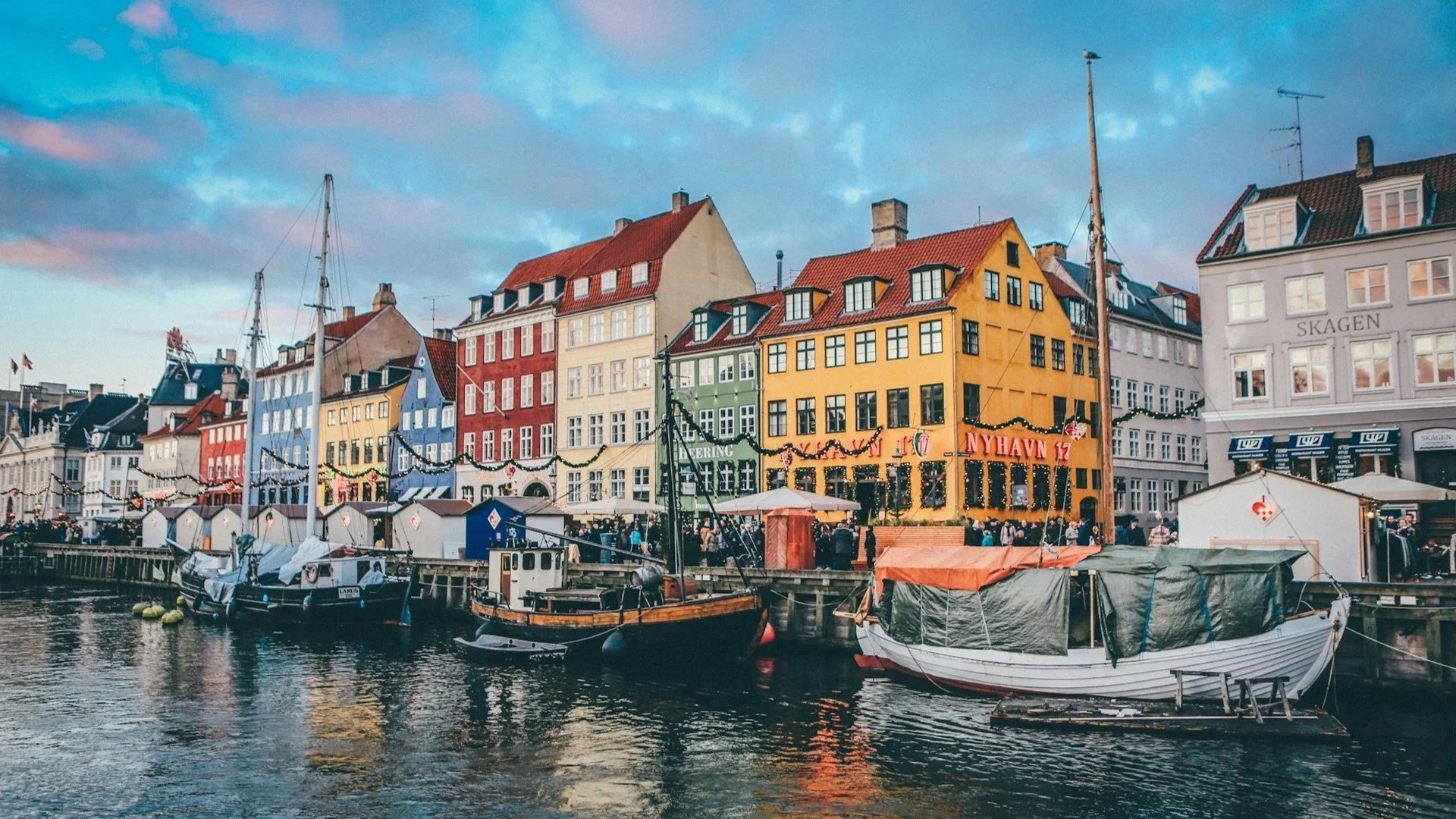
Photo by Nick Karvounis
Starting in May 2026, Czech Railways will debut the 'ComfortJet' on the Prague–Berlin–Copenhagen corridor. This isn't your average commuter train; it features an upgraded business class and even a children’s cinema, designed specifically to compete with Scandinavian flight paths.
🚂 Cross-Border Sleeper Revivals
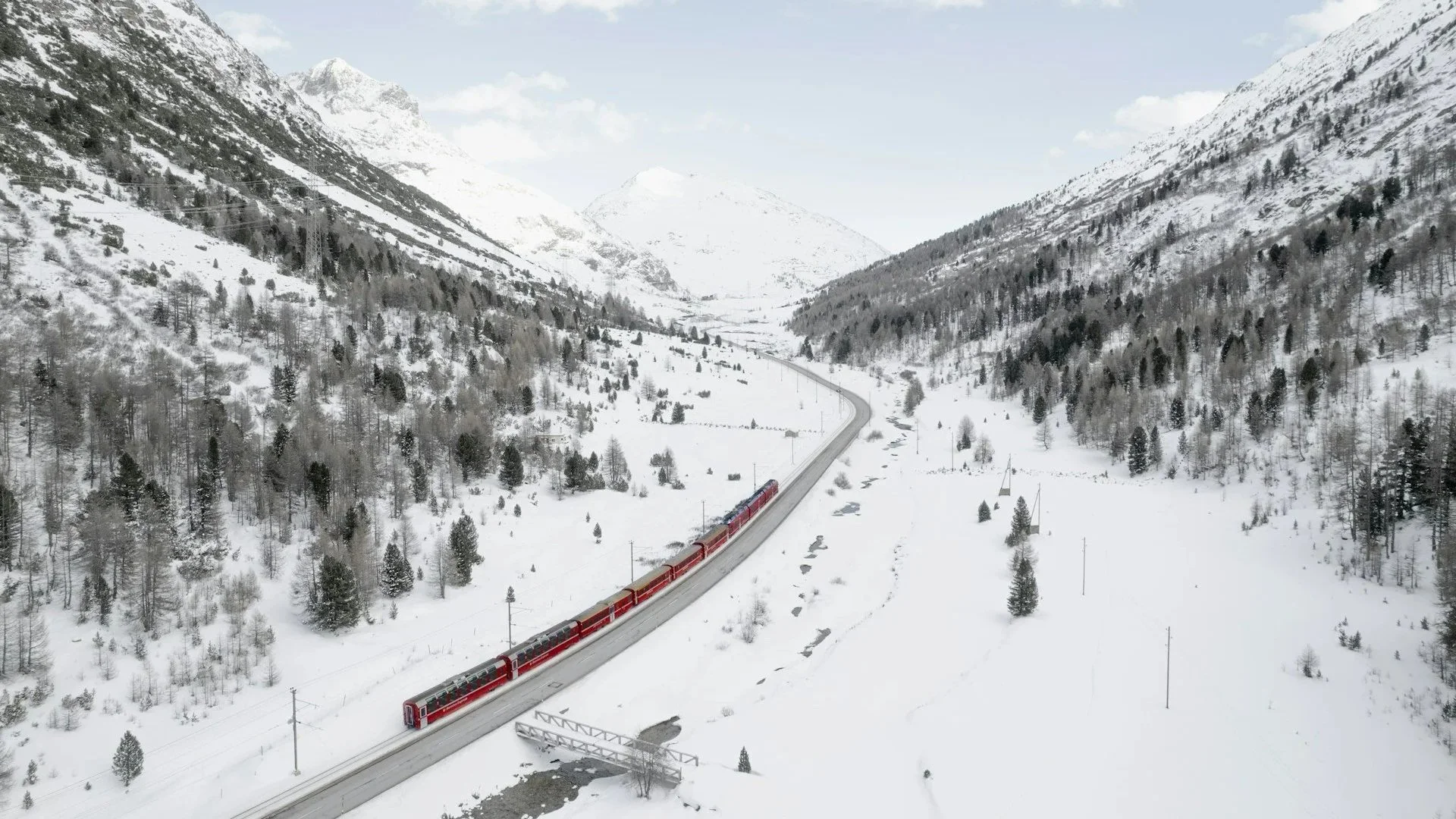
Photo by Patrick Federi
On March 26, 2026, the European Sleeper officially revives the Paris–Berlin overnight route. If you prefer the sun or the slopes, watch for the new 'Sun & Snow' route connecting Amsterdam and Brussels to Milan, scheduled for June 2026.
🚂 The Koralmbahn Milestone
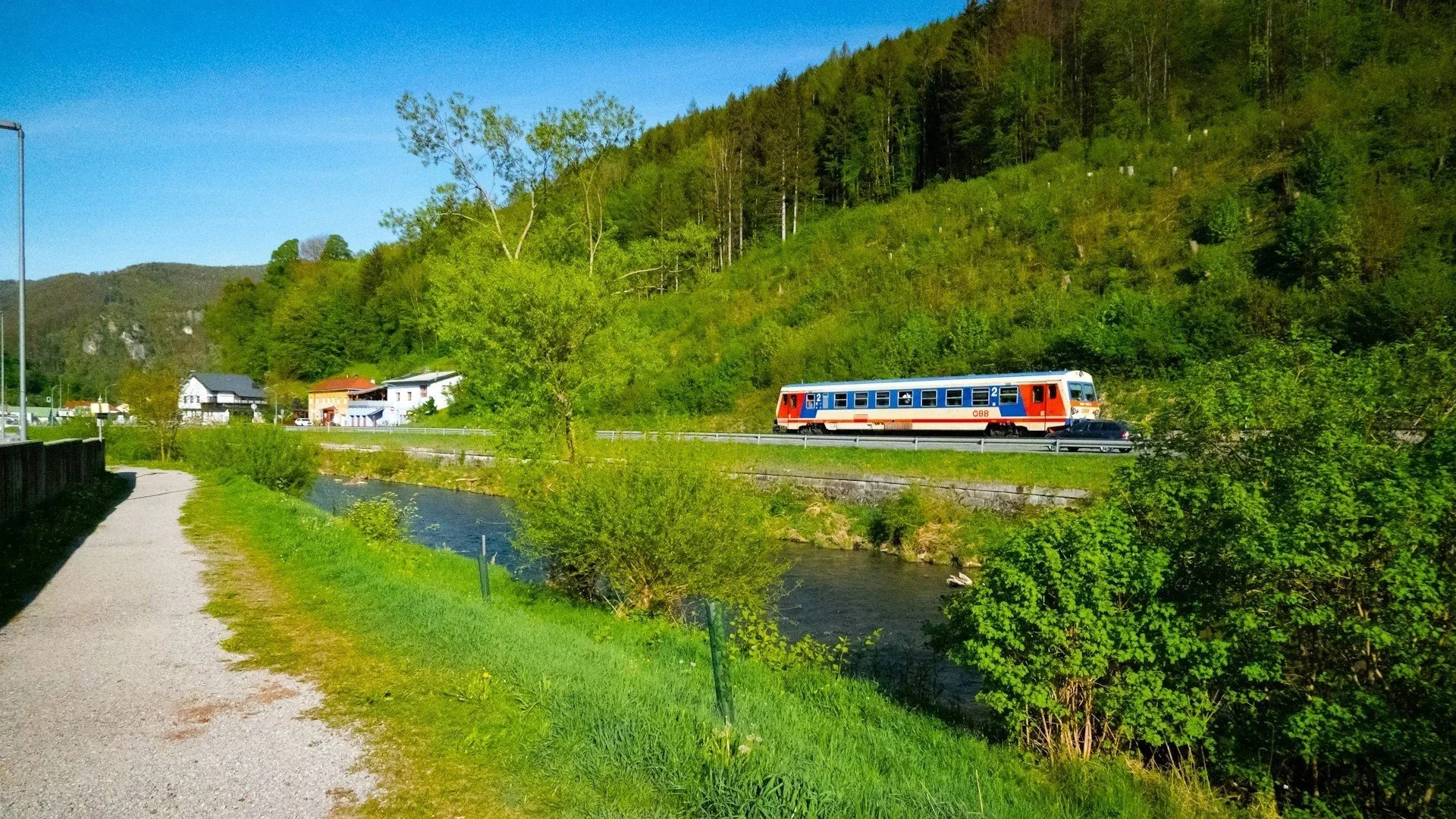
Photo by Scorn Pion
In Austria, the 130km high-speed Koralmbahn becomes fully operational. This engineering marvel slashes the travel time between Graz and Klagenfurt from three hours to a mere 45 minutes, opening up the heart of Europe like never before.
Navigating the 2026 Border Changes
While rail travel is becoming more luxurious, the logistics of border crossing are changing. We want you to be prepared for two major updates to European travel:
April 10, 2026 (EES): The Entry/Exit System (EES) will be fully implemented. This replaces traditional passport stamps with biometric data (facial scans and fingerprints). You should expect some initial delays at major hubs like London St. Pancras and Paris Gare du Nord as these systems go live.
Late 2026 (ETIAS): Travelers from visa-exempt countries (including the USA, Canada, and Australia) will need to apply for ETIAS authorization before entering the Schengen Area by rail.
Don't let the paperwork overwhelm you—planning ahead is the key to a smooth journey.
The rail renaissance of 2026 offers a rare opportunity to slow down without losing momentum. It is a world where sustainability meets high-tech productivity, and where the view from your window is just as important as the pin on your map. Ready to trade the airport terminal for a window seat with a view? Contact our travel agents to book your cross-continental rail adventure, and check out our other blogs for the world's most scenic routes!
#RailRevival #SlowTravel #SustainableTravel #TrainTravel2026 #LuxuryTravel #EcoFriendly
📦 Key Takeaways
Rail travel is surging, with a 40% increase in travelers choosing trains over short-haul flights for journeys under six hours.
New luxury icons like the Orient Express 'La Dolce Vita' and high-tech 'ComfortJets' are redefining the onboard experience.
Technological leaps, including Starlink connectivity and 'Check-in/Check-out' ticketing, are making rail travel more seamless than ever.
New European border systems (EES and ETIAS) will launch in 2026, requiring travelers to plan ahead for biometric checks.
