
The Heart of the Haka: A 2026 Guide to Māori Culture and New Zealand History
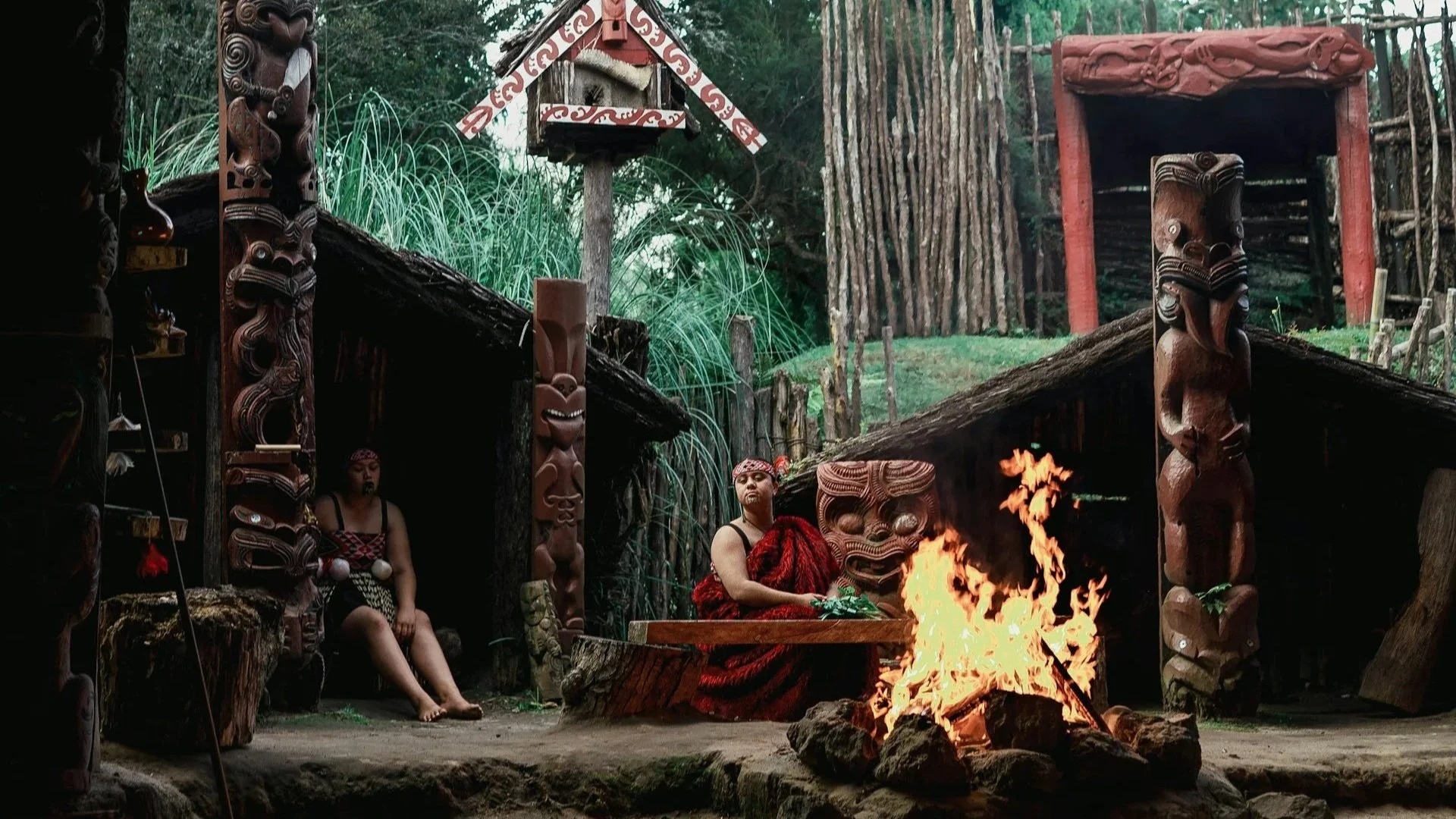
Photo by Connor Gan
Have you ever felt the ground tremble beneath the rhythmic stomp of a haka, or stood in a place where the air feels thick with the stories of ancestors? Planning a trip to New Zealand—or Aotearoa—is more than just a vacation; it is an invitation to connect with one of the world’s most vibrant indigenous cultures. We know that navigating cultural etiquette and timing your visit for significant historical events can feel overwhelming. That’s why we’ve curated this 2026 guide to help you move beyond the postcard views and step into the living history of the Māori people.
The Foundation of a Nation: Waitangi
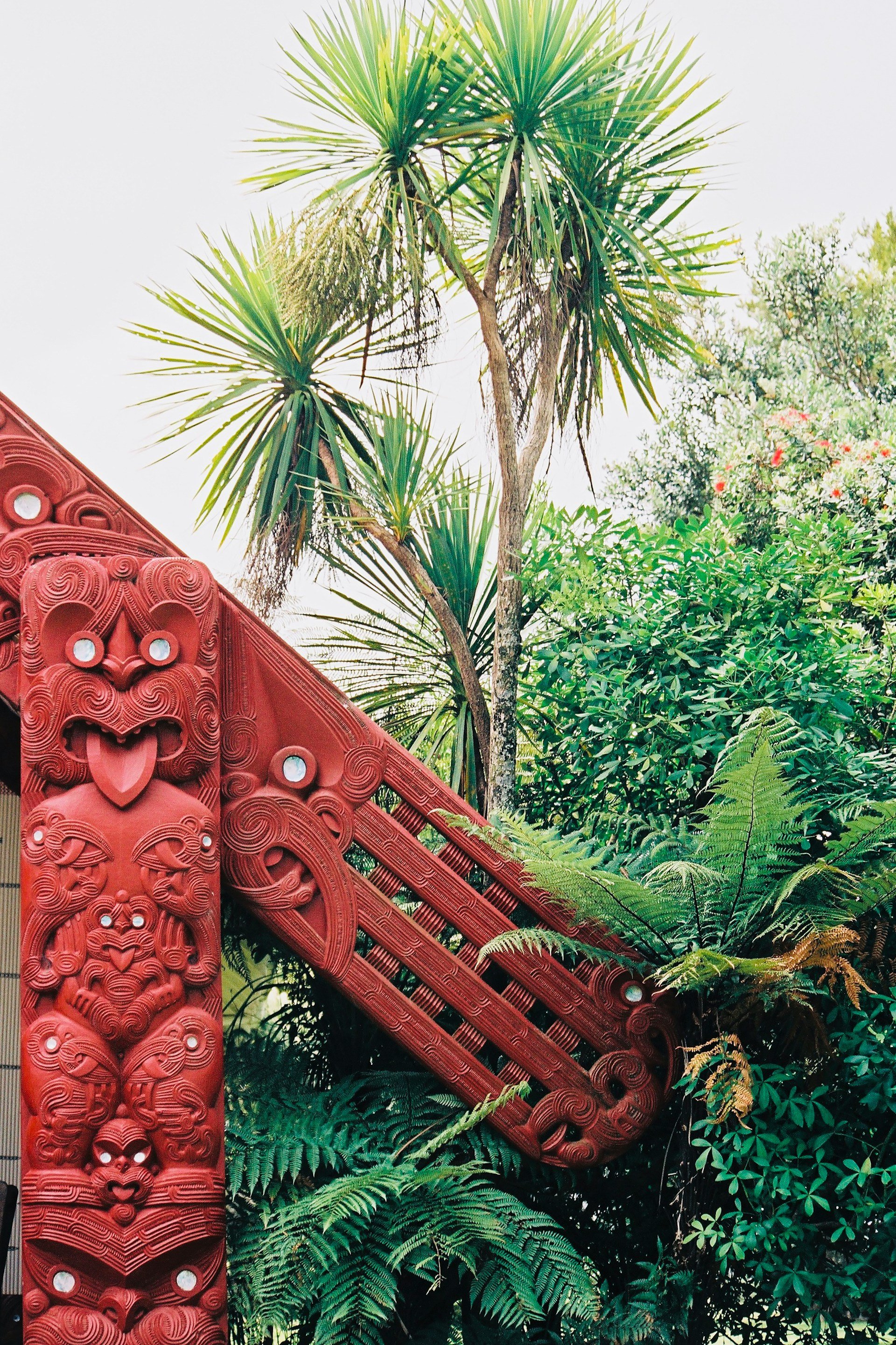
Photo by Andy Bridge
To understand New Zealand, you must start at the beginning. Te Tiriti o Waitangi (The Treaty of Waitangi), signed on February 6, 1840, is the nation's founding document. It established a unique partnership between the British Crown and Māori chiefs, forming the bicultural bedrock you will see reflected throughout your travels.
Waitangi Day 2026
If you are planning to be in the North Island on February 6, 2026, the Waitangi Treaty Grounds are the place to be. For the 186th anniversary, expect a powerful dawn service, naval salutes, and the sight of Ngātokimatawhaorua—the world’s largest ceremonial war canoe—taking to the water. The 2026 theme focuses on "bicultural future-building," offering a profound look at where the country is headed.
Matariki 2026: The Gathering of Canoes
In 2026, the Māori New Year, Matariki, falls on July 10. This is a time for remembrance, celebrating the present, and looking to the future. The national festivities for 2026 will be hosted in Auckland (Tāmaki Makaurau) by the Ngāti Whātua Ōrākei tribe.
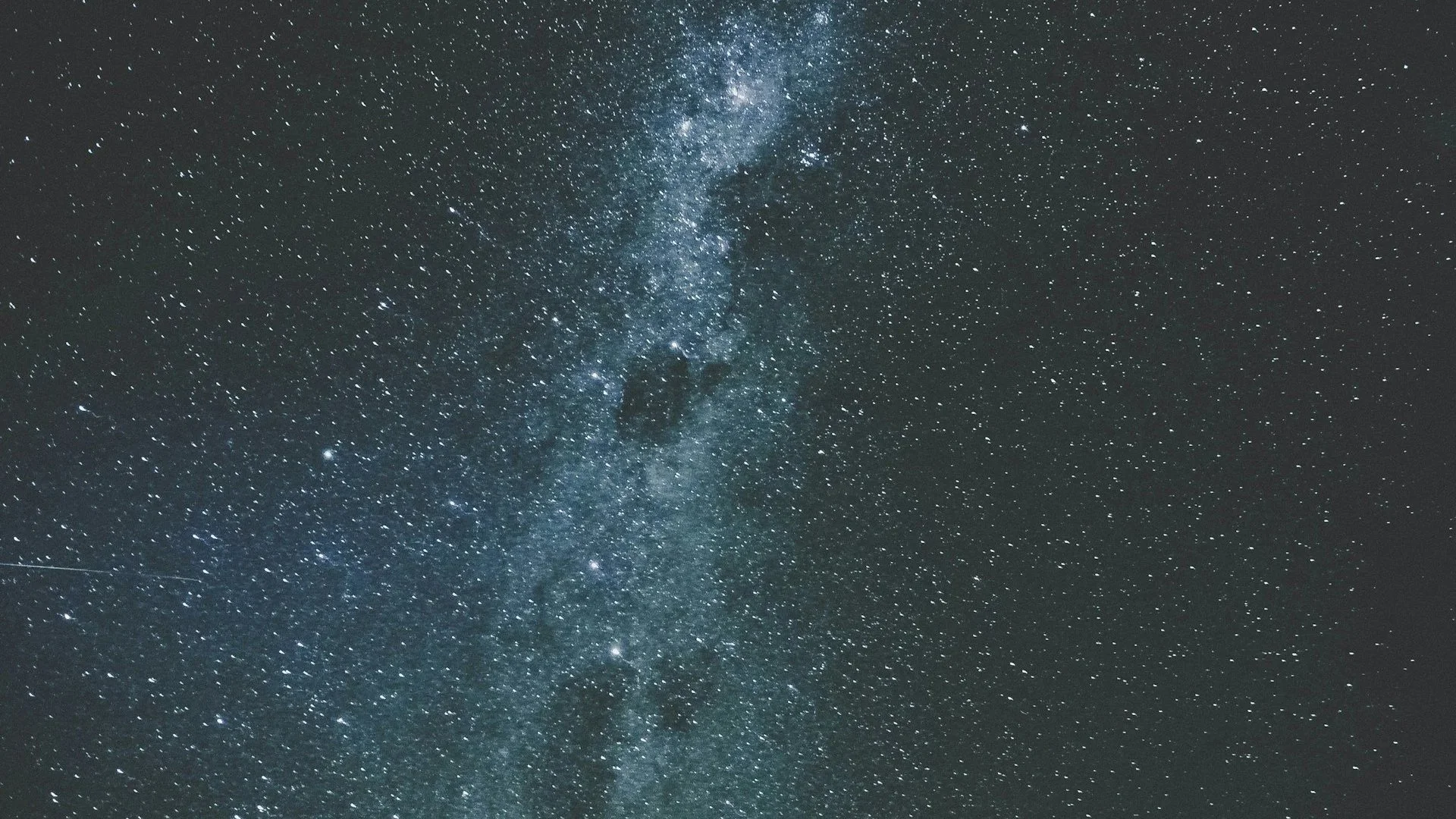
Photo by Aleks Dahlberg
The theme, "Matariki herenga waka" (Matariki, the gathering place of many canoes), emphasizes multicultural inclusion. Visiting during this time allows you to witness traditional star-gazing, light shows, and community feasts that bring the entire nation together.
More Than a Dance: Understanding the Haka
You likely recognize the Haka from the All Blacks rugby team, but its roots go much deeper. The Haka is a diverse genre of posture dance used for everything from welcoming guests to celebrating milestones or mourning. While the Ka Mate haka is world-famous, each iwi (tribe) has its own unique versions. When you witness a Haka in 2026, look past the intensity and see the pride, history, and genealogy being expressed through every movement.
Sacred Treasures and Etiquette
As you explore the South Island (Te Waipounamu), you will encounter Pounamu (Greenstone). This nephrite jade is considered tapu (sacred).
⭐ A Traveler’s Tip: Traditionally, Pounamu is never bought for oneself. It is meant to be gifted to represent a bond, protection, or prestige. If you find a piece that speaks to you, consider it a beautiful gift for a loved one to honor your journey together.
2026 Travel Logistics: What You Need to Know
Planning your 2026 "Whycation"—a trip with deep purpose—requires a bit of administrative preparation. New Zealand has updated its entry requirements to support indigenous-led conservation and tourism infrastructure.
The IVL Increase: The International Visitor Conservation and Tourism Levy (IVL) has increased to NZ$100.
Total Costs: If you are traveling from a visa-waiver country (like the US or UK), expect to pay between NZ$117–$123 for your NZeTA and IVL combined.
Must-Visit Museum: In Wellington, head to Te Papa Tongarewa. In early 2026, don't miss the He Kaupapa Waka exhibition, celebrating the revival of the canoe community, or the Mauri Ora events focusing on traditional musical instruments (Taonga Pūoro).
The stories of Aotearoa are etched into the carvings of the meeting houses and carried in the breath of the Haka. By choosing indigenous-led experiences, you aren't just seeing the sights—you are participating in the preservation of a living culture. Immerse yourself in the stories of the land. Contact Go Beyond Travel today for a personalized consultation to include authentic cultural stays in your 2026 trip, and read our other posts to learn about New Zealand’s unique flora and fauna.
#MaoriCulture #NewZealandHistory #TePapa #CulturalTravel #Aotearoa
📦 Key Takeaways
Waitangi Day 2026 marks the 186th anniversary of New Zealand's founding document.
Matariki (Māori New Year) will be celebrated on July 10, 2026, with a major festival in Auckland.
New travel entry fees (IVL) are now in effect, totaling approximately NZ$117–$123 for most visitors.
Cultural etiquette, such as the gifting of Pounamu, remains a vital part of the travel experience.
Indigenous-led 'Whycations' are the leading travel trend for the 2026 season.
