
Beyond the Eggnog: The Enchanting Charm of Germany's Traditional Christmas Markets
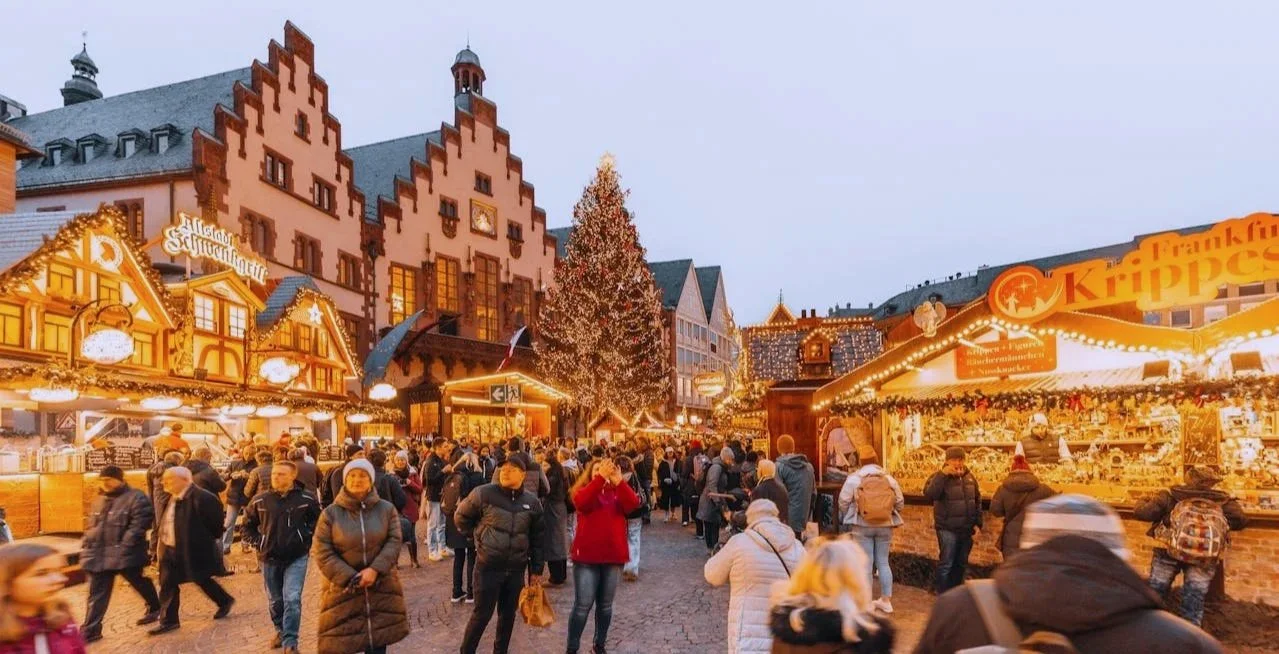
Photo by Masood Aslami
The air is crisp, the scent of cinnamon-spiced mulled wine hangs heavy in the night, and thousands of twinkling lights reflect off the snow-dusted cobblestones of a medieval square. There is no experience quite like the German Christkindlmarkt.
Year after year, these markets remain the gold standard for festive wonder. If you’ve ever felt that modern holidays have become too rushed, a journey to the heart of Germany’s traditional markets is the soul-stirring antidote you’ve been searching for. Let's explore the history, the treats, and the practical steps to getting you there.

The Heart of the Holiday: Why We Celebrate
The tradition of the Christkindlmarkt dates back to the Late Middle Ages. While cities like Munich and Bautzen held "December Markets" as early as 1310 to help citizens stock up for winter, the Dresden Striezelmarkt (est. 1434) is widely considered the first true Christmas market. Originally, these were meat markets, but they quickly evolved into festive hubs where artisans sold toys, baskets, and woodcarvings.
The "why" behind the magic shifted during the Reformation. Martin Luther promoted the idea of the Christkind (the Christ Child) as the gift-bringer to move the focus away from Saint Nicholas. This shift gave birth to the name Christkindlmarkt and cemented the market as a place of wonder, where the community gathers to light up the darkest days of the year.

Treasures of the Stall: What to Look For
Walking through a market like the Nuremberg Hauptmarkt is like stepping into a fairy tale. Keep an eye out for these authentic treasures:
Rauschgoldengel: The "Gold Foil Angel," a symbol of the Nuremberg market.
Erzgebirge Woodcarvings: Intricate nutcrackers, "smoking men" (incense burners), and spinning Christmas pyramids from the Ore Mountains.
Zwetschgenmännle: Quirky little figurines made from dried plums—a traditional "lucky" gift.
Hand-Blown Glass: Ornaments from Lauscha, the birthplace of the glass Christmas bauble.

The Flavors of the Season
You cannot truly experience a German Christmas market without the culinary rituals.
Glühwein (Mulled Wine): The lifeblood of the market. It’s a hot, spiced red wine served in collectible ceramic mugs. ⭐ Pro Tip: You pay a Pfand (deposit) for the mug; you can keep it as a souvenir or return it to get your euros back!
Lebkuchen: Traditional gingerbread, especially the world-famous Elisenlebkuchen from Nuremberg, which is rich in nuts and spices but contains little to no flour.
Gebrannte Mandeln: The irresistible scent of cinnamon-roasted almonds that follows you through every alleyway.
Planning Your Journey: Essential Tips
Planning for a holiday market trip requires a bit more foresight than a standard vacation:
✅ Dates to Remember: Most markets kick off during the last week of November and wrap up by midday on December 24th. For the full experience, aim for the first three weeks of December.
✅ Travel Authorizations: Travelers from visa-exempt countries (like the U.S. and Canada) should ensure they have applied for any required travel authorizations, such as ETIAS, before entering the Schengen Area.
✅ Cash is King: While more stalls are accepting cards, many traditional vendors—especially for food and small crafts—still prefer cash (Euros).
✅ Sustainability Matters: Many modern markets focus on eco-friendly practices, from LED lighting to strictly locally-sourced goods. Supporting these local artisans helps keep the tradition alive.
Germany’s Christmas markets are more than just shopping destinations; they are a living history book wrapped in the scent of pine and cloves. Whether you're sipping Glühwein in the shadow of a 600-year-old cathedral or finding the perfect hand-carved ornament for your tree, a timeless magic is waiting for you.
#ChristmasMarket #Christkindlmarkt #Glühwein #GermanCulture #EuropeanHolidays #FestiveTravel
📦 Key Takeaways
Timing is Everything: Most markets run from late November through December 23rd; early booking is essential for the best experience.
Entry Requirements: Be sure to check the latest travel authorization requirements, such as ETIAS, for entry into the Schengen Area.
Authentic Finds: Look for Erzgebirge woodcarvings and Nuremberg Lebkuchen for the highest quality, traditional souvenirs.
Historical Roots: Visit Dresden, home to the world's oldest true Christmas market, to see where the tradition began.
