
Eight Nights of Light: Exploring Hanukkah Traditions Around the World
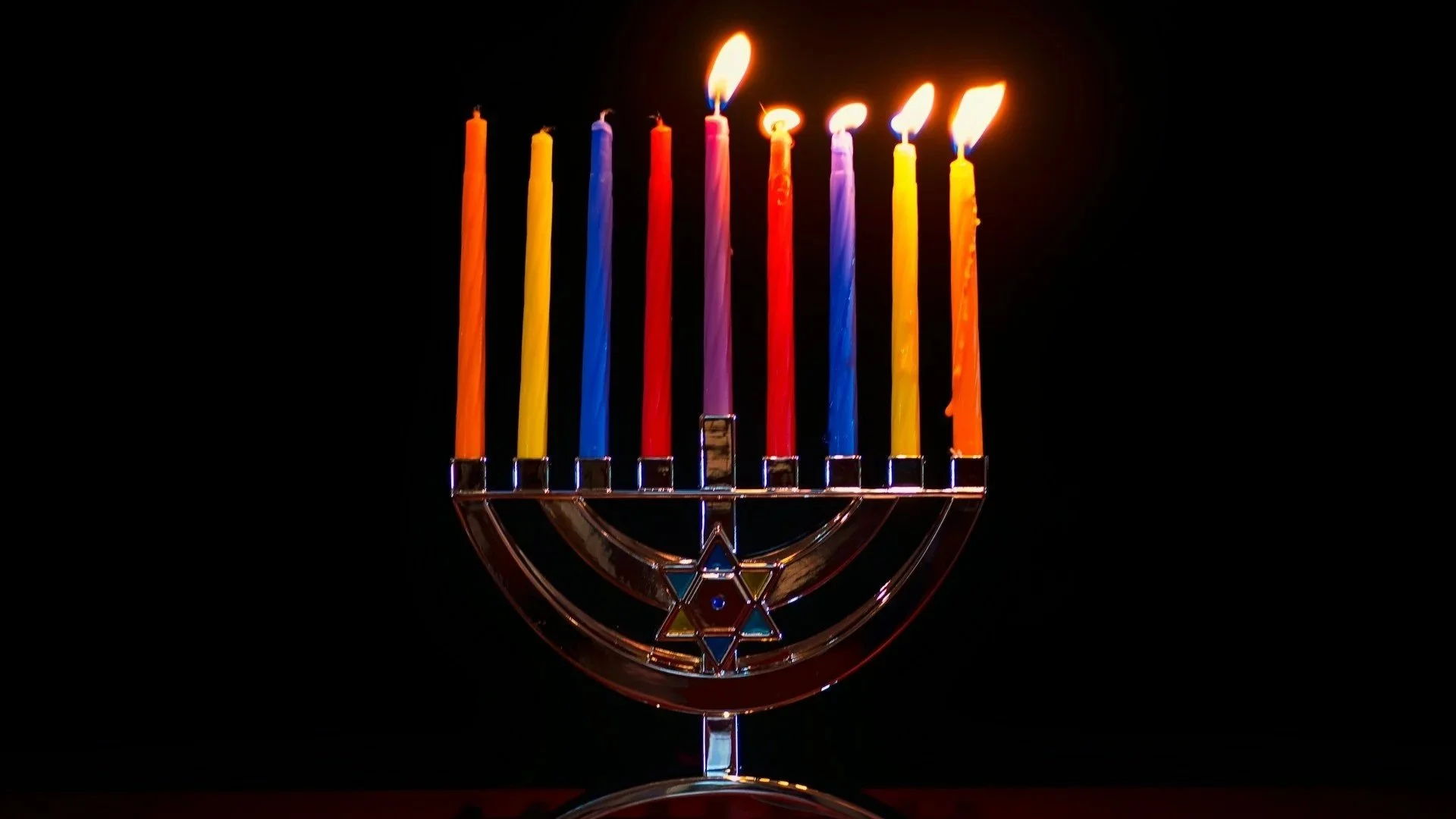
Photo by Robert Thiemann
As the winter chill settles in and the days grow short, a warm glow begins to flicker in windows from Jerusalem to New York. Hanukkah, the Jewish "Festival of Lights," is a vibrant celebration of miracles, resilience, and—of course—delicious food. While the dates change annually on the Gregorian calendar, the spirit of the holiday remains a timeless invitation to witness one of the world's most enduring traditions.
Whether you’re drawn by the history of the Maccabees or the scent of freshly fried sufganiyot, here is your ultimate guide to celebrating Hanukkah across the globe.
The History: A Victory of Light over Darkness
The story of Hanukkah dates back over 2,000 years to a time when the Jewish people in Judea were forbidden from practicing their faith. Led by a small but brave band of warriors known as the Maccabees, they rose up against their oppressors and reclaimed the Second Temple in Jerusalem.
When it came time to rededicate the Temple, they found only enough sacred oil to light the Menorah for a single day. Miraculously, that small jar of oil burned for eight full nights, giving the people time to prepare more. Today, Hanukkah is celebrated not just as a historical victory, but as a testament to the enduring power of hope.
Rituals of the Menorah
The centerpiece of the celebration is the Hanukkiah (a nine-branched menorah). Families gather each night at sundown to light the candles and recite blessings.
The Shamash: The central or elevated "helper" candle used to light the others.
The Progression: One candle is added each night from right to left, but they are lit from left to right (the newest candle first).
Placement: Traditionally placed in a window to "publicize the miracle." In cities like Jerusalem, the sight of thousands of glowing Hanukkiahs in the streets is truly breathtaking.
A Culinary Celebration: The Magic of Oil
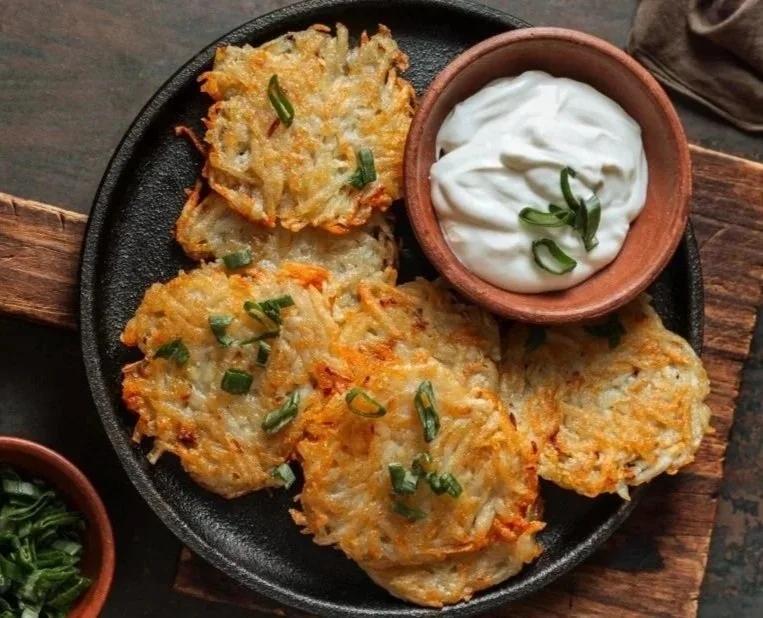
Because of the miracle of the oil, Hanukkah is a holiday defined by fried delicacies:
Latkes: Crispy potato pancakes traditionally served with applesauce or sour cream.
Sufganiyot: Deep-fried jelly donuts dusted with powdered sugar. Modern bakeries now offer gourmet versions with fillings like pistachio cream, salted caramel, or chocolate ganache.
Hanukkah Around the Globe
While the core traditions are universal, different cultures add their own unique flavor to the festival:
📍 Jerusalem, Israel: The heart of the celebration. In the Old City, residents place their menorahs in glass boxes outside their doors, turning stone alleys into a glowing labyrinth.
📍 Rome, Italy: The historic Jewish Ghetto comes alive with public lightings and the smell of Precipizi—sweet, honey-coated fried dough balls.
📍 New York City, USA: Manhattan and Brooklyn host some of the world's largest menorahs, with massive public lightings accompanied by live music and hot latkes.
📍 India: In some Indian Jewish communities, you'll find neylappam—sweet deep-fried cakes made from rice flour and jaggery—instead of traditional potato latkes.
Planning Ahead: Looking Toward 2026
Because Hanukkah often coincides with the peak winter travel season, foresight is essential for a seamless trip.
2026 Dates: Mark your calendars! Hanukkah 2026 runs from the evening of December 4th to December 12th. Since this is earlier than usual, it's a great opportunity to experience the festival before the peak Christmas travel rush begins.
Early Booking: Hotels in high-demand areas like Jerusalem’s Mamilla or Rome’s Jewish Quarter should be booked 6–9 months in advance.
Dress for the Evening: Many of the most beautiful ceremonies take place outdoors at sunset. Even in the Mediterranean, December evenings can be quite chilly—pack layers!
Whether you are lighting a single candle at home or witnessing the grand menorahs of the world’s great cities, Hanukkah is a time to reflect on the light we bring to the world. Craving more global holiday guides? Check out our other blog posts on the topic of diverse cultural celebrations! Contact Go Beyond Travel today, and let us help you find the light in your next adventure.
#FestivalofLights #Menorah #Sufganiyot #Latkes #JewishCulture #ReligiousHolidays #Hanukkah
📦 Key Takeaways
A Moving Calendar: Hanukkah begins on the 25th of the Hebrew month of Kislev, usually falling in late November or December.
The Miracle of Oil: The holiday commemorates the Maccabean Revolt and the miracle of the oil that lasted eight nights.
Culinary Traditions: Oil-based foods like latkes and sufganiyot are central, symbolizing the temple miracle.
Global Destinations: Jerusalem, Rome, and New York offer some of the most spectacular public celebrations.
Plan for 2026: For those looking ahead, Hanukkah 2026 begins exceptionally early, at sundown on Friday, December 4th.
