
Beyond Transylvania: 5 Essential Regions to Explore in Romania

Original photo by Valentin Balan
You’ve heard about Dracula and fortified churches, but Romania in 2026 is so much more: medieval citadels with walkable cores, alpine castles framed by Carpathian peaks, UNESCO wetlands teeming with birds, and wild, quiet mountains perfect for slow travel. If planning feels overwhelming, this guide cuts through the noise with practical, up-to-date advice so you can build a relaxed, unforgettable route.
1) Brașov — Your medieval basecamp
Why go: Brașov’s compact, pedestrian-friendly medieval core makes it the perfect hub. Stay put, unpack once, and launch day trips to nearby highlights by rail or short transfers.
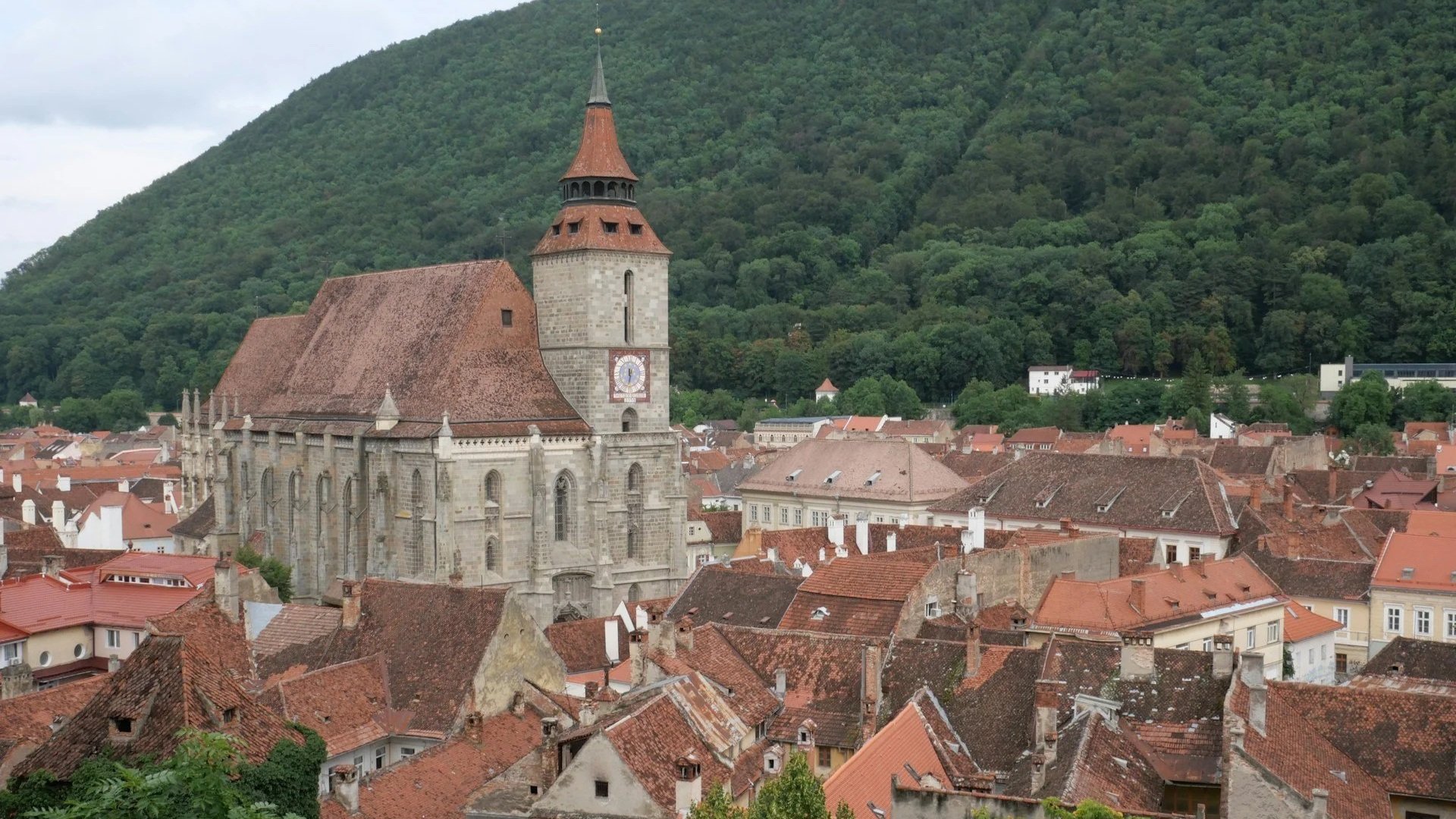
Photo by Andy Arbeit
What to do:
Stroll the Council Square (Piața Sfatului) and walk the old city walls.
Evenings: take in local restaurants and cafés, or time your visit for the Brașov Jazz & Blues Festival (Aug 14–16, 2026) for lively night programming.
Practical tips:
Use rail for day trips to Sinaia and Sighișoara to avoid repeated packing and driving.
Late spring and early autumn are best for comfortable walking weather and fewer crowds.
2) Sinaia & Peleș Castle — Alpine elegance in the Bucegi foothills
Why go: Peleș Castle is one of Europe’s best-preserved royal residences, set against alpine scenery—perfect for castle lovers and light mountain hikes.
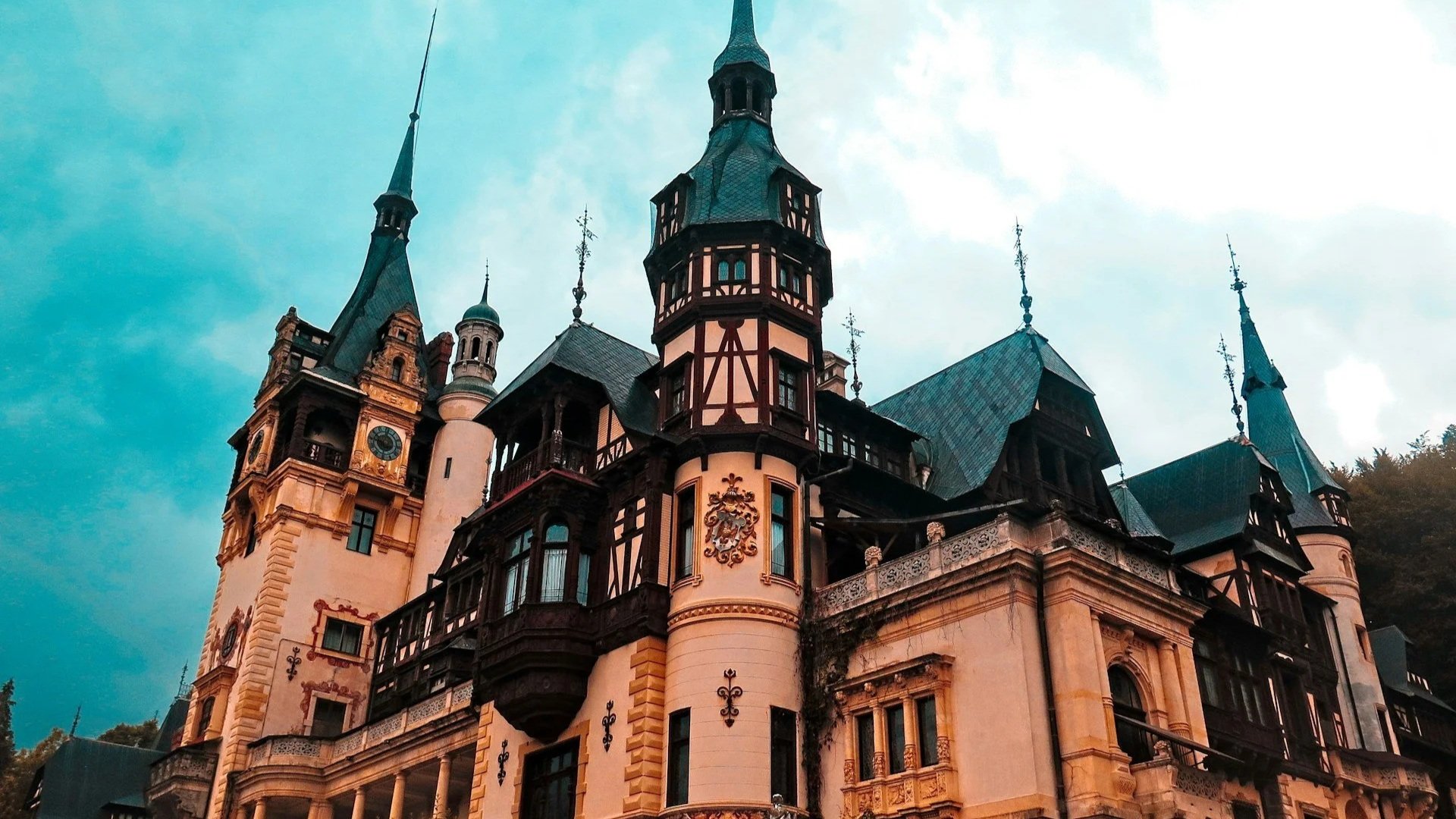
Photo of Peleș Castle by Larry Wiseman
What to do:
Tour Peleș Castle and the nearby Pelișor.
Take short lifts or trails into the Bucegi for panoramic views.
Practical tips:
Summer offers the most reliable mountain access; early autumn adds color. Winter is scenic but can affect lifts and roads—plan extra time for rail or transfers.
3) Sighișoara — Step into fortified-mediaeval Transylvania
Why go: A living medieval citadel with cobbled lanes, colorful houses and a romantic, compact layout that’s easy to experience on foot.
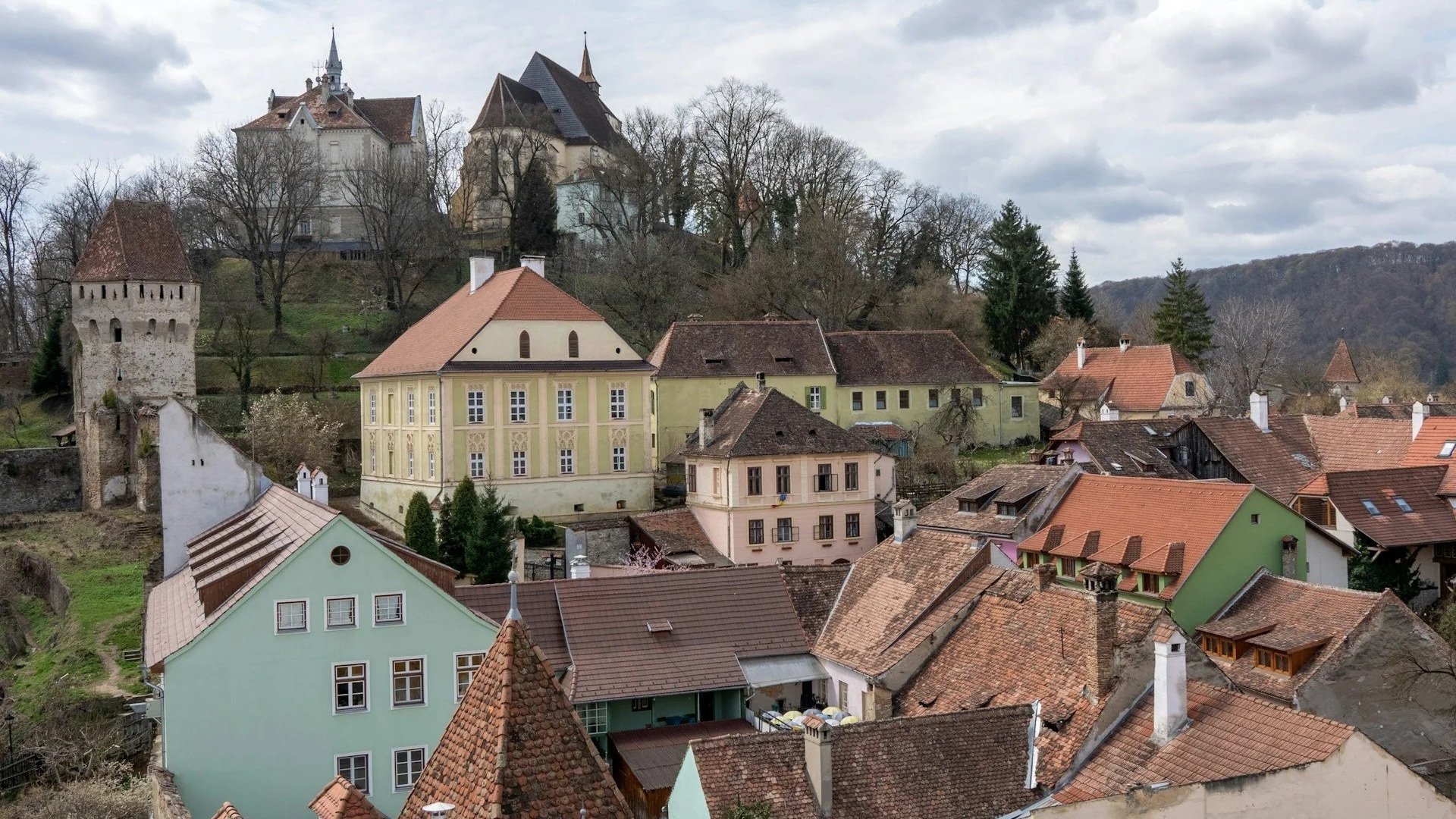
Photo by Jonny Gios
What to do:
Climb the Clock Tower for valley views and visit the house allegedly linked to Vlad Țepeș’s lineage.
Practical tips:
Visit in late spring or early autumn to strike a balance between pleasant weather and smaller crowds.
4) Danube Delta — Slow travel, wildlife, and multi-season birding
Why go: A UNESCO Biosphere Reserve where slow, low-impact travel is the point—small boats, quiet marsh channels and extraordinary birdlife.
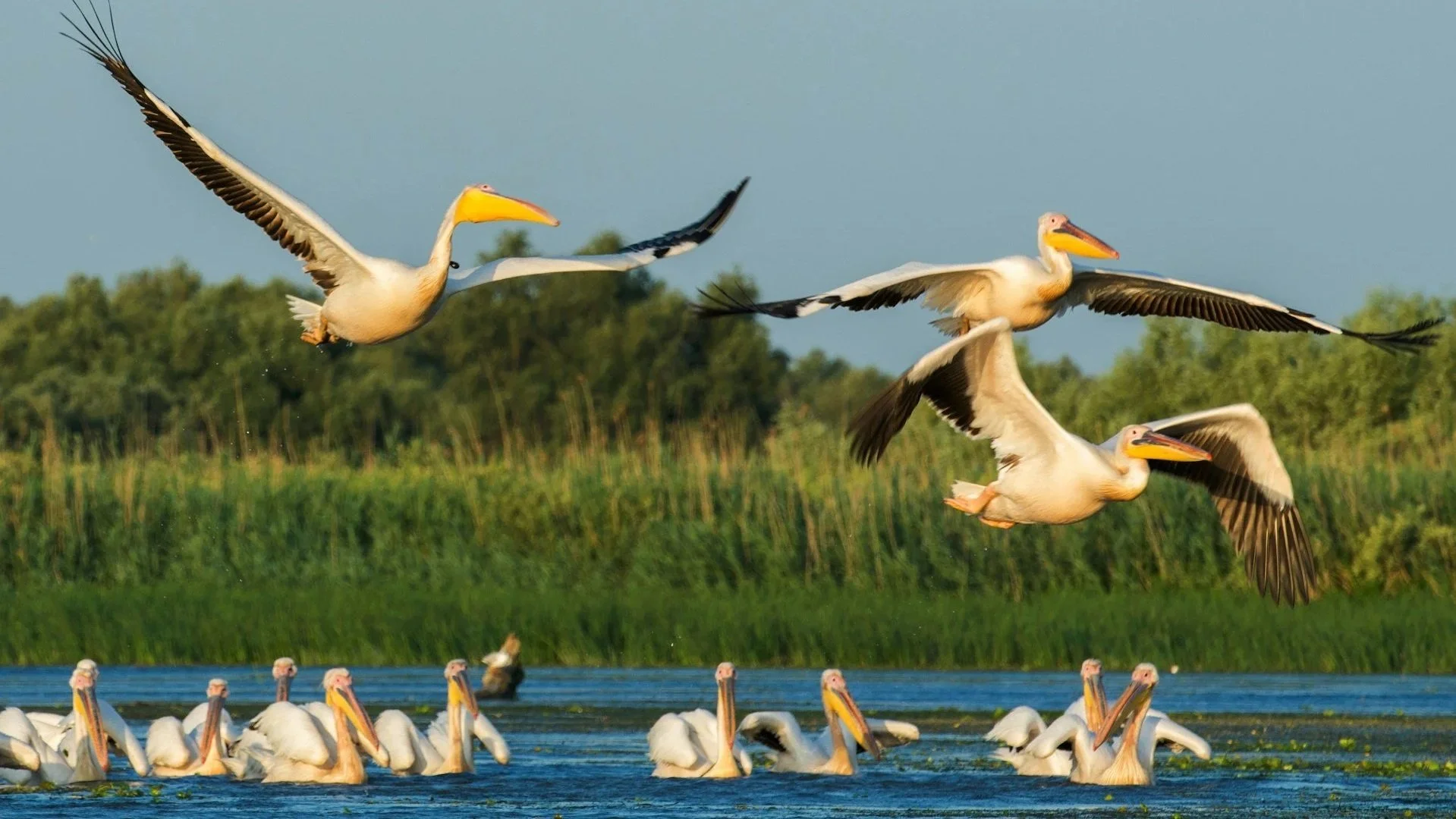
Photo by Marian Strinoiu
What to do:
Book small-group, low-speed boat trips focused on birdwatching and nature observation.
Prioritize operators that limit group sizes to reduce disturbance and offer expert guides.
Best times:
Spring migration (Mar–May): peak movement of migrants.
Summer (Jun–Aug): breeding colonies and long days on the water.
Autumn (Sep–Oct): another migration wave; often calmer than midsummer.
Winter (Nov–Feb): specialist winter birding options exist with local operators.
Practical tips:
Peak months (often July–Sept) require advance booking—operators emphasize limited groups, so secure your spot early.
Consider multi-night slow itineraries to truly experience the Delta’s rhythms rather than rushed day trips.
5) Apuseni Mountains — Wild hiking and underground wonders
Why go: Limestone massifs, deep forests and ice caves give the Apuseni a remote, off-grid feel—ideal for hikers who want scenery and solitude.
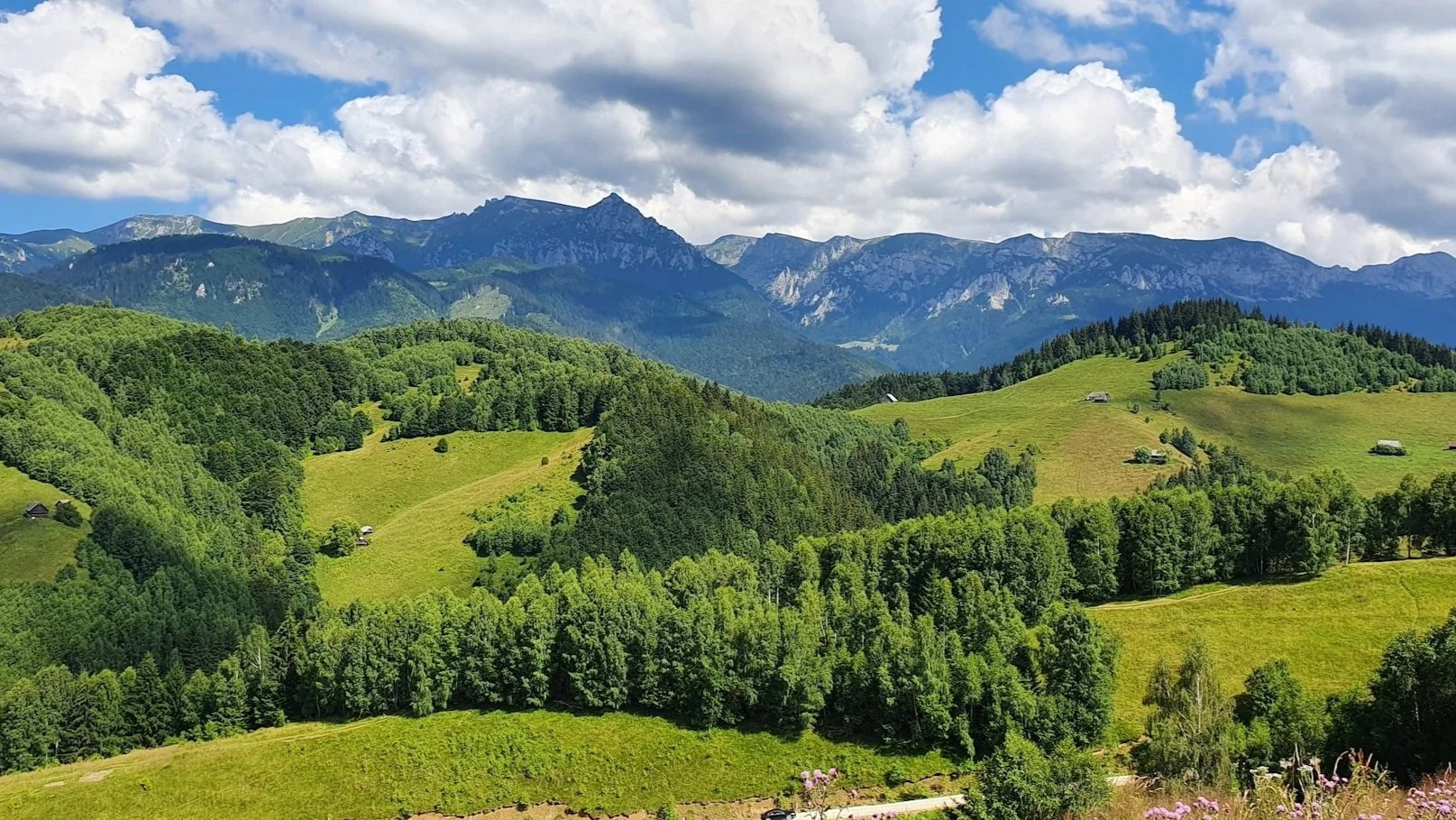
Pho by Adrian Ciocalau
What to do:
Hike day routes through forested valleys and visit accessible ice caves (note: caves stay cool year-round).
Practical tips:
Late spring through early autumn is best for high-altitude trails; check local access rules for cave visits and guided options.
Planning, costs and border-entry watch-outs for 2026
Entry systems: ETIAS is expected to go live in 2026 for visa-exempt travelers entering the Schengen area, and Romania is also adapting to the EES (Entry/Exit System). If your routing transits Schengen hubs, you should monitor rollout timing and compliance. Confirm requirements close to departure via government/embassy sources.
Pricing pressure: macro indicators point to continuing inflationary pressure on fuel and services in 2026. Expect higher costs for car rentals, private transfers and guided tours—book transfers and key lodging early to mitigate rate increases and limited availability (hotel ADR growth is a sector-wide trend in 2026).
Value angle: Romania still offers strong value compared with many Western European destinations, but don’t assume rock-bottom prices—plan and book strategically.
Practical itinerary idea (8–10 days)
Day 1–3: Brașov base — explore the medieval core, evening concerts, day trip to Sinaia (Peleș).
Day 4: Rail to Sighișoara — overnight in the citadel.
Day 5–7: Head east to the Danube Delta — slow-boat wildlife days, overnight in small guesthouses.
Day 8–9: Apuseni Mountains — end with a couple of forested hikes or cave visits before returning to Brașov or Bucharest.
Booking checklist (quick wins)
Confirm ETIAS/EES status and passport validity close to travel (sources below).
Book Danube Delta boats and any specialist birding guides well in advance—especially for July–Sept 2026.
Reserve key hotels/transfers early to lock rates amid 2026 ADR growth.
Favor rail and short transfers from Brașov to reduce stress and unpacking.
You don’t have to rush through Romania. The best experiences come from measured travel: lingering over a castle courtyard, floating slowly through reed-lined channels, and taking a quiet hike in the highlands. With a little planning—especially in light of 2026 border-system updates and pricing trends—you can see more and feel less hurried.
Ready to uncover Europe’s best-kept secret? Let Go Beyond Travel tailor a route that fits your pace—whether you want a music-filled city stay around Brașov Jazz & Blues (Aug 14–16, 2026), a slow-paced Danube Delta wildlife immersion, or a mixed medieval-and-mountains itinerary. Contact Go Beyond Travel for a personalized consultation and we’ll build your perfect Romanian trip for 2026.
#VisitRomania #Transylvania #Brasov #Sighisoara #DanubeDelta #Europe2026
📦 Key Takeaways
Use Brașov as your basecamp in 2026 to minimize transfers and access Sinaia, Sighișoara and the Carpathians by rail and short drives.
Book Danube Delta small-group, low-speed boat trips well in advance—peak months (July–Sept) fill quickly.
Expect ETIAS/EES rollouts in 2026; confirm border/entry rules close to departure via official sources.
Spring and autumn are ideal for medieval towns; summer and migration windows optimize Danube Delta birdwatching.
Watch for upward pressure on local costs in 2026—book key transport and lodging early to lock rates.
