
The Gastro-Local Movement: A Foodie’s Guide to Authentic Romania
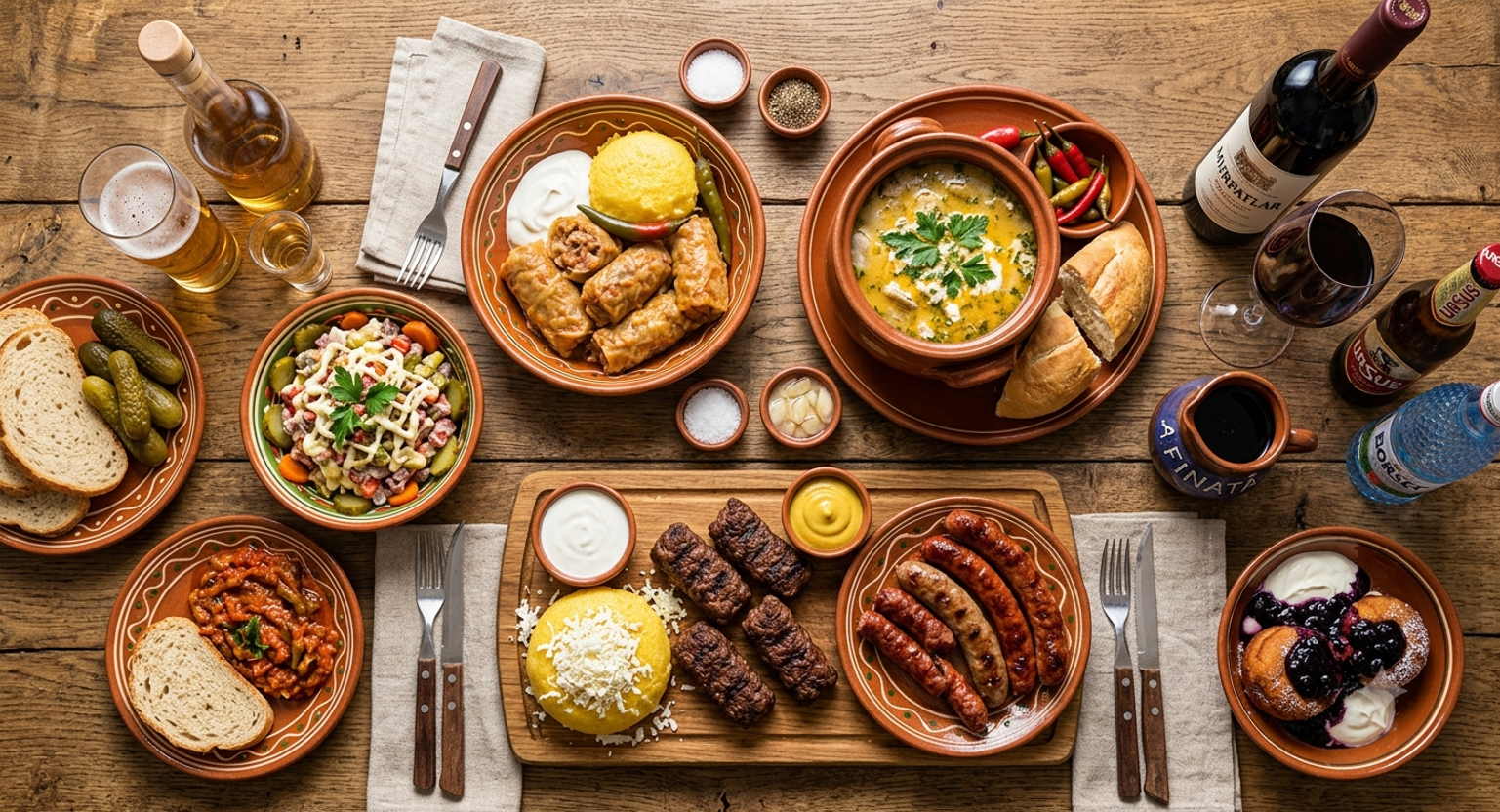
Imagine sitting at a long wooden table in a Romanian village as a host ladles out steaming sarmale and a homemade papanași arrives for dessert. That’s Gastro Local: authentic, traceable, home-cooked meals served by villagers through officially registered Local Gastronomic Points (Punct Gastronomic Local). If you want real regional flavors in 2026—served in small, seasonal settings—this guide shows you where to go, what to expect, and how to plan so your trip tastes as good as it looks.
What is Gastro Local (and why it matters for your trip)
Gastro Local is Romania’s movement to create authentic rural dining experiences by enabling private households and small farms to host paying guests at officially registered Local Gastronomic Points (PGL/LGP). These are not restaurants in the conventional sense — they’re community kitchens where hosts cook regional recipes using traceable, often on-farm or nearby-sourced ingredients. The result is a personal meal and a story: family recipes, seasonal produce and a chance to sit where locals eat.
What to expect when you book a Local Gastronomic Point
👥 Small capacity: LGPs typically serve intimate groups — research commonly cites around ~15 guests maximum at one sitting.
🍽️ Seasonal, short menus: Hosts cook to order from short menus that change with what’s available locally.
🥬 Traceable ingredients: Produce often comes from the host’s farm or nearby authorized producers, emphasizing regional authenticity.
✅ Legal, registered operations: The LGP model is an established good practice in Romania’s rural tourism offer (see Interreg and academic summaries for the model and operating context).
Where to go: regions and dishes you can’t miss
Tulcea & the Danube Delta: A stronghold for rural gastronomic experiences tied to freshwater fish, local vegetables and Delta traditions.
Transylvania: Countryside villages that pair centuries-old recipes with local produce — ideal for pairing with the Taste of Transylvania festival.
Signature "hearty Romania" dishes you may find at an LGP:

Sarmale — stuffed cabbage rolls, usually served with sour cream and mămăligă (cornmeal polenta).
Mămăligă — a cornmeal staple that accompanies many traditional mains.
Ciorbă de burtă — a tangy tripe soup finished with garlic, sour cream and vinegar.
Papanași — fried cottage-cheese doughnuts topped with sour cream and jam for a classic village dessert.
(For definitions and cultural context, RomaniaTurism documents these dishes as classics of the national table.)
2026 travel timing: events and planning hooks
Taste of Transylvania Food Festival — 3–6 September 2026: an excellent anchor for a culinary itinerary that combines festival programming with village dining. (Official festival page lists dates and ticketing.)
Cluj Street Food Festival — 2–5 July 2026 and Timișoara Street Food Festival — 10–13 September 2026: great urban counterparts if you want to contrast gastro-local home dining with vibrant street-food scenes.
Plan so you can experience a festival atmosphere and then slow down in a village LGP for a deeply local meal.
Practical planning tips for 2026
🔑 Book early for peak summer and festival dates: inflationary pressures into 2026 mean accommodations and experiences can tighten during peak months — booking ahead secures space and better rates.
🔑 Consider shoulder seasons for value and calmer village life: early summer or early autumn often provides good weather with fewer crowds.
🔑 Visa/entry rules: Romania is referenced in relation to Schengen 90-in-180 stay rules — make sure your itinerary complies. ETIAS implementation is widely discussed for late 2026; because many sources are non-official, monitor official EU channels before finalizing travel plans. For timely entry-requirement guidance, check current government travel advice resources.
🔑 Dietary needs and small groups: LGPs are intimate operations with short menus. If you have allergies or strict dietary needs, communicate clearly when you book — many hosts cook from family recipes and local supply constraints may limit substitutions.
We know planning local, small-capacity dining can feel overwhelming — especially when you want authentic experiences without wasting time. Let us handle the logistics so you can focus on the food and the people who make it.
Is your sweet tooth calling for authentic European flavors? Whether you’re craving papanași after a long village walk or want a seat at an intimate table for sarmale and mămăligă, Gastro Local offers an unforgettable way to experience Romania in 2026. Ready to taste the countryside with confidence? Contact Go Beyond Travel for a personalized consultation to plan your Gastro Local dining experiences and festival itinerary — and leave a comment telling us which dish you want to try first!
#RomanianFood #GastroLocal #FarmToTable #Papanasi #FoodieTravel #EatLocal
📦 Key Takeaways
Gastro Local (Local Gastronomic Points) connects travelers with private households/farms that legally host small-group, farm-to-table meals using local ingredients and regional recipes.
Expect intimate settings (around ~15 guests max), short seasonal menus, and signature hearty Romanian dishes like sarmale, mămăligă, ciorbă de burtă and papanași.
Best regions to find LGPs include Tulcea (Danube Delta) and parts of Transylvania; pair rural dining with 2026 festivals for a broader culinary itinerary.
Key 2026 events: Taste of Transylvania Food Festival (3–6 Sept 2026); consider Cluj Street Food Festival (2–5 July 2026) or Timișoara Street Food Festival (10–13 Sept 2026) as urban complements.
Plan around Schengen 90-in-180 rules and monitor ETIAS updates from official EU sources; book ahead for peak summer and consider shoulder seasons for better value.
