
Dark Sky Tourism: Why "Astro-Travel" is the Brightest Trend of 2026
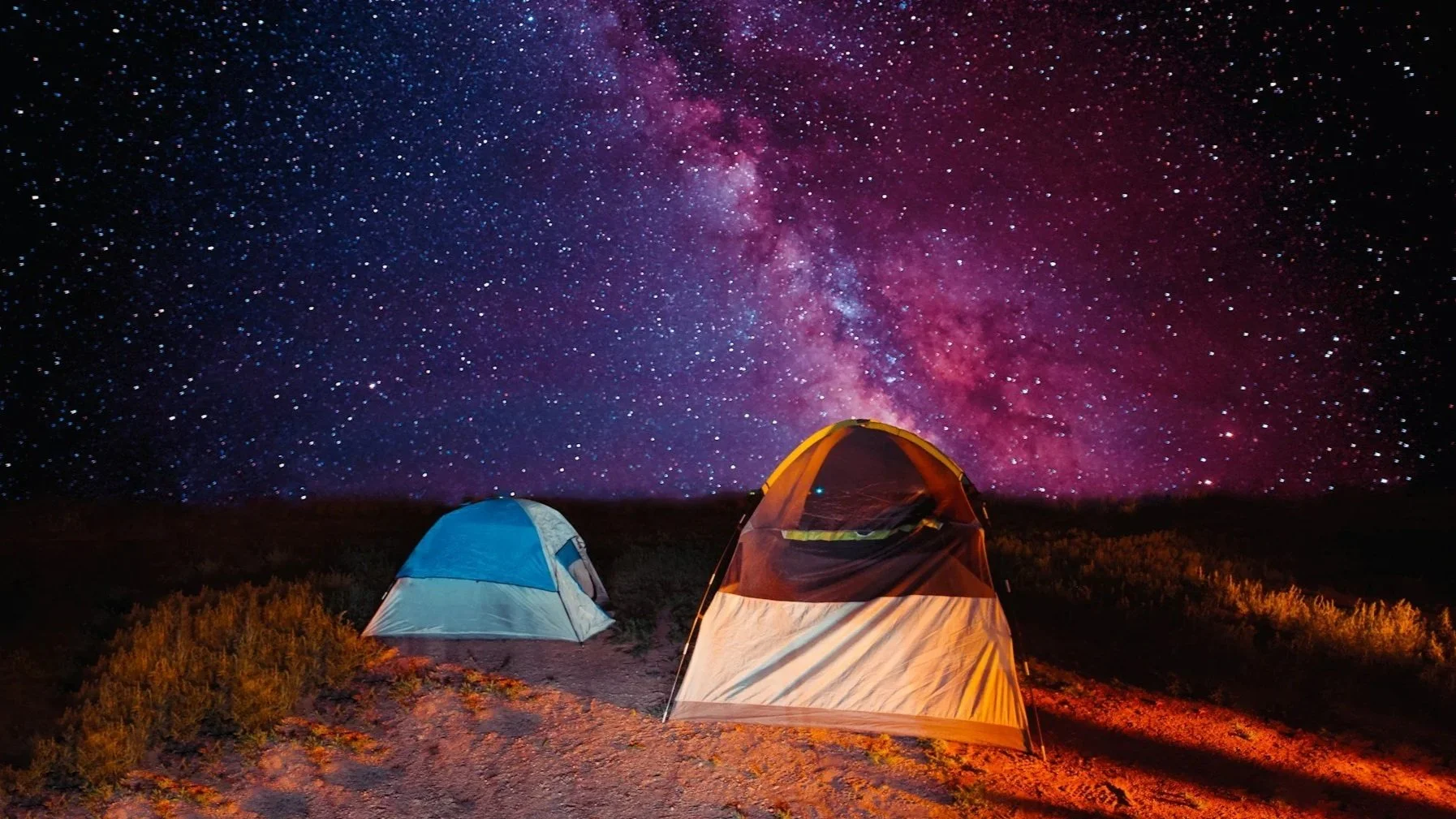
Photo by Kaushal Subedi
Imagine standing beneath a ceiling of stars so clear you can trace the Milky Way with your finger — not a city glow in sight. In 2026, astrotourism has moved from a charming add-on to the primary reason travelers plan entire trips. If you crave real darkness, unplugged nights, and guided science-forward experiences, northern Chile is the place to aim your next getaway. Planning can feel overwhelming, but this guide gives you the practical, future-focused steps to make your cosmic trip a reality.
Why astrotourism is the brightest travel trend of 2026
Astrotourism has graduated from a “nice add-on” to the main event. You're not just seeking pretty skies — you're actively choosing destinations with certified dark-sky designations, minimal light pollution, and structured night programs (telescope sessions, guided stargazing, astrophotography workshops). That sense of scarcity — real, natural darkness — makes these trips feel rare and deeply restorative.
Why northern Chile should be on your 2026 radar
🔭 High altitude + extreme aridity + low cloud cover = ideal conditions for crisp night-sky viewing and astrophotography.
🔭 The region hosts world-leading astronomy infrastructure, which adds a “science-meets-travel” credibility to your visit.
🔭 The Gabriela Mistral Dark Sky Sanctuary in Elqui Valley remains a flagship designation and is a powerful trust signal when you’re choosing where to go.
These combined factors make northern Chile one of the best places in the world to experience truly dark skies in 2026.
2026-specific updates you need to know
ELT milestone: ESO’s Extremely Large Telescope has a concrete 2026 milestone — "Dome complete 2026 (planned)" — which reinforces the region’s front-row status as next-generation astronomy comes online.
Observatory access: ALMA remains a high-profile science icon but public visit programs are constrained or suspended in general. Treat ALMA as a nearby landmark rather than a guaranteed visitor experience; instead, rely on commercial stargazing tours and public observatories in Elqui and Atacama.
Travel practicalities for U.S. visitors: U.S. travelers can stay in Chile for up to 90 days without a visa (tourist card on arrival); passports must be valid for the period of stay. This reduces friction when planning multi-night dark-sky stays.
Eclipse note: The August 12, 2026 total solar eclipse crosses Europe/Greenland/Iceland — Chile is not an eclipse hotspot for 2026. Position your Chile trip as a night-sky capital rather than an eclipse-specific opportunity.
Where to stay and what to book (experience-forward choices)
Stargazing domes and sky-facing lodges: Look for properties with retractable roofs or large sky-facing windows designed for night viewing. These accommodations are often marketed specifically around astronomy experiences.
Night-sky photography workshops: Multi-night, limited-capacity workshops with guided astrophotography instruction are increasingly popular. If astrophotography is your goal, prioritize tours that list equipment standards, small group sizes, and instructor credentials.
Guided telescope sessions and public observatories: Book commercial stargazing tours and community observatories in Elqui or Atacama for consistent access to telescopes and guided interpretation.
Wellness + cosmic perspective: Many itineraries blend meditation, reflection, and quiet-night programming to pair the emotional benefits of “unplugging” with observational science.
Practical planning checklist for 2026
✔️ Book early: Dome-style lodges and astrophotography workshops sell out; plan several months ahead for peak demand.
✔️ Check access to professional sites: If your package mentions ALMA or other major observatories, confirm whether the visit is an official public program or a nearby viewpoint — access is often limited and may appear only for special events.
✔️ Passport & entry: For U.S. travelers, plan for stays up to 90 days without a visa (tourist card on arrival) and ensure your passport is valid for your period of stay.
✔️ Expect low/no-Wi‑Fi options: If you want a true dark-sky and unplugged experience, many properties intentionally limit connectivity — confirm communications needs in advance.
✔️ Ask about group size and gear: For photography workshops, ask about maximum participants, whether tripods/telescopes are provided, and instructor experience.
Responsible and respectful dark-sky travel
✨ Follow dark-sky etiquette: Use low, red-filtered lights when necessary; avoid flash photography during guided sessions unless instructed; follow quiet hours at lodges and observatories.
✨ Respect science operations: Professional observatories operate under strict rules. Stay informed about restricted zones and approach institutional sites as nearby educational icons rather than guaranteed tour stops.
Booking tips and final practical notes
Prioritize operators that clearly state what’s included: telescope specs, instructor qualifications, transportation, and whether the property enforces quiet/night hours.
If your marketing materials highlight major observatories, include transparent language about limited access and special programming windows so you don't overpromise.
Northern Chile offers a rare combination of natural conditions and scientific presence that makes it the destination to book if you’re serious about astrotourism in 2026. With the right planning, you’ll leave feeling both small beneath the stars and profoundly refreshed.
Astrotourism in 2026 is about more than a pretty night — it's a purposeful way to unplug, learn, and see the universe from world-class dark-sky settings. Northern Chile’s mix of pristine skies, science icons, and purpose-built stargazing experiences makes it an irresistible choice for travelers who want nights that matter. If you’re ready to see the universe like never before, reach out to Go Beyond Travel for a personalized consultation to plan your Atacama or Elqui Valley stargazing experience.
#AstroTourism #DarkSky #Stargazing #Chile2026 #TravelTrends #CelestialTravel
📦 Key Takeaways
Astrotourism is a primary trip purpose in 2026—travelers now seek minimal light pollution and curated night-sky programming.
Northern Chile (Atacama + Elqui/Coquimbo) is uniquely suited for stargazing: high altitude, extreme aridity, and low cloud cover.
The Gabriela Mistral Dark Sky Sanctuary (Elqui Valley) remains a standout dark-sky credential and a strong trust signal for 2026 travelers.
ESO’s ELT reaches a major milestone in 2026 with the planned dome completion—northern Chile is literally building the future of astronomy.
ALMA remains a celebrated science icon but public access is limited; position it as a nearby landmark and prioritize commercial observatories and tours.
Book early for limited-capacity astrophotography workshops and stargazing dome lodgings; expect ‘digital disconnect’ lodging options with low/no Wi‑Fi.
