
Poets and Pioneers: Uncovering the Cultural Heart of Chile
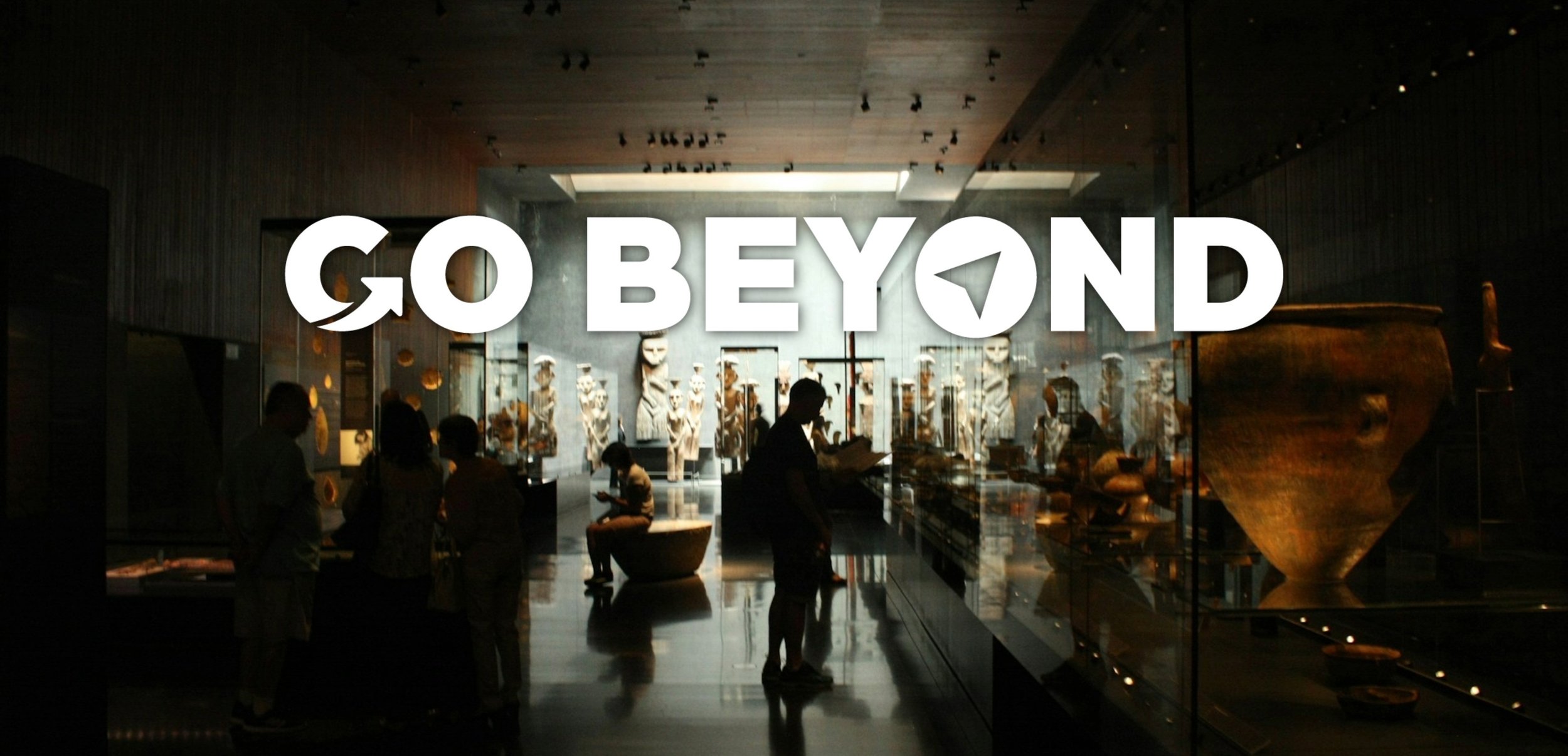
Original photo by Camila Credidio
Chile’s soul lives in its stories — from Mapuche ceremonies around the winter solstice to the thrum of cueca at Fiestas Patrias, from Neruda’s poetic corners to the wooden churches of Chiloé and the sobering galleries of Santiago’s Museum of Memory. If you want cultural travel that goes beyond postcards, 2026 is rich with moments to connect with living traditions and layered histories. Planning can feel overwhelming; this guide gives clear, practical steps so your trip honors communities, times your visits right, and makes the most of Chile’s 2026 cultural calendar.
Why 2026 is a Great Year for Cultural Travel in Chile
Chile’s cultural-travel demand continues to favor “living heritage” — authentic, community-led experiences where you learn directly from practitioners and custodians of tradition. In 2026 you can time your trip around signature cultural moments while respecting local rhythms and conservation needs.
Mapuche Heritage & We Tripantu (June 24, 2026)

What to expect
We Tripantu — the Mapuche new year — is tied to the southern winter solstice and is widely observed around June 24. Ceremonies often include music, ritual, and communal gatherings.
Best places to plan: Temuco and surrounding Araucanía rural communities; some events also take place in Santiago.
⭐ Practical tips
Prioritize community-led programs: look for hosts and guides from Mapuche communities who offer interpretation and storytelling.
Book local guides in advance for June 2026, and expect smaller crowds earlier or later in the shoulder season if you want quieter experiences.
Dress warmly and be prepared for seasonal weather in southern Chile.
Huaso Tradition & Cueca — Fiestas Patrias (Sept 18–19, 2026)

What to expect
Fiestas Patrias is Chile’s biggest national celebration; cueca (the national dance), huaso imagery, fondas/ramadas (traditional fairgrounds), and regional foods are front and center during Sept 18–19, 2026.
⭐ Practical tips
Expect heavy domestic travel and surge pricing for accommodation and transport around these dates — book months in advance if you plan to be in major cities or popular destinations.
If you want to participate, seek small, family-run fondas or local festivals for more authentic, less touristy experiences.
Learn a few cueca basics (handkerchief/pañuelo movements) ahead of time — hosts appreciate respectful participation.
Chiloé’s UNESCO Wooden Churches — Architecture & Conservation
Why it matters
UNESCO recognizes 16 churches across Chiloé as outstanding examples of wooden ecclesiastical architecture that blends European and Indigenous building traditions.
⭐ Planning notes
Conservation and restoration are ongoing; some churches operate on rotating opening schedules or may have limited access depending on parish arrangements.
Build flexibility into your route: allow alternate church stops or extra travel days in case access changes.
Combine church visits with local storytelling about Chilote myths, craft traditions, and boat transfers where relevant.
Museum of Memory & Human Rights (Santiago) — Reflective, Educational Visits

Visitor guidance (2026 baseline)
The museum focuses on human-rights violations during 1973–1990 and is an essential stop for contextual, reflective cultural travel.
English-language visitor info indicates operations Tuesday–Sunday, with some services referenced at 10:00–20:00. Hours and special programs can change; verify before you go.
⭐ Practical tips
Prepare emotionally: the museum is powerful and can be intense; allow time to process and discuss what you see.
Many services are free or low-cost, but always check current entry rules and whether guided tours (especially in English) require reservations.
🗓️ Practical Planning Tips for a Smooth Cultural Trip in 2026
Book early for Fiestas Patrias (Sept 18–19) — domestic demand spikes and prices can rise.
Confirm church access in Chiloé close to your travel dates and have contingency plans for closures or limited hours.
Respect local protocols: ask before photographing ceremonies, follow guidance from community hosts, and consider modest contributions or purchases to support local initiatives.
For entry and visa questions, consult official sources (Chile’s tourism "Entry and visa requirements" page and the nearest embassy) for the latest rules and documentation requirements.
Allow downtime in your itinerary after intense site visits (e.g., Museum of Memory) and after community ceremonies — cultural travel is as much about absorption as sightseeing.
Suggested 10–14 Day Cultural Route (High-level)
Days 1–3: Santiago — city highlights, Museum of Memory, neighborhood walking tours.
Days 4–6: Temuco/Araucanía — time with Mapuche communities; plan around We Tripantu if traveling in late June.
Days 7–10: Journey south to Chiloé — island culture, churches, local boat trips, craft markets.
Days 11–14: Return via Valparaíso or coastal route for literary and urban heritage (Neruda-related sites in Santiago/Valparaíso can be slotted here).
(If you share target cities or travel dates, we can produce a detailed 2026 itinerary with timing, time-on-site guidance, and transport options.)
Experience the stories behind the scenery. Chile in 2026 offers profound cultural moments — from We Tripantu in Araucanía to the fiesta energy of Sept 18–19 and the quiet power of Chiloé’s churches and Santiago’s Museum of Memory. If planning feels overwhelming, we’re here to help you design an itinerary that honors communities, times visits for the right seasons, and balances deep cultural engagement with practical logistics. Contact Go Beyond Travel for a personalized consultation and let our experts include a private cultural tour tailored to your interests.
#ChileanHistory #MapucheCulture #PabloNeruda #CulturalTravel #AotearoaToAndes
📦 Key Takeaways
We Tripantu (Mapuche New Year) centers on the winter solstice — plan for June 24, 2026, especially in Temuco and Araucanía.
Fiestas Patrias (cueca, huaso culture) peaks Sept 18–19, 2026 — expect high domestic travel and busy accommodations.
Chiloé’s 16 UNESCO wooden churches are essential but may have rotating access due to conservation — build flexibility into your itinerary.
Santiago’s Museum of Memory & Human Rights is a vital, reflective stop (typically Tue–Sun; many services reference 10:00–20:00) — prepare for an emotionally powerful visit.
Entry/visa rules change — always verify with official Chilean tourism and embassy sources before travel.
Seek community-led, living-heritage experiences and leave space in your schedule for local ceremonies and conservation constraints.
