
Echoes of the Past: Walking Through Senegal’s Moving History
Photo by Ana Kenk
Step off the ferry and into a place where memory and modern creativity meet. In 2026, Gorée Island remains Senegal’s most powerful day-trip from Dakar — a UNESCO-recognized sanctuary of remembrance — while Dakar’s vibrant neighborhoods and nearby festivals show a country very much alive in the present. This guide helps you honor the past, experience contemporary Senegalese culture, and plan a thoughtful, practical trip without the overwhelm.
Why Gorée Island still matters in 2026
Gorée Island is more than a stop on a sightseeing list — it’s a UNESCO World Heritage Site (inscribed 1978) framed as “a place of memory… and a sanctuary for reconciliation.” The Maison des Esclaves (House of Slaves) and the Door of No Return function primarily as a memorial and pilgrimage site; many visitors describe a deeply emotional experience. There is ongoing historical debate about the building’s precise role in the trade, so approach the visit with respect for the site’s meaning and awareness of historical complexity.
Getting there and practical ferry tips (Dakar → Gorée)
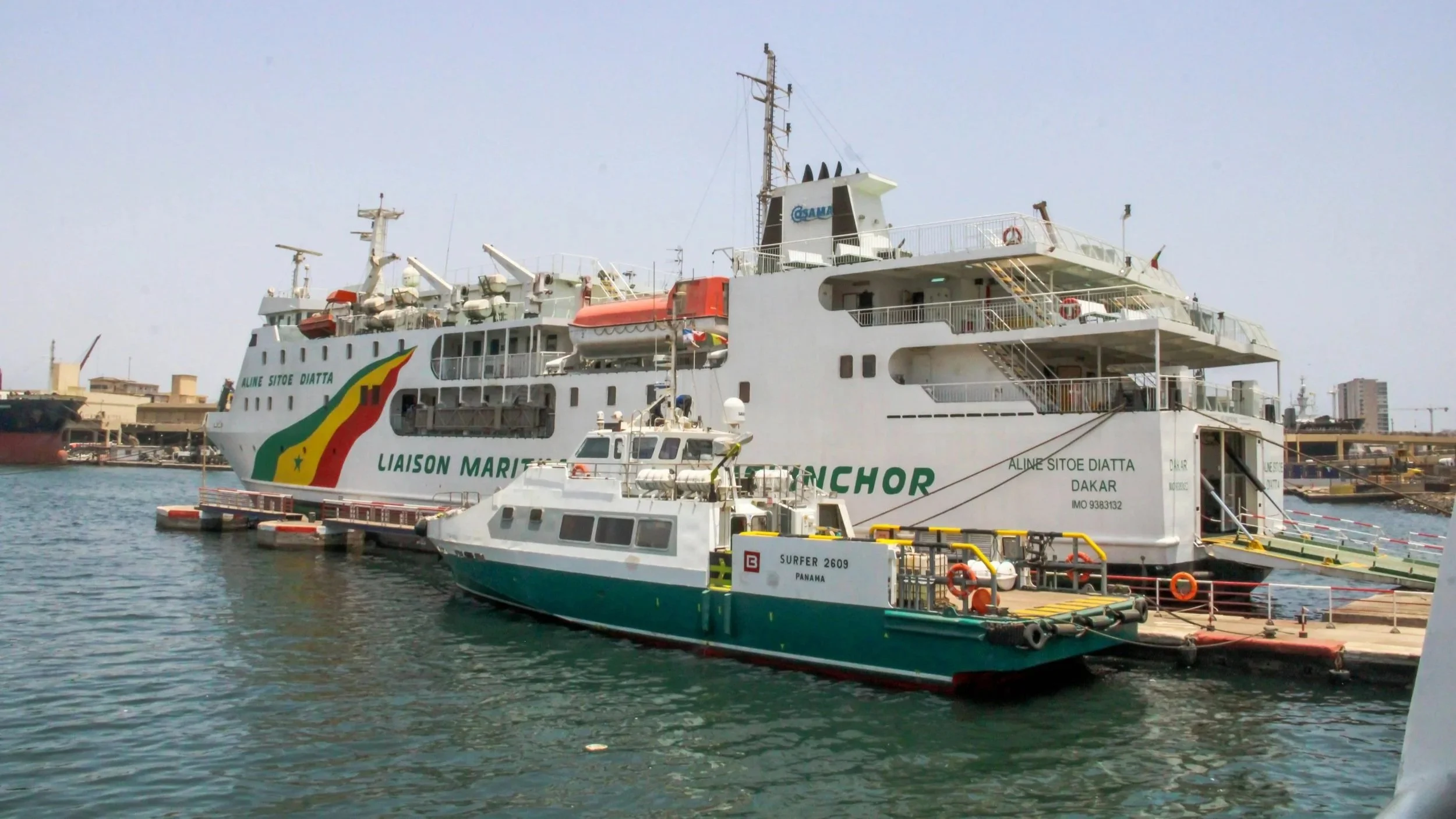
Photo by Sweder Breet
Ferry departs from Dakar’s port (Gare Maritime). In 2026, passport presentation is typically required to enter the port, buy tickets, and board—have yours ready.
Crossing time: roughly 20–30 minutes.
Schedules: expect midday “lulls” and possible crowding; a 2026 report notes service may sometimes run with only one ferry. Always double-check schedules the morning you travel and allow extra time for return crossings.
Timing tip: aim for an early crossing to avoid midday crowds and to give yourself time for reflection and for exploring the island’s quiet corners.
In Dakar: the city of contrasts and contemporary creativity
Dakar pairs memory sites with bold, modern landmarks:
African Renaissance Monument (Les Mamelles): promoted as the tallest statue in Africa, it offers a museum and panoramic viewpoints. Interior visits are often ticketed, while the grounds can be accessible depending on operations—check on-site hours.
Textiles & tailoring culture: Marché Sandaga remains a major shopping node for fabrics and fashion, though vendor spillover into surrounding streets is common. For a concentrated textile experience, consider Marché HLM (the so-called “fabric town”) as a practical alternative if Sandaga feels crowded or if you prefer a more focused shopping route.
Situational awareness: busy markets are lively but can present petty-theft/pickpocketing risks. Keep valuables secure and stay alert in crowded areas.
2026 cultural moments you can (and should) plan around
🎶 Saint-Louis Jazz Festival — 13–17 May 2026: a major contemporary music event that highlights Senegal’s creative pulse. If you’re seeking modern cultural energy beyond Dakar and Gorée, this festival is a compelling reason to expand your itinerary.
🎉 Grand Magal of Touba — 2 August 2026: a significant mass gathering. Expect traffic, closures, and limited accommodation availability around this date if your plans take you beyond Dakar.
Safety, legal context, and mindful travel notes for 2026
⚠️ The U.S. State Department rates Senegal at Level 1 (exercise normal precautions). That said, the Casamance region has distinct advisories—avoid night travel and off-road excursions there due to crime and reported landmines.
⚠️ A March 31, 2026 law (reported in Canadian government travel advice) increased penalties related to homosexuality and alleged “promotion/funding,” with possible scrutiny of online presence. If you identify as LGBTQ+ or travel with LGBTQ+ companions, take extra care to understand local laws and to plan for safety and privacy. We recommend checking up-to-date official travel advisories from your government before departure.
Seasonality & timing your visit
☁️ Best season for city and coastal touring: dry season (approximately November–May). Expect easier travel conditions and lower chances of flooding.
🌧️ Rainy season (June–October): brings higher heat/humidity and potential flooding disruptions—plan accordingly if you travel then.
Practical packing & planning checklist
Passport (required at the port) and photocopies; keep digital backups.
Comfortable shoes for cobbled streets on Gorée and for walking Dakar neighborhoods.
Water, sun protection, and a lightweight rain layer if traveling outside the dry season.
Cash and small bills for market purchases; keep them secure.
A respectful mindset and quiet moments reserved for memorial sites; consider a certified historical guide for deeper context.
Responsible, empathetic travel tips
Honor Gorée as a memorial: move deliberately, listen to local guides, and allow time to process emotions.
Support local businesses: buy textiles and crafts from established vendors and tailors—ask about provenance and pricing respectfully.
Book crucial elements early in 2026: with increased visitor interest expected, secure ferries, hotels, and festival tickets well ahead—especially around mid-May (Saint-Louis Jazz) and early August (Grand Magal).
Sample day-trip itinerary (Dakar base)
Morning: Early ferry to Gorée (arrive at opening to beat crowds). Visit Maison des Esclaves, walk the island, pause at viewpoints.
Midday: Return to Dakar; lunch in Plateau or a seaside restaurant.
Afternoon: Visit African Renaissance Monument (check ticketing for interior/museum access), then stroll a textile market—Marché HLM for focused fabric shopping or Sandaga for a broader market experience.
Evening: Attend a live-music venue or plan travel to Saint-Louis if timing matches the Jazz Festival (13–17 May 2026).
Throughout 2026, keep checking local operations (ferry schedules, monument hours, and festival programming) and official advisories. If anything feels uncertain, build a little extra time into your plans—Senegal rewards slow, attentive travel.
Senegal in 2026 asks you to balance remembrance with celebration: Gorée for quiet reflection and Dakar (and nearby Saint-Louis) for contemporary creativity. Travel planning can feel overwhelming—especially around festival dates, ferry schedules, and legal advisories—but you don't have to do it alone. Contact Go Beyond Travel for a personalized consultation to craft a respectful, enriching itinerary (including certified historical guides for Gorée if you wish). Let our experts help you travel thoughtfully and confidently.
#AfricanHistory #GoreeIsland #AfricanRenaissance #LivingHistory #UNESCO #CulturalTravel
📦 Key Takeaways
Gorée Island (UNESCO World Heritage Site, inscribed 1978) is best approached as a reflective memorial visit.
Ferry logistics matter in 2026: passport access, 20–30 minute crossing, midday schedule lulls, and occasional single-ferry operations—double-check times.
Pair a Gorée visit with Dakar’s creative sites: African Renaissance Monument, textile markets (Marché Sandaga or Marché HLM), and contemporary festivals.
Plan around key 2026 dates: Saint-Louis Jazz Festival (13–17 May 2026) and the Grand Magal of Touba (2 August 2026) which affects availability and transit.
Safety: Senegal is generally Level 1 (exercise normal precautions); avoid night travel in Casamance and be vigilant in crowded markets.
Book ahead for peak weeks in 2026—visitor demand is expected to rise, and festival or holiday crowds can squeeze availability and raise prices.
