
The Avian Highway: Why "Citizen-Science" Safaris are Booming in Senegal
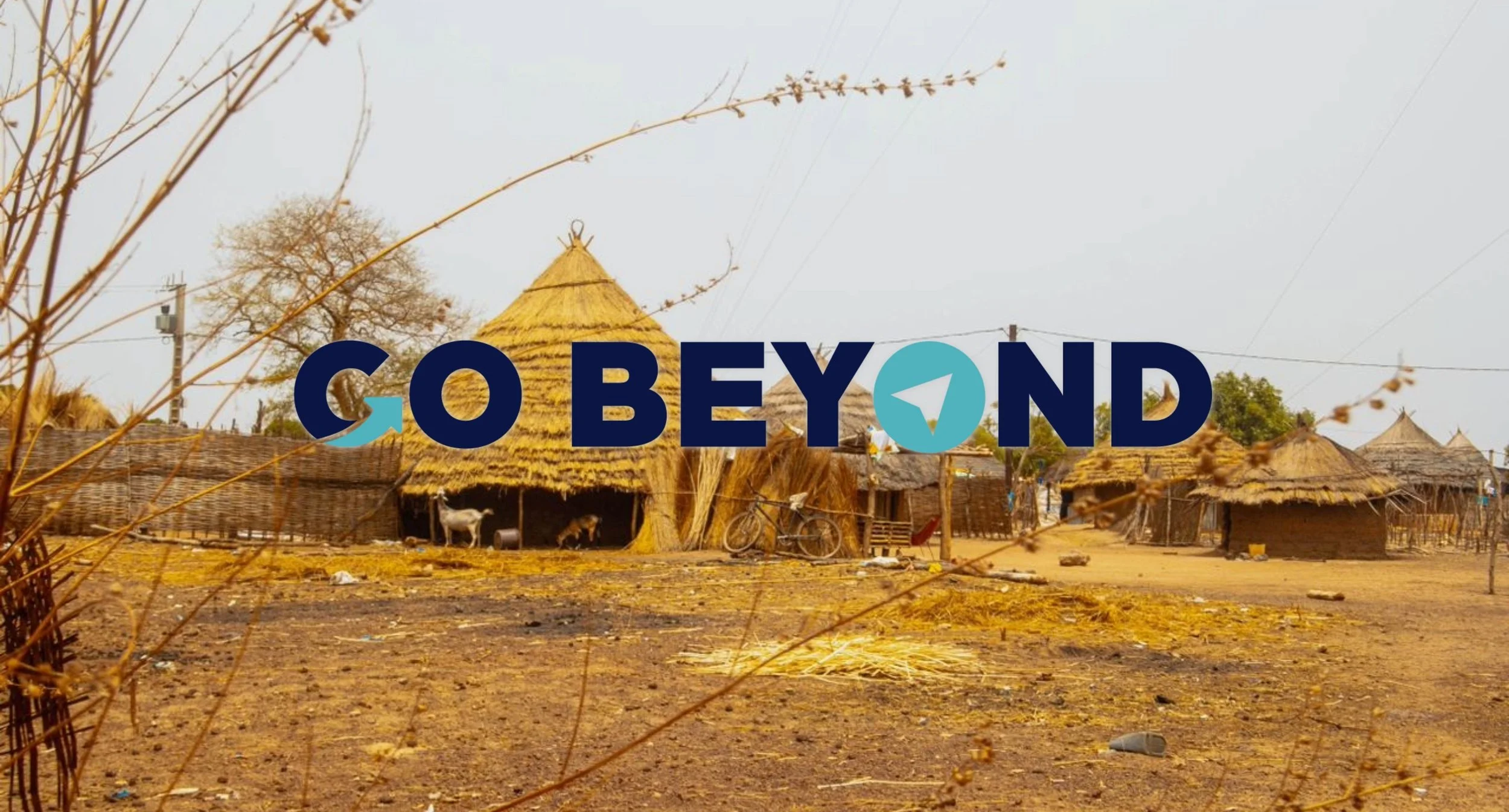
Original photo by Pros Pierre
Imagine standing in a river delta as millions of birds funnel past — and knowing your trip is helping protect the route they travel. If you want big sightings without a big footprint, 2026 is shaping up to be the year for conservation‑first birdwatching in Senegal, with Djoudj National Bird Sanctuary at the heart of an expanding citizen‑science travel movement.
Why Djoudj belongs on your 2026 birding radar
Djoudj National Bird Sanctuary is not just a great place to see birds — it's a globally significant wetland recognized by UNESCO. The sanctuary covers roughly 16,000 hectares and supports about 1.5 million birds in season, while UNEP‑WCMC data indicate that from September through April roughly three million migratory birds pass through Djoudj. For you, that means staggering flocks, rare migrants, and an ecosystem that matters on a continental scale.
The rise of ‘citizen‑science’ safaris
Birdwatching is evolving. Travelers increasingly seek experiences that combine excellent wildlife viewing with measurable conservation outcomes. The Centre for the Promotion of Imports from developing countries (CBI) highlights birdwatching as a growing segment tied to mindful travel and nature conservation. In practice, that looks like:

Small, low‑impact groups led by trained local guides and rangers
Participation in monitoring through platforms like eBird and locally administered checklists
Stays at verified eco‑lodges that return income to communities and fund habitat protection
When you submit checklists, photos, or counts to platforms like eBird during your Djoudj visit, you become part of long‑term data that shapes conservation decisions — a true citizen‑science contribution built into your safari.
Timing your trip: when to go in 2026
The strongest migration signals in Djoudj usually begin in December and remain intense through mid‑February. If your goal is maximum diversity and spectacle, plan for that window in the 2026 season and use eBird checklists to fine‑tune exact dates based on recent movements. Keep in mind the UNESCO site management plan (Plan d’aménagement et de gestion 2022–2026) is active through 2026, meaning ranger‑led monitoring and visitor management practices are part of the current season.
Responsible logistics and on‑site behavior
To make your visit conservation‑positive and culturally respectful:

Travel in small groups and book operators who prioritize habitat protection and community benefits.
Choose eco‑lodges or verified sustainable accommodations near Saint‑Louis/Djoudj where possible, and confirm their conservation commitments before booking.
Opt for guided pirogue (traditional wooden canoe) excursions where locally managed — they minimize shore disturbance and support local boatmen.
Record sightings on eBird and share photos with local conservation partners; this data helps the sanctuary and international researchers.
Safety, legal, and calendar considerations for 2026
Planning for a worry‑free trip includes awareness of national developments that affect travelers:
Canada's travel advisory (2026) notes a legal update enacted March 31, 2026, that increases penalties around homosexuality and related accusations. If you identify as LGBTQ+ or travel with LGBTQ+ companions, discuss risk and discretion with your tour operator and consider tailored briefings.
The Grand Magal of Touba is expected on August 2, 2026. Although this pilgrimage is outside the Djoudj migration peak, it creates major accommodation and transport pressure across Senegal—avoid booking tight national connections around that date and expect higher prices and delays.
Where to base yourself and how to reduce impact
Saint‑Louis is the common gateway for Djoudj; staying at locally run lodges supports the nearby communities that interface directly with the sanctuary. Ask your operator how your stay benefits local conservation and whether parts of your fee support ranger patrols, habitat restoration, or community projects.
What you’ll actually see (and how you help)
From huge wader aggregations to shorebird flyways and raptors on migration, Djoudj delivers dramatic counts. By choosing a conservation‑first itinerary and contributing data through citizen‑science platforms, you help inform management actions under the sanctuary’s 2022–2026 plan and beyond. That is travel with measurable impact.
Booking tips for 2026
Book early, especially if you want peak‑season dates in December–February.
Confirm that guides and lodges follow the sanctuary’s visitor guidance and have relationships with park authorities.
Ask whether your itinerary includes structured opportunities to record and hand off data to local conservation teams.
Visiting Djoudj in 2026 can be both awe‑inspiring and responsible — an experience where your presence contributes to the long‑term survival of migratory routes.
If you want a trip that pairs jaw‑dropping migration spectacles with measurable conservation impact, Djoudj in 2026 should be at the top of your list. We know planning can feel overwhelming — from timing migration windows to navigating local advisories and confirming true sustainability commitments. Let Go Beyond Travel design a conservation‑first, citizen‑science safari tailored to your priorities: small group size, authentic local partnerships, and opportunities to contribute data that matters. Contact Go Beyond Travel for a personalized consultation and secure your place at a verified sustainable eco‑lodge.
#EcoTourism #Birdwatching #DjoudjNationalPark #SustainableLuxury #CitizenScience #TravelTrends
📦 Key Takeaways
Djoudj is a UNESCO World Heritage wetland (≈16,000 hectares) and a global stopover: UNEP‑WCMC estimates ~3 million migratory birds pass through from September–April.
Peak migration activity in Djoudj typically ramps up in December and remains huge through mid‑February — use eBird to track real‑time sightings for 2026 trip timing.
2026 is covered by the site’s active management plan (Plan d’aménagement et de gestion 2022–2026), which supports ranger monitoring and conservation‑aligned visitor programs.
Conservation‑first birding (small groups, local guides, habitat protection) is a fast‑growing niche—great for travelers who want low‑impact trips that benefit communities and nature.
Practical safety and planning notes for 2026: be aware of a March 31, 2026 legal update in Senegal (see official travel advisories) and the Grand Magal of Touba on August 2, 2026, which affects transport and accommodation nationwide.
