
Empire of the Sun: Uncovering the Deep Roots of Incan Heritage
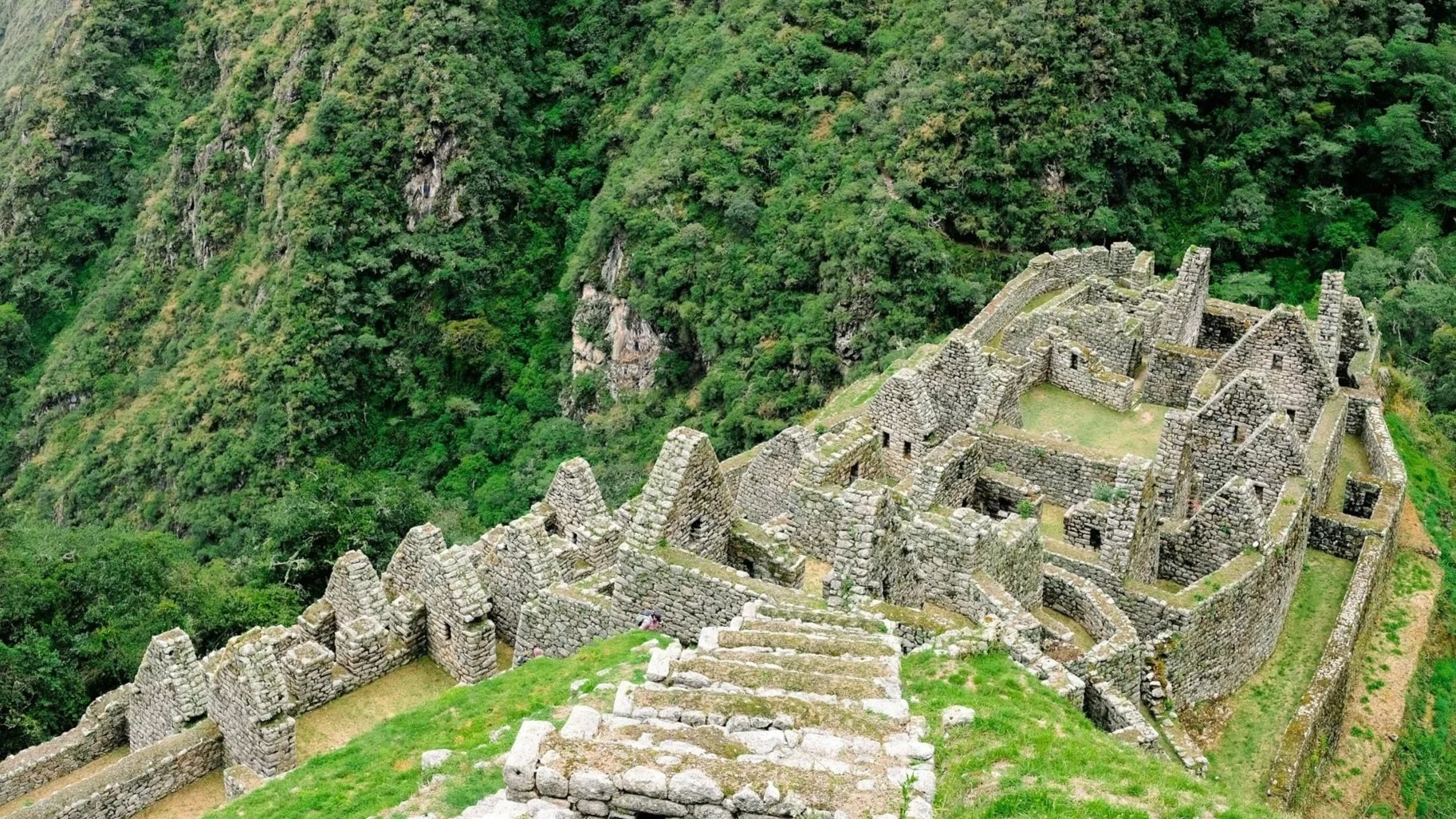
Photo by Falco Negenman
Imagine standing at the edge of the Urubamba Valley as the first light of dawn hits the jagged peaks of the Andes. The air is crisp, scented with mountain herbs and the weight of centuries. Below you, the ruins of an empire whisper secrets of a civilization that mastered the stars and the stone. If you’ve been dreaming of Peru, 2026 is the year to finally make it happen. With a global shift toward regenerative travel and a renewed focus on community-led experiences, your journey to the heart of the Andes will be more than a vacation—it will be a profound connection to a living history. Planning a trip to this sacred landscape can feel overwhelming, but we’ve gathered everything you need to navigate the 2026 season with ease.
Navigating the 2026 Travel Landscape
Traveling to Peru in 2026 is more accessible than ever, yet it requires a savvy approach to logistics. For citizens of the US, UK, EU, and Canada, you won't need a visa for tourism, and stays are typically granted for up to 183 days. However, ensure your passport is valid for at least six months beyond your arrival date.
While the much-anticipated Chinchero International Airport (AIGC) is nearing completion, it will not be fully operational for international arrivals during the peak 2026 season. You should continue to book your flights into Cusco (CUZ). Expect to see construction activity in the Chinchero district, but don't let that deter you—the region remains as magical as ever. Pro tip: Roundtrip airfare from North America is projected between $400–$800, with the best value found during the shoulder seasons of April–May and September–October.
The Architectural Genius of the Incas
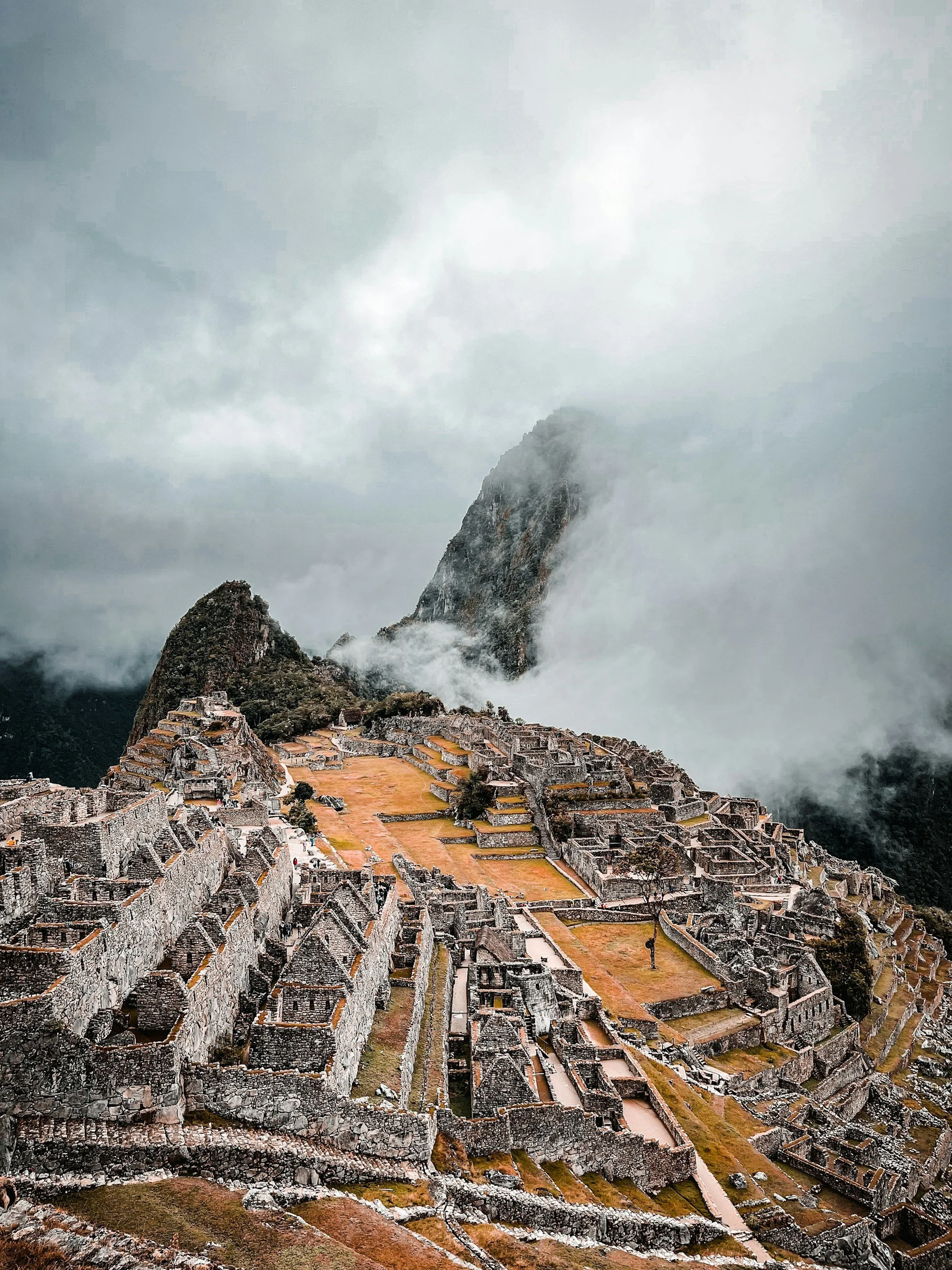
Photo by BLITZMENT
As you explore the Sacred Valley, you’ll encounter the marvel of Inca Ashlar Masonry. This "dry stone" technique is most evident at the Coricancha in Cusco and throughout Machu Picchu. The stones are carved and fitted so precisely that even a knife blade cannot pass between them. This wasn't just for aesthetics; it was an engineering feat designed to withstand the region's seismic activity.
When visiting Machu Picchu, keep in mind that the 2026 regulations are strict. You are granted a 1-hour entry window, and you must arrive 30–45 minutes before your slot. If you're late, you forfeit your ticket. Adult tickets are approximately $50, and if you're looking for that iconic bird's-eye view, the Huayna Picchu hike is an additional $12—but these sell out months in advance!
Living Traditions: Ayni and Pachamama

In 2026, travel is moving beyond sightseeing and into the realm of "Regenerative Travel." This means leaving a place better than you found it. In the Sacred Valley, this is embodied by the philosophy of Ayni (reciprocity). It is the social backbone of the Quechua people, a belief that giving and receiving are in constant balance.
If you visit between August 1–12, 2026, you can witness the height of Pachamama (Mother Earth) month. These are not performances for tourists; they are active spiritual practices. You may see locals offering coca leaves, grains, and chicha (corn beer) to the earth in Pago a la Tierra ceremonies to ensure a bountiful harvest.
Textile Immersions and Local Artistry
For those who appreciate the tactile beauty of Andean culture, 2026 offers unparalleled access to traditional crafts. The Center for Traditional Textiles of Cusco (CTTC) and the community of Chinchero remain the gold standard for authentic weaving. You can watch master weavers use cochineal (insects) to create brilliant reds and indigo (plants) for deep blues.
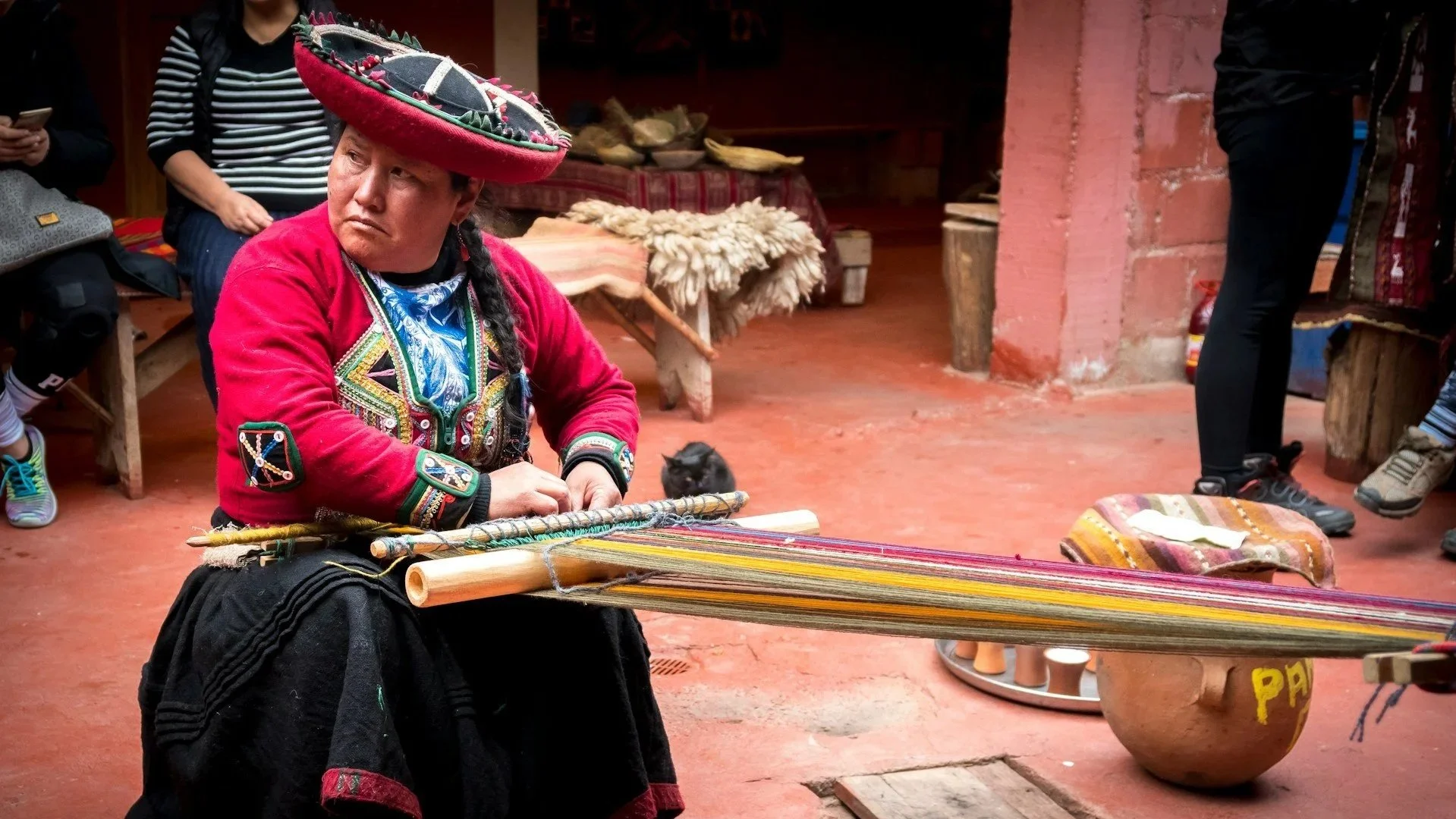
Photo by Willian Justen de Vasconcellos
Specialized workshops have already set their 2026 calendars:
Thread Caravan: June 23-29, 2026
Ace Camps: July 19-26, 2026
Where to Stay: Modern Luxury Meets Ancient Roots
Starting January 1, 2026, the luxury landscape in Cusco gets a major upgrade with the opening of Hotel Cusco La Paccha by Meliá. Located on the iconic Avenida El Sol, this 167-room hotel is designed with Andean philosophy at its core, offering a sophisticated sanctuary after a day of high-altitude exploration.
Key Dates for Your 2026 Calendar
📅 Inti Raymi (Festival of the Sun): June 24, 2026. This is Cusco’s most significant cultural event. Tickets are essential and should be secured at least 6 months out.
📅 Best Weather Window: May to September is the dry season, offering the clearest skies for photography and trekking.
The Empire of the Sun is calling, and 2026 is the perfect time to answer. Whether you are marvelling at the precision of ancient masonry, participating in a sacred Pachamama ritual, or learning the intricate art of backstrap weaving, Peru offers a depth of experience that stays with you long after you return home. Don't let the complexities of permits and logistics hold you back from this life-changing journey.
Want to go deeper into the history of the Incas? Contact Go Beyond Travel today for a personalized consultation with our local experts!
#IncanHistory #SacredValley #QuechuaCulture #HeritageTravel #PeruTraditions
📦 Key Takeaways
Machu Picchu entry remains strictly regulated with a 1-hour entry window—precision planning is non-negotiable.
2026 is the year of 'Regenerative Travel,' with 38% of travelers opting for community-based stays in the Sacred Valley.
The new Hotel Cusco La Paccha by Meliá opens January 1, 2026, offering a fresh luxury base in the historic capital.
Major cultural events like Inti Raymi (June 24) and Pachamama month (August) require booking 4–6 months in advance.
