
Mexico’s 2026 Bucket List: 5 Must-Visit Destinations
Original photo by Andrés Sanz
Imagine standing in the historic Estadio Azteca as the whistle blows for the 2026 FIFA World Cup, or gliding through the lush Mayan jungle on a high-speed train toward ancient wonders. Mexico is stepping into a transformative era in 2026, blending its deep-rooted heritage with world-class infrastructure and global sporting prestige. Whether you are a die-hard football fan or a traveler seeking the therapeutic silence of the desert, planning a trip for 2026 requires a new playbook. We know that navigating price surges and new digital entry requirements can feel overwhelming, but don't worry—we’ve mapped out the essential spots and insider tips you need to navigate Mexico’s most exciting year yet.
1. Mexico City: The Global Epicenter
In 2026, all eyes will be on the capital. On June 11, 2026, Estadio Azteca will make history as the first stadium to host three World Cup opening matches. The energy in the city will be electric, but you’ll want a refined retreat to escape the crowds.
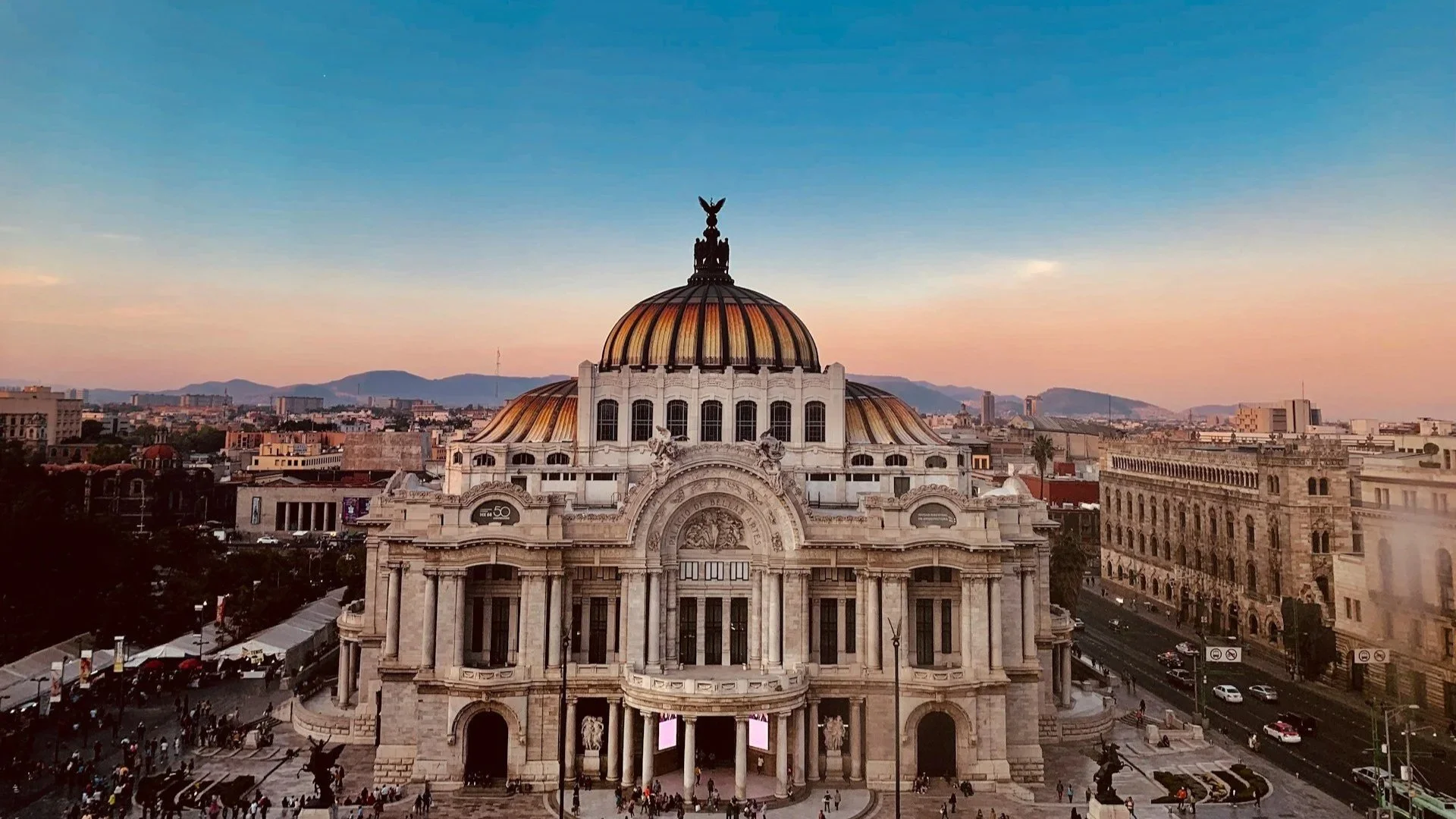
Photo by Carlos Aguilar
For your stay, look to the upscale Polanco neighborhood. 2026 marks the debut of ultra-luxury properties like the Pendry Mexico City and Kimpton El Castelar. These openings provide the perfect sophisticated home base while you navigate the fan zones and world-renowned culinary scene. Be sure to book your table at Pujol or Quintonil months in advance, as the 'World Cup Ripple Effect' will make reservations more competitive than ever.
2. Puerto Vallarta: The World Cup’s Luxury Basecamp
While Guadalajara is a host city, savvy travelers are looking to Puerto Vallarta as the 'Official Beach' of the 2026 World Cup. Located just a short 45-minute flight or a scenic drive from the matches, PV offers a coastal sanctuary for fans.
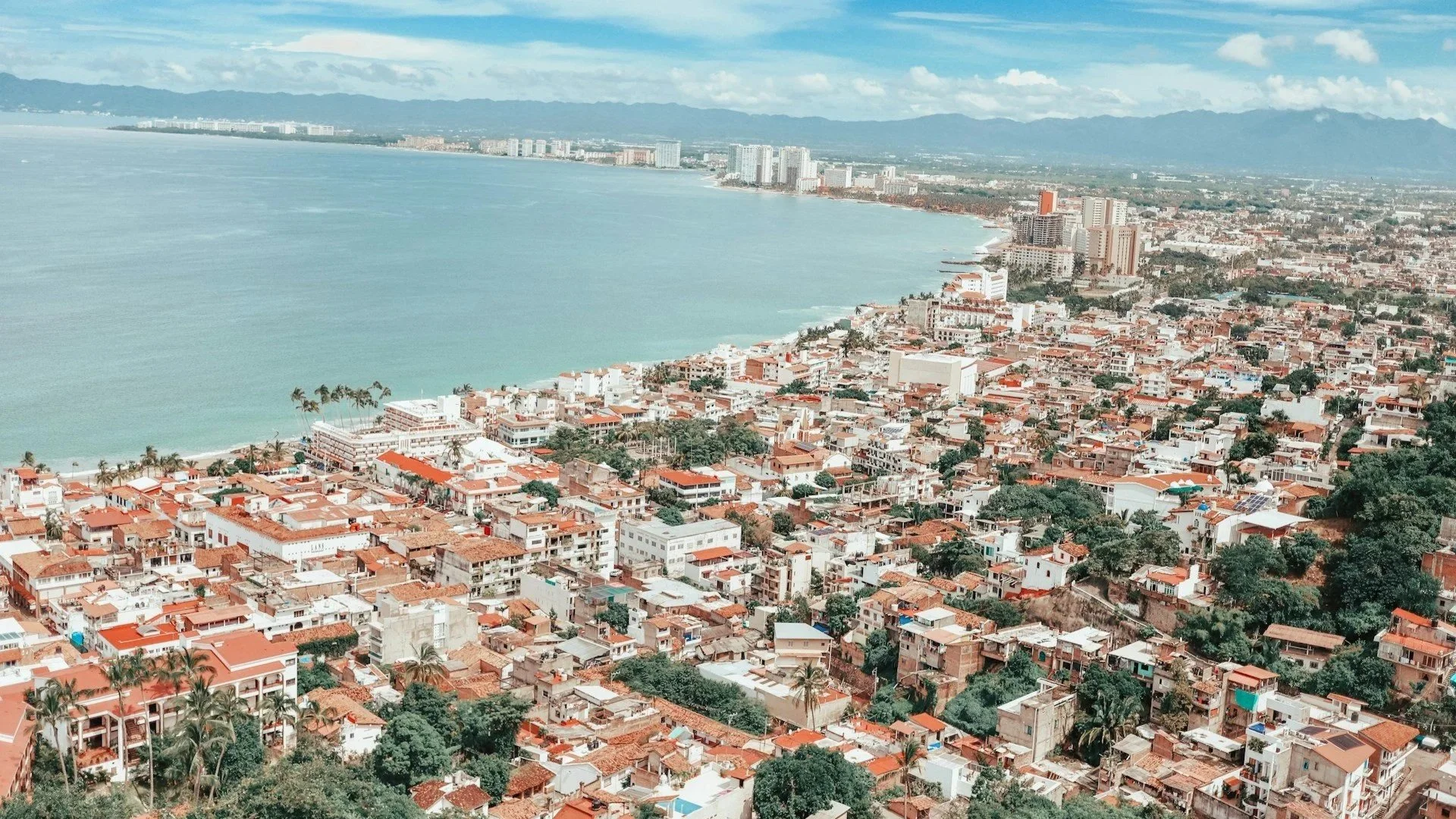
Photo by Taylor Beach
Getting there will be easier than ever thanks to the fully operational Terminal 2 at Puerto Vallarta International Airport, which significantly boosts international capacity. You can spend your mornings whale watching or lounging at a beach club and your evenings cheering on your favorite team. It’s the ultimate 'surf and turf' strategy for the 2026 season.
3. Mérida: The Mayan Renaissance
If safety and culture are your priorities, Mérida is your destination. Ranked as the safest city in Latin America for 2026, it serves as the heart of the 'Mayan Renaissance.'
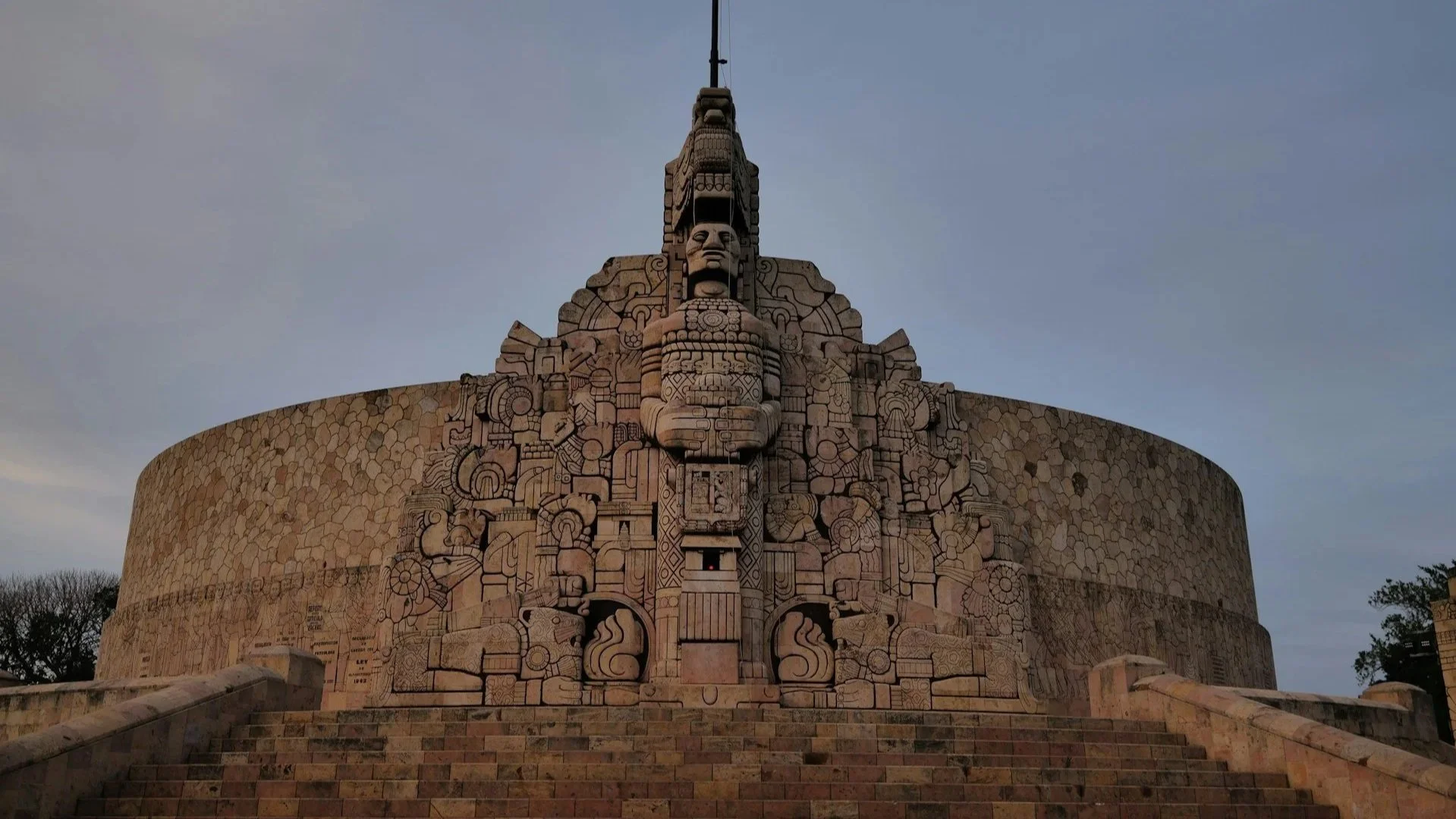
Photo by Johnyvino
This is the year to experience the Tren Maya at its peak efficiency. From the Teya Mérida station, you can now easily connect to the new Tulum International Airport (TQO) or the archaeological wonders of Chichén Itzá and Palenque. For a deeper connection, we recommend the new indigenous-led tours of the Puuc Route, which focus on community-led heritage and sustainable travel directly from the city center.
4. San Miguel de Allende: Colonial Luxury
San Miguel de Allende continues to cement its status as a high-net-worth haven. The big news for 2026 is the opening of the Waldorf Astoria San Miguel de Allende, featuring 120 rooms and exclusive luxury residences.
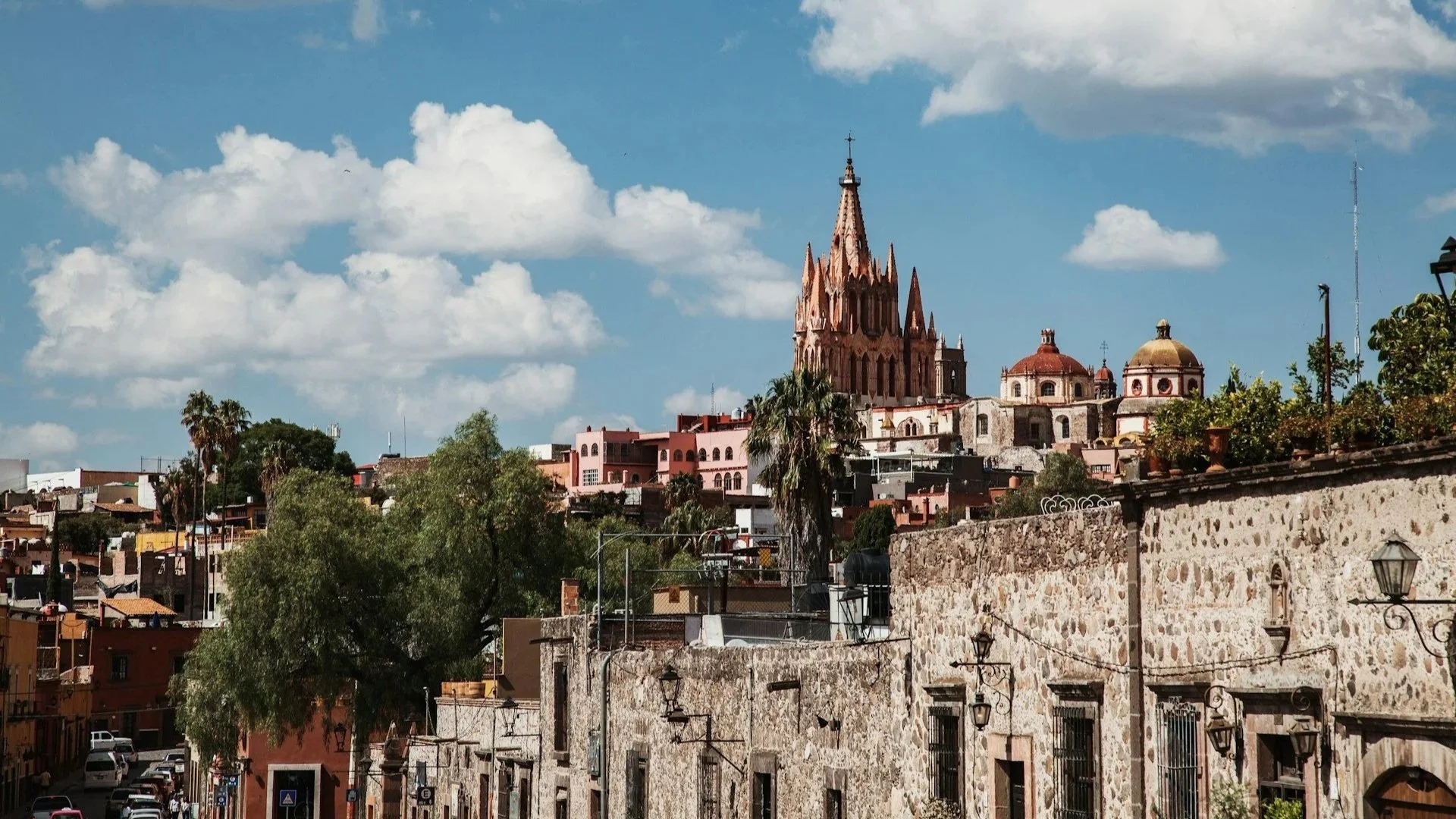
Photo by Jillian Kim
If you prefer to avoid the mid-summer sports rush, plan your visit for February 2026. The Feria de la Candelaria (Flower Fair) has evolved into a massive international botanical festival, transforming the colonial streets into a vibrant, floral masterpiece. It’s the perfect time to enjoy the city’s artistic soul before the summer crowds arrive.
5. Baja California: The Wild Desert and Dark Skies
Baja is moving away from the party-centric reputation of Cabo San Lucas and toward 'Blue Space' and 'Dark Sky' tourism. On the East Cape, the highly anticipated Amanvari (Aman Resorts) is slated to open in Spring 2026, offering secluded luxury nestled between the desert and the Sea of Cortez.
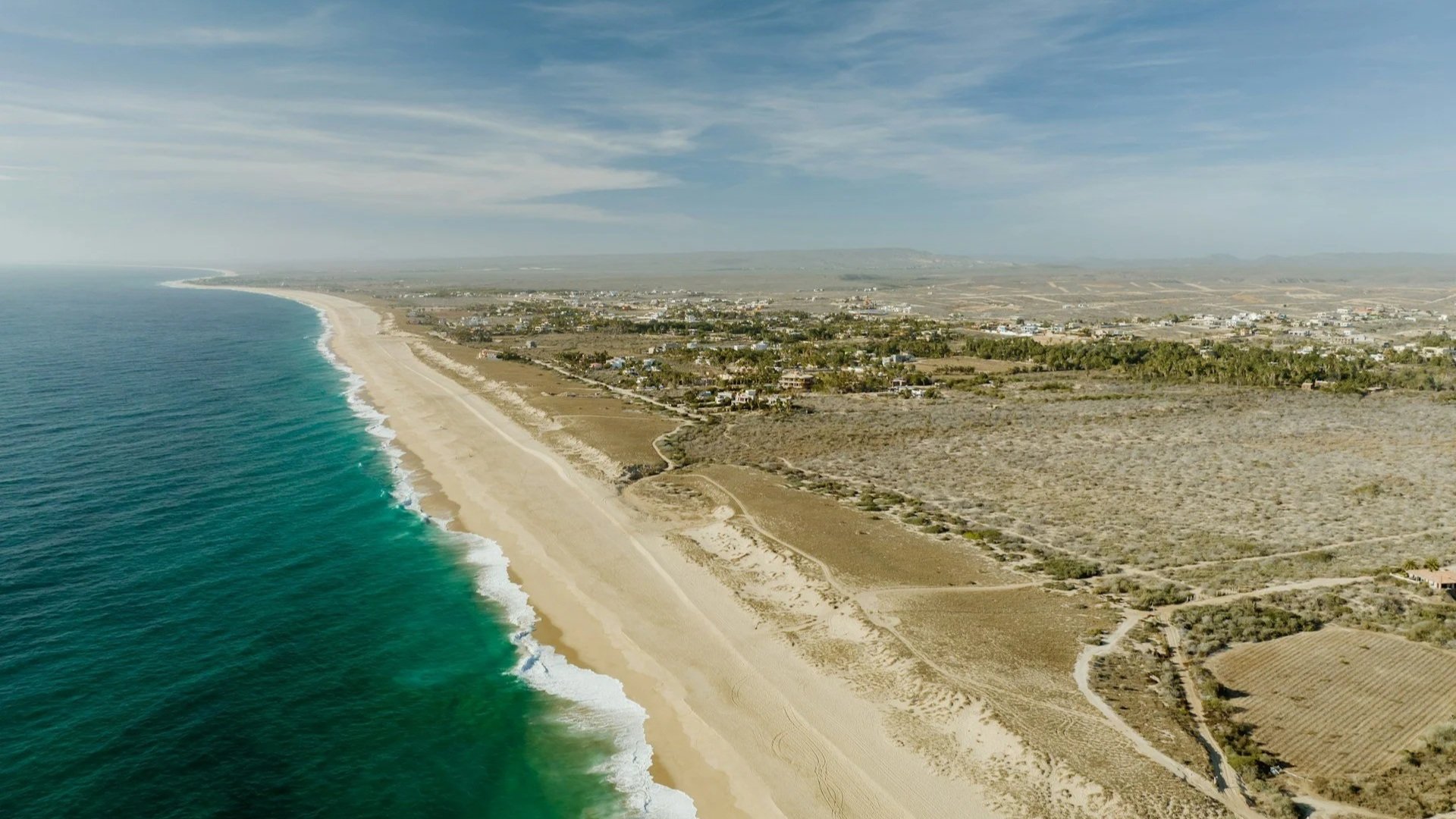
Photo by Josh Withers
In the Valle de Guadalupe, 2026 is all about astronomy. You can pair world-class Mexican wines with professional-grade stargazing in one of the world's premier 'Dark Sky' regions. It’s a therapeutic, silent alternative to the high-octane energy found elsewhere in the country.
2026 is set to be a landmark year for Mexico, offering a unique blend of high-stakes sports, ancient history, and futuristic luxury. Whether you're riding the Tren Maya or stargazing in Baja, the key to a seamless experience is early and expert planning. Ready to find your own piece of paradise? Explore our regional deep-dives for more inspiration, or contact our travel agents today to secure your spot in Mexico’s most popular 2026 hotspots!
#Mexico2026 #SanMigueldeAllende #PuertoVallarta #Merida #BajaCalifornia #MexicoCity
📦 Key Takeaways
The 2026 FIFA World Cup will drive a 15–25% increase in accommodation prices during June and July.
The Tren Maya will be fully operational, offering seamless travel between Mérida, Chichén Itzá, and Tulum.
Mérida remains the safest city in Latin America, making it the top choice for families and cultural explorers.
New luxury hotel openings, including the Waldorf Astoria and Amanvari, are elevating the high-end travel scene.
The paper 'Tourist Card' is gone—all travelers must now use the Digital FMM (Forma Migratoria Múltiple).
