
From Roman Emperors to Modern Republics: The Deep Roots of Croatia
Photo by martin bennie
Imagine walking through a Roman emperor's home that still hums with daily life, watching a sword dance where medieval fortifications shape the stage, or hearing a community sing tight-harmony songs passed down for generations. In 2026, Croatia’s Adriatic coast is not just scenery—it’s an active, layered heritage you can step into. This guide helps you plan culturally rich, practical visits to Split, Korčula and Dubrovnik, with festival dates, heritage highlights and traveler-ready advice for the year ahead.
Why Croatia’s coast feels like ‘‘living history’"
Croatia’s Adriatic cities are shaped by layered influences—Roman foundations, Venetian urbanism on the waterfront, and Central European ties inland. That mix creates a ‘‘between worlds’’ identity that doesn’t only live in textbooks: it shows up in the stones under your feet, the layout of narrow streets, and the festivals that still define civic life.
Split — Diocletian’s Palace: a living ruin you can walk through
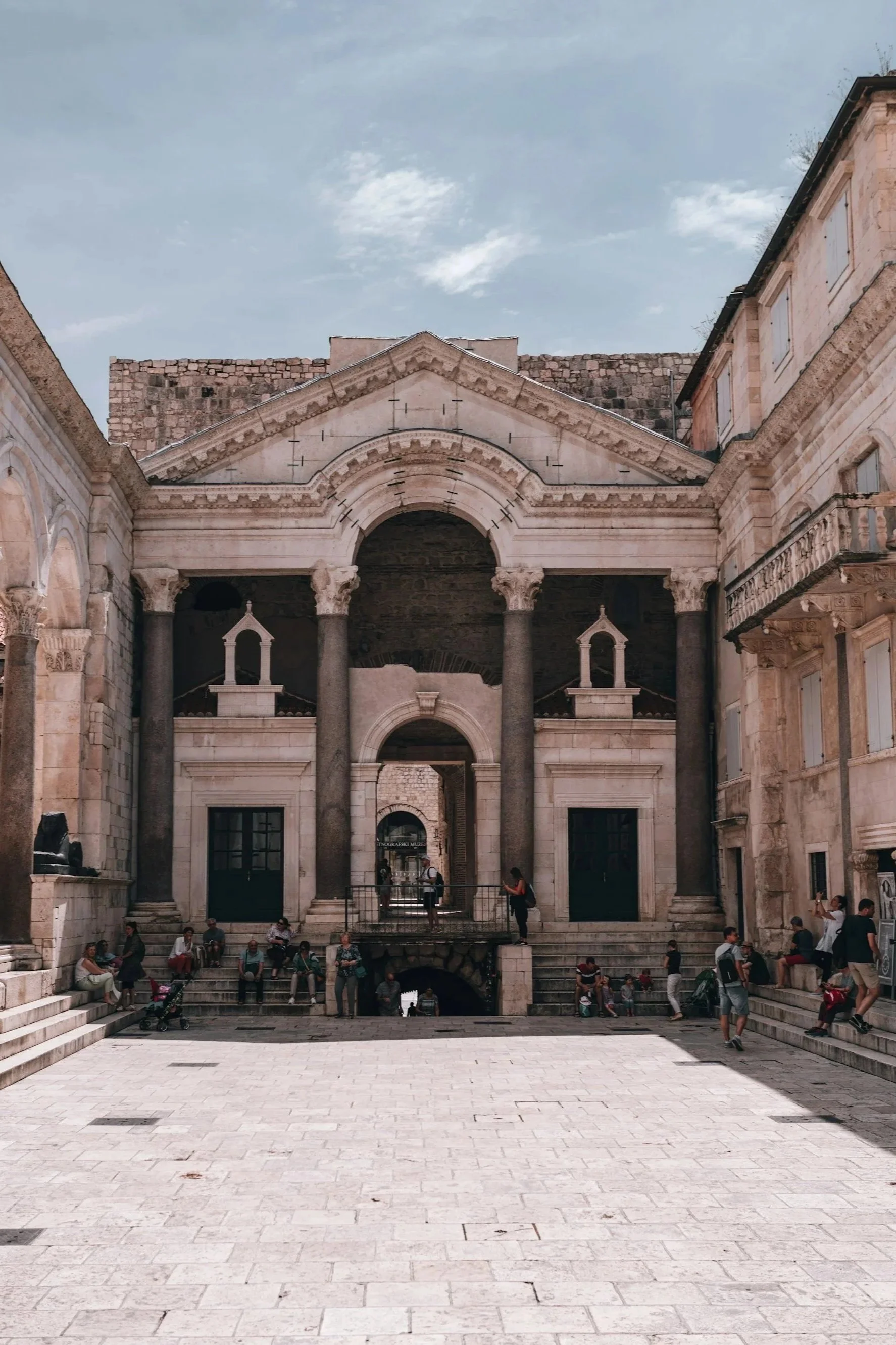
Photo by Zhivko Dimitrov
Diocletian’s Palace is not a fenced archaeological site. It’s integrated into Split’s old town fabric: people live, work and perform inside the palace complex.
Key spaces to experience: the Peristyle (the palace’s monumental courtyard), the Silver Gate approaches, and the substructures/cellars—often used as music and exhibition venues.
2026 highlight: the 49th Flower Festival ("Croatian Floral Miracles") runs March 20–29, 2026 and explicitly programs events in the Cellars of Diocletian’s Palace—perfect timing if you want a close-up of the palace as a continuously inhabited urban core.
Why this matters for your visit:
You’ll see heritage as lived practice—cafés in Roman walls, evening performances where emperors once walked.
Book walking tours that cover Peristyle and the substructures; local guides can point out how domestic life and tourism coexist within the palace.
Dubrovnik — resilience, protection and the stage of 2026
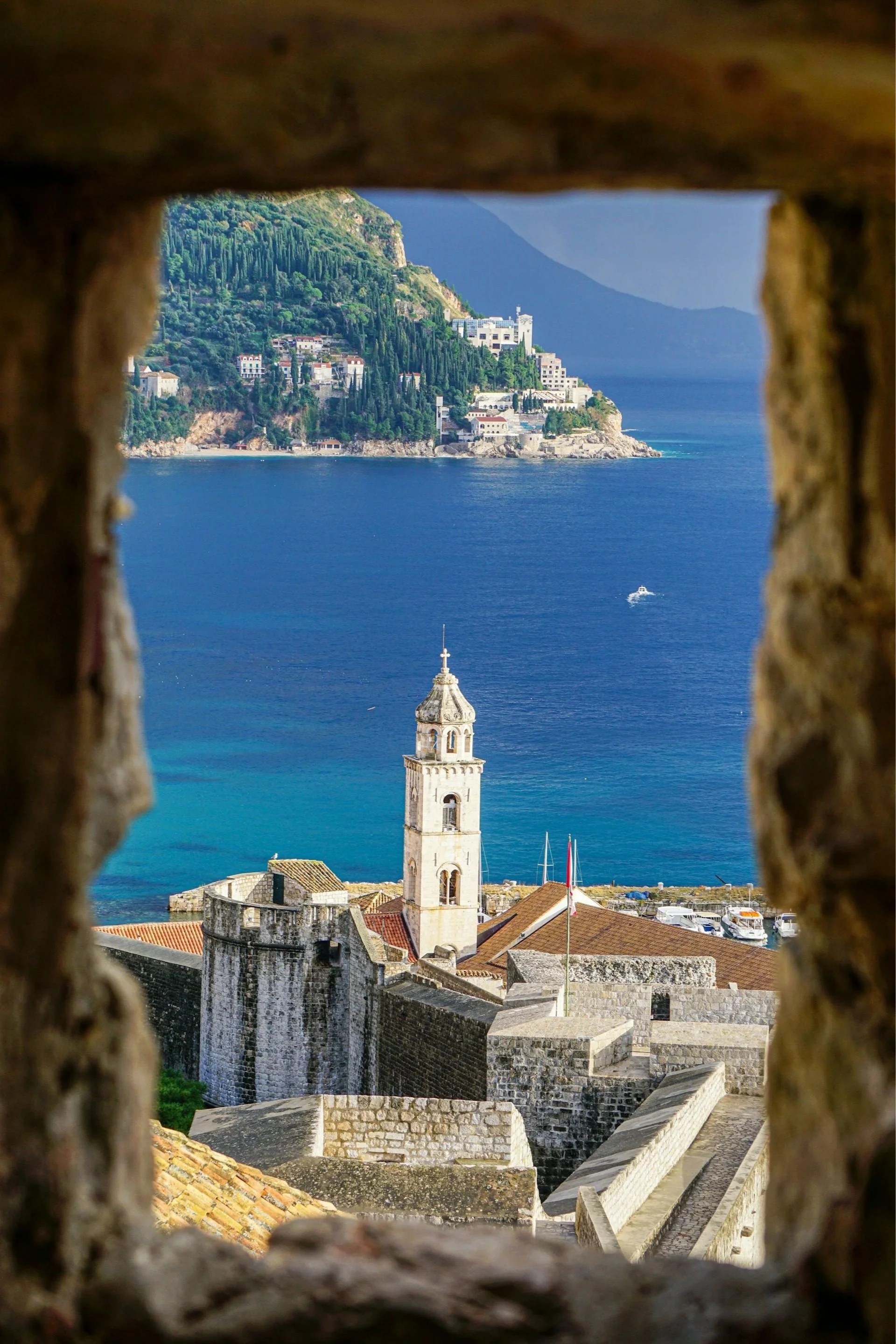
Photo by Arber Pacara
Dubrovnik’s Old Town is UNESCO-listed and treated as both a cultural stage and a protected heritage zone needing active management.
High-value programming: the Dubrovnik Summer Festival (77th edition) runs 10 July–25 August 2026, staged across the Old Town’s historic open-air venues. If you want performances set against medieval walls, plan for these dates.
Visitor-management and sustainability: the city’s "Respect the City" style measures—cruise limits, visitor monitoring, traffic restrictions and evolving timed/advance booking for key sites (including the Walls)—are being advanced into 2026. Treat exact implementation details as subject to operator confirmation but expect tighter access to icons.
Practical tips for Dubrovnik:
Expect peak-season demand during the Summer Festival; book tickets and accommodation early.
Check the city’s Main Events 2026 document and official ticket partners for timed-entry rules before you go.
Korčula — medieval streets, Marco Polo tradition and living performance
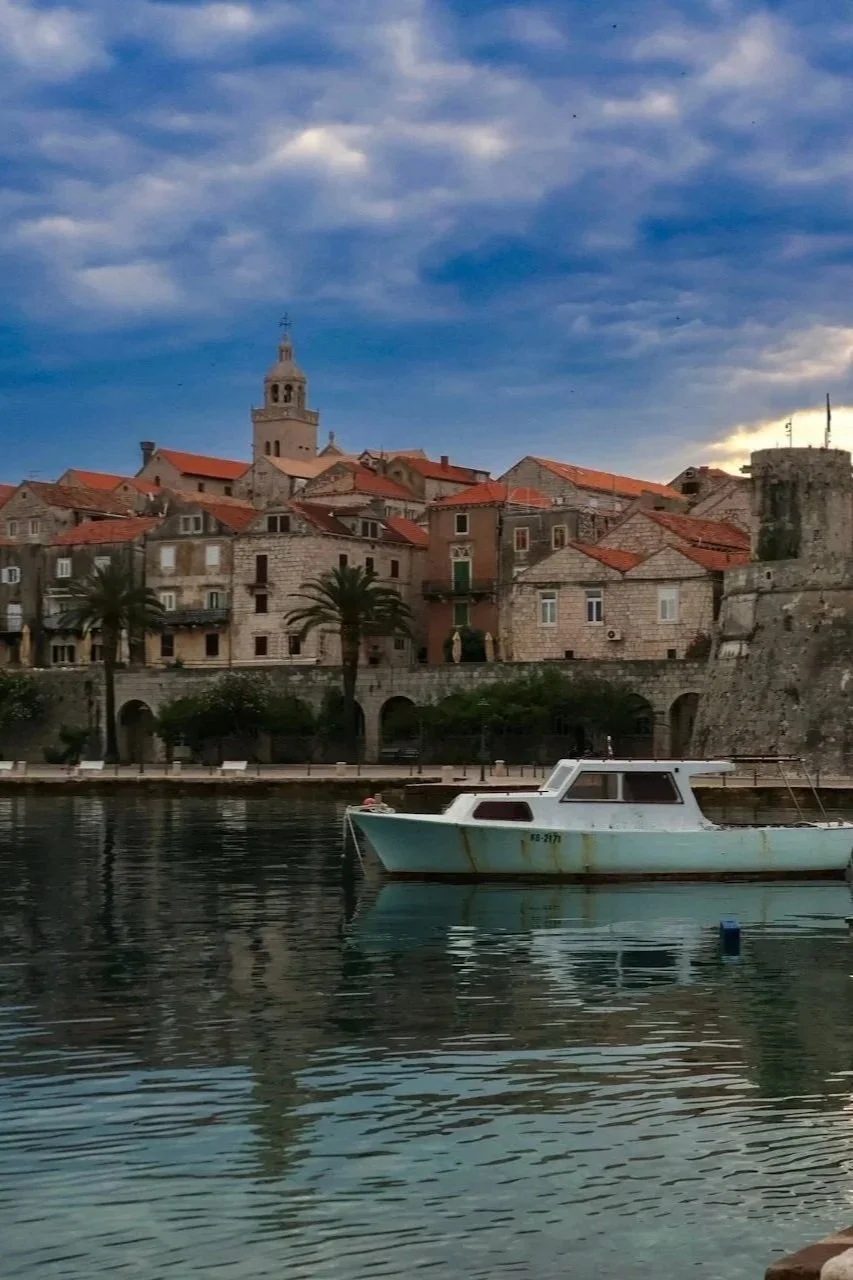
Photo by Meg von Haartman
Korčula markets its compact medieval plan and fortifications; wandering its tight lanes gives you the sense of a guarded island town.
The island promotes the Marco Polo tradition—visit the Marco Polo House as a flagship point of interest and look for Marco Polo–themed programming in 2026 (e.g., Marco Polo Gala Concert listings).
Moreška sword dance: this performative, community-rooted tradition is a hallmark of Korčula’s intangible heritage—history you can watch and feel.
What to do in Korčula:
Combine a guided walk of the medieval walls and streets with an evening performance of Moreška or a Marco Polo–themed concert when available.
Smaller towns like Korčula reward slow travel: linger for a day or two to absorb both architecture and live traditions.
Living traditions: Klapa singing and lacemaking you can experience
Klapa multipart singing of Dalmatia is on UNESCO’s Representative List (inscribed 2012). Traditionally a cappella and performed in a tight semicircle, klapa is a strong expression of community identity—look for local klapa performances in coastal towns and festival programs.
Lacemaking in Croatia (Pag, Lepoglava, Hvar traditions) is UNESCO-listed (inscribed 2009). On Hvar, Benedictine nuns maintain the agave/aloe lace tradition; Pag and Lepoglava offer distinct needle and bobbin techniques.
🗝️ Tips for experiencing intangible heritage:
Seek out local concerts, church or town-hall events, and market stalls where craftspeople demonstrate lacemaking.
Respect performance contexts: many traditions are community-centered—observe quietly, ask before photographing, and consider purchasing directly from makers.
Planning practicalities for 2026
ETIAS: Non-EU, visa-exempt travelers to Schengen (Croatia is in Schengen) should be aware that ETIAS is expected to start in 2026. The exact go-live timing can shift—verify with official EU channels before travel.
Timed entry and advance booking: Dubrovnik and other high-traffic sites are moving toward timed/advance-booking systems in 2026. Confirm access rules for the city walls, major performances and festival venues when you reserve.
Where to verify schedules and rules: consult official festival pages and municipal "Main Events" calendars, as well as ticket partners and national travel advisories. The Dubrovnik Tourist Board and city event PDFs provide authoritative 2026 calendars; Split and Korčula official listings show venue-specific programming.
How to experience these places responsibly
Travel outside the narrowest peak weeks when possible to see the same heritage with fewer crowds.
Choose experiences that support local communities—tickets to city festivals, guided walks with licensed local guides, and crafts purchased from makers keep traditions alive.
Be mindful of signage and local rules in protected zones; preservation depends on respectful behavior.
Quick 2026 planning checklist for you
✅ Book accommodation and festival tickets early for July–August (Dubrovnik Summer Festival dates: 10 July–25 Aug 2026).
✅ If traveling from outside the EU, check ETIAS status shortly before departure.
✅ Reserve timed entries for iconic sites in Dubrovnik if required, and confirm cellars/Peristyle visits in Split during March for the Flower Festival (March 20–29, 2026).
✅ Add at least one guided historical walk in Split, Korčula or Dubrovnik to connect layers of history with living traditions.
Croatia’s Adriatic coast in 2026 is a rare blend of stone and song: Roman palaces inhabited as urban quarters, medieval fortresses that still host pageantry, and living traditions—klapa singing and lacemaking—that tie communities to their past. Planning ahead for festival dates, entry rules and sustainability measures will make your trip more meaningful and less stressful. Experience the history behind the scenery: contact Go Beyond Travel for a personalized consultation to build a trip with guided historical walks, performance nights and local craft encounters tailored to your interests.
#CroatianHistory #UNESCOHeritage #RomanRuins #CulturalTravel #Dalmatia
📦 Key Takeaways
Split’s Diocletian’s Palace is a ‘‘living ruin’’—still used as homes, cafés and performance spaces (Peristyle, cellars, Silver Gate).
Dubrovnik balances high-value cultural programming (Dubrovnik Summer Festival: 10 July–25 Aug 2026) with visitor-management measures to protect the Old Town.
Korčula pairs compact medieval urbanism and fortifications with performative traditions like the Moreška sword dance and Marco Polo–themed events.
Klapa singing and traditional lacemaking are UNESCO-listed intangible heritages you can experience locally.
Practical 2026 planning includes ETIAS for many travelers, timed/advance-booking expectations in Dubrovnik, and checking official festival pages for final schedules.
