
Quiet Luxury in Second Cities: Why Travelers Are Trading Capitals for Calm in 2026
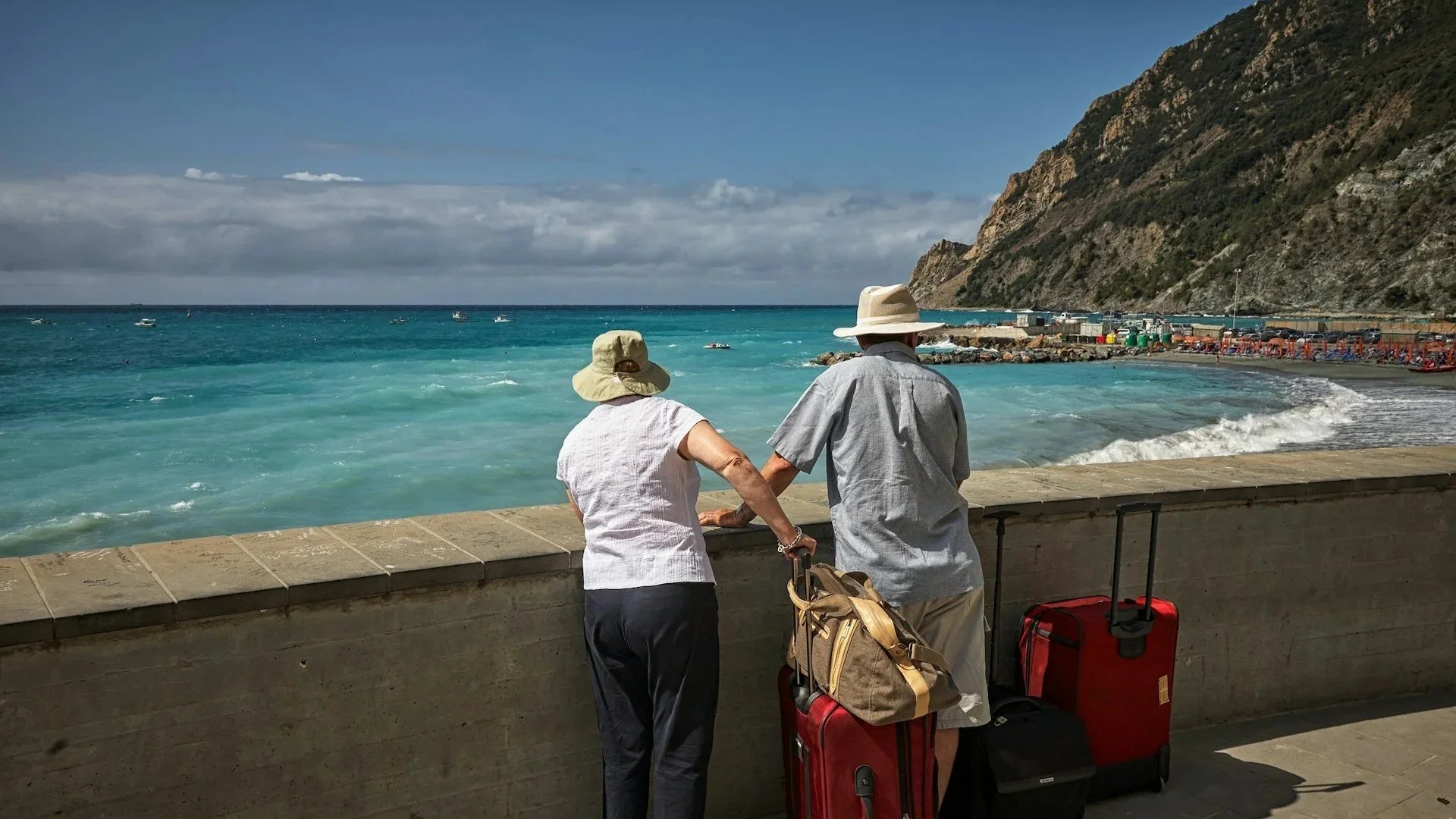
Photo by Vidar Nordli-Mathisen
Tired of shoulder-to-shoulder sightseeing and sky-high peak prices? In 2026 a growing number of travelers are choosing smaller regional hubs—“second cities”—for calmer days, richer local culture, and a more restorative version of travel. If you want style without the spectacle, this is your year to embrace quiet luxury on a smarter budget.
What is “second-city travel” (and why it matters in 2026)
Second-city travel means choosing smaller regional capitals and cultural hubs instead of the marquee cities everyone knows. Think of places that offer exceptional food, design, and local life—but without the crush of crowds, noisy tour groups, or constant reservation stress. In 2026 this approach is no longer niche: it’s a mainstream response to cost pressure, destination fatigue, and the overtourism backlash.
The mood of 2026: quietcations, restoration, and restraint
Travel trends for 2026 emphasize silence, calm, and restoration—sometimes called “quietcations” or “hushpitality.” These preferences align perfectly with second cities, which often provide:
Smaller museums and galleries that you can actually enjoy without timed-entry stress
Restaurants where locals still reserve the best tables
Streets and public spaces that feel lived-in rather than packaged for cameras
What’s changed for 2026: policy, tech, and timing
Policy era: Europe and other regions are rolling out more visitor levies, caps, and short-term rental rules to manage crowds. Venice, for example, is re-applying a day-tripper levy on selected 2026 dates with different pricing for advance vs. late bookings—an emblem of how destination policies now influence where travelers go.
Tech caution: Industry forecasters are warning that recommendation algorithms can funnel everyone to the same “top” places. If you want a quieter experience, you’ll need intentional research (or a travel advisor) rather than relying solely on trending lists.
ETIAS note: If you’re visa-exempt and planning a late-2026 trip to Schengen-area countries, plan for the EU’s ETIAS, which is set to start operations in the last quarter of 2026.
How to plan a second-city getaway in 2026 (practical checklist)
Choose a regional base, not a capital
Base yourself in a smaller city and take relaxed day trips outward rather than staying in the most pressured center. This reduces travel stress and deepens your time in one place.
Travel off-peak and stay longer
Shoulder months and slightly altered timing beat the crowds. Longer stays let you slow down, explore neighborhoods, and find quieter daily rhythms.
Watch policy calendars and fees
Check for visitor levies, cap dates, and local rules before booking—these can change the cost and availability on short notice (Venice’s 2026 day-tripper levy is a timely example).
Avoid algorithmic herd behavior
Use local guides, regional tourism sites, and specialist advisors to discover spots that aren’t trending on social feeds.
Prioritize hushpitality and quiet-luxury stays
Look for small boutique hotels, family-run guesthouses, and low-key luxury that emphasizes calm amenities, concierge support for local access, and thoughtful service.
Check ETIAS and entry requirements
For travel to participating European countries late in 2026, confirm ETIAS requirements well before departure to avoid last-minute surprises.
Budgeting and value: quiet luxury on a better budget
Second cities often deliver more value: better hotel rooms for less, high-quality dining that costs a fraction of the capital, and cultural experiences that aren’t monetized into ticketed spectacles. You’ll also avoid some of the hidden costs of overtourism—long lines, premium last-minute bookings, and surge pricing on tours.
Quick inspiration: where second-city thinking works well
Coastal and regional European hubs (think smaller Adriatic ports or inland food towns) that offer access to landscapes and local culture without the pressure of the headline cities.
Arts and culinary destinations where independent galleries, markets, and family restaurants carry more weight than marquee monuments.
Final planning tips for a low-stress 2026 trip
Book key experiences in advance (local restaurants, small museums) but keep most days flexible.
Ask a specialist about regional rail and secondary airport connections—these can unlock quieter routes and better prices.
Consider multi-night stays in one or two second cities instead of a checklist of many places. You'll return refreshed, not rushed.
If you want the restorative, stylish travel experience of 2026—without the crowds and the frantic checklist—second-city travel is the most practical and rewarding approach. We know planning around new policies, ETIAS timelines, and quieter-season windows can feel overwhelming. That’s why our advisors at Go Beyond Travel specialize in designing slower, immersive itineraries that match your pace, budget, and idea of quiet luxury. Contact Go Beyond Travel for a personalized consultation.
#SecondCityTravel #QuietLuxury #TravelTrends2026 #AuthenticTravel #SustainableTourism
📦 Key Takeaways
Second-city travel is a major 2026 shift: travelers are intentionally skipping headline capitals for smaller regional hubs that deliver culture and calm.
Policy changes (visitor levies, caps, cruise limits) and the return of Venice’s day-tripper levy are nudging travelers away from overcrowded hotspots.
‘Quiet luxury’ or ‘quietcations’ pair naturally with second cities—lower sensory load, fewer timed entries, and more restorative stays.
Practical 2026 planning must include off-peak timing, slower itineraries, and awareness of new rules like ETIAS beginning operations in late 2026.
Algorithmic recommendations can concentrate crowds—intentional planning is essential to avoid the same overstuffed spots everyone else sees online.
