
The Heart of the Andes: Exploring Ecuador's Indigenous Heritage and Living Traditions

Original photo by Da vid
High in the mist-shrouded peaks of the Andes, where the air is thin and the earth feels ancient, lies the soul of Ecuador. Beyond the colonial facades of its cities and the emerald canopy of the Amazon, the true identity of this nation is found in its people—the resilient indigenous communities that have called these mountains home for millennia. As we look toward the 2026 travel season, there is no better time to immerse yourself in a culture that balances ancestral wisdom with a modern drive for sustainability. From the colorful looms of Otavalo to the sacred traditions of the Shuar, let’s explore the living heritage of the Ecuadorian highlands.
The Spiritual Backbone: Why the Andes Matter in 2026
For the indigenous communities of Ecuador, the Andes mountains are not just a geographical feature; they are Apu—sacred spirits that provide life, water, and protection. As you traverse the "Avenue of Volcanoes" in 2026, you aren't just looking at scenery; you are stepping into a landscape that has dictated the rhythm of life for millennia.
Traveling through the highlands today offers a unique look at how these communities have successfully integrated ancestral knowledge with modern life. Despite the global shift toward urbanization, the Andean peaks remain the grounding force for the country's spiritual and agricultural identity.
The Kichwa: Stewards of the Highlands
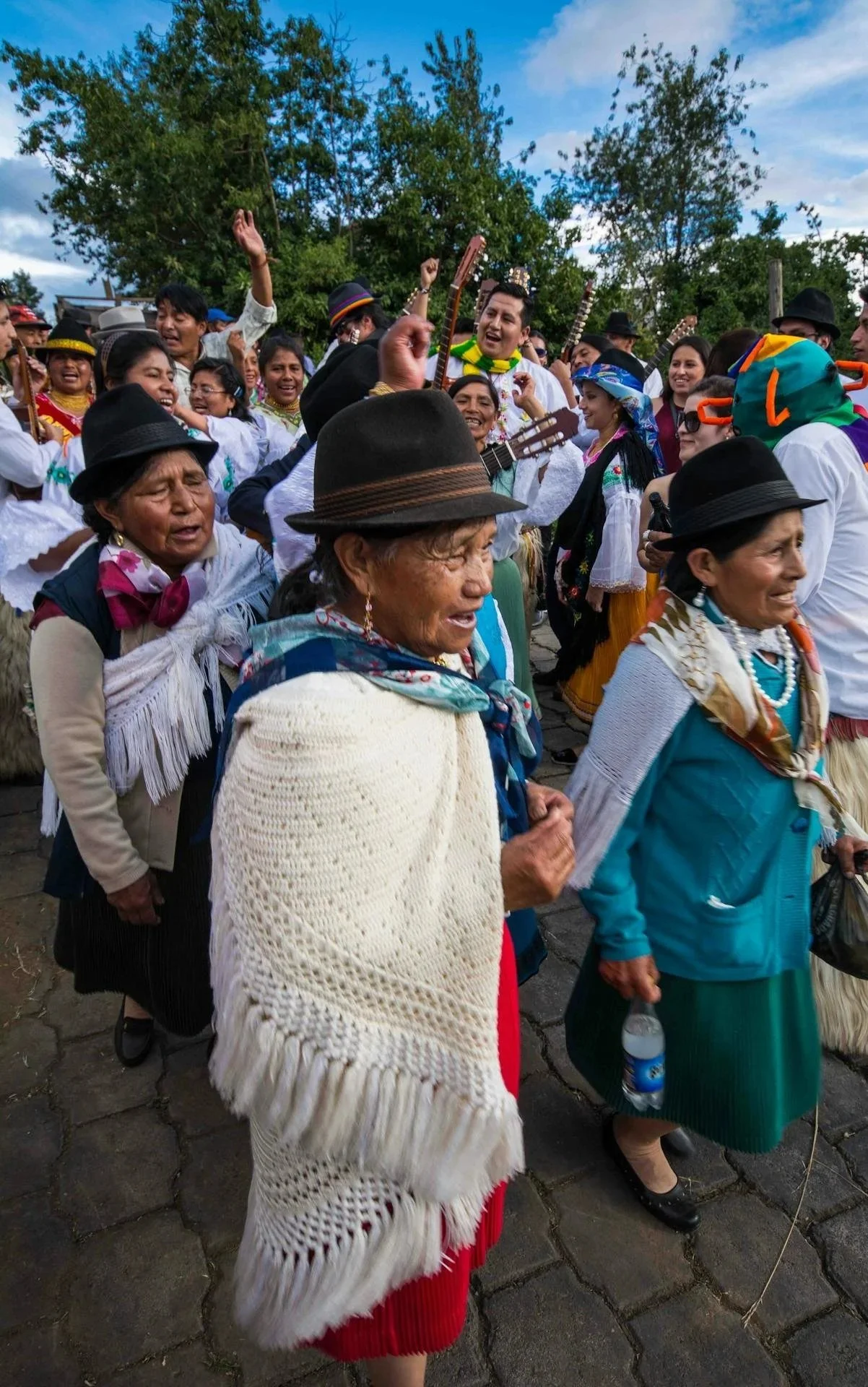
Photo by Edu Carbonetti
The Kichwa are the largest indigenous group in Ecuador, and their presence is felt in every corner of the Sierra. In 2026, community-led tourism is the best way to experience their culture authentically.
🎊 Traditional Festivals: If your 2026 travels bring you to Ecuador in June, do not miss Inti Raymi (the Festival of the Sun). It is a vibrant, multi-day celebration of the harvest where you can witness ritual baths, traditional dancing, and shared community feasts (pampamesas).
🎊 Pachamama: You will notice a deep, unwavering respect for Pachamama (Mother Earth). Many Kichwa-run lodges now offer "Ancestral Wisdom" tours that teach visitors about medicinal plants and sustainable farming techniques that have remained unchanged for centuries.
The Shuar: Guardians of the Sacred Amazon
Descending from the Andes into the humid subtropics, you encounter the Shuar. Historically known as fierce warriors who successfully resisted Incan and Spanish conquests, the Shuar today are influential leaders in environmental conservation.
In 2026, many Shuar communities in the Tena and Pastaza regions are opening their doors to eco-conscious travelers. Visiting a Shuar chacra (ancestral garden) allows you to see how they balance hunting-gathering traditions with modern education and land rights activism. It’s a profound lesson in resilience and the preservation of identity in a changing world.
Navigating the Otavalo Market in 2026
No cultural deep dive is complete without a visit to the Otavalo Market (Plaza de los Ponchos). As one of the most important indigenous hubs in South America, it remains a thriving center for the Otavaleño Kichwa.
Pro-Tips for 2026 Visitors:
🗝️ Go Early: While the market is open daily, the main fair is on Saturday. Arrive by 7:00 AM to see the animal market and the most vibrant textile displays before the day-trippers arrive.
🗝️ Look for Authenticity: There is a renewed focus on handmade backstrap-loom textiles. Look for vendors who can explain the symbolism behind the patterns—each geometric shape often represents a mountain, a river, or a specific family lineage.
🗝️ Respectful Haggling: Bargaining is expected, but remember that these are handcrafted works of art. A small discount is fair, but paying a price that honors the weaver’s labor supports the local economy directly.
A Blend of Two Worlds: Stability and Culture
Ecuador is a unique "Mestizo" nation—a blend of Spanish and Indigenous roots. This syncretism is visible in everything from the ornate colonial churches of Quito to the spicy, potato-based locro soups served in mountain villages.
From a practical standpoint, 2026 is a year of steady progress for Ecuador. The country maintains its democratic stability, and while travelers should always practice standard safety precautions in urban centers, the rural and indigenous heartlands remain some of the most welcoming and peaceful areas to explore. The use of the U.S. Dollar also makes budgeting for your 2026 trip straightforward and stress-free.
Why Go Now?
Ecuador's indigenous heritage isn't a museum exhibit; it's a living, breathing part of the nation's 2026 identity. By visiting these communities, you aren't just a spectator—you are supporting the preservation of languages, crafts, and ecosystems that the world cannot afford to lose.
Exploring the heart of the Andes offers more than just a vacation; it provides a new perspective on how we connect with the earth and each other. The resilient spirits of the Kichwa and Shuar remind us that traditions aren't just of the past—they are the key to our future.
Intrigued by Ecuador's vibrant heritage? Check out our other blog posts on Latin American culture! When you're ready to experience the living traditions of the Andes for yourself, contact Go Beyond Travel today to start planning your bespoke 2026 journey.
#Ecotourism #SustainableTravel #ScientificTourism #Conservation #IndustryUpdates #ResponsibleTravel
📦 Key Takeaways
Prioritize visiting during the Inti Raymi festival (June 2026) for the most immersive Kichwa cultural experience.
The Otavalo Market remains a global hub for textiles; visit on Saturday mornings for the most authentic experience.
Engage with community-led tourism in the Amazon to learn about Shuar conservation efforts firsthand.
Ecuador’s use of the U.S. Dollar and its recognition as a top destination for 2026 make it a seamless choice for South American travel.
Embrace 'Slow Travel' by staying in indigenous-run eco-lodges to directly support local heritage preservation.
