
Global Travel News & Trends for the Explorer: The Demand for Sustainable & Scientific Tourism
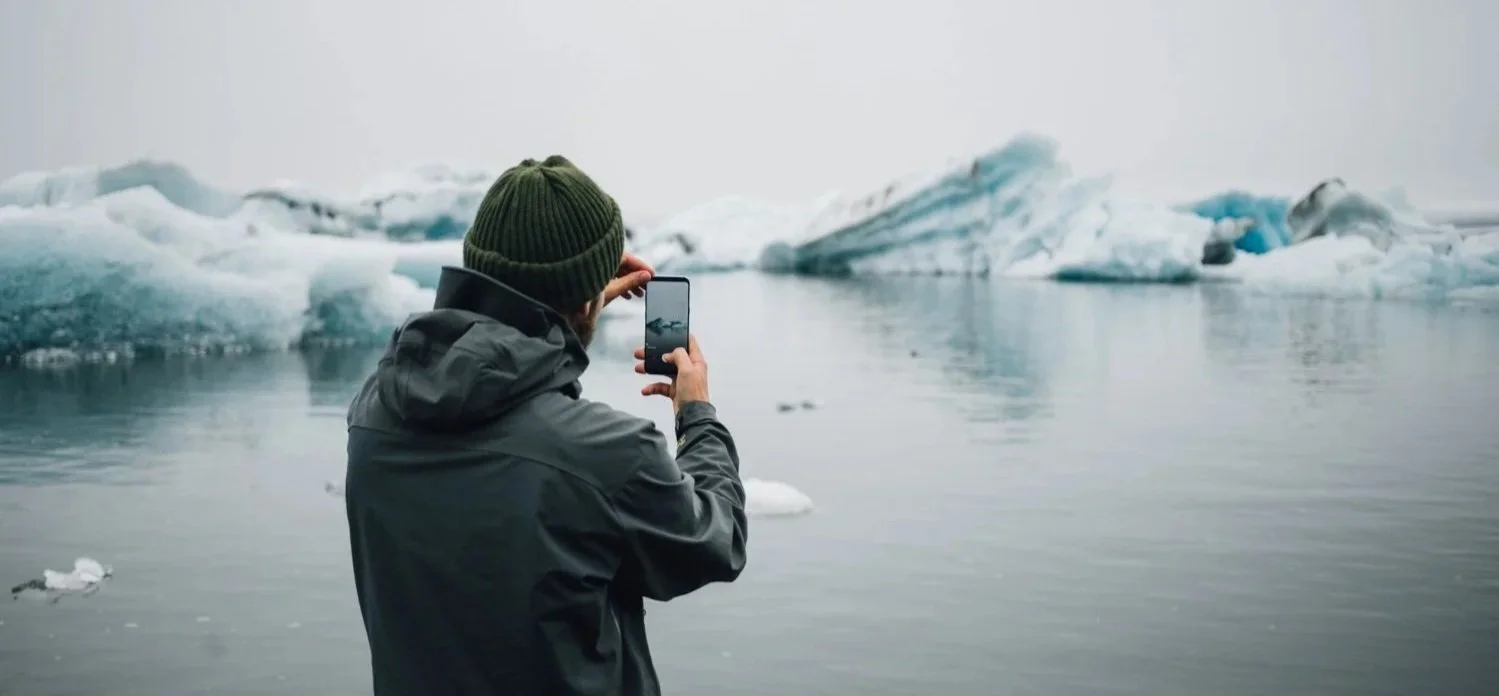
Photo by bublikhaus
The era of the 'passive tourist' is fading. Explorers are increasingly trading simple sightseeing for 'Scientific Tourism'—a transformative way of traveling that prioritizes education, hands-on conservation, and local well-being. From the Galapagos to the Antarctic, discover how your journey can help protect the planet while providing the experience of a lifetime.
Why the Rise of the Conscious Explorer?
The era of the "passive tourist" is over. A profound shift is occurring: travelers are no longer content with just seeing a destination—they want to understand it, protect it, and contribute to its future. This is the heart of Scientific Tourism, where education and conservation are the primary drivers of the itinerary.
From the volcanic shores of the Galapagos to the frozen expanses of the Antarctic, travelers are increasingly seeking out experiences that offer a "deep dive" into the natural world, led by experts, researchers, and local guardians.
The Galapagos Blueprint: A New Standard for Conservation
The Galapagos Islands continue to lead the world in sustainable management. For those planning a visit, it is important to note that the Galapagos National Park entry fee is now $200 USD for most international visitors. This is the first significant increase in over two decades and serves as a direct investment in the islands' fragile ecosystem.
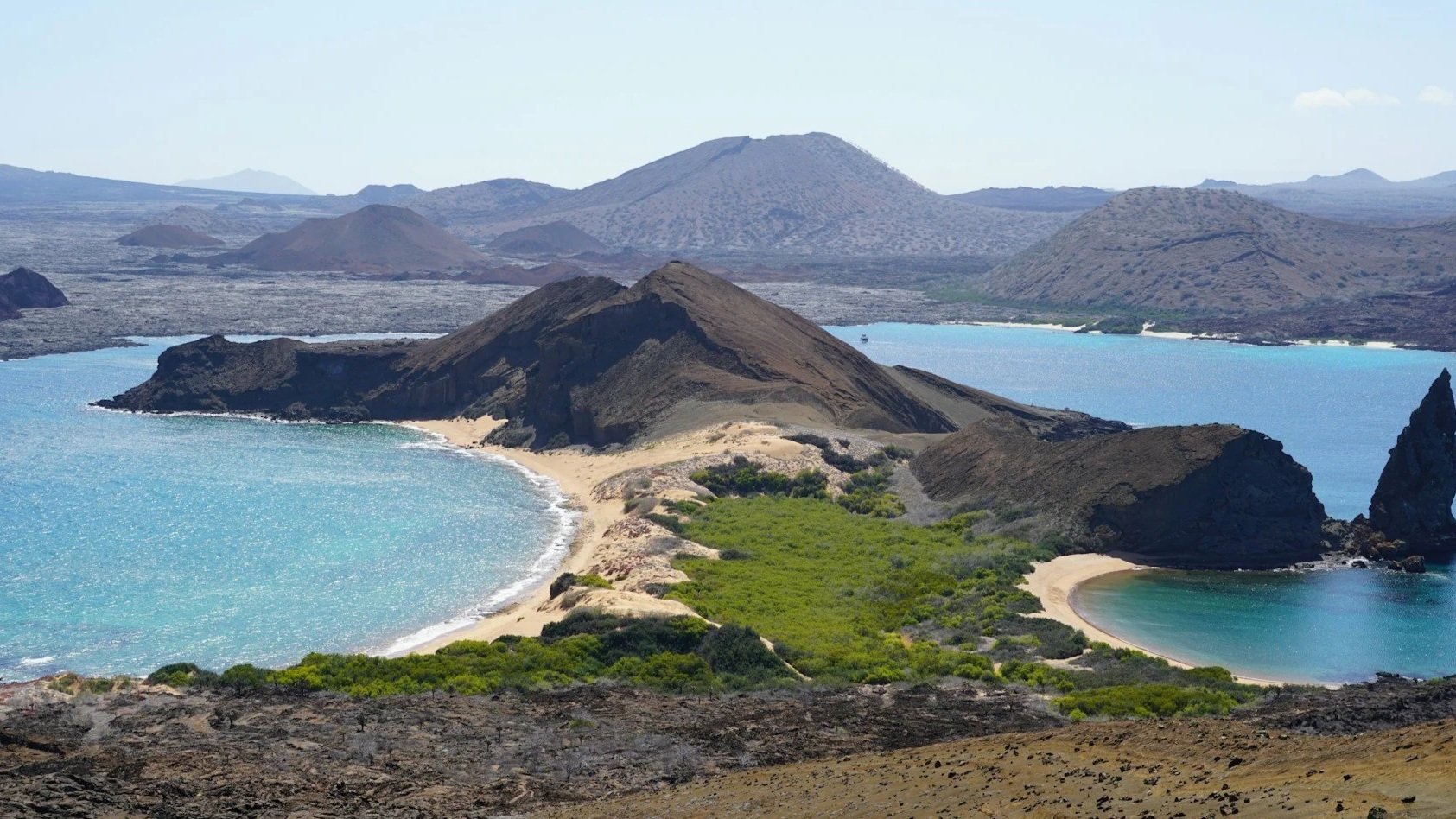
Photo by Heidi Bruce
What to expect: High-end eco-cruises and land-based lodges now offer "Citizen Science" modules.
The New Standard: Travelers are prioritizing "Carbon-Neutral" vessels and certified operators who provide transparent data on their environmental impact.
Antarctica: Beyond Sightseeing to Citizen Science
The Antarctic season is increasingly becoming a classroom for global climate science. Leading expedition ships are now equipped with state-of-the-art laboratories where you can work alongside marine biologists.
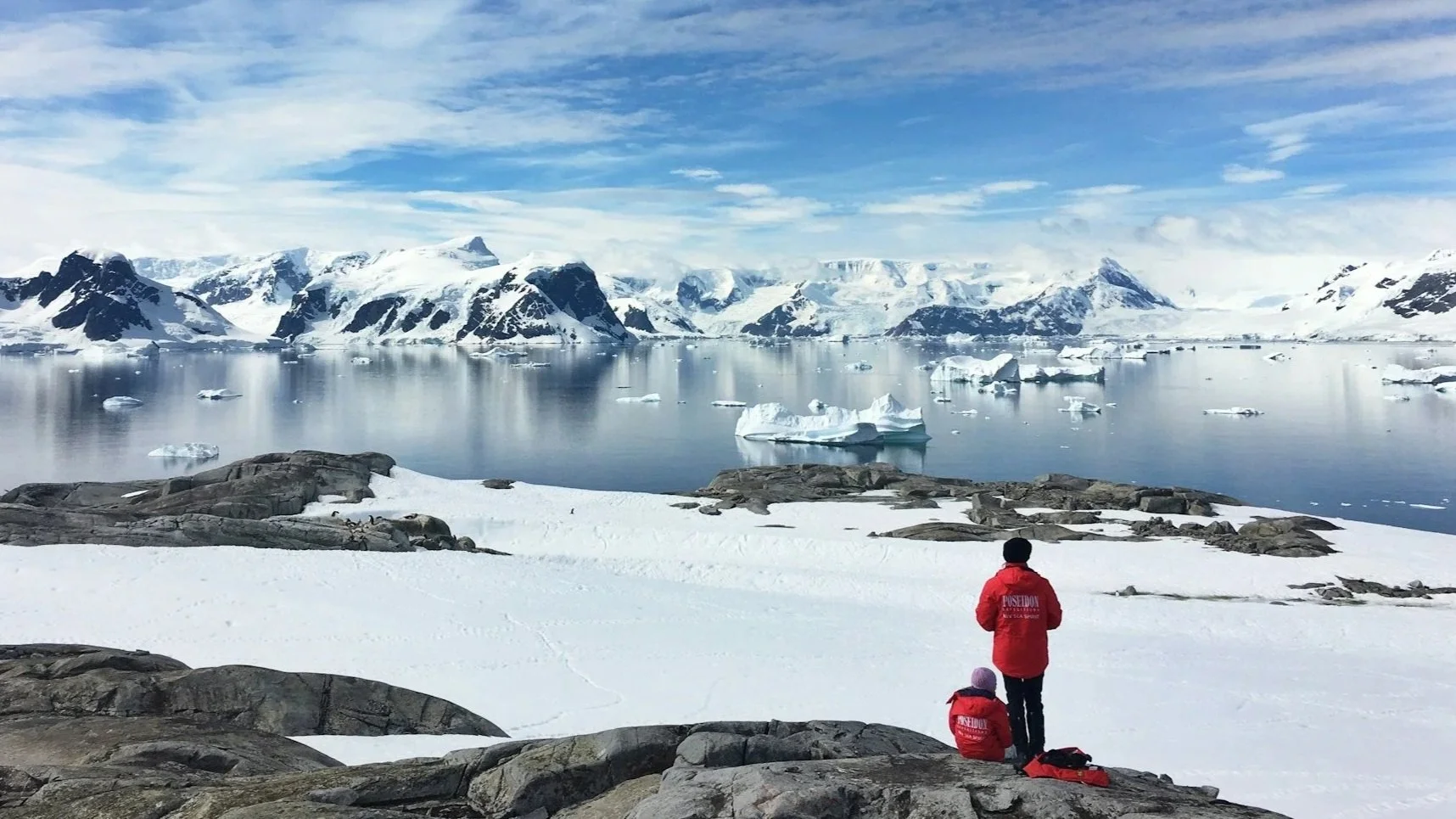
Photo by Cassie Matias
Participate in Research: Help count penguin colonies, monitor ice-melt patterns, or collect phytoplankton samples.
Educational Luxury: You aren't just a passenger; you are a logistical partner for global science, providing researchers with data from remote areas they otherwise couldn't reach.
Community-Led Conservation in the Amazon
In the Amazon Basin, there is a major surge in community-based tourism. Travelers are moving away from generic jungle tours in favor of stays at lodges owned and operated by Indigenous communities.
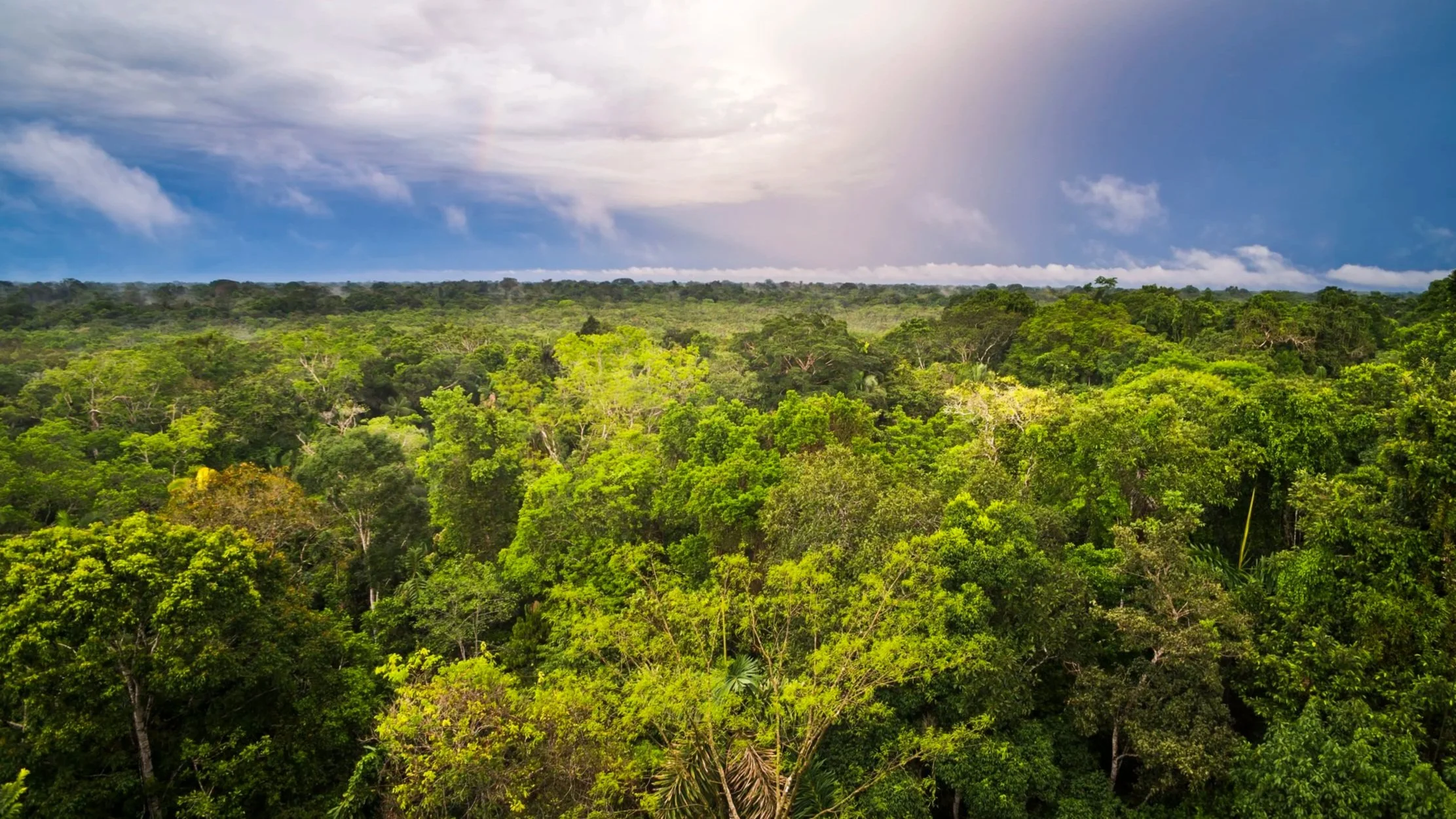
Photo by MatthewWilliams-Ellis
Why it matters: These tours ensure that tourism revenue stays within the local economy and directly funds the protection of ancestral lands against deforestation.
The Premium Experience: Travelers are showing a willingness to pay a premium for certified eco-lodges that meet Global Sustainable Tourism Council (GSTC) standards, recognizing that "true luxury" is the knowledge that your stay is regenerative.
How to Plan Your Scientific Expedition
✔️ Look for Certifications: Ensure your lodge or cruise holds legitimate eco-credentials like GSTC or B-Corp status.
✔️ Ask About the 'Give Back': Before booking, ask how much of your fee goes directly to local conservation or community projects.
✔️ Book Early: Because these high-impact, low-volume tours are in high demand, planning 10-12 months in advance is essential.
✔️ Work with Specialists: Navigating the logistics of scientific permits and remote conservation areas requires expert guidance.
The modern travel landscape is defined by a desire for purpose. Whether you are assisting in data collection in the Antarctic or supporting Indigenous-led tourism in the Amazon, your journey can be a force for good.
Ready to turn your next vacation into a mission of discovery? Contact our expert travel agents at Go Beyond Travel to design your sustainable travel itinerary today!
#Ecotourism #SustainableTravel #ScientificTourism #Conservation #IndustryUpdates #ResponsibleTravel
📦 Key Takeaways
Scientific tourism is a rising trend, combining exploration with active conservation and research participation.
The Galapagos National Park entry fee has been updated to $200 for international visitors to fund intensified environmental protection and local infrastructure.
Antarctic expeditions are increasingly incorporating 'Citizen Science,' allowing travelers to assist researchers in climate monitoring and wildlife tracking.
Travelers are prioritizing certified eco-lodges (GSTC) and community-led tours that ensure tourism revenue stays within the local economy.
Planning requires early booking, as demand for high-impact, low-volume sustainable tours continues to surge.
