
Living Friluftsliv in Norway: Essential 2026 Guide for First-Time Travelers
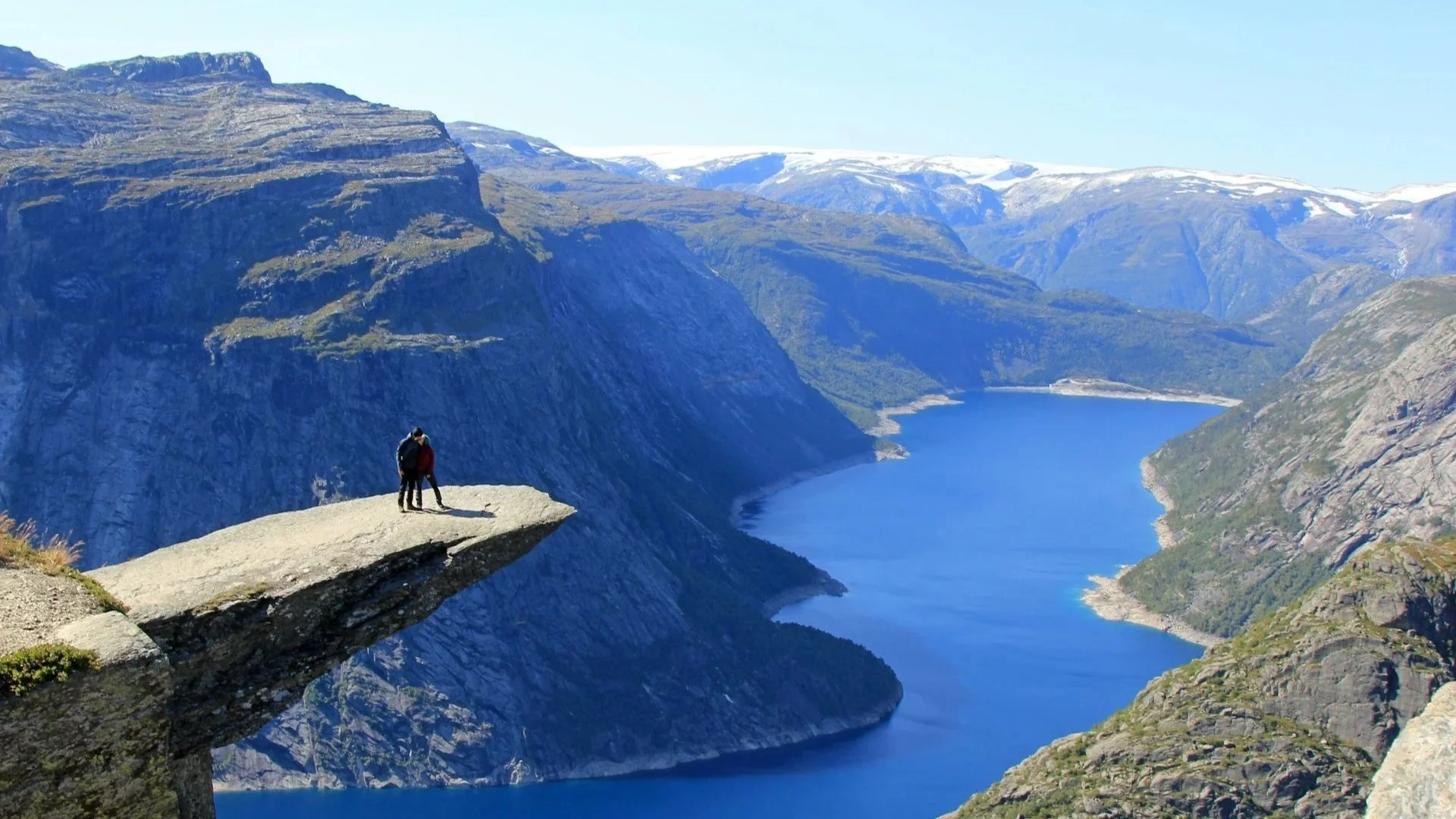
Photo by Varvara Povarova
You want Norway’s dramatic fjords, midnight-sun hikes, and coffee-shop culture — but the planning feels overwhelming. Good news: Norway is high-reward and perfectly plan-able for 2026. This guide gives you practical, future-focused tips so you spend less time stressing and more time outside, embracing friluftsliv.
Embrace Friluftsliv: Travel with a Norwegian mindset
Friluftsliv — literally “open-air living” — is about wellbeing through regular outdoor time, in all seasons. When you plan your first Norway trip in 2026, think experiences first: short hikes, scenic ferry rides, and viewpoints deliver huge value for little or no cost. (Read the Visit Norway explainer and the BBC context for cultural background.)
Money: expensive but manageable 🪙
Expect Norway to be high-cost in 2026, especially restaurants, bars/alcohol, and some public transport. Visit Norway’s 2026 pricing snapshot confirms higher averages for tourism services.
💎 Smart strategies to control spend:
Pack snacks and picnic items — groceries are a cost-saver compared with dining out.
Use tap water (it’s clean and safe) and a reusable bottle to cut drinks costs.
Prioritize free headline experiences (fjords, hikes, viewpoints) and spend selectively on a few paid highlights.
Packing: layers are non-negotiable 🧳
Norway’s weather can change rapidly, especially along the coast and in the mountains. The local adage tied to friluftsliv is effectively: no bad weather, only bad clothing.
Pack a base layer, insulating mid-layer, waterproof/windproof outer layer, good hiking shoes, and a compact rain shell. Bring a warm hat and gloves even for shoulder seasons.
Payments & practical tech ⚙️
Norway is nearly cash-free — bring cards with contactless and mobile-payment capability. Carry a small backup of cash just in case you hit a very remote spot.
Useful apps to install before you go:
Entur: national journey-planning for trains, buses, ferries — great for routing and connections.
EasyPark: commonly used for parking payments in Norwegian cities; it removes the guesswork with meters and signage.
Trains, Minipris, and timing 🚂
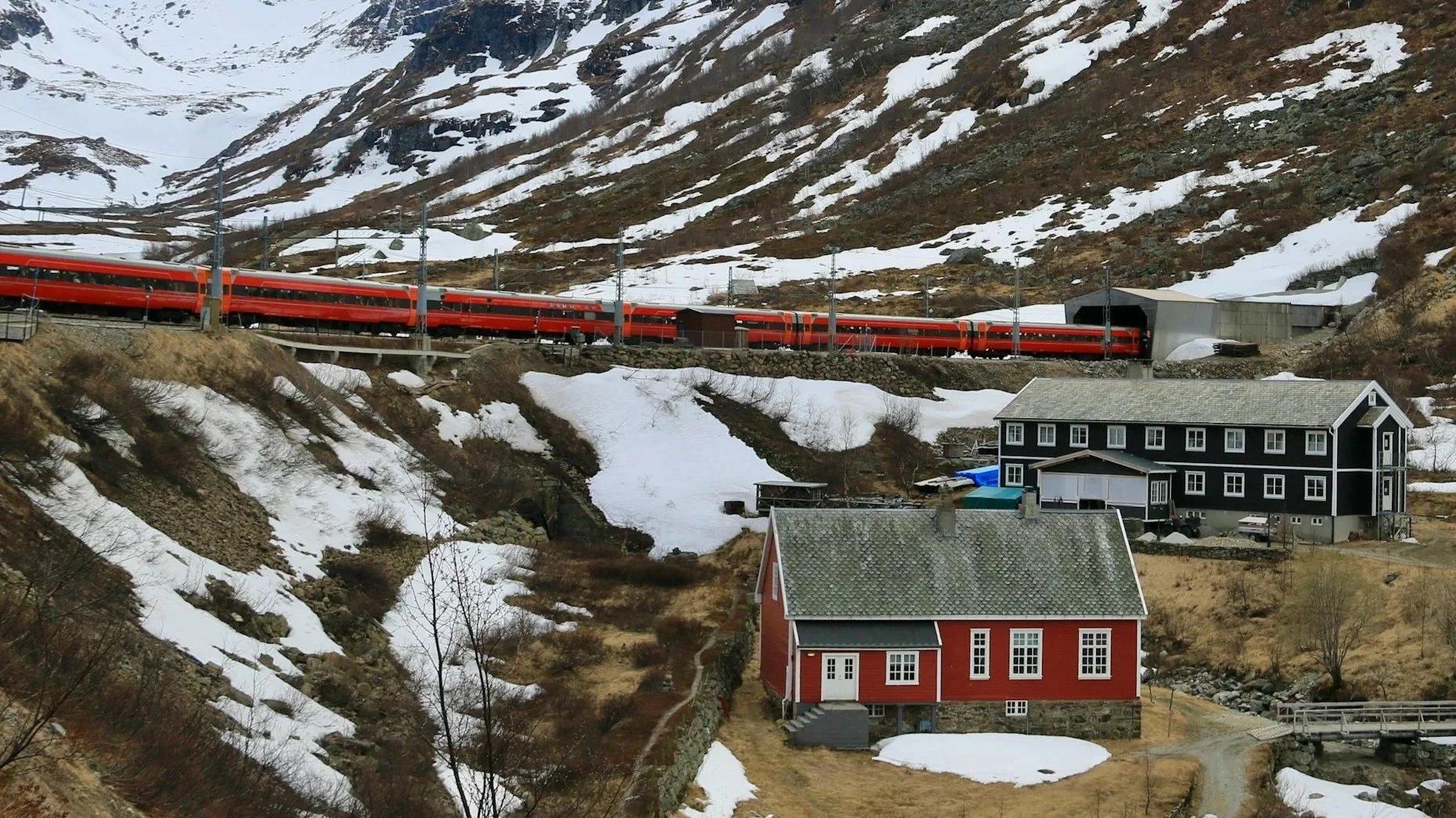
Photo by Hongbin
If you plan to travel by rail in 2026, take advantage of Minipris discounted fares. These cheap tickets are released in limited buckets and often require booking at least 24 hours in advance; the best deals sell out early, especially in peak summer.
For flexible travel, compare regular fares vs. low-cost Minipris options and book the cheapest viable leg as soon as your dates are firm.
Border rules for 2026: EES and ETIAS (what to watch) ✈️
🛂 EES (EU/Schengen Entry/Exit System) becomes fully operational from 10 April 2026. Non-EU travelers will undergo biometric registration (photo/fingerprints) at Schengen external borders — this can lengthen processing times during rollout and peak periods. Allow extra time at border crossings and airports.
🛂 ETIAS is still targeting late 2026 for activation, but timelines have shifted historically. Treat ETIAS as likely but verify via official EU/ETIAS sources before departure.
Festivals and seasonal planning (2026 examples) 🎊
If you’re planning for summer 2026, an example to lock in now is Bergenfest in Bergen — listed as June 9–12, 2026 on Visit Norway, while the festival site lists June 10–13, 2026. Verify exact daily programming before you book since listings can differ.
⭐ Book accommodations and transport early if your travel dates overlap major festivals — Norway’s tourism season concentrates demand into summer months.
Practical day-to-day tips
🗝️ Bring a reusable water bottle: Norwegian tap water is excellent and will save you money.
🗝️ Use contactless payments and mobile wallets; keep one physical card in a separate place from your phone.
🗝️For driving: EasyPark makes parking simple; read local signage carefully and use the app to avoid fines.
🗝️ For public transit: Entur helps you plan multimodal trips and check timetables across regions.
Putting it together: an example simple plan for first-timers
Base in Bergen (good hub for fjord trips and Bergenfest if attending).
Use local ferries and day hikes to experience friluftsliv — spend on one guided fjord cruise if you want a scenic perspective from the water.
Book key trains and long-distance transport with Minipris as soon as your dates are fixed.
Keep evenings flexible for local cafés, short walks, and soaking up the open-air lifestyle.
Remember: the highest-value memories in Norway often come at low monetary cost — fresh air, walks, and views. Your biggest investment will be thoughtful planning and a few well-timed bookings.
Norway in 2026 rewards travelers who plan smartly and travel with a friluftsliv mindset: layer up, prioritize free outdoor experiences, and use tech (Entur, EasyPark) and booking tactics (Minipris early) to control costs. Be aware of border changes — EES is active from 10 April 2026 and ETIAS may begin in late 2026, so confirm entry requirements before you go. Don't let the logistics overwhelm you. Contact Go Beyond Travel for a personalized consultation so we can handle the details and help you craft a stress-free, unforgettable Norway trip. Message our agents for a stress-free booking experience, and read our other posts for more packing and budget hacks!
#TravelTips #NorwayGuide #Friluftsliv #BudgetTravel #SmartTravel
https://www.visitnorway.com/things-to-do/outdoor-activities/friluftsliv/
https://www.bbc.com/worklife/article/20171211-friluftsliv-the-nordic-concept-of-getting-outdoors
https://www.visitnorway.com/plan-your-trip/less-expensive-to-go-to-norway/
https://www.visitnorway.com/events//bergenfest-live-music-festival/1469/
https://globalservices.georgetown.edu/gps/travelresources/outboundvisas/update-eu-ees-etias/
https://apps.apple.com/us/app/entur-travel-and-tickets/id1225135707
📦 Key Takeaways
Friluftsliv (open-air living) is the local mindset — prioritize time outdoors and layered clothing.
Norway is expensive for restaurants, alcohol, and some transport, but many top experiences (hikes, viewpoints, fjords) are free.
Book discounted train 'Minipris' fares early (lowest buckets often sell out); aim to book at least 24 hours ahead.
Bring a card/contactless option — Norway is nearly cash-free. Carry a small backup of cash just in case.
Download Entur for public-transport planning and EasyPark to simplify parking payments.
EES (biometrics) is active from 10 April 2026 — expect potential slower border processing; ETIAS may begin in late 2026 (confirm before travel).
Tap water is exceptionally clean — bring a reusable bottle to save money and reduce waste.
