
Land of the Vikings: Norway’s Ancient & Modern Heritage
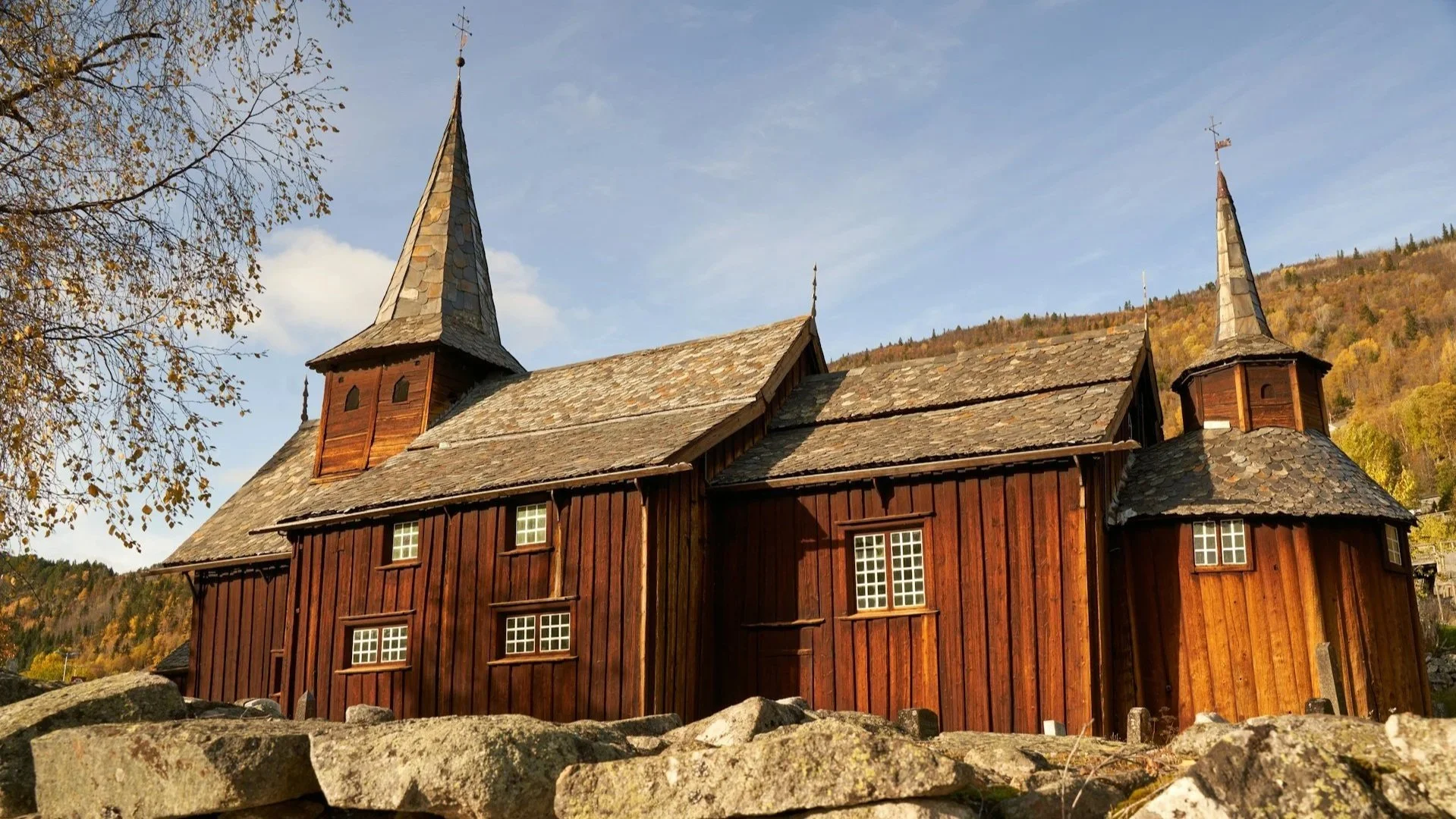
Photo by Barnabas Davoti
Norway in 2026 is a place where ancient seafaring roots meet bold modern stewardship. If you want to trace the Norse story—from Viking ships being carefully rehoused to living Sámi traditions under the aurora—you can plan a culturally rich trip that honors both history and conservation. This guide shows you exactly where to go, when to visit, and what practical steps to take so your 2026 itinerary goes beyond scenery and into story.
⭐ Why 2026 is special for cultural travelers
2026 sits at a unique moment: Norway is reframing its Viking collections for the new Museum of the Viking Age, conservation projects are highly visible, and nature-and-culture pairings are unusually compelling. The 2024–2026 solar cycle means stronger northern lights activity through winter 2026—perfect for pairing Sámi cultural experiences with aurora hunts. At the same time, official messaging emphasizes sustainability and local stewardship, so your visit can support living traditions rather than treating heritage as display-only.
Oslo: Where the Viking story is being rewritten (and how you can still see it)
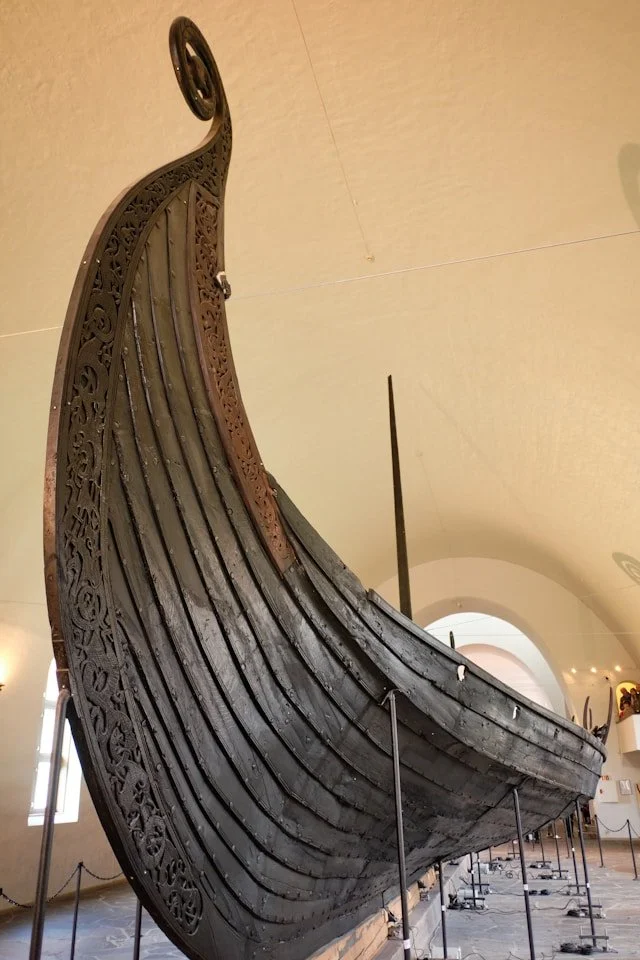
Photo by Barnabas Davoti
The original Vikingskipshuset (Viking Ship Museum) is closed for a major rebuild and the new Museum of the Viking Age (Vikingtidsmuseet) is set to reopen in 2027. However, the project published a milestone on Feb 25, 2026 confirming that all three Viking ships are “safely in place” inside the new building.
In the meantime, head to Oslo’s Historical Museum for the VÍKINGR exhibition—this major Viking-age display runs until December 2026 (note: some objects may be temporarily removed for conservation work).
Practical tip: build a relaxed museum day into your Oslo stay so you can appreciate conservation narratives—why these ships survived, and what their restoration tells us about continuity and stewardship.
Bergen & Bryggen: Living Hanseatic heritage and festival culture
Bryggen’s UNESCO listing foregrounds its Hanseatic trade legacy—warehouse rows (gård), stockfish trade, and the repeated cycle of rebuilding after fires. Walking Bryggen is a walk through an evolving maritime survival economy that helps explain modern Norway’s coastal identity.
Time your visit for the Bergen International Festival (27 May–10 June 2026) to combine UNESCO heritage walks with world-class music and performance.
⭐ Practical tip: combine a morning Bryggen walk and local museum visit with relaxed café time—slow travel supports the living businesses that keep the wharf alive.
Stave churches: wooden wonders and active conservation
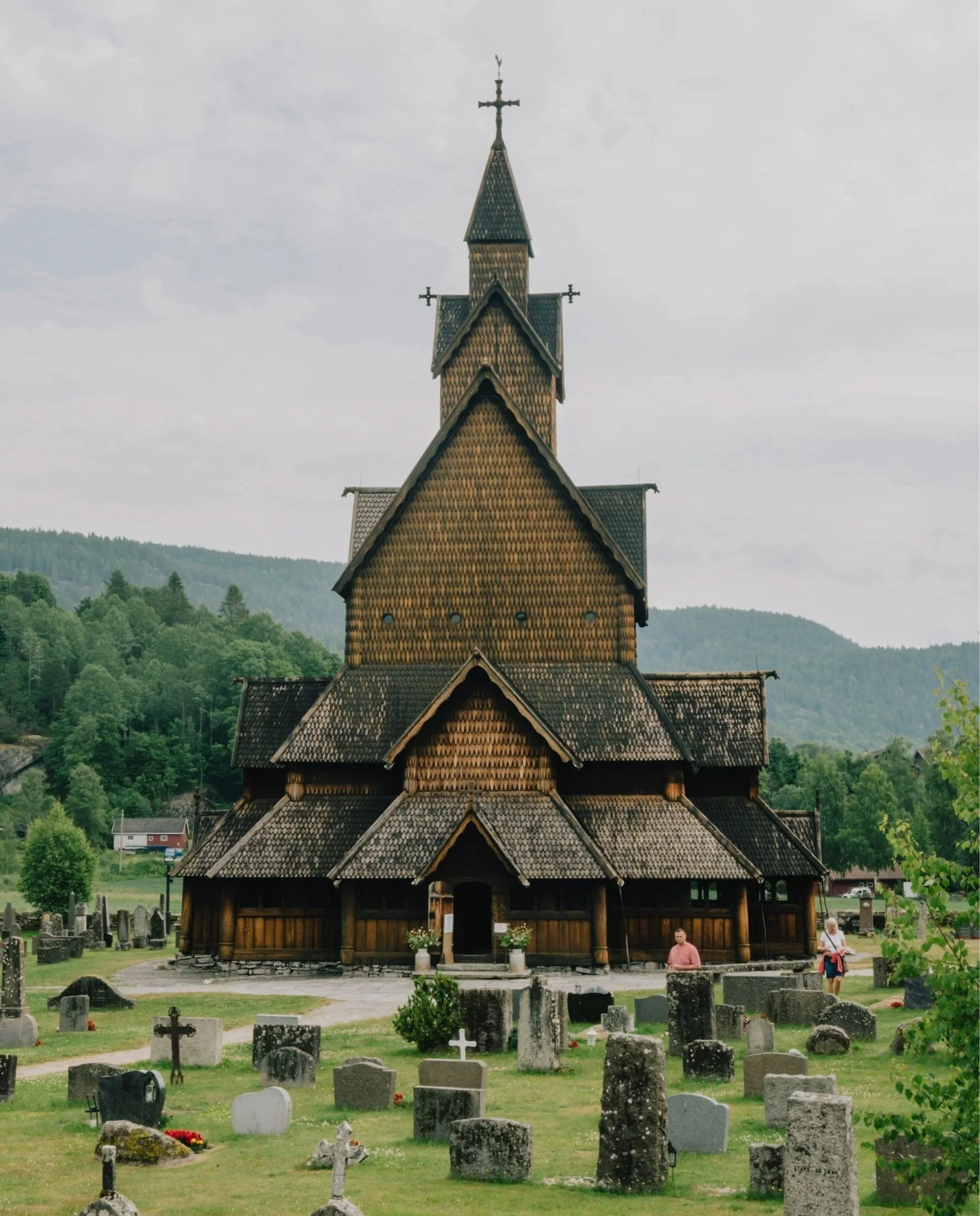
Photo by Kenny
Norway is home to 28 surviving medieval stave churches, often described as the world’s most important collection of this wooden church type.
Preservation, documentation and fire-risk mitigation are active priorities. When visiting, follow local guidance (no open flames, respect barriers, and heed seasonal access notes) so you help protect these fragile structures.
Best timing: late spring through early autumn pairs beautifully with scenic fjord-road trips and clearer access to rural sites.
Sámi culture in the North: living people, living traditions
Sámi culture is very much alive—official tourism touchpoints include Sámi National Day (6 Feb 2026), Sámi Week in Tromsø and the Sámi Easter Festival in Kautokeino.
Winter 2026 is a strategic moment: stronger aurora activity (peak window 2024–2026) makes northern Norway a powerful cultural-and-nature combo—hearing joik under the lights is an experience rooted in people, not just spectacle.
Practical tip: seek Sámi-led experiences and cultural centres to ensure your visits are community-centred and ethically run.
Travel logistics & 2026 entry rules you must know
❗ EES (Entry/Exit System) registration began on 12 October 2025 and replaces manual passport stamping for non-EU short stays—expect changes to how arrivals are recorded.
❗ ETIAS, a visa-waiver style pre-travel authorisation for visa-exempt travellers, is scheduled to start in the second half of 2026. Monitor its rollout; late-2026 travellers should apply early to avoid border delays.
❗ Practical tip: allow extra time at arrival points during 2026. Check official channels for EES/ETIAS updates well ahead of departure.
Responsible travel: how to visit with stewardship in mind
Choose local guides and Sámi-run providers for authenticity and economic benefit to communities.
Respect museum and site guidance—many conservation stories you’ll see are the result of active scientific work and community stewardship.
Travel slower: longer stays in one region reduce carbon footprint and strengthen your contribution to local economies.
Final practical checklist for your 2026 planning
✅ Confirm VÍKINGR exhibition opening dates and any conservation-related object removals before booking museum visits.
✅ Monitor ETIAS start timing and apply early if your travel falls in the second half of 2026.
✅ Book Northern Norway winter travel early for aurora-focused trips during the 2024–2026 peak window.
✅ Prioritise Sámi-led experiences and ask about community benefit when you book cultural activities.
✅ Leave room in your itinerary for slower, conservation-minded visits to fragile sites like stave churches and Bryggen.
Norway in 2026 invites you to move beyond postcard views and into stories—of ships carefully rehoused for a future museum, of towns rebuilt again and again on a seafaring edge, and of living Sámi traditions under the aurora. If planning all this feels overwhelming, you don’t have to do it alone. Experience the history behind the scenery. Contact Go Beyond Travel for a personalized consultation.
#VikingHistory #NorwegianCulture #SamiHeritage #StaveChurch #UNESCO
📦 Key Takeaways
The original Viking Ship Museum in Oslo remains closed through 2026; key Viking objects are on display in the Historical Museum’s VÍKINGR exhibit (runs until Dec 2026).
All three Viking ships were reported “safely in place” in the new Museum of the Viking Age building as of Feb 25, 2026; the rebuilt museum is scheduled to reopen in 2027.
Bergen’s Bryggen tells the Hanseatic seafaring and trade story—visit during the Bergen International Festival (27 May–10 June 2026) for music plus UNESCO walking tours.
Norway protects 28 surviving medieval stave churches; preservation and conservation are ongoing—visit them responsibly on late-spring to autumn fjord routes.
Sámi culture is living culture: plan northern trips around Sámi National Day (6 Feb 2026), Sámi Week in Tromsø, or the Sámi Easter Festival in Kautokeino.
Border rules are changing—EES registration (started 12 Oct 2025) and ETIAS (expected second half of 2026) may affect arrival processing and timing.
