
Living History: Exploring Germany’s Fairytale Castles and Heritage
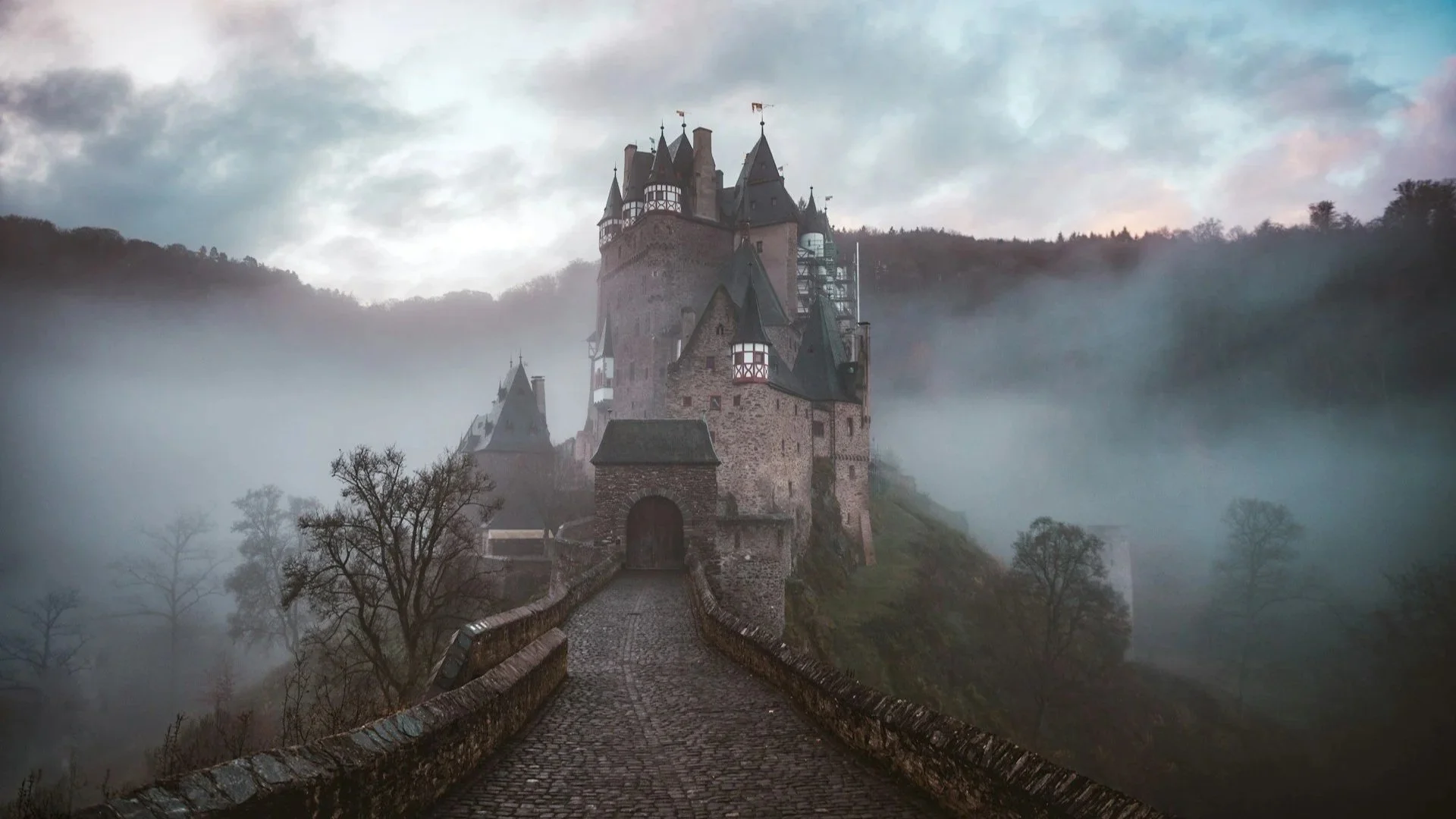
Photo by Cederic Vandenberghe
Dreaming of fairy-tale turrets, cobbled streets and cozy beer gardens? In 2026 Germany offers a rare calendar of living-history moments—from Neuschwanstein’s iconic tours to Rothenburg’s medieval pageantry and the once-in-a-century Bauhaus Dessau program. You can capture all of this, but you’ll need a plan: timed tickets, roadworks, festival peaks and evolving border rules all shape the best itineraries this year.
Why 2026 is special (and why your timing matters)
2026 is a standout year for travelers who love living history and design. The Bauhaus Dessau centennial programs open on March 28, 2026, while Rothenburg’s biggest street theater and torch-procession festivals bookend the high season. At the same time, Neuschwanstein continues its strict timed-entry model and will show restoration work “during operation.” That mix—high-profile anniversaries plus strict ticketing and real-world roadworks—reward travelers who plan early and plan smart.
Practical planning checklist for your 2026 trip
Tickets & timed entry
Neuschwanstein: Book official tickets well in advance. Admission fees posted for 2026 are €21 (regular) and €20 (reduced). Expect guided/timed visits to sell out in peak months and watch official channels for the best availability.
Bauhaus Dessau: Centennial exhibitions open March 28, 2026. Note that Stiftung Bauhaus Dessau has a ticketing and price-change window from March 28 — plan group visits and check prices before purchasing.
Rothenburg events: If you want to attend live festivals, block these dates now:
Der Meistertrunk: 22–25 May 2026
Reichsstadt-Festtage: 04–06 September 2026
Reiterlesmarkt (Christmas market): 20 November–23 December 2026
Transport and access
Füssen / Neuschwanstein roadworks: The König-Ludwig Bridge (B16) in Füssen has a one-way closure from Monday, May 4, 2026 until approximately early August. Plan extra time for travel to/from Hohenschwangau, consider earlier departures or an overnight stay near Füssen to reduce stress.
Public transport pricing: Germany’s service sector prices rose faster than headline inflation in early 2026 and the Deutschlandticket has changed—re-check current regional ticket prices and factor that into day-trip math.
Borders & entry admin: EES is fully operational April 2026 and may create longer processing times during biometric enrollment; ETIAS is expected in Q4 2026 — verify requirements before finalizing international bookings.
On-site expectations
Restoration and scaffolding: Neuschwanstein is undergoing restoration while operating. Scaffolding may be visible and some viewing areas or paths could be altered.
Gemütlichkeit in practice: Seek out beer gardens and festival squares for the local “coziness + belonging” experience. In Bavaria, many traditional beer gardens allow you to bring your own food while purchasing drinks on-site—perfect for relaxed, intergenerational people-watching.
Sample 7–10 day itinerary ideas (2026-savvy)
Option A — Classic castles + alpine base (best for first-time visitors)
Days 1–2: Munich arrival, acclimatize with a beer-garden evening (bring a picnic if rules allow).
Day 3: Day trip to Neuschwanstein — pre-book timed-entry; plan for possible delays during May–Aug B16 works.
Days 4–7: Head west to Rothenburg ob der Tauber — take advantage of medieval pageantry if your dates overlap with May or September festivals.
Option B — Design + heritage deep dive (for architecture lovers)
Days 1–3: Dessau to tour the Bauhaus Dessau centennial exhibitions (from March 28, 2026) and join special festival events if traveling in early September.
Days 4–7: Combine with historic towns (Wittenberg, Weimar or Rothenburg) for a mix of modernist and medieval narratives.
Budgeting tips and traveler empathy
We know planning can feel overwhelming—especially in a year with special programming and shifting rules. Practical money tips:
Expect higher service costs: factor an extra buffer for guided tours, meals and local services in 2026 (official stats show services rising faster than headline inflation).
Re-check public-transport options: regional ticket prices and the Deutschlandticket have changed; running a few quick price checks before booking saves surprises.
Use official ticket channels for high-demand sites and consider refundable or changeable bookings when possible.
Timing your visit around crowds and collisions
Early September 2026 is both a risk and an opportunity: Rothenburg’s Reichsstadt-Festtage (04–06 Sep) and Bauhausfest (Dessau, 4–6 Sep) overlap — great if you want festivalized architecture and living history in the same trip, but plan logistics early because regional travel and accommodation will be in high demand.
Winter visits? Rothenburg’s Reiterlesmarkt runs 20 Nov–23 Dec 2026. The town transforms into a storybook winter market, but expect smaller opening windows and higher evening crowds—book restaurants and accommodations ahead of time.
Safety, accessibility and final logistics
Border waits: allow extra time for arrival/departure processing in 2026 due to EES biometric enrollment in April and monitor ETIAS implementation expected in Q4.
Accessibility: many historic sites have limited access; check site-specific accessibility info and tour options when booking.
Quick checklist before you go
Secure Neuschwanstein and Bauhaus Dessau tickets through official channels.
Block festival dates if you want to attend Rothenburg’s events.
Verify regional transport pricing and connection times around B16 works (May 4–early Aug 2026).
Build a modest budget buffer for services and guided experiences.
Germany in 2026 offers an unmatched blend of fairy-tale architecture, medieval living history and once-in-a-century design programming—but getting the most out of it requires intentional planning. If you want to weave Neuschwanstein’s magic, Rothenburg’s pageantry and Bauhaus Dessau’s centennial into a seamless trip without the stress, contact Go Beyond Travel for a personalized consultation. Our specialists will secure timed tickets, route around the May–August Füssen roadworks, time your visit for the right festivals and tailor a budget-conscious plan for your travel dates.
#GermanHistory #CastlesOfEurope #Bauhaus #Gemütlichkeit #CulturalTravel
📦 Key Takeaways
Book high-demand sites early: Neuschwanstein runs timed-entry visits (Admission 2026: €21 regular / €20 reduced) and peak-month sell-outs are likely.
Plan around concrete 2026 logistics: König-Ludwig Bridge (B16) one-way closure in Füssen from May 4, 2026 until approx. early August — expect delays for day-trippers.
Rothenburg festival dates to slot in: Der Meistertrunk (22–25 May 2026), Reichsstadt-Festtage (04–06 Sep 2026) and Reiterlesmarkt (20 Nov–23 Dec 2026).
Bauhaus Dessau centennial opens March 28, 2026 with major exhibitions and Bauhausfest (4–6 Sep 2026) — expect special ticketing and price windows from March 28.
Border and admin changes in 2026: EES fully operational April 2026 (possible border delays); ETIAS is anticipated in Q4 2026 — monitor before travel.
Budget realistically: services and transport prices rose in early 2026—re-check regional public-transport ticketing (Deutschlandticket changes) and factor higher service costs.
Experience Gemütlichkeit: beer gardens and festival squares are true community hubs — in many Bavarian beer gardens you may bring your own food, reinforcing a relaxed, social vibe.
