
The One-Bag Train Hopper: Light Packing Tips for Rail Travel
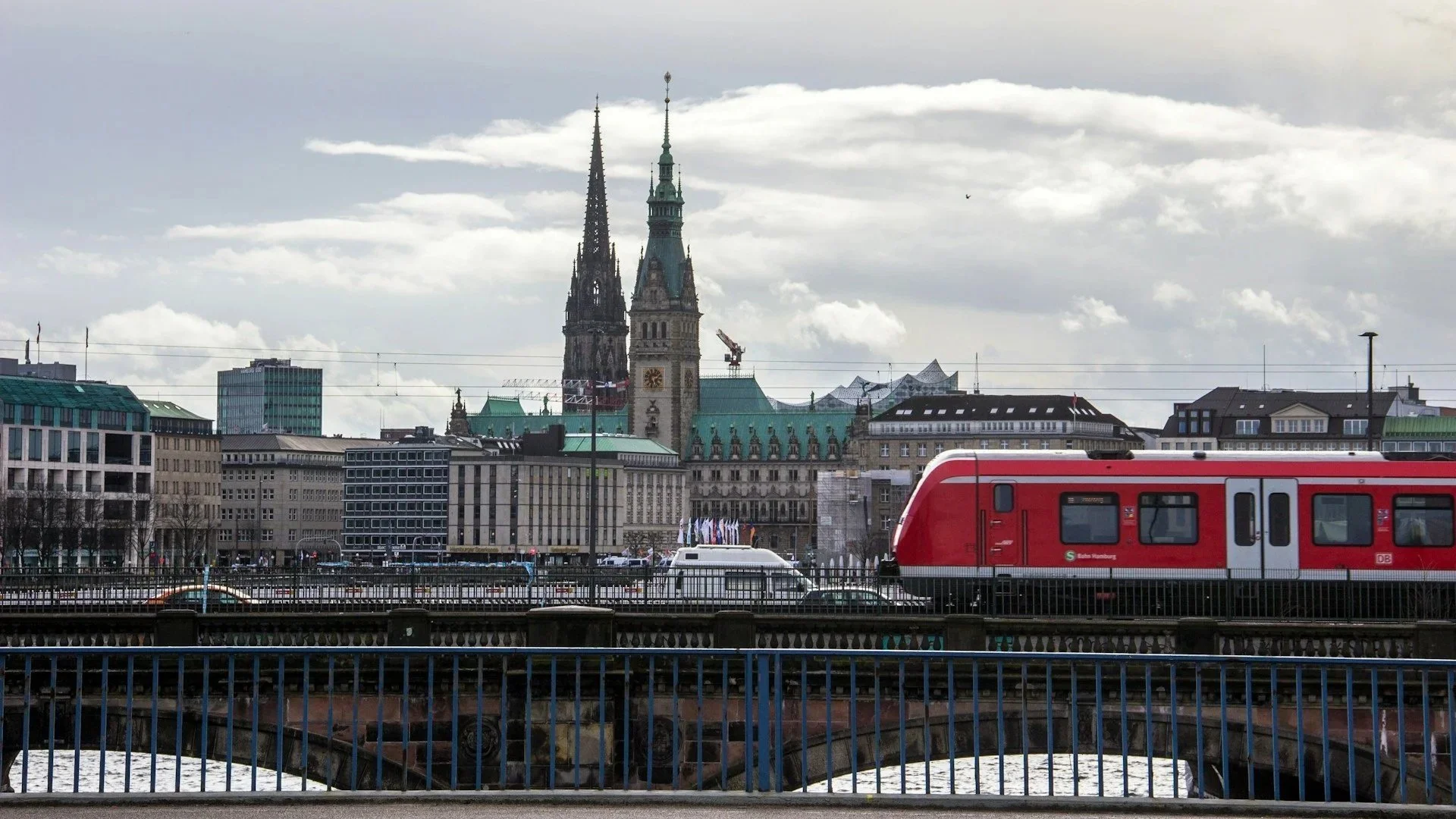
Photo by Philippe Oursel
Want to hop between European cities by train without dragging a second suitcase through stations and stairwells? In 2026, efficient, one-bag packing is the single best way to move fast, stay flexible, and enjoy your itinerary — especially as border checks and digital entry requirements shift. Read on for practical, rail-tested strategies that keep your load light, your valuables safe, and your travel stress-free.
Why one-bag travel works best for trains
Trains are not flights. You carry your own luggage on and off platforms, up and down stairs, and into storage racks. Eurostar makes this explicit: there’s no weight limit, but you must be able to transport your bags safely and stow them in designated areas. That means the number-one rule for rail travel in 2026 is pack light enough to lift comfortably.
Seat61 — the go-to practical guide for train travelers — points out that overhead racks generally take small and medium items up to backpack-sized. Larger suitcases are usually stored near doors or in end-of-carriage racks. Translate that into action: a bag you can lift into an overhead rack or place in an end rack without help will save you time and stress.
2026 border changes and why they matter for packing
ETIAS: Planned to start operating in the last quarter of 2026 for visa-free travelers entering 30 European countries. You may need to manage an additional digital entry authorization alongside your rail tickets.
EES: The Entry/Exit System rollout began in October 2025 and airline obligations to query travelers took effect in April 2026. Rail passengers aren’t the primary focus of those airline queries, but this is a signal: 2026 is a period of increased border and ID formality.
Practical takeaway: keep travel documents — passport, rail passes, ETIAS authorization (when applicable) — accessible and backed up digitally. Keep the originals or a printed copy safe, and carry an e-copy on your phone.
Bag choice: what to bring and why
Best bag types for train-hopping
Sturdy wheeled backpack: the best compromise for many rail travelers. Offers carry straps for stairs and wheels for flat platforms.
Lightweight carry-on suitcase: if you prefer structured packing, choose one you can lift into an overhead rack or slide into an end-of-carriage space by yourself.
Daypack (small): keep this on you at all times for valuables and immediate essentials.
Size guidance you can rely on
Eurostar publishes per-piece length limits: up to 85 cm on London routes and 75 cm on other routes. Using 75 cm as your maximum per piece keeps you safe and flexible across most services.
Overhead racks are typically for small/medium bags (backpack-sized). If you plan to use overhead racks, choose a bag that fits those dimensions and that you can lift above your head.
Packing system: minimalist, modular, and repeatable
The capsule approach
Build an interchangeable wardrobe of neutral basics you can layer: lightweight base layers, a mid-layer, a packable jacket, one pair of versatile trousers, and 1–2 pairs of shoes (comfortable walking pair + one compact dress/casual pair).
Rewear core items and plan for laundry every 4–7 days. Many European cities offer affordable laundromats or hotel laundry services.
Item checklist (one-bag friendly)
Core clothing: 3–5 tops (mix-and-match), 2 bottoms, 1 packable jacket, underwear and socks for 4–7 days.
Shoes: 1 comfortable walking shoe, 1 compact secondary shoe.
Toiletries: travel-sized or solid options in a lightweight pouch.
Tech and docs: phone, charger, power bank, e-copies of passport and rail tickets, physical passport in secure pocket.
Security: small lock, RFID card sleeve if you prefer, and a lightweight daypack for valuables.
Security and document strategy
Keep your passport, phone, tickets, and any required entry authorizations in a daypack on your person—not in a large bag stowed away. Seat61 emphasizes this to reduce theft risk and avoid scrambling at borders.
Keep e-copies of rail passes and entry authorizations on your phone and in cloud storage. Given ETIAS launching in late 2026 and increased ID formality from EES rollout, quick access to digital documents will save time at borders.
Handling luggage on the move
Practice lifting your packed bag at home so you know you can manage stairs and platform steps.
Store small items on overhead racks and put larger items in the end-of-carriage racks when available. If you’re switching trains with tight connection times, keep essentials with you so you can move quickly.
Label your bag clearly and use a distinctive strap or tag so you can spot it easily in crowded storage areas.
Extra tips to reduce friction
Travel with a slim packing cube system to compress clothing and keep items accessible.
Schedule laundry mid-trip to keep your packing footprint small.
If you expect to cross many borders or need ETIAS, print a backup of confirmations and keep them in your daypack in case of temporary phone loss or connectivity issues.
Sample one-bag itinerary strategy
Short hops (2–4 nights per city): pack lighter (3 tops, 2 bottoms), rely on washing facilities mid-trip.
Longer stays or mixed-weather trips: add one more layer and one more pair of versatile pants; prioritize quick-dry fabrics.
These simple choices make train connections, platform transfers, and overnight stays infinitely easier and more enjoyable.
Train travel in Europe is more accessible than ever — if you plan your luggage around mobility, safety, and changing border procedures in 2026. Choose a bag you can lift, keep valuables on your person, stay under the practical size benchmarks (75 cm to be safe), and build a capsule wardrobe that supports laundry and rewearing. If the thought of trimming your gear still feels overwhelming, we can help. Travel light and stress-free. Message the Go Beyond Travel team for a personalized consultation and our ultimate minimalist packing checklist — and read our other posts for more luggage and transit hacks!
#PackingHacks #CarryOnOnly #TrainTravel #MinimalistTravel #SmartTravel
📦 Key Takeaways
Choose a bag you can lift and carry yourself — overhead racks fit small/medium items; large suitcases go in end-of-carriage racks.
Pack to rail-friendly size limits: keep each piece under 75 cm to be safe across European routes (Eurostar allows up to 85 cm on London routes).
Keep valuables and travel documents in a small daypack on your person and keep digital copies handy for ETIAS/EES-era border checks.
Use interchangeable layers, rewear basics, and plan laundry to keep packing minimal for variable weather between cities.
A sturdy wheeled backpack or lightweight carry-on is often the best compromise for trains — easy to lift, roll, and store.
