
Living Traditions: Uncovering Samoa’s Fa'a Samoa and Ancient Heritage
Original photo by Jesus Vidal
Imagine stepping into a place where a 3,000-year cultural current still shapes daily life — where village councils, hand-tapped tattoos, and storytelling dance move at the heart of identity. In 2026 Samoa offers just that: living traditions, a freshly rebranded national festival, and heritage sites that link you to both ancient Polynesia and colonial-era travelers. If you crave meaningful cultural travel, this is your season to plan carefully and respectfully.
Why Samoa in 2026 feels different — and essential
Samoa is not a museum of traditions; it’s a place where culture is lived. Institutions describe Fa’a Samoa as the foundation of one of Polynesia’s oldest continuous cultural traditions, often traced back some 3,000 years. That depth matters — you aren’t watching a staged past, you’re entering a social system where family obligations, chiefly councils, and respect for elders shape daily life.
This year there’s an added reason to visit: Samoa’s flagship cultural festival has been rebranded. The long-running Teuila Festival returns in 2026 as the Measina Festival (30 August–5 September 2026), concentrating a week of performances, competitions, crafts and sports in Apia. For cultural travelers, late August–early September is a powerful window to see Fa’a Samoa in motion.
Quick primer: Fa’a Samoa in practice
Aiga (extended family): The central unit of belonging and responsibility. Travel respectfully — village life prioritizes shared obligations over individual experience.
Fa’aaloalo (respect): Shown especially toward elders. Elders are knowledge-keepers and key decision-makers in family and village life.
Matai system: Chiefs (matai) lead families, manage communal lands and represent their aiga at the fono (village council). Matai leadership is framed as service, not title alone.
These elements shape how you interact in villages, attend events, or book a homestay.
Living arts you’ll encounter
🟧 Tatau (traditional tattoo)
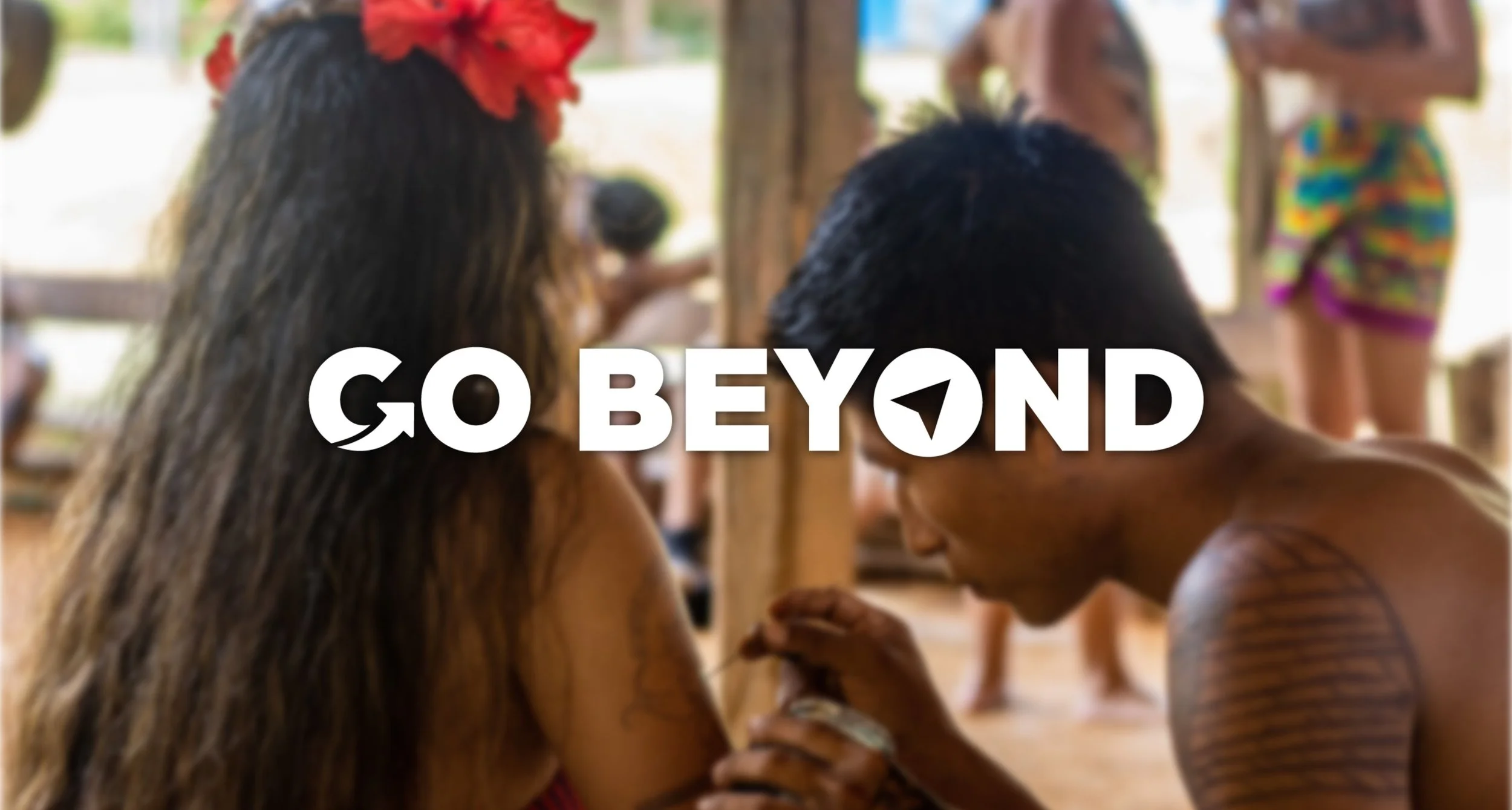
Tatau is a hand-tapped practice performed by specialist tufuga ta tatau. The pe’a (for men) and malu (for women) are culturally framed as duties and marks of belonging — not just decoration. If you meet a tattoo practitioner, approach with sensitivity: ask about cultural protocols and never assume the practice is appropriate for casual tourists.
🟧 Siva and other dance forms
Siva Samoa is described as a graceful, slow storytelling dance. Other forms (fa’atupati, siva afi) bring different energies — from clapping dances to fire performances. Dance competitions are a festival highlight and an accessible, respectful way to witness stories expressed through movement.
Measina Festival 2026 — what to expect and how to plan
Dates: 30 August–5 September 2026 (Apia). This rebrand makes 2026 an especially timely season for cultural travel.
What you’ll find: week-long dance and music competitions, craft exhibitions, local sporting events and community celebrations.
Tips: Book Apia accommodation well in advance; popular hotels and village-based experiences fill during festival week. If you want prime seats for dance competitions, reserve through trusted local operators or your accommodation.
Practical travel planning for 2026

Best time to visit
Peak dry season: May–October (June–October frequently cited as peak dry).
Higher cyclone risk: November–April (with Dec–Apr particularly noted).
Shoulder seasons: April–May and October–November for fewer crowds and potential value.
Pairing the Measina Festival with the dry season gives you cultural intensity plus better weather.
Entry & immigration (2026 framing — verify close to travel)
A 2026-reviewed checklist aligns with standard Samoa Immigration expectations many travelers meet:

Passport validity commonly expected: about 6 months
Onward/return ticket
Accommodation/contact address in Samoa
Evidence of sufficient funds
Many nationalities receive a visitor permit on arrival (often up to 90 days), subject to eligibility
Best practice: confirm requirements against official Samoa government/immigration resources very close to your departure date, since policies can change.
Visiting Villa Vailima (Robert Louis Stevenson Museum)
Villa Vailima is an important historic stop near Apia — Robert Louis Stevenson’s former residence and museum. Recent 2026 reporting indicates the museum has faced operational and financial pressures, which can affect opening hours, special events, and commemorations. Always verify museum hours and whether guided tours are running before you go.
How to be a respectful cultural traveler
Ask before photographing individuals, especially in village settings or during tatau ceremonies.
Observe dress norms: modest clothing is usually appreciated when visiting villages and churches.
Learn a few Samoan greetings; showing effort goes a long way.
If offered a village homestay or matai-guided experience, follow local leadership and ask about appropriate behaviors.
Sample short itinerary (7–10 days)
Days 1–2: Arrive Apia, settle in, visit local markets and museums (verify Villa Vailima hours).
Days 3–5: Time your stay for festival events (if visiting 30 Aug–5 Sep 2026), reserve tickets for dance/music competitions.
Days 6–8: Village stay or guided cultural tour to learn about matai roles, tatau traditions, and siva.
Optional extension: Explore natural sites on Upolu or cross to Savai’i for more remote village experiences.
Final practical tips
Book festival-week accommodation and local cultural experiences early for 2026.
Confirm official entry requirements before you travel and carry printed copies of key documents.
Travel insurance that covers cyclone disruption is wise if your dates fall near Samoa’s wet season.
Samoa rewards travelers who arrive curious, patient and respectful. Its living culture — from the matai council to the rhythm of siva and the permanence of tatau — offers a rare depth of encounter that feels both ancient and immediate.
Samoa in 2026 gives you a chance to witness Fa’a Samoa alive: a society where family, respect and art are daily practice, not museum pieces. The Measina Festival (30 Aug–5 Sep 2026) offers a concentrated week of music, dance and craft that’s ideal for cultural travelers — but thoughtful planning and local sensitivity make the difference between observing and belonging. If you’re ready to experience living Polynesian culture and historic traditions firsthand, contact Go Beyond Travel for a personalized consultation.
#SamoanCulture #Tatau #SivaSamoa #PolynesianHeritage #CulturalTravel
📦 Key Takeaways
Fa'a Samoa (the Samoan way) is a living social system rooted in aiga (extended family), fa’aaloalo (respect), and the matai chiefly system — traditions stretching back ~3,000 years.
Measina Festival (formerly Teuila) runs 30 Aug–5 Sep 2026 in Apia — a prime week to witness dance, music, crafts and sporting events.
Plan for Samoa’s dry season (May–October) for the best weather; avoid Dec–Apr for higher cyclone risk.
Most visitors should verify 2026 entry rules: passport validity (~6 months), onward ticket, accommodation address and funds; many nationalities receive visitor permits on arrival.
Villa Vailima (Robert Louis Stevenson Museum) may have irregular hours in 2026 — confirm opening times before visiting.
