
The Classic Imperial Circuit: How to Visit 3 European Capitals in 10 Days
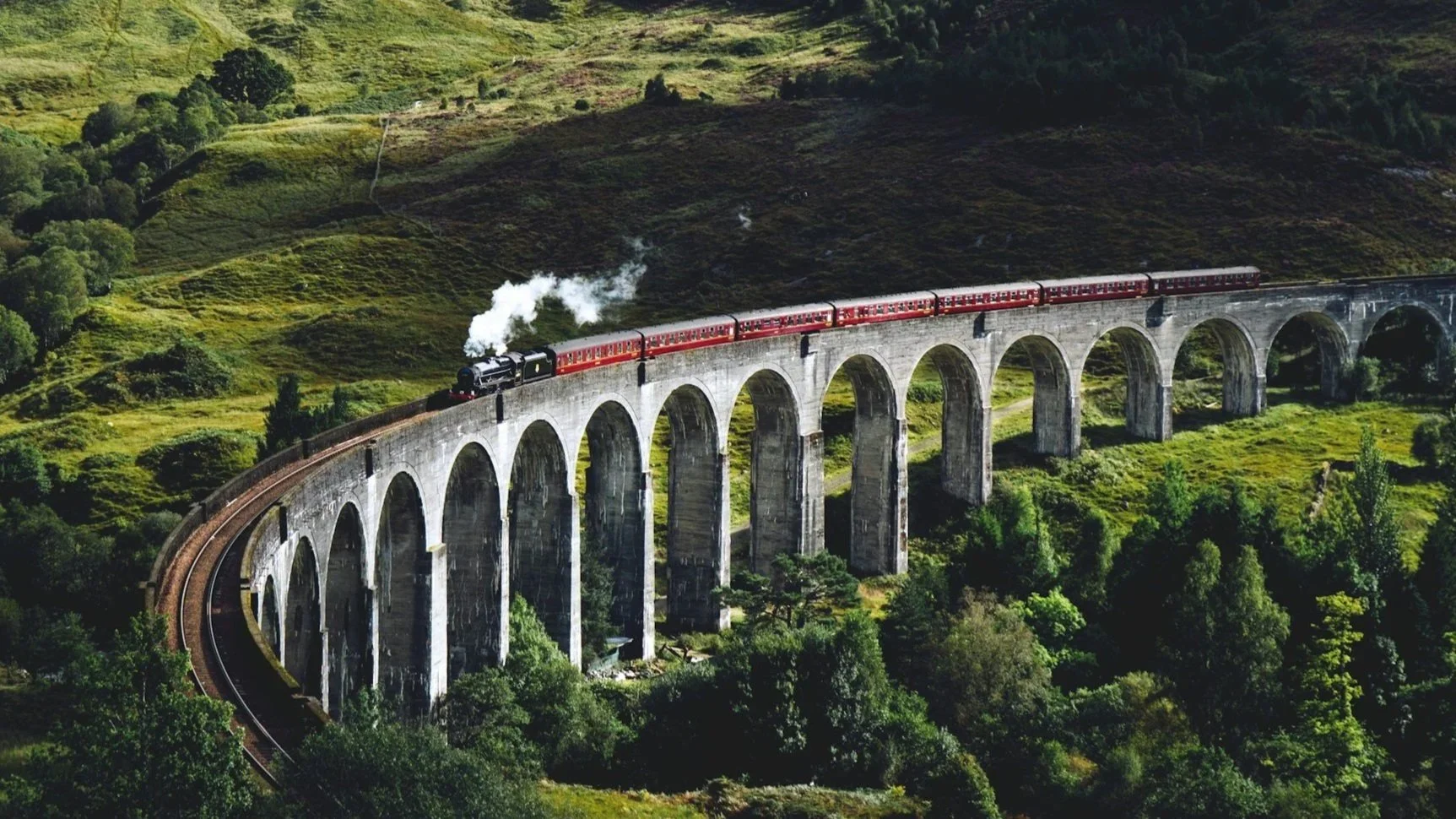
Photo by Jack Anstey
Imagine stepping off a comfortable daytime train into the heart of a European capital every morning—no airports, no rental cars, just city-center stations and centuries of culture at your feet. If you want a relaxed, richly layered 10-day trip through Central Europe, this Prague–Vienna–Budapest rail triangle delivers. This guide is built for 2026 travel: practical routing, festival timing, border changes to watch, and booking tips that keep your trip smooth and stress-free.
Why this route works for you in 2026
This is a true “no-flight, no-car” triangle: Prague (hl.n.), Vienna (Wien Hbf) and Budapest (Keleti/Nyugati) are linked by frequent international trains that deliver you right into each city center.
The daytime hops are short enough to keep mornings relaxed and afternoons free for sightseeing or a lazy coffee in a historic square.
Quick rail facts (what to expect on the platforms)
📍 Prague ↔ Vienna
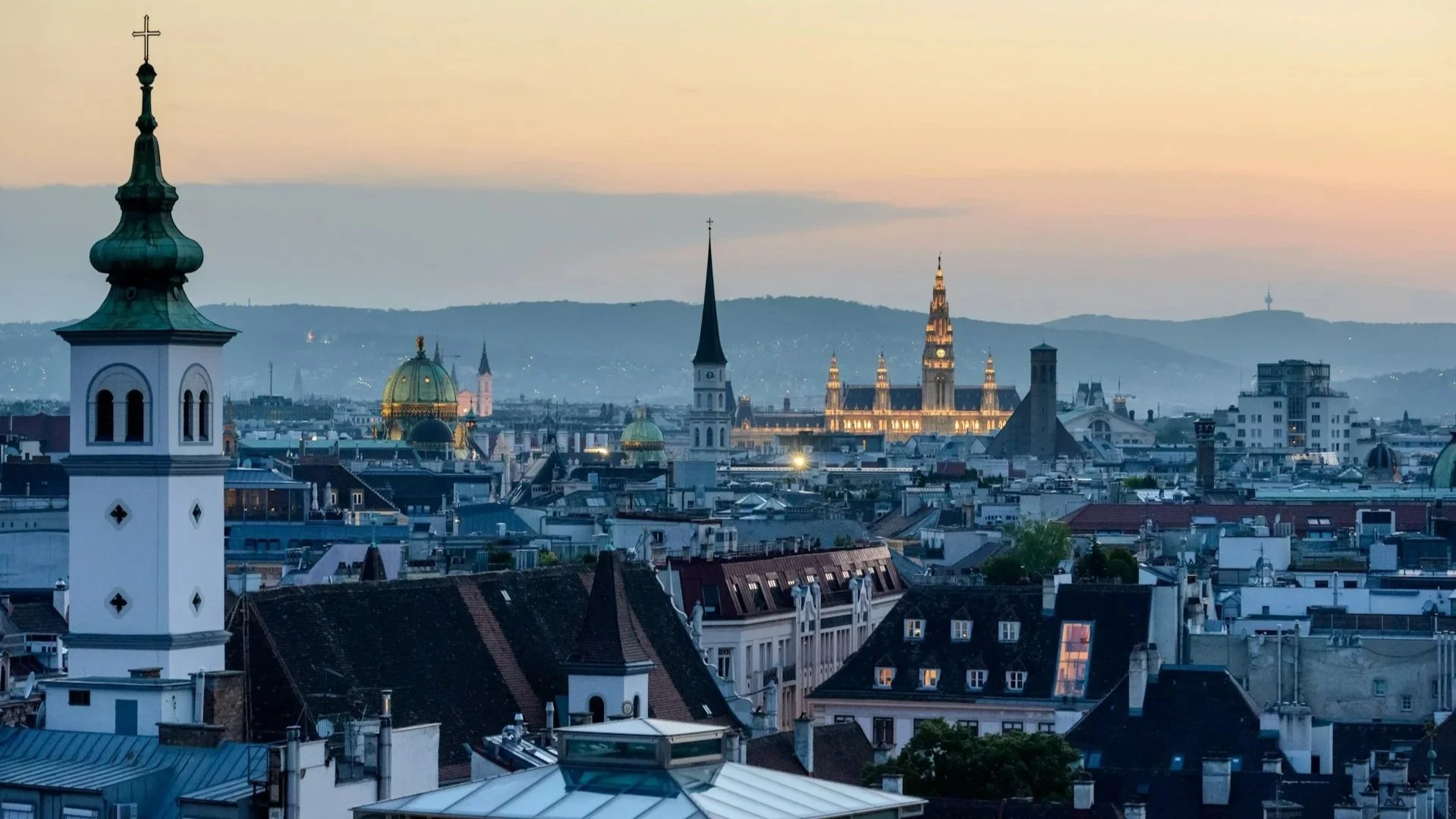
Photo by Jacek Dylag
Services: ÖBB/ČD Railjet and RegioJet competition.
Typical journey time: ~4 hours (often around 4h10).
Frequency: Railjet roughly every 2 hours; RegioJet adds several daily departures.
Reservations: Optional on Railjet (recommended at peak times); RegioJet includes a seat assignment.
📍 Vienna ↔ Budapest
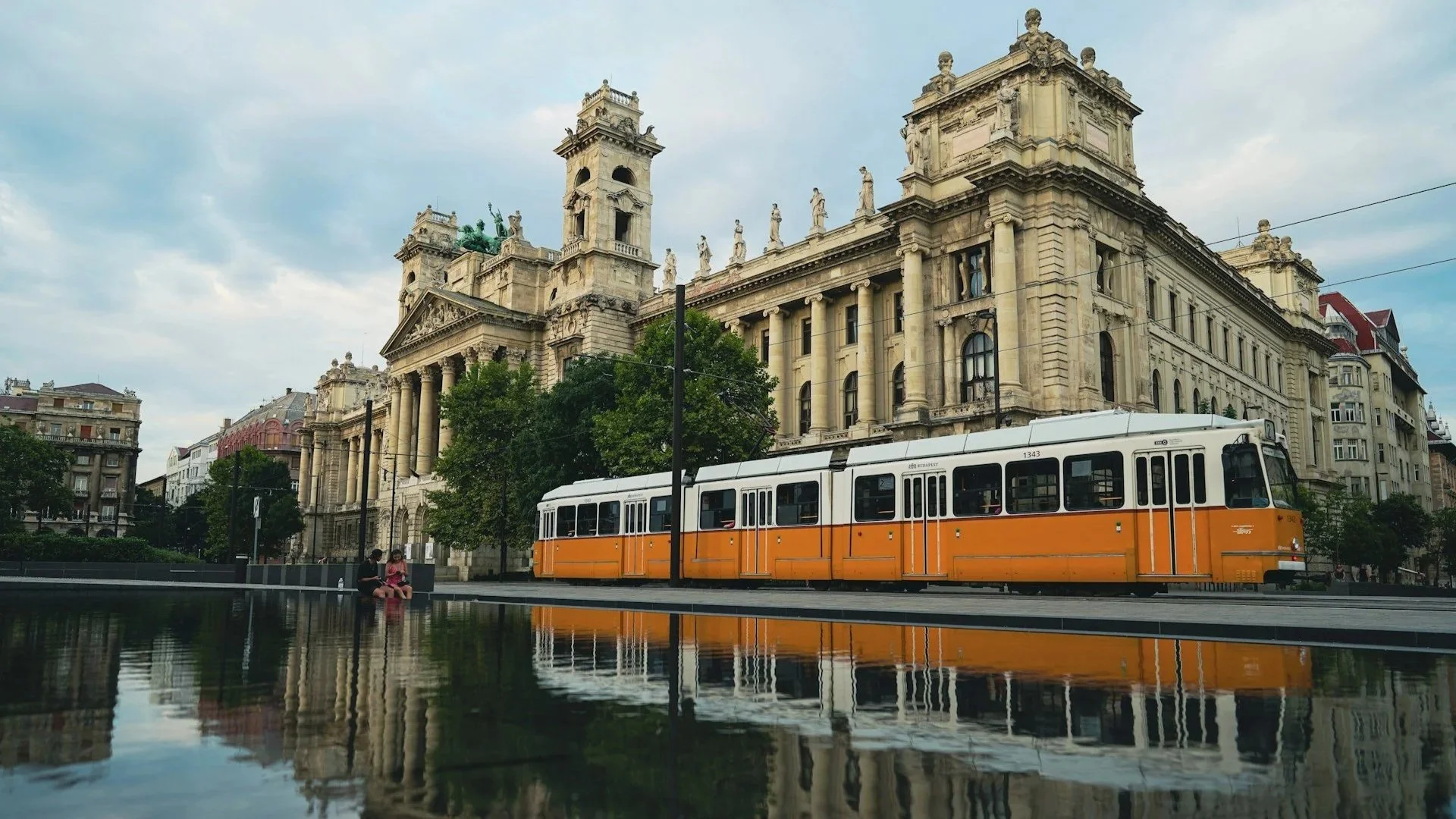
Photo by Illia Panasenko
Services: Frequent Railjet (RJ/RJX) and EuroCity services, plus some RegioJet trains.
Typical journey time: ~2h30–2h40.
Frequency: about hourly through most of the day.
Reservations: Typically optional (small fee if you want to lock a seat); advisable on busy summer weekends or holidays.
📍 Prague ↔ Budapest (overnight option)
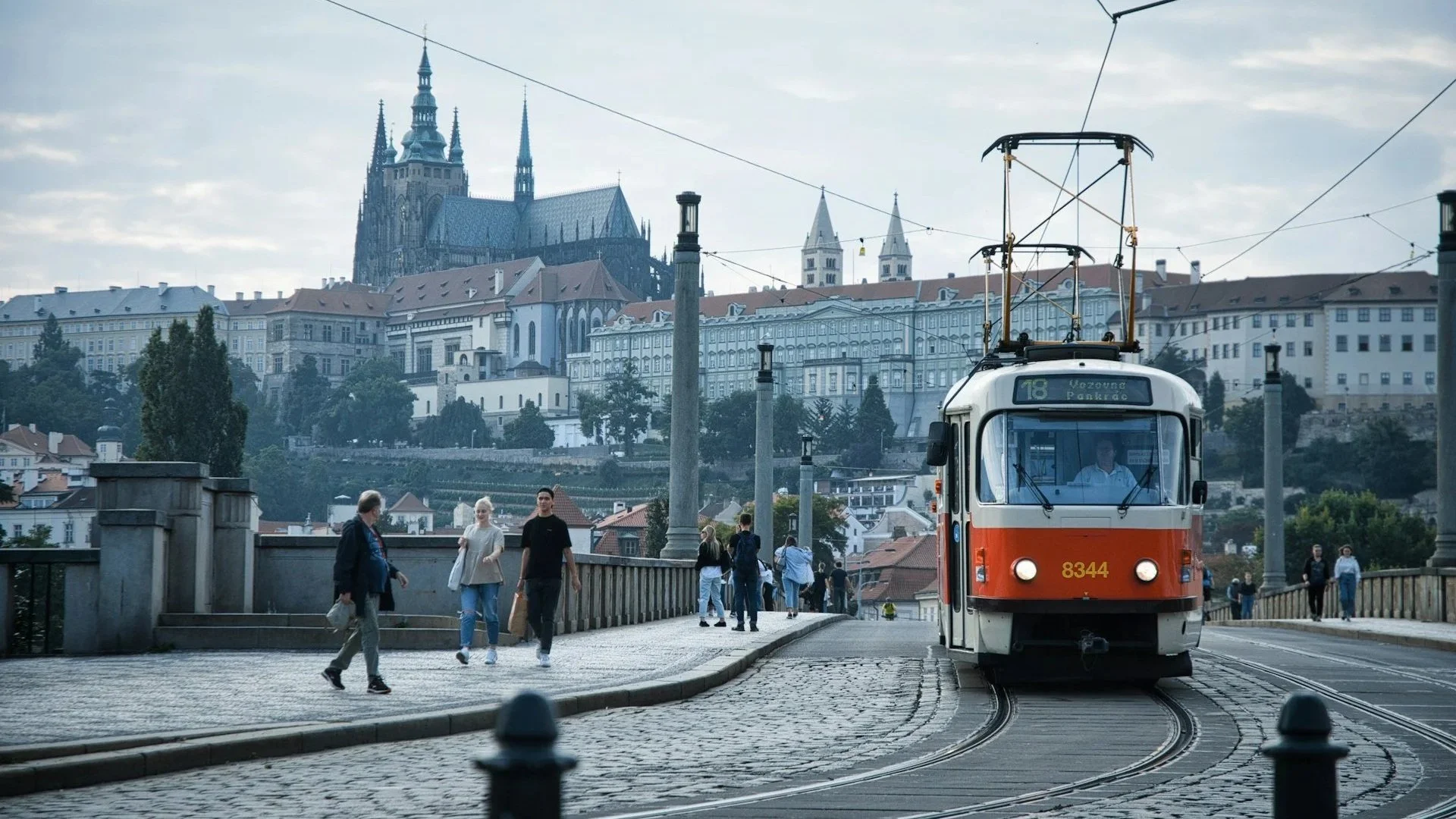
Photo by Paws and Prints
The EuroNight “Metropol” links Budapest–Bratislava–Brno–Prague with sleepers/couchettes.
Use it to change the order of your loop or to save a hotel night—book sleepers/couchettes early for summer demand.
10-day sample itinerary (relaxed pace)
Day 1–3: Prague (3 nights)
Discover Old Town, Prague Castle, and try a river cruise or a contemporary-circus show if your visit overlaps Letní Letná (Aug 12–31, 2026 listings).
Day 4: Rail to Vienna (~4 hours). Afternoon stroll on the Ring and an evening concert (1 night transfer day).
Day 5–6: Vienna (2 full nights)
Museums, palaces, coffee houses—add a classical concert or seasonal outdoor festival depending on dates.
Day 7: Rail to Budapest (~2h30). Evening along the Danube.
Day 8–9: Budapest (2 full nights)
Thermal baths, Buda Castle, ruin bars. If you're visiting in August, Sziget Festival is often scheduled in August—confirm dates before booking.
Day 10: Depart from Budapest or use an overnight Metropol earlier in the trip to swap city order or save a night.
(You can easily flip this pattern—Prague→Budapest→Vienna—by using the overnight Metropol or reversing daytime connections.)
Timing, events, and pricing in 2026
Seasonality: Peak travel months (June–August and Advent/Christmas markets) bring the highest accommodation rates and fullest trains. Shoulder seasons—April–June and September–October—offer the best balance of weather, crowds, and value for 2026.
Festivals: Letní Letná in Prague is listed Aug 12–31, 2026. Sziget in Budapest is widely promoted for August 2026; confirm exact dates on official festival sites when they publish.
Hotels: Industry forecasts identify Prague as a stronger-growth leisure market in 2026; Budapest may see rate pressure from added supply. That can affect where you’ll find value—book flexible rates if your dates align with major events.
COVID-era legacy & 2026 border/entry changes you must know

Schengen internal borders: Czechia, Austria, and Hungary are in Schengen—routine passport control is unlikely on the trains, but occasional spot checks or temporary internal controls can still happen. Always carry ID.
EES (Entry/Exit System): Planned full operation by April 2026. This introduces biometric registration at Schengen external borders and may produce longer arrival queues during the early rollout—plan extra time for airport/land border crossings on arrival to Europe.
ETIAS: Expected in late 2026 (exact launch still pending). If your trip is in early or mid-2026 you likely won't need ETIAS yet; for late-2026 travel, check whether your nationality requires the online pre-travel authorization and apply in advance.
Practical booking tips
Buy point-to-point tickets on ÖBB/ČD for Railjet or on RegioJet for their services. For specific route guidance and timetables, resources like Seat61 are excellent starting points.
Seat reservations: Optional on most daytime Railjet services; reserve during summer weekends, holiday periods, or anytime you want the security of an assigned seat. RegioJet includes seat assignments.
Overnight sleepers/couchettes on EuroNight Metropol: book early—these sell out in summer.
Luggage: Trains in this triangle are comfortable for standard luggage; no need to ship bags.
Passes: A point-to-point approach is often just as economical as a pass for this short triangle, but if you plan day trips beyond these cities, evaluate multi-day rail passes carefully.
Packing & mobility pointers
Pack layers—spring and autumn can be cool in the mornings and evenings.
Comfortable shoes for cobbled streets and hills (Prague & Buda).
Keep digital and printed copies of passport/ID and travel documents; carry them when traveling between cities in case of spot checks.
When to call in expert help (where Go Beyond Travel adds value)
⭐ Complex dates during festival season (Sziget, Letní Letná, Vienna events) where hotels sell out quickly.
⭐ If you want to include the overnight Metropol with sleeper cabins and need help securing early reservations.
⭐ When your travel dates fall near the EES rollout (April 2026) or late-2026 ETIAS launch window and you want a checklist to avoid surprises.
Useful planning resources
Practical train routing and timetables: Seat61 guides for Prague–Vienna, Vienna–Budapest, and Prague–Budapest.
Entry/authorization updates: Georgetown global services overview of EES/ETIAS timing and the Czech Ministry's ETIAS info.
Events: Prague city listings for summer 2026 programming.
Hotel market context and forecasts: industry outlooks on hotel markets for 2026.
A Prague–Vienna–Budapest rail circuit is one of Europe’s most satisfying short-trip experiences: efficient, scenic, and full of history and modern culture every day. You don’t need to be an expert to pull off a perfect 10-day loop, but a few timing and booking decisions (reservations on peak Railjets, early sleepers for EuroNight, and watching the EES/ETIAS timing) will make the difference between a stressful trip and a seamless one. Ready to trace the ultimate Central European rail route? Contact Go Beyond Travel for a personalized consultation—our agents will secure your multi-city train passes, hand-picked hotels, and local tours so you can focus on the journey.
#EuropeByRail #Prague #Vienna #Budapest #TravelItinerary #MultiCountryTrip
https://www.seat61.com/trains-and-routes/prague-to-vienna-by-train.htm
https://www.seat61.com/trains-and-routes/vienna-to-budapest-by-train.htm
https://www.seat61.com/trains-and-routes/prague-to-budapest-by-train.htm
https://globalservices.georgetown.edu/gps/travelresources/outboundvisas/update-eu-ees-etias
https://mzv.gov.cz/washington/en/consular_information/etias_european_travel_information_and.html
📦 Key Takeaways
All three capitals are connected by frequent city-center trains—no flights or cars required.
Prague↔Vienna: ~4 hours by Railjet or RegioJet; Vienna↔Budapest: ~2h30–2h40 with hourly services.
Expect EES (biometric entry checks) to be fully operational at Schengen external borders from April 2026; ETIAS may arrive in late 2026.
Travel shoulder seasons (April–June, Sept–Oct) for best balance of weather, crowds, and price.
Use the overnight EuroNight Metropol if you want to swap the order of cities or save a hotel night—book sleepers/couchettes early for summer.
