
Mastering the Dutch Way: Essential Tips for Traveling the Netherlands
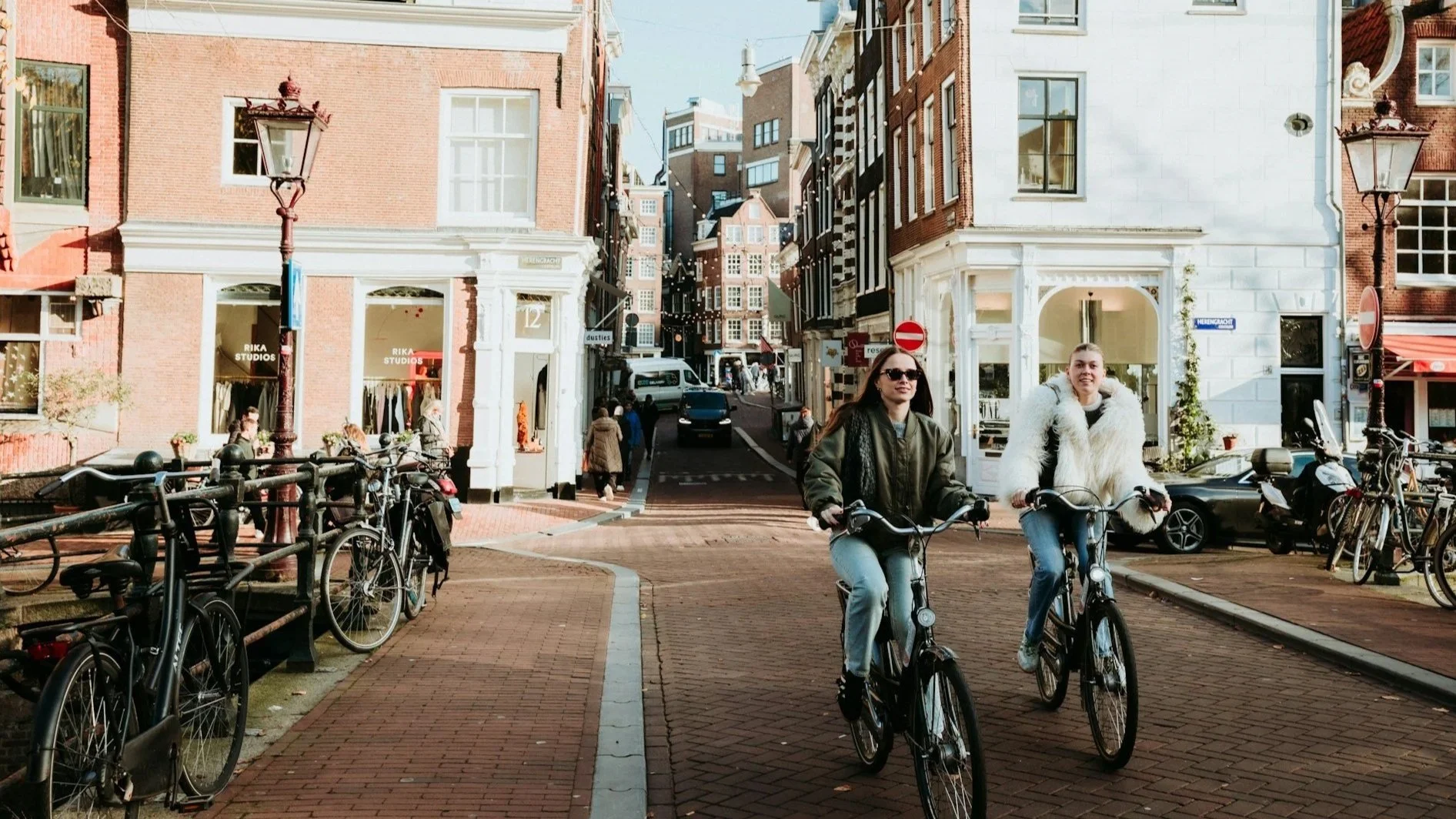
Photo by Negley Stockman
The Netherlands is compact, efficient and endlessly charming—but getting around smoothly in 2026 means knowing a few local rules. Whether you're hopping on an NS intercity, renting a city bike, or relying on contactless payments, these practical tips will save you time, stress and money on your trip.
Before you go: entry rules, payments and planning
✅ Check EU travel authorization updates (ETIAS) and the Entry/Exit System (EES) before you book and again before departure. 2026 is a likely window for new systems or changes — don’t wait until you arrive to discover an extra pre-travel step.
✅ Decide how you'll pay for public transit:
OVpay (contactless) lets you tap in/out with a debit or credit card or mobile wallet and will be increasingly central in 2026.
OV-chipkaart remains useful in some regions or for specific ticket products. Coverage varies by operator, so check your exact routes ahead of time.
Day tickets or tourist passes can still make sense for heavy transit days — compare costs before you commit.

NS trains: how to ride like a local
🗝️ Key habits
Use the official NS trip planner and real-time updates before you leave. Platform changes and planned engineering works can affect journeys — especially on weekends and late evenings.
Allow extra buffer time for airport connections (Schiphol). Even reliable networks have occasional disruptions; aim to build in extra padding for flights.
Be aware of peak-hour crowding. Trains are frequent but can be busy during weekday mornings and afternoons.
🤳 Checking in and out
Tap in and tap out consistently. This applies whether you use an OV-chipkaart, OVpay (bank card) or a mobile wallet.
When you transfer between different operators, the rules for checking in/out can differ. If in doubt, check the operator’s guidance for that leg of your trip so you aren’t overcharged.
⚙️ Planning around works
Look up planned engineering works for the week of your travel, especially on weekends and in summer, and build contingency time into tight itineraries.
Bikes: almost essential — and safety matters
Renting a bike is one of the fastest, most local ways to see Dutch cities, but city cycling is fast, dense and rule-driven. If you’re new to it, take a short practice ride in a quieter area first.
Follow these safety essentials:
Use working bike lights at night; check your rental bike before you head out.
Don’t use your phone while cycling — fines apply and it's dangerous.
Pay attention to cycle lanes and signage; right-of-way rules are strictly observed and can surprise visitors.
Locking is crucial: high bike-theft risk in cities. Use two locks where possible and follow the rental company’s instructions.
Prepare for wind and rain: a heavy rain shower can change riding conditions quickly.
OV-chipkaart vs OVpay vs day tickets: a quick decision checklist
If you prefer zero setup and are staying short-term, try OVpay (tap with your contactless bank card or phone), but confirm coverage on all planned operators.
If you plan many regional trips or will use machines/validators frequently, an OV-chipkaart or preloaded ticket can be handy.
For sightseeing-heavy days with unlimited local travel, compare day tickets or city tourist passes — they can simplify travel and sometimes save money.
Always remember to tap in and out; failure to do so can lead to penalties or unexpected charges.
Practical tips for tipping, packing and weather
Tipping: service is usually included in the bill. The local custom is to round up or leave a small extra for good service — no need for US-style percentages.
Weather: the Dutch sky changes fast. Pack layers, bring a light waterproof jacket (better than a fragile umbrella in wind), and check short-term forecasts before outdoor plans.
Essentials to bring or buy on arrival:
Lightweight waterproof jacket and a warm mid-layer
Comfortable walking shoes and a daypack with a rain cover
A good bike lock (if your rental doesn't include one) or confirm rental locking options
A contactless bank card set up for contactless use, or an OV-chipkaart if your routes need it
Sample day plan (practical rhythm)
🌅 Morning: Check the NS app for any early disruptions, tap in with OVpay or OV-chipkaart, and allow extra time for transfers.
☀️ Midday: Rent a bike for neighborhood exploration; keep valuables locked and use cycle lanes.
🌙 Evening: Use bike lights home; if you have a tight overnight flight, factor in extra transit time to Schiphol for possible platform changes.
Travel planning can feel overwhelming, but a little preparation goes a long way. In 2026, watch for EU border authorization updates, lean into OVpay for contactless convenience (while confirming coverage), plan around NS engineering works, and treat bike rules and weather seriously. Want help tailoring transport, timing and hotels to your exact itinerary? Contact Go Beyond Travel for a personalized consultation — we’ll handle the details so you can enjoy the Netherlands.
#NetherlandsTips #BikingHolland #PublicTransport #TravelAdvice #BudgetTravel
📦 Key Takeaways
Use NS trip planner and real-time updates; expect peak-hour crowding and scheduled engineering works.
Tap in and tap out consistently — OVpay (contactless) is widely accepted, but coverage varies by operator.
Renting a bike is often the fastest way to explore cities, but follow Dutch cycling rules, use lights and lock well.
Pack for changeable weather: layers and a light waterproof jacket beat heavy items.
Tipping is optional; rounding up is the common norm.
Check EU entry-authorizations (ETIAS) and the Entry/Exit System (EES) before you travel in 2026.
Always build buffer time for airport connections, especially at Schiphol.
