
More Than Sun and Sand: Heritage, Festivals, and Community-Led Travel in the Philippines
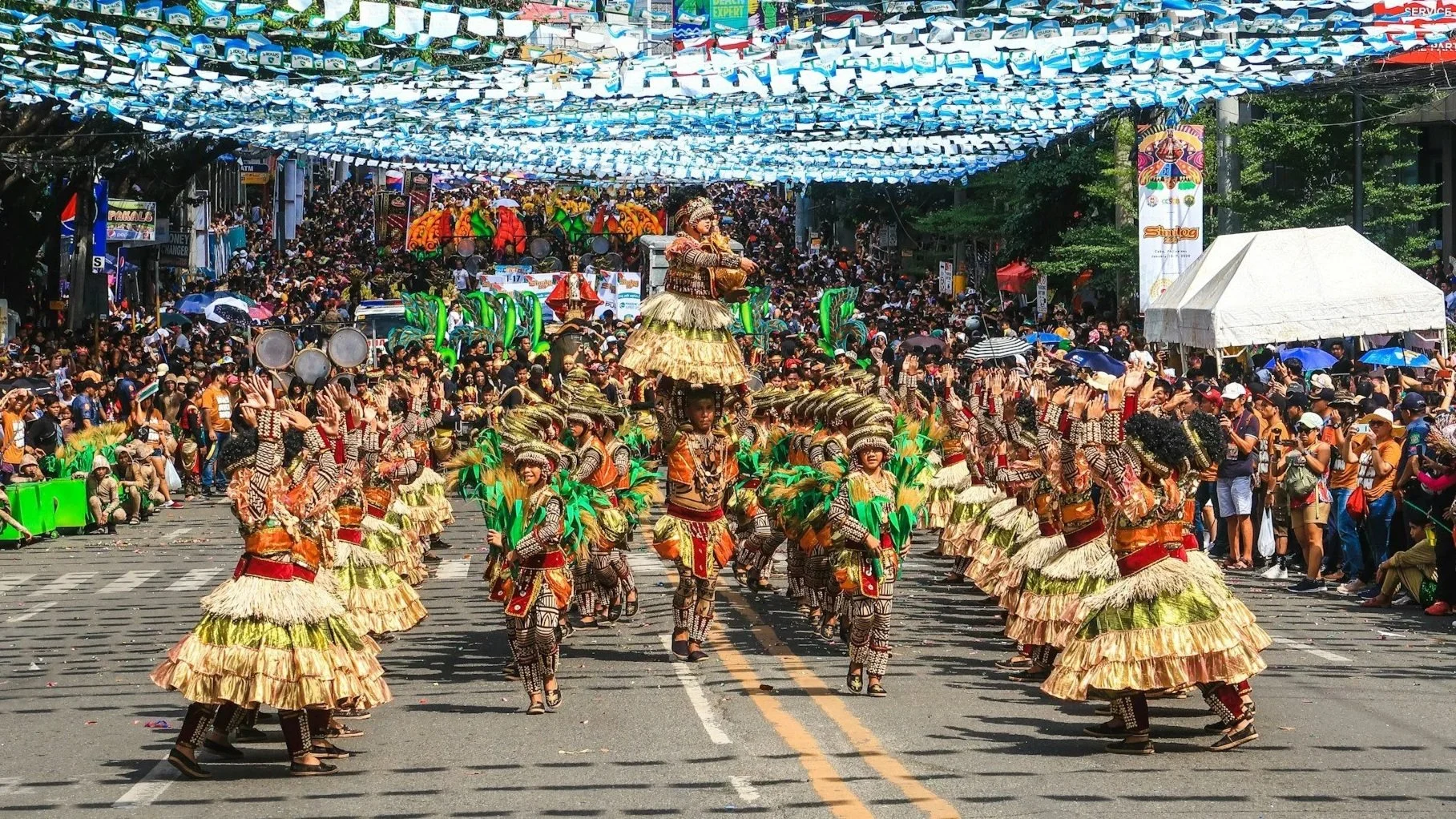
Photo by Hitoshi Namura
You might think the Philippines is all beaches and bikinis — but in 2026 the country is calling travelers to go deeper. From lantern-lit walks inside Manila’s Intramuros to the living stairways of Ifugao’s Rice Terraces and the drumbeat of Sinulog and Dinagyang in January, the Philippines is a heritage-rich destination where culture, conservation and community-led travel converge. If planning feels overwhelming, this guide helps you build meaningful, practical 2026 itineraries that respect communities and make your trip unforgettable.
Why 2026 is a great year to reframe your Philippine trip
The Philippines continues to evolve beyond classic sun-and-sand itineraries. In 2026, heritage travel — particularly Intramuros in Manila and the UNESCO-listed Rice Terraces of the Cordilleras — is a core draw. You can pair history-rich city time with coastal conservation work or artisan-led experiences to leave a positive footprint.
Practical timing and travel documents (what to watch in 2026)
Festival dates: Sinulog (Cebu) peaks on January 18, 2026; Dinagyang (Iloilo) peaks on January 25, 2026. These line up perfectly for a January “Santo Niño circuit.”
Seasonality: Aim for the dry season (roughly December–May) if you want a reliable combo of city sightseeing and island or terrace journeys. June–November is wetter with higher disruption risk.
Climate watch: PAGASA-linked reporting in 2026 has flagged an elevated El Niño likelihood in mid-to-late 2026 — this can mean drier conditions in some areas and may alter local advisories. Keep an eye on forecasts as you finalize plans.
Entry rules: Note the eVisaPH policy change effective 16 January 2026 (this update includes specific new privileges for certain nationalities). Many travelers are still asked to complete eTravel registration to obtain a QR code prior to arrival. Always confirm current requirements on official government pages before you travel.
Heritage highlights you shouldn't miss
Intramuros, Manila — structured history that’s easy to access
If you want history with context, choose guided storytelling formats: heritage walks, WWII-focused routes, and night tours led by DOT-accredited guides. These formats help you connect with layered histories safely and meaningfully without getting lost in dense self-guides.
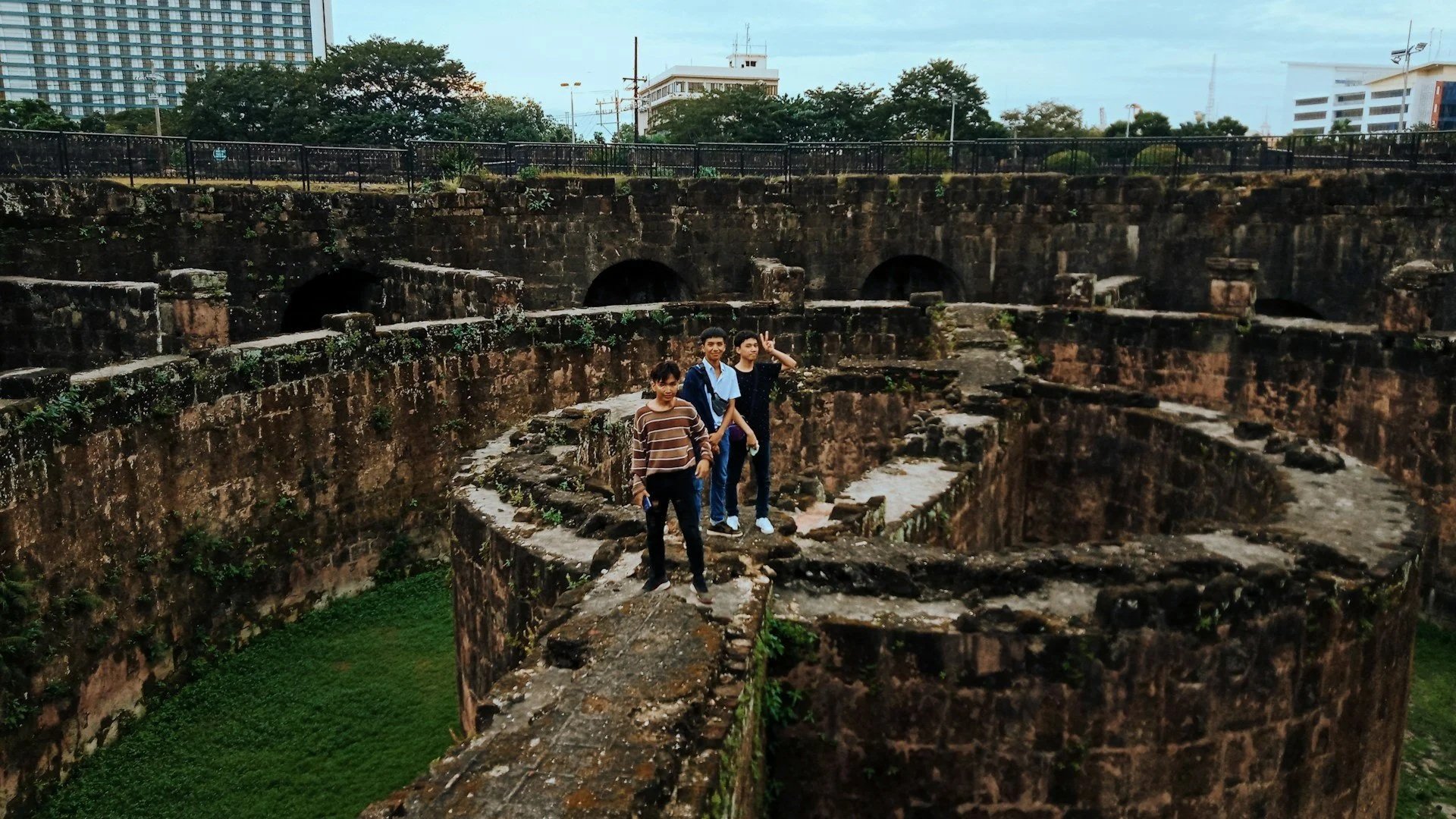
Photo by Aela Mataverde
⭐ Tips:
Book DOT-accredited guided tours in advance — night tours and themed walks fill up, especially on long weekends.
Pair a half-day Intramuros walk with a museum or a foodie crawl in nearby Binondo for a fuller cultural day.
Ifugao Rice Terraces — visit with respect and support
The Rice Terraces are a UNESCO “living cultural landscape.” Conservation there is tightly linked to local livelihoods. Visiting sustainably means choosing community-based homestays, hiring local guides, and supporting projects that combine preservation with income for residents.
⭐ Tips:
Look for experiences where fees, purchases, or donations go directly to local management or conservation programs.
Time your road travel carefully — terraces are best enjoyed in drier months, and some trails can be affected by weather.
Festivals: plan early and travel smart
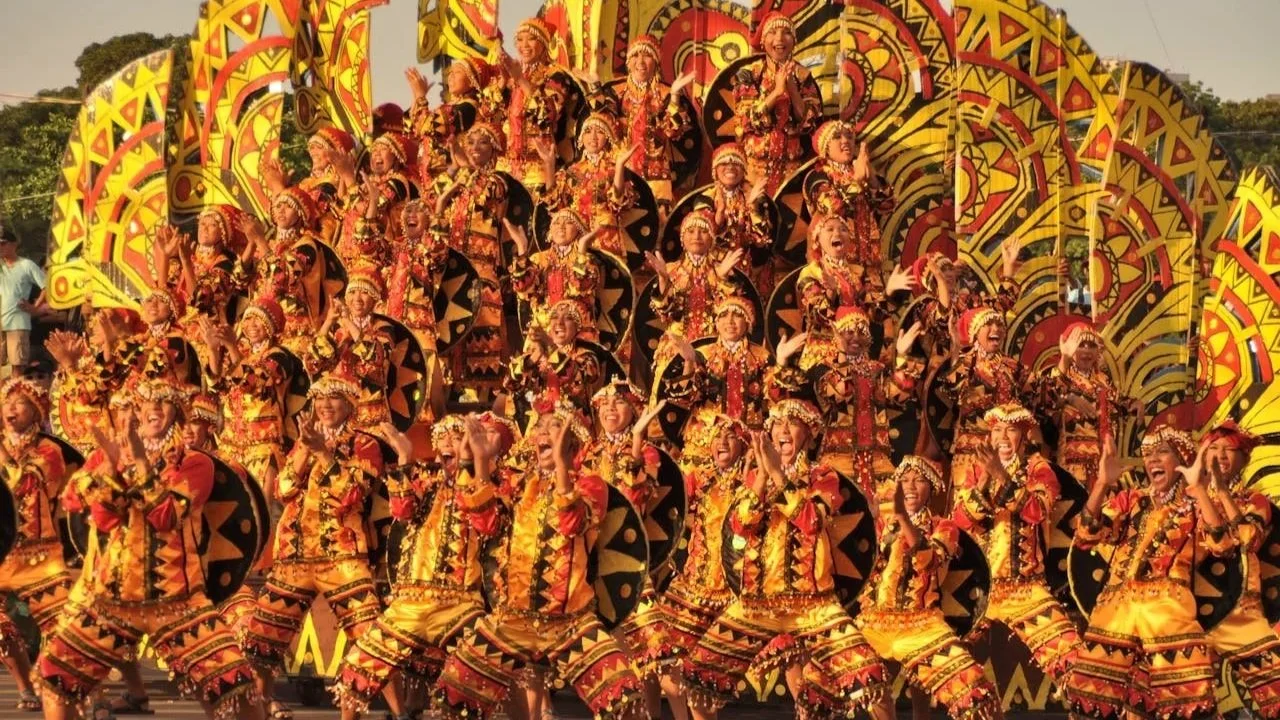
Photo by Ej Agumbay
Sinulog and Dinagyang are cultural high points in January 2026. If you want to attend:
Lock flights and hotels early — January festival travel fills island routes fast.
Build a short Visayas route: Cebu (Sinulog) → Iloilo (Dinagyang) → nearby islands or Aklan. This maximizes cultural exposure while minimizing repeat domestic travel.
Community-led tourism and regenerative experiences
You can convert your curiosity into impact with community-led and conservation-focused options:
Weaving and textiles: Ilocos Norte’s Inabel/Abel Iloko weaving communities offer loom demonstrations and artisan sales — a direct way to support craft livelihoods.
Coral restoration and citizen science: Programs in Malapascua (People and the Sea) and Southern Leyte (Coral Cay Conservation-style projects) combine reef monitoring, restoration, and local education. These are accessible "give back" options that pair well with beach time.
✨ Practical pointers:
Choose local operators with clear community partnerships and transparent outcomes.
Expect structured commitments for volunteer programs — read dates and requirements carefully and book with responsible providers.
Building an itinerary that balances discovery and responsibility
Sample building blocks for a 10–14 day heritage + islands trip:
Days 1–2: Manila — Intramuros guided walk + museums
Days 3–5: Fly north or to Banaue/Ifugao — terrace views, community homestay
Days 6–10: Return route to a Visayas hub — time your trip for Sinulog (Jan 18) or Dinagyang (Jan 25) if traveling in January
Days 11–14: Beach + marine conservation program (Malapascua or Southern Leyte)
⭐ Tips for stress-free planning:
Prioritize DOT-accredited guides for heritage walks and certified community programs for conservation experiences.
Leave buffer days for domestic transfers; weather and inter-island connections can be unpredictable.
Confirm festival schedules and city announcements as official programs can add events throughout January.
Responsible traveler checklist
✔️ Verify entry and eTravel requirements close to departure.
✔️ Book locally-led experiences that keep revenue in communities.
✔️ Respect local sites: ask before photographing people, honor ceremonial spaces, and follow guide instructions in heritage zones and protected marine parks.
✔️ Pack for varied weather: the dry season is ideal, but microclimates exist between mountains and coasts.
Final planning notes
You don’t have to choose between culture and conservation — the best 2026 Philippines trips weave them together. From DOT-accredited night tours in Intramuros to community-run terrace homestays and coral restoration programs, thoughtful choices make your visit richer for you and better for communities.
Ready to design a Philippines trip that goes beyond beaches and leaves a positive impact? Whether you want a curated heritage walk through Intramuros, a community homestay in Ifugao, a January festival route, or a coral restoration placement, we can help plan the practical details and meaningful extras. Contact Go Beyond Travel for a personalized consultation.
#FilipinoHeritage #Intramuros #Sinulog #CulturalTravel #ResponsibleTourism
📦 Key Takeaways
Plan city-plus-islands trips in the dry season (roughly Dec–May); Jun–Nov is wetter and higher-risk for disruptions.
Sinulog (Cebu) peaks Jan 18, 2026 and Dinagyang (Iloilo) peaks Jan 25, 2026 — great for a January festival circuit.
For safe, informative heritage visits in Intramuros choose DOT-accredited guides and consider night tours or WWII storytelling routes.
Banaue/Ifugao Rice Terraces rely on community-led conservation — combine visits with local, income-generating tourism to support preservation.
Marine conservation programs in Southern Leyte and Malapascua/Cebu offer structured, give-back experiences (reef monitoring, restoration, education).
Check 2026 entry rules: eVisaPH updated on Jan 16, 2026 and eTravel registration remains a common arrival process — always verify before travel.
